Vietnam’s 27 Catholic dioceses form the backbone of the country’s Catholic Church administration, serving over 7 million Catholics across the nation. Each diocese, led by a bishop, operates under the Catholic Bishops’ Conference of Vietnam (CBCV) while navigating both Vatican hierarchical communion and Vietnam’s state regulations. These dioceses manage thousands of parishes, operate 8 regional seminaries forming 11,713 seminarians, and coordinate spiritual programs that blend Catholic tradition with Vietnamese cultural practices.
In 2026, a pivotal shift reorients dioceses from local parish management to cross-border missionary sending across Southeast Asia. The current configuration of 27 dioceses—three metropolitan archdioceses (Hanoi, Hue, Ho Chi Minh City) and 24 suffragan dioceses—reflects historical development and pastoral needs across Vietnam’s regions.
- 27 Catholic dioceses operate under the CBCV with mandatory state registration per Vietnam’s Law on Belief and Religion (2018), requiring approval for activities, construction, and foreign interactions through the Government Committee for Religious Affairs (GCRA)
- 11,713 seminarians in 8 regional major seminaries reflect strong vocation growth, with diocesan formation programs managing this pipeline from 26 of the 27 dioceses
- 2026 is designated the ‘Year of Every Christian as a Missionary Disciple,’ shifting diocesan focus from local parish administration to sending priests on mission to Mongolia, Laos, and Cambodia
Administrative Framework: How Dioceses Operate Under State Oversight
Vietnam’s Catholic dioceses function within a dual administrative framework that balances ecclesiastical autonomy with state oversight. This structure is coordinated by the Catholic Bishops’ Conference of Vietnam (CBCV), which serves as the official assembly of bishops representing all 27 dioceses.
The current configuration of 27 dioceses—three metropolitan archdioceses (Hanoi, Hue, Ho Chi Minh City) and 24 suffragan dioceses—reflects historical development and pastoral needs across Vietnam’s regions.
The geographic distribution of these dioceses spans from the northern border to the Mekong Delta, each serving a defined territorial jurisdiction. This structure requires bishops to maintain communion with the Vatican while ensuring full compliance with Vietnamese law, particularly the 2018 Law on Belief and Religion. The result is a unique model where spiritual leadership and civil administration intersect at the diocesan level.
Bishops’ dual accountability: Vatican communion + Vietnamese law compliance
- State registration requirements: All diocesan activities, church construction projects, and interactions with foreign religious entities require prior registration and approval from the Government Committee for Religious Affairs (GCRA) under the Ministry of Home Affairs, as documented in the U.S. State Department’s 2021 and 2023 International Religious Freedom Reports.
- Vatican hierarchical communion: Simultaneously, bishops maintain direct communion with the Holy See, receiving doctrinal guidance and episcopal appointments from Rome while governing their dioceses as particular churches within the universal Catholic Church.
- Dual accountability structure: This creates a unique governance model where bishops answer to both civil authorities for legal compliance and to the Vatican for spiritual and doctrinal matters, managing thousands of parishes, religious congregations, seminaries, and charitable institutions across Vietnam (SARC Publisher, 2022).
The dual accountability system means Vietnamese bishops operate in a complex environment.
They must ensure every diocesan initiative—from building a new church to hosting a foreign missionary—complies with state regulations while remaining faithful to Catholic doctrine. This requires constant dialogue with both Rome and Hanoi authorities, often navigating situations where civil and ecclesiastical priorities diverge.
Pastoral management: Parishes, seminaries, and charitable institutions
Dioceses administer a vast network of pastoral institutions that sustain the Church’s spiritual and social mission. The following table outlines key components of diocesan administration:
| Administrative Unit | Quantity/Scope | Management Structure |
|---|---|---|
| Parishes | Thousands across 27 dioceses | Organized into parish clusters under diocesan pastoral offices |
| Major Seminaries | 8 regional institutions | Serve formation needs of 26 dioceses |
| Seminarians | 11,713 (2025-2026) | Distributed across 8 seminaries; overseen by diocesan vocation directors |
| Charity Programs | Tet (Lunar New Year) initiatives, ongoing social services | Coordinated by diocesan social action commissions |
| Religious Congregations | Multiple orders and congregations | Operate within diocesan boundaries under bishop’s authority |
The 8 regional major seminaries represent a significant achievement in priestly formation, collectively educating 11,713 seminarians from 26 of the 27 dioceses (CBCV data, 2025-2026). This centralized yet accessible system ensures that even dioceses in remote regions can send candidates for formation. Each seminary operates under the oversight of a diocesan bishop or a consortium of bishops, maintaining fidelity to local pastoral needs while providing standardized theological education.
Parish management involves clustering smaller communities into pastoral zones for efficient administration. Dioceses also coordinate Tet charity programs during the Lunar New Year, mobilizing resources to serve the poor and elderly—a practice that integrates Catholic social teaching with Vietnam’s most important cultural holiday. Catholics seeking their local parish can consult the Catholic directory Vietnam for addresses and contact information.
Each diocese’s cathedral serves as the bishop’s seat and a focal point for liturgical celebrations, often reflecting the architectural and spiritual heritage of the region. These sacred spaces anchor diocesan identity and serve as gathering points for major feast days and diocesan events.
Spiritual Responsibilities: Formation, Inculturation, and Mission
Vietnam’s Catholic dioceses bear primary responsibility for spiritual formation and missionary activity, shaping the faith life of over 7 million Catholics. This encompasses priestly formation through seminaries, inculturation of Catholic practice within Vietnamese culture, and a renewed missionary emphasis in 2026 that extends beyond national borders. The diocesan structure ensures that spiritual care is both locally grounded and universally connected.
These Catholics are distributed across Vietnam’s three ecclesiastical provinces, with the geographic distribution shaping pastoral strategies. The diversity of regions—from mountainous highlands to coastal plains—requires dioceses to adapt spiritual programs to local contexts while maintaining unity of faith.
Vocations crisis? No: 11,713 seminarians and missionary reorientation
Vietnam’s Catholic dioceses defy global vocation trends with a robust pipeline of 11,713 seminarians across 8 regional major seminaries as of 2025-2026. This represents one of the world’s largest seminarian populations relative to Catholic population. However, quantity alone does not satisfy the Church’s missionary mandate.
The 2026 pastoral year, designated as the ‘Year of Every Christian as a Missionary Disciple’ by the CBCV, signals a strategic pivot. Dioceses are transitioning from merely forming priests for local parish service to intentionally sending missionaries abroad—particularly to Mongolia, Laos, and Cambodia. This reorientation reflects a shift from a ‘keeping’ mentality to a ‘sending’ mentality.
Major seminaries have responded by adopting unified formation programs that center on Christ while emphasizing missionary spirituality. These programs prepare priests not just for sacramental ministry but for cross-cultural evangelization.
The challenge now lies in channeling this vocational surplus into a missionary spirit that extends Vietnam’s Catholic influence throughout Southeast Asia. Diocesan vocation directors are working to identify candidates with missionary aptitude and provide them with cross-cultural training before sending them to regions where Catholicism is nascent.
Inculturation: Ancestor veneration, La Vang devotion, and Tet charity
Inculturation—the process of integrating the Gospel with local culture—defines Vietnam’s Catholic identity. Dioceses actively promote three key practices that demonstrate this synthesis:
- Ancestor veneration integration: Vietnamese Catholics practice ancestor veneration, a deeply rooted cultural tradition, in ways that harmonize with Catholic doctrine. Dioceses provide guidance on expressing respect for ancestors without compromising the centrality of Christ, creating a distinctive Vietnamese Catholic identity that bridges traditional customs and faith (SARC Publisher, 2022).
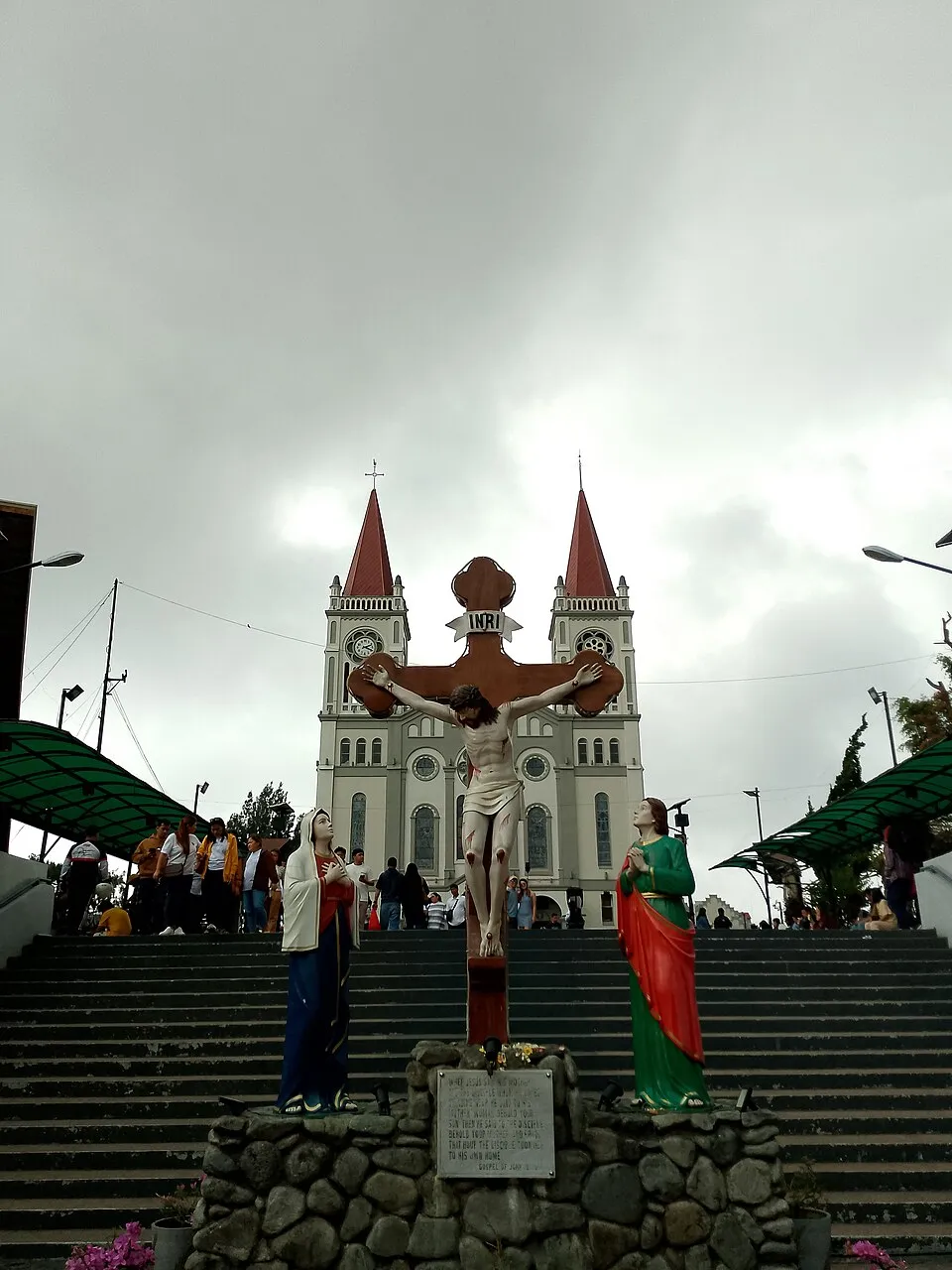
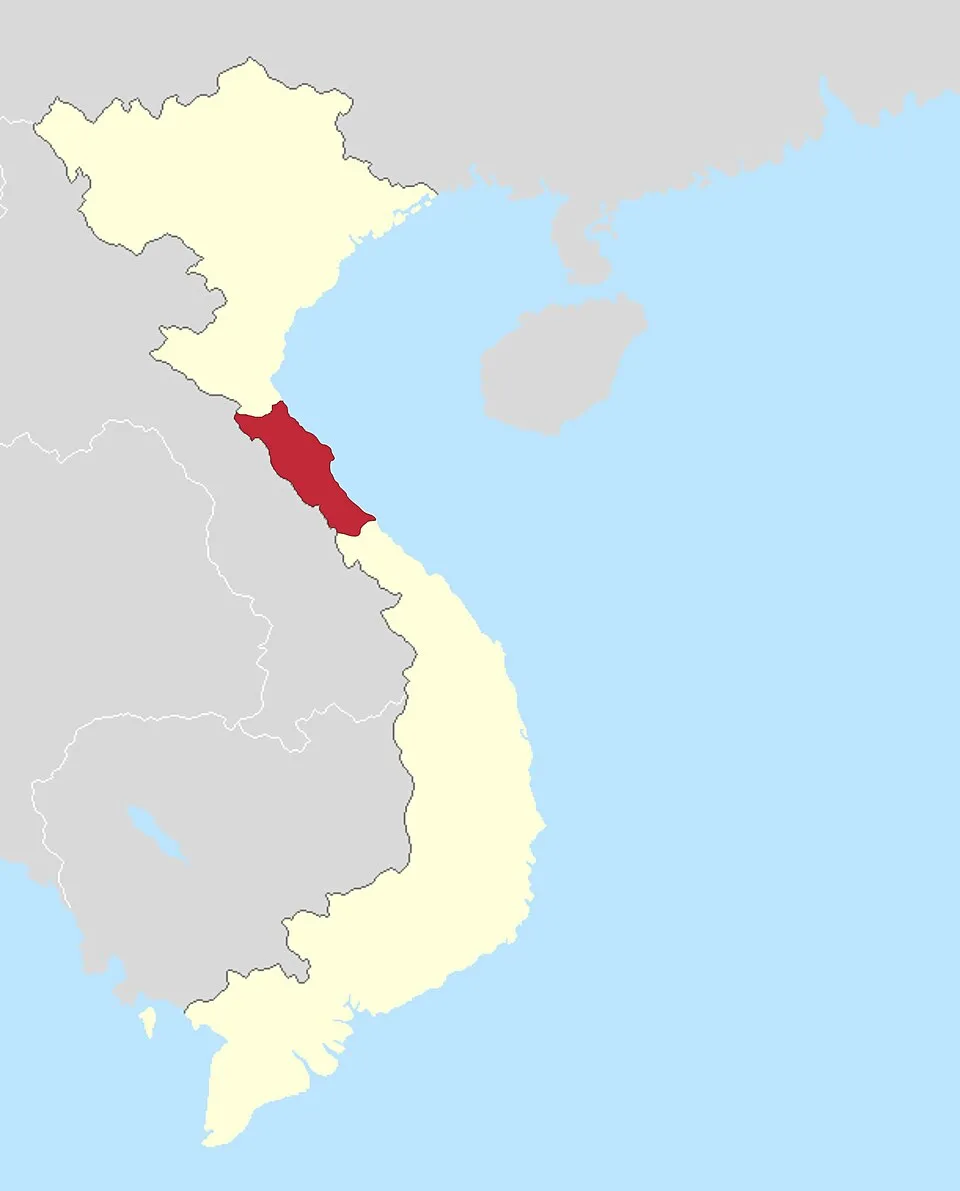
- Our Lady of La Vang devotion: The Marian apparition at La Vang in 1798 has become a national spiritual treasure. Dioceses actively promote pilgrimages to the shrine and devotion to Our Lady of La Vang, incorporating this uniquely Vietnamese Marian expression into liturgical celebrations and popular piety (Catholic Messenger, 2025). The shrine, located in the Archdiocese of Hue, draws millions of pilgrims annually and serves as a focal point for national Catholic identity.
- Tet charity programs: During the Lunar New Year (Tết), dioceses coordinate extensive charitable outreach, distributing food, gifts, and financial assistance to the poor and elderly. These programs embody Catholic social teaching while engaging with Vietnam’s most important cultural holiday, demonstrating how faith and culture can mutually enrich each other (Wikipedia/CBCV). The Tet charity initiatives often involve parish volunteers and religious congregations working together to reach marginalized communities.
These inculturation practices are not merely cultural accommodations but theological expressions that make the Catholic faith genuinely Vietnamese. They reflect the dioceses’ role as local churches that are both rooted in their culture and in communion with the universal Church.
Current Challenges: Balancing Collectivist Culture with Synodal Participation
Vietnam’s Catholic dioceses face contemporary challenges that test their adaptability. The collectivist orientation of Vietnamese society, which emphasizes group harmony and family loyalty, creates both opportunities and tensions as the Church promotes synodal participation—a process that values individual voice and communal discernment. Additionally, the 2026 missionary shift requires strategic recalibration of resources and priorities.
2026 missionary shift: From local administration to cross-border sending
The 2026 pastoral plan marks a decisive turning point in how Vietnamese dioceses allocate their greatest resource: priestly vocations. Traditionally, dioceses focused inward, forming priests to serve local parishes and manage internal affairs. The new vision fundamentally alters this mindset, redirecting energy and personnel toward cross-border missions.
- Strategic reorientation: Dioceses are now called to “give” rather than merely “keep” their priests, sending missionaries to Mongolia, Laos, and Cambodia where Catholic presence is minimal (SARC Publisher, 2022). This represents a significant cultural shift for a Church that has historically received missionaries rather than sending them.
- Regional missionary focus: The initiative targets Southeast Asian nations with small Catholic populations, positioning Vietnam—with its abundant vocations—as a missionary source church. This reverses historical patterns where missionary work flowed into Vietnam from Western countries (AI Overview).
- Implementation challenges: The shift requires diocesan leadership to balance local pastoral needs with missionary generosity, develop formation programs that prepare candidates for cross-cultural ministry, and establish support systems for priests serving far from home (UCA News, February 2026). Some dioceses may experience priest shortages as they send a portion of their clergy abroad, necessitating creative pastoral strategies.
This missionary reorientation aligns with Pope Francis’s call for a “Church that goes forth” and responds to the global need for evangelization in Asia’s least-evangelized regions.
Digital outreach and youth engagement in a collectivist society
Vietnam’s dioceses are using digital platforms to engage tech-savvy youth. The CBCV enhanced its digital strategy in late 2025, and the Hanoi Archdiocese Youth Congress 2026 drew over 5,000 young Catholics, showing online-to-offline potential (Facebook/Choice Flame, 2026).
These efforts face the challenge of Vietnam’s collectivist culture, where group harmony often outweighs individual expression. The synodal process, which values each person’s voice, conflicts with cultural norms that discourage standing out. Dioceses must balance communal bonds with personal faith sharing.
Some succeed with small group discussions where participants share safely before presenting collective insights (Stella Maris, January 2026). Digital platforms help by allowing anonymous participation, lowering barriers to personal expression in a collectivist context.
Vietnam’s Catholic dioceses stand at a crossroads in 2026, balancing rigorous state compliance with vibrant spiritual life. The 27 dioceses have cultivated one of the world’s most impressive vocation pipelines, yet this numerical success masks an underlying challenge: transforming seminary graduates into missionary disciples willing to serve beyond their home parishes. The ‘Year of Every Christian as a Missionary Disciple’ initiative seeks to address this by reorienting diocesan priorities from local administration to cross-border evangelization.
This pivot, combined with deep inculturation practices like La Vang devotion and Tet charity, positions Vietnam’s Church as both authentically Vietnamese and universally Catholic. For current data on diocesan boundaries, bishop appointments, and statistical updates, consult the CBCV’s official portal at dioceses.