The Catholic Bishops’ Conference of Vietnam (CBCV) serves as the central governing body for the Catholic Church across Vietnam’s 27 dioceses, representing a community of 7.29 million Catholics according to official statistics. This episcopal conference coordinates national pastoral strategy, including the 2026 theme of missionary discipleship, and oversees the formation of 11,713 seminarians in eight regional major seminaries. Understanding its structure, leadership, and mission provides essential insight into the organization of Catholicism in Vietnam today.
- CBCV represents all 27 dioceses of Vietnam with Archbishop Joseph Nguyễn Năng as President.
- The conference coordinates national pastoral planning, including the 2026 missionary discipleship theme, and oversees 8 seminaries with 11,713 seminarians.
- Recent ordinations of 61 new deacons in 2026 highlight vocational growth in Vietnam’s Catholic community.
What is the Catholic Bishops’ Conference of Vietnam?
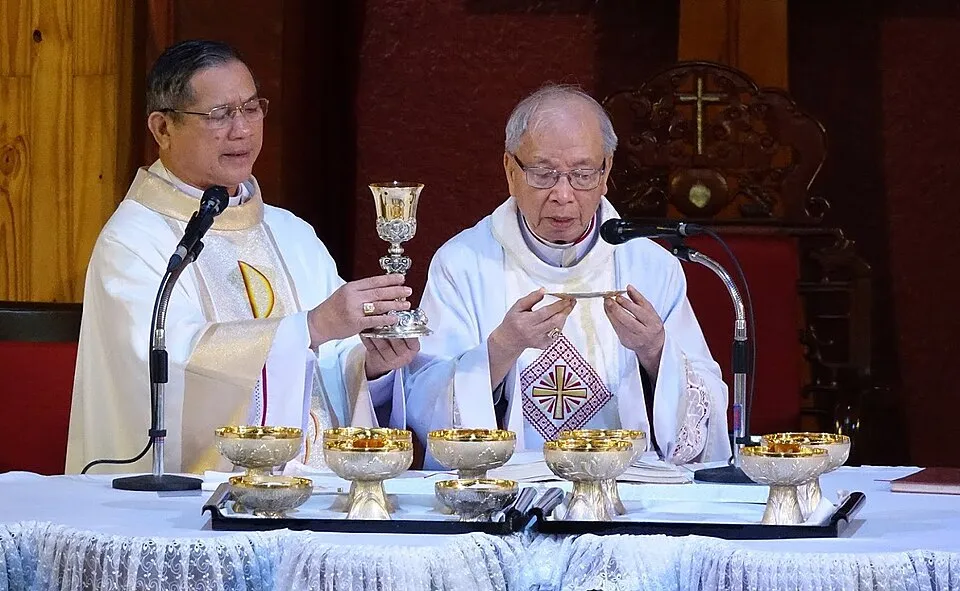
The Catholic Bishops’ Conference of Vietnam is the official assembly of all active and retired bishops—including diocesan, coadjutor, and auxiliary bishops—serving the Catholic Church throughout the country. Its canonical purpose is to foster communion, promote collaborative pastoral initiatives, and serve as the unified voice of Vietnam’s bishops on matters of faith, doctrine, and social concern, and as the primary recipient of Holy See messages to Vietnam. The conference operates from its secretariat in Ho Chi Minh City and functions as the primary body for episcopal coordination in Vietnam.
Definition and purpose: The central episcopal body for Vietnam’s 27 dioceses
An episcopal conference, such as the CBCV, is a permanent institution established by the Catholic Church to allow bishops of a particular nation or region to work together. The CBCV’s fundamental role is to strengthen the bonds of unity among the bishops, facilitate joint pastoral activities, and address common challenges facing the Church in Vietnam. It does not replace the authority of individual bishops within their own dioceses but rather provides a platform for collective deliberation and coordinated action on issues that transcend diocesan boundaries, such as national liturgical norms, Catholic education standards, and social communications strategies, with regular updates available through CBCV updates.
Historical foundation: From 1960s origins to 1980 re-establishment
The origins of the CBCV trace back to the 1960s, when it was initially created to serve the Catholic hierarchy in South Vietnam. Following the reunification of Vietnam in 1975, the conference was officially re-founded in 1980 to encompass the entire nation.
This re-establishment was a crucial step in reorganizing the Church’s hierarchical structure under a single episcopal body, allowing for unified pastoral planning and representation after a period of national division. The 1980 founding marked the beginning of the modern CBCV as it functions today, representing all dioceses from the northern borders to the southern Mekong Delta.
Understanding the Vietnam bishops conference: Its role and function
The CBCV’s core functions include conducting national pastoral planning, managing specialized commissions that focus on specific areas like liturgy, family life, and social justice, and serving as the official channel for dialogue with the Vietnamese government and the Holy See. It synthesizes the collective wisdom of the bishops to issue pastoral letters, guidelines, and positions on issues affecting the Catholic community and broader society, all compiled in official Catholic documents. By coordinating resources and expertise across the 27 dioceses, the CBCV amplifies the local Church’s capacity to fulfill its evangelizing and service missions effectively.
The Governance of CBCV: Leadership and Decision-Making
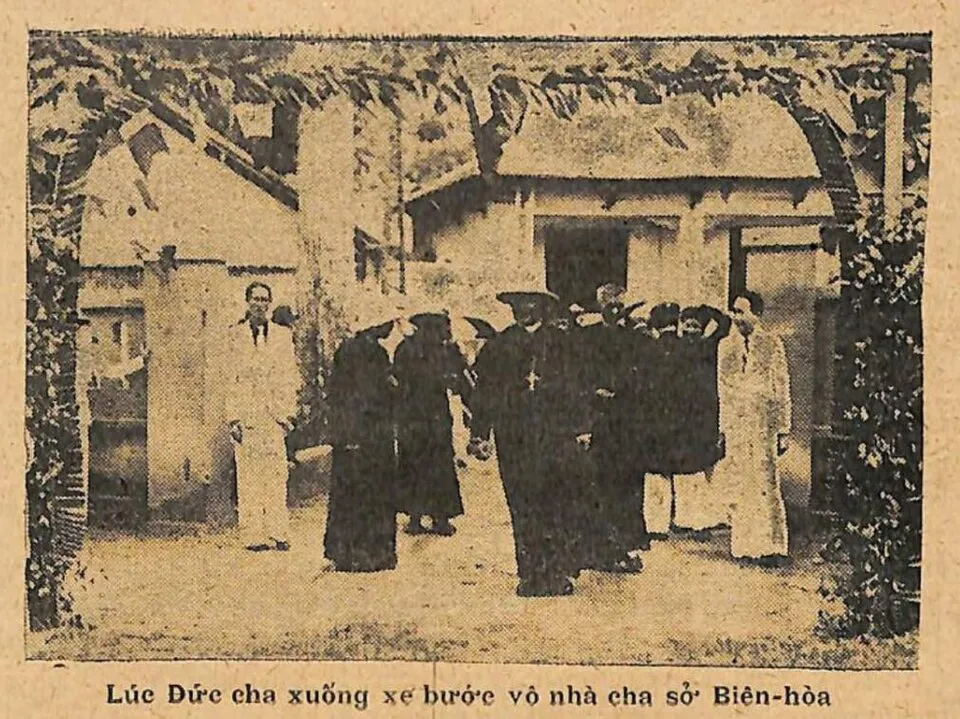
Governance of the conference is structured around elected leadership, a permanent administrative council, and a network of specialized committees. This structure ensures both efficient day-to-day management and in-depth expertise for the diverse pastoral needs of Vietnam’s Catholic community. The leadership team serves defined terms, and the commission system allows bishops with specific gifts to contribute to focused areas of Church life.
The President, Vice President, and Permanent Council
- President: Joseph Nguyễn Năng, Metropolitan Archbishop of Hồ Chí Minh City
- Vice President: Joseph Vũ Văn Thiên, Metropolitan Archbishop of Hà Nội
- Secretary General: Joseph Đỗ Mạnh Hùng, Bishop of Phan Thiết
- Deputy General Secretary: Louis Nguyễn Anh Tuấn, Bishop of Hà Tĩnh
- Permanent Council: This body, typically composed of the top leadership, handles ongoing administrative decisions between plenary assemblies.
- Secretariat Location: The central office is located at 6 bis Ton Duc Thang, District 1, Ho Chi Minh City.
The Permanent Council acts on behalf of the full conference between its regular meetings, ensuring continuous governance. The secretariat provides essential administrative support, coordinating communications, document preparation, and logistical arrangements for the conference’s extensive work.
Specialized commissions and their pastoral responsibilities
- Committee on the Bible: Promotes biblical literacy and animation of scripture in parish life.
- Committee on Catholic Education: Oversees standards for Catholic schools and religious education programs.
- Committee on Charitable and Social Actions (Caritas Vietnam): Coordinates the Church’s humanitarian aid and social service outreach.
- Committee on Clergy and Seminarians: Addresses the formation, welfare, and ongoing development of priests and candidates.
- Committee on Consecrated Life: Supports communities of nuns, brothers, and other religious orders.
- Committee on Culture: Engages with Vietnamese cultural contexts to inculturate the faith.
- Committee on Divine Worship: Regulates liturgical practices and sacred art.
- Committee on the Doctrine of the Faith: Assists bishops in safeguarding and teaching Catholic doctrine.
- Committee on Evangelization: Develops strategies for spreading the Gospel and re-energizing the faith of the baptized.
- Committee on Family: Promotes Catholic family life and responds to contemporary family challenges.
- Committee on Justice and Peace: Articulates the Church’s social teaching on human rights, development, and peace.
- Committee on the Laity: Fosters the apostolate and leadership of lay Catholics.
- Committee on Migration: Addresses the pastoral needs of migrants, refugees, and displaced persons.
- Committee on Sacred Arts and Sacred Music: Maintains the beauty and integrity of liturgical arts.
- Committee on Social Communications: Guides the Church’s use of media and digital platforms.
- Committee on Youth: Develops programs to engage young people in the life of the Church.
- Pastoral Office for Ecumenical and Interfaith Dialogue: Promotes Christian unity and respectful dialogue with other religions.
- Subcommittee on the Advisory of the Protection of Minors: Implements safeguarding protocols and policies.
- Missionary Society of Việt Nam: Fosters a missionary spirit and supports missionary work.
This comprehensive commission structure allows the CBCV to address the full spectrum of pastoral, spiritual, and social needs with specialized attention, ensuring that the bishops’ collective guidance is both deep and practical.
How are bishops in Vietnam compensated?
The financial support for Catholic bishops is a common question. While the CBCV does not publish specific salary figures for bishops in Vietnam, the universal practice in the Catholic Church is that bishops receive a stipend from their respective dioceses to cover reasonable living expenses. According to general Church financial norms, a bishop’s monthly stipend typically amounts to about €5,000, which is approximately $68,000 annually.
This amount is intended to provide for the bishop’s personal needs, household maintenance, and basic hospitality duties, and it is calibrated to the local economic context of the diocese he serves. It is important to note that the Pope himself does not accept a personal salary; all his needs are covered directly by the Vatican. Vietnamese bishops, therefore, are sustained by the resources of their local diocesan communities, reflecting the principle of ecclesial solidarity and shared responsibility.
Key Statistics and 2026 Pastoral Initiatives
The scale and vitality of the Church in Vietnam are best understood through key statistics. The CBCV’s coordination shapes a national pastoral plan that responds to these demographic realities with focused initiatives for growth, formation, and evangelization. The current data reveals a Church with a significant footprint and a strong pipeline of future clergy and deacons.
Serving 7.29 million Catholics: The scope of pastoral care
| Metric | 2026 Data |
|---|---|
| Total Catholic Population | 7,294,713 |
| Percentage of National Population | 7.21% |
| Number of Dioceses | 27 |
These figures, representing the most current official count, establish the immense pastoral responsibility shouldered by the CBCV. Serving over 7.2 million faithful across the nation’s diverse regions requires careful coordination of resources, personnel, and programs—a task central to the conference’s mission.
Vocations formation: 11,713 seminarians in 8 regional major seminaries
- Total Seminarians: 11,713
- Number of Major Seminaries: 8 regional institutions
- Diocesan Participation: Seminarians come from 26 of the 27 dioceses
The high number of seminarians is a striking indicator of the Church’s vitality in Vietnam. The existence of eight regional major seminaries ensures that formation is accessible across different geographic areas.
The fact that candidates hail from nearly every diocese demonstrates a broadly distributed culture of vocations, which is essential for the long-term renewal of the clergy. The CBCV’s Committee on Clergy and Seminarians plays a vital role in overseeing the academic and spiritual standards of these institutions.
2026 pastoral theme: Missionary discipleship as national priority
The CBCV’s national pastoral plan for 2026 centers on the theme of “missionary discipleship.” This focus represents a strategic shift toward emphasizing the role of every baptized Catholic as an active agent of evangelization, not just a passive recipient of sacraments, and includes specific Vietnam Catholic youth initiatives for 2026. The theme guides the programming of all CBCV commissions and diocesan initiatives for the year, encouraging parishes and communities to move beyond maintenance mode toward intentional outreach. This aligns with the global Church’s emphasis under Pope Francis on a “missionary conversion” and adapting pastoral methods to contemporary contexts in Vietnam.
Recent ordinations: 61 new deacons in 2026
The ordination of 61 new deacons in 2026 is a concrete sign of the vocational health highlighted by the seminary numbers. The diaconate—a ministry of service, preaching, and charity—strengthens the pastoral workforce at the diocesan level.
Deacons assist bishops and priests in parishes, bring the Church’s presence to hospitals and prisons, and often serve in remote or underserved areas. This significant ordination class provides immediate reinforcement for pastoral care and exemplifies the “missionary discipleship” theme by equipping more members for service within the local Church.
The most surprising insight from this overview is how the CBCV’s structure seamlessly integrates centralized national planning with the distributed energy of Vietnam’s 27 dioceses. The conference does not impose a one-size-fits-all model but instead sets broad themes like missionary discipleship and provides specialized support through its commissions, allowing each local Church to implement them creatively, with news coverage available at Catholic news Vietnam. For the most current official statements, pastoral letters, and updates on national initiatives, you can follow the latest Catholic news Vietnam from the conference’s official portal.
Frequently Asked Questions About Vietnam Bishops Conference
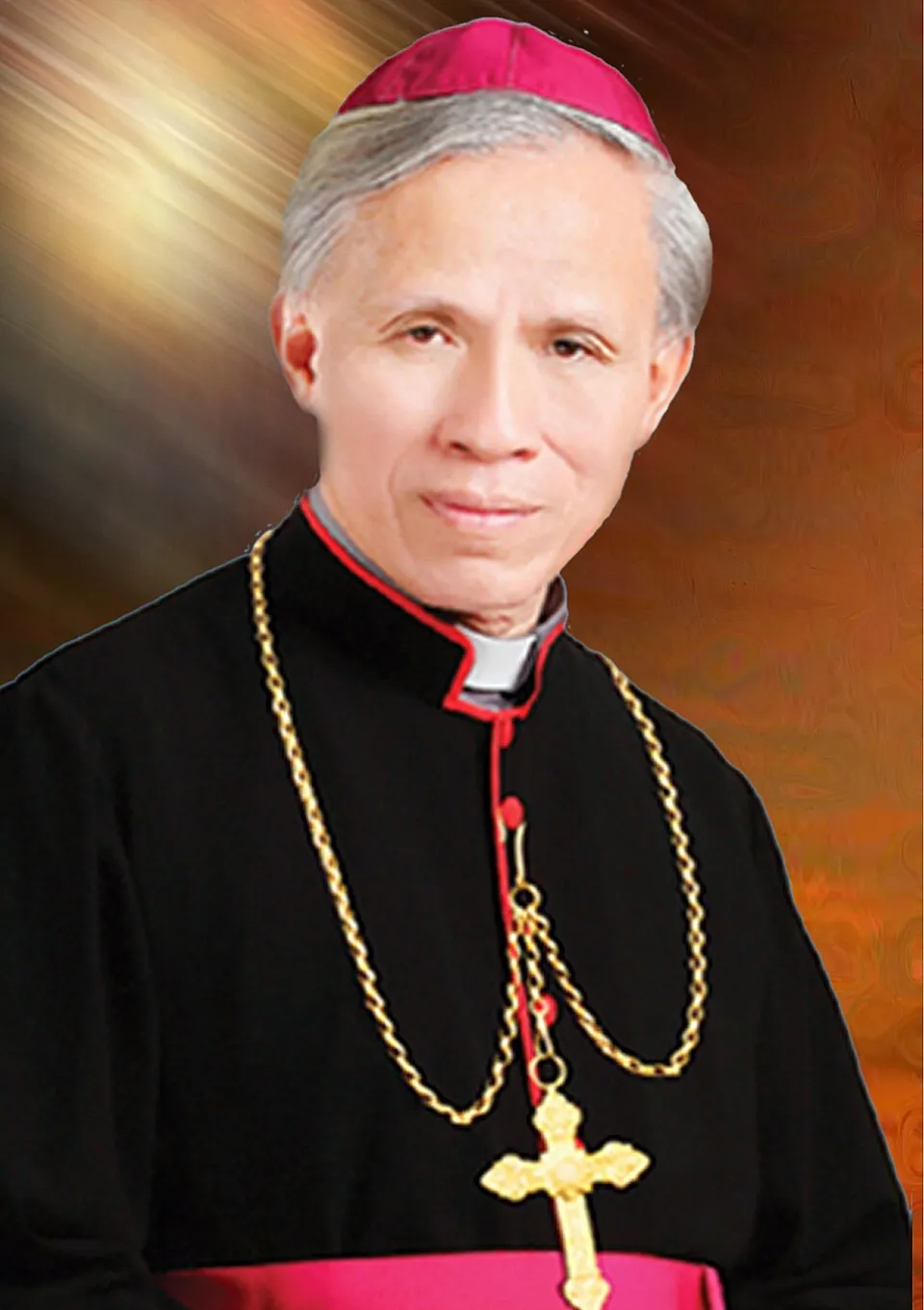
What is the salary of a Catholic bishop?
One can expect a monthly stipend of about €5,000. This comes out to about $68,000 per year. The Pope does not receive a salary as all of his expenses are paid for by the Vatican.
What is the Vietnam Conference of Catholic bishops?
Initially created in 1960s for South Vietnam, and officially re-founded in 1980 after the reunification of Vietnam, the CBCV is composed of all active and retired members of the Catholic hierarchy (i.e., diocesan, coadjutor, and auxiliary bishops) in Vietnam.
Does the pope make $32,000 a month?
The Pope was not paid a salary although he was entitled to one. According to some reports, the current salary for a pope is $32,000 a month.
However, he decided to not take any form of wages when he became pope. If he had accepted the wages, his estate would have been worth $16 million.
What does 888 mean in Vietnam?
The number 8 is considered lucky in Vietnam. So 888 means prosperity, wealth, and good luck.
Is it illegal to be queer in Vietnam?
Vietnam is a relatively hassle-free destination for LGBTQIA+ travellers. In recent years, the country has made positive strides in recognising the role of the LGBTQIA+ community. Same-sex relationships and same-sex sexual acts are legal and a ban on same-sex marriages was lifted in January 2015.