The Vietnamese bishops are organized under the Catholic Bishops’ Conference of Vietnam (CBCV), the central governing body that coordinates pastoral care, evangelization, and social services across the country’s 27 dioceses. The CBCV was re-established in 1980 after the country’s reunification and includes all active and retired Catholic bishops in Vietnam.
Current leadership features Archbishop Joseph Nguyễn Năng as President since 2022, with Archbishop Joseph Vũ Văn Thiên as Vice President and Bishop Joseph Đỗ Mạnh Hùng as General Secretary. In 2024, the appointment of Archbishop Marek Zalewski as the first resident papal representative marked a historic development in Vatican-Vietnam relations.
- The CBCV represents all Catholic bishops in Vietnam across 27 dioceses, with a history dating back to its re-establishment in 1980.
- Current leadership includes President Archbishop Joseph Nguyễn Năng, Vice President Joseph Vũ Văn Thiên, and General Secretary Joseph Đỗ Mạnh Hùng.
- 2024 marks a significant milestone with the appointment of Archbishop Marek Zalewski as the first resident papal representative in Vietnam.
What is the Catholic Bishops’ Conference of Vietnam?
Definition and Historical Foundation: Re-established in 1980
The Catholic Bishops’ Conference of Vietnam (CBCV) is an episcopal conference—a formal assembly of all the Catholic bishops of a nation. It serves as the central governing body for the Catholic Church in Vietnam, coordinating unified pastoral activities, representing the Church in dealings with the state and the Holy See, and fostering communion among the bishops. The CBCV was re-established in 1980 after the country’s reunification, following the end of the Vietnam War and the subsequent reorganization of the Church.
This re-establishment allowed the Vietnamese bishops to function as a single conference after a period of division. The conference’s legal status is recognized by both the Vietnamese government and the Vatican, enabling it to operate as the official voice of the Catholic Church in Vietnam.
The roots of the Vietnamese episcopate go back to the early Catholic missions in the 16th and 17th centuries, with the first native bishops ordained in the 18th century. For detailed accounts of bishops during the French Indochina period, see Bishops in French Indochina, and during the Vietnam War era, see the dedicated historical articles.
Composition: All Active and Retired Bishops Across 27 Dioceses
The CBCV is composed of all active and retired members of the Catholic hierarchy in Vietnam. This inclusive structure ensures that every bishop, regardless of current service status, participates in the conference’s deliberations and decisions. Specifically, the membership includes:
- Active diocesan bishops who lead each of the 27 dioceses across Vietnam
- Coadjutor bishops who assist a diocesan bishop and have the right of succession
- Auxiliary bishops who assist a diocesan bishop without the right of succession
- Retired bishops who maintain membership and often provide valuable experience
The 27 dioceses range from the large Archdiocese of Ho Chi Minh City to smaller rural jurisdictions, each shepherded by a bishop. For a complete overview of the Catholic dioceses in Vietnam and their bishops, see the dedicated directory. This composition reflects the universal nature of the Church, where all bishops together form a college responsible for the whole People of God.
Core Mission: Coordinating Pastoral Care, Evangelization, and Social Services
The primary mission of the CBCV is to coordinate and promote the Church’s pastoral care, evangelization, and social services throughout Vietnam. This threefold mission guides all conference activities:
- Coordinating pastoral care: Ensuring consistent spiritual guidance, sacramental life, and clergy formation across all dioceses, especially in remote areas.
- Promoting evangelization: Supporting missionary initiatives, catechesis, and faith formation programs to deepen the Catholic faith and reach new generations.
- Overseeing social services: Coordinating charitable work through Caritas Vietnam and other agencies, addressing poverty, disaster relief, healthcare, and education.
These functions are carried out through the Standing Committee and a comprehensive network of Programmatic Committees (detailed below), each focusing on a specific aspect of Church life. The CBCV’s mission aligns with the universal Catholic Church while responding to Vietnam’s unique cultural and social context.
Current Leadership and Organizational Structure of the CBCV
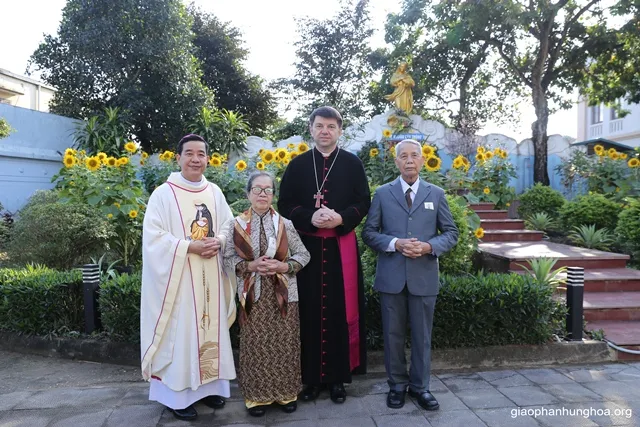
Executive Leadership: President, Vice President, and General Secretary (2022-2024)
The CBCV’s executive leadership is elected by the bishops for terms typically lasting three years. As of 2022-2024, the key officers are:
| Name | Title | Diocese | Year Assumed |
|---|---|---|---|
| Joseph Nguyễn Năng | President | Archbishop of Ho Chi Minh City | 2022 |
| Joseph Vũ Văn Thiên | Vice President | Archbishop of Hanoi | – |
| Joseph Đỗ Mạnh Hùng | General Secretary | Bishop of Phan Thiết | – |
The President represents the CBCV in external affairs and chairs the plenary assemblies. The Vice President assists the President and often oversees specific committees. The General Secretary manages the day-to-day operations of the General Secretariat.
Previous presidents have included notable prelates such as Archbishop Joseph Nguyễn Chí Linh (2016-2022) and Bishop Joseph Đỗ Quang Khang. The conference also includes bishops like Joseph Nguyễn Văn Bình of Bùi Chu, Joseph Nguyễn Văn Tiếp of Đà Nẵng, and Joseph Nguyễn Văn Tạo of Hưng Hóa, who contribute to various committees and diocesan leadership.
Standing Committee and Key Programmatic Committees
The CBCV operates through a Standing Committee, composed of the executive leadership plus additional bishops, which handles urgent matters between plenary sessions. More importantly, the conference relies on numerous Programmatic Committees that focus on specific areas of Church life.
These committees enable bishops and experts to develop strategies, produce resources, and implement initiatives nationwide. The key committees include:
- Biblical: Bible apostolate and scripture promotion
- Educational: Catholic Education, supporting schools and religious formation
- Pastoral: Clergy and Seminarians, Consecrated Life, Family, Youth, Laity
- Liturgical: Divine Worship, Sacred Arts, Sacred Music
- Social: Charitable and Social Actions (Caritas Vietnam), Justice and Peace, Migration
- Communications: Social Communications, media outreach
- Ecumenical: Ecumenical and Interfaith Dialogue
- Doctrinal: Culture, Doctrine of the Faith, Evangelization
This comprehensive structure ensures that every dimension of the Church’s mission—from worship to social action—is addressed by dedicated bishops and collaborators. For a detailed list of all CBCV Programmatic Committees and their current projects, consult the conference website.
Headquarters: Administrative Center in Ho Chi Minh City
The central administrative hub of the CBCV is located at 72/12 Tran Quoc Toan, Vo Thi Sau Ward, District 3, Ho Chi Minh City. This headquarters houses the General Secretariat, where day-to-day operations are managed, and serves as the meeting place for the Standing Committee.
Being situated in Vietnam’s largest city facilitates communication with dioceses across the country and with international partners, including the Holy See. The address also corresponds to the official website domain (hdgmvietnam.com), underscoring its role as the nerve center of the Vietnamese Catholic Church.
Vietnamese Bishops in 2024: Recent Developments and Challenges
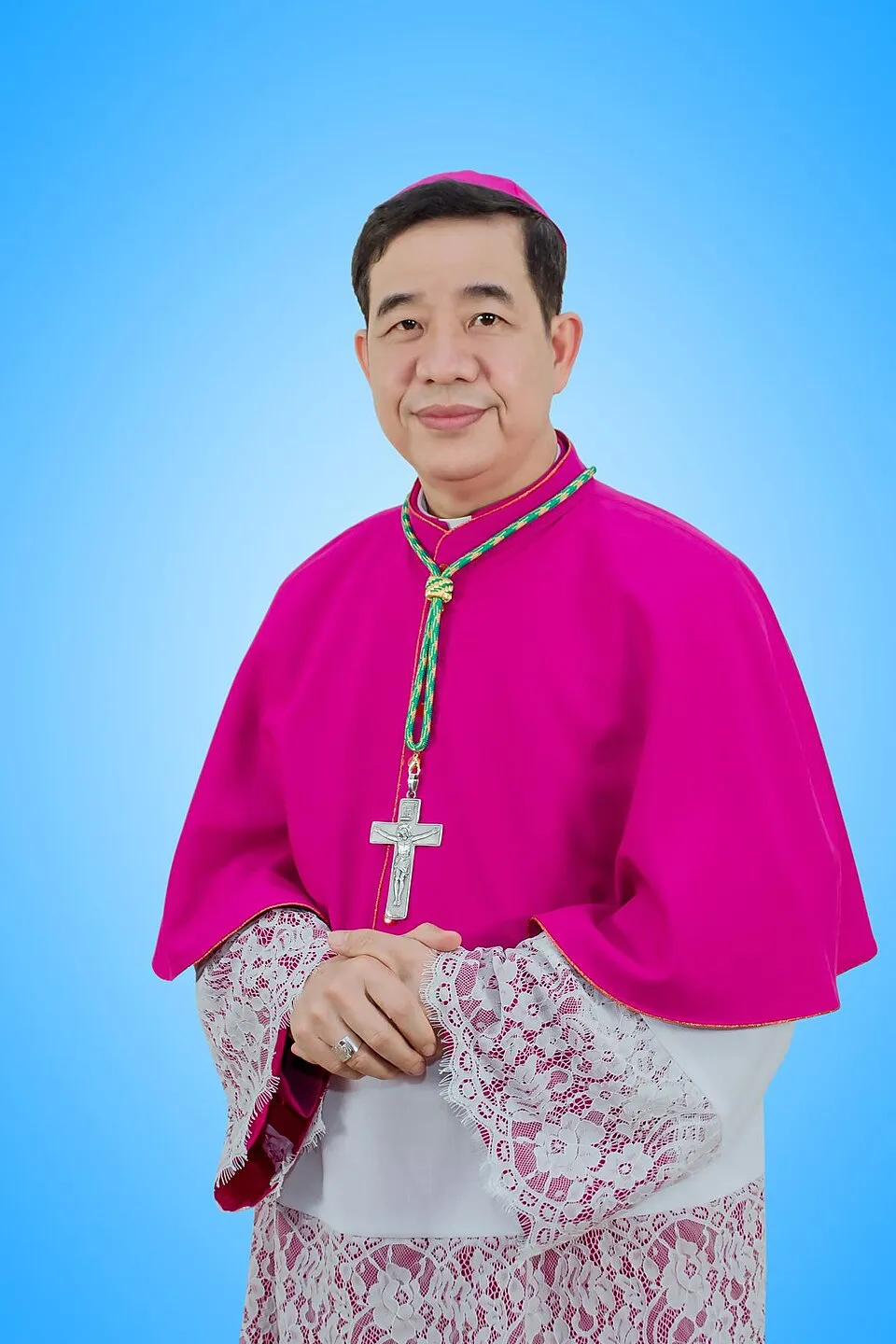
Vatican-Vietnam Relations: First Resident Papal Representative Appointed
Vatican-Vietnam relations have undergone significant evolution in 2024. Prior to this year, the Holy See was represented in Vietnam by non-resident papal representatives, and diplomatic relations were not at the ambassadorial level. The process of appointing new bishops required lengthy negotiations between the Vatican and Vietnamese authorities.
In early 2024, a historic milestone was reached with the appointment of Archbishop Marek Zalewski as the first resident papal representative to Vietnam. This development signifies a new era of direct dialogue and cooperation.
Ongoing work continues to improve bilateral relations and address the nomination process for bishops, making it more efficient and collaborative. For a deeper analysis of Vatican-Vietnam diplomatic relations and its implications, see the dedicated section.
Government Dialogue and Social Engagement (2023-2024)
High-level dialogue between the CBCV and the Vietnamese government intensified in 2023. In August 2023, Archbishop Joseph Nguyễn Năng met with President Võ Văn Thưởng to discuss areas of mutual concern and cooperation.
This meeting reflected the pastoral focus for 2024: fostering a positive, lawful, and active presence of the Catholic Church in Vietnamese society. Key engagement areas include:
- High-level dialogue: Regular consultations with state leaders to address religious freedom, Church rights, and social issues.
- Social initiatives: Caritas Vietnam and diocesan charities run disaster relief, poverty reduction, and healthcare programs serving all Vietnamese.
- Education: The Church operates numerous schools and supports religious education, contributing to national development.
- Healthcare: Catholic hospitals and clinics provide medical services, and bishops visit the sick to offer pastoral care.
These efforts demonstrate the bishops’ commitment to being responsible citizens while bearing witness to their faith.
Recent Ordinations and Ethnic Minority Inclusion
The CBCV continues the sacred tradition of ordaining priests and deacons to serve the faithful. In recent years, ordination ceremonies have been held regularly across the 27 dioceses, often presided over by the archbishop or bishop of the hosting diocese. A noteworthy trend is the increasing inclusion of candidates from Vietnam’s many ethnic minority groups.
These men bring their cultural heritage into the life of the Church, enriching the Vietnamese Catholic community. This practice reflects the CBCV’s commitment to inculturation—allowing the Gospel to take root in diverse local traditions while maintaining unity. The ordinations also highlight the growth of the Church in remote areas, where bishops travel extensively to provide sacramental life and formation.
The appointment of the first resident papal representative in 2024 stands out as the most surprising development, marking a historic turning point after decades of gradual diplomatic progress. This breakthrough opens new possibilities for the Church in Vietnam to engage more freely with the global Catholic community.
For anyone seeking to understand or support the work of Vietnamese bishops, the best next step is to visit the official CBCV website. There you will find up-to-date information on diocesan activities, committee projects, and opportunities to engage with the Church’s mission across Vietnam’s 27 dioceses.