Vietnam offers a profound spiritual landscape for 2026 visitors, blending deep Catholic devotion with ancient Buddhist traditions. The best pilgrimage sites in Vietnam include the revered La Vang Marian Shrine, the architecturally unique Phat Diem Cathedral, and the serene Yen Tu Mountain. This ranked guide provides an official overview of sacred sites for 2026, helping you plan a meaningful journey with expert commentary from Vietnamese bishops and pastoral directors on engaging with each location’s sacred significance.
- Vietnam uniquely combines Catholic and Buddhist pilgrimage sites within the same regions, especially Ninh Binh.
- The top three sites for 2026 are La Vang Marian Shrine, Phat Diem Cathedral, and So Kien Shrine, representing core Catholic devotion.
- Spring (festival season) and autumn (cool weather) are optimal, with specialized services like private Masses now available for Catholic visitors.
The Top 10 Pilgrimage Sites in Vietnam for 2026 (Ranked)
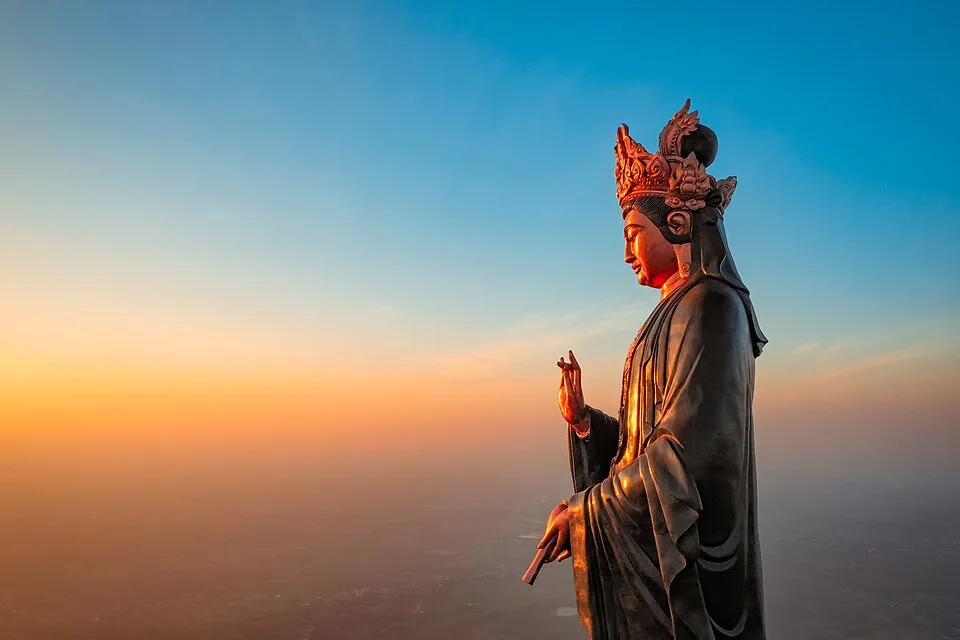
#1-3: The Top Tier – La Vang, Phat Diem, So Kien
1. La Vang Marian Shrine (Quang Tri) stands as the most significant Catholic pilgrimage site in Vietnam, considered the center of Marian devotion for Vietnamese Catholics, with the La Vang Pilgrimage 2026 providing comprehensive history and practical tips for visitors. According to bishops overseeing the shrine, pilgrims in 2026 are encouraged to participate in the daily rosary processions and the annual feast day on August 15, which draws hundreds of thousands.
The site commemorates the Virgin Mary’s reported apparition to persecuted Catholics in 1798. Visitor facilities include a large basilica, accommodation houses, and medical stations. Pastoral directors emphasize silent prayer in the sacred forest as a key practice for spiritual renewal.
2. Phat Diem Cathedral (Ninh Binh) features a unique architectural blend of Vietnamese temple design and European Gothic styles, making it a masterpiece of cultural synthesis. Constructed between 1875 and 1899 under Bishop Pierre Lamothe, the complex includes a stone church, multiple smaller chapels, and a bell tower surrounded by a peaceful lake.
Bishops note its importance as a symbol of inculturation—the Church’s adaptation to local culture. For 2026 visitors, guided tours explain the symbolic meaning behind each architectural element, from the dragon-adorned roofs to the stained-glass windows depicting biblical scenes in Vietnamese contexts.
3. So Kien Shrine (Ha Nam) is a major site honoring Vietnamese martyrs, often visited for relic ceremonies. The shrine houses the remains of several saints from the 19th-century persecutions.
Pastoral directors highlight the annual martyr’s feast in June as a particularly moving time for pilgrims, with processions and Masses that connect modern faithful to the sacrifices of the past. Facilities include a modern basilica, a museum detailing the martyrs’ stories, and quiet gardens for reflection. The site serves as a powerful reminder of faith under trial.
#4-7: Southern and Central Catholic Shrines Compared
| Site | Location | Historical Significance | Visitor Facilities |
|---|---|---|---|
| Saigon Notre-Dame Cathedral | Ho Chi Minh City | A central historical and cultural icon of Catholicism in southern Vietnam since 1880. It was built by French colonists and remains a symbol of the city’s heritage. |
Active parish with daily Masses in Vietnamese and English.
Limited seating; arrive early. No on-site accommodation. Surrounded by bustling urban area. |
| Nui Cui & Bai Dau Shrines | Dong Nai/Vung Tau | Important spiritual retreat centers known for peaceful prayer spaces. Nui Cui is associated with Marian apparitions; Bai Dau features a large statue of Our Lady. |
Retreat houses, camping grounds, picnic areas.
Basic but clean lodging. Popular for youth groups and family outings. Requires advance booking for large groups in 2026. |
| Tan Dinh Church | Ho Chi Minh City | Famous for its distinct pink architecture (1870) and active religious community. One of the oldest churches in the city, serving a vibrant parish. |
Regular Mass schedule, confession times.
Small but charming grounds. No dedicated pilgrim facilities; best for brief visits and photography. |
| Thien An Monastery | Hue |
A peaceful Benedictine monastery set in a serene pine forest.
Founded in the 1940s, it offers a contemplative atmosphere distinct from urban shrines. |
Monastic guesthouse for overnight stays (reservation essential). Simple meals, guided meditation sessions.
Strict silence observed in certain areas. Ideal for spiritual retreats. |
These four sites cater to different pilgrimage styles in 2026.
Saigon Notre-Dame offers historical immersion in a metropolitan setting, while Nui Cui & Bai Dau provide expansive natural spaces for communal prayer. Tan Dinh appeals to those seeking aesthetic and cultural beauty, and Thien An Monastery is the premier destination for silent, contemplative retreats. Pastoral directors recommend pairing a visit to an urban shrine like Tan Dinh with a retreat at Thien An for a balanced experience of community and solitude.
#8-10: Buddhist Spiritual Centers – Yen Tu, Bai Dinh, Linh Ung
-
Yen Tu Mountain (Quang Ninh)
- Spiritual significance: The cradle of Vietnamese Truc Lam Zen Buddhism, where the 13th-century monk King Tran Nhan Tong attained enlightenment and founded the tradition.
- Key features: A complex of mountain temples accessed by cable car or a steep pilgrimage path. The peak features the iconic bronze statue of Buddha and the Bao Pagoda. The 2026 season includes special meditation retreats led by senior monks.
- Visitor tips: Allow 4-6 hours for the full ascent. Wear comfortable shoes. The cable car operates from 7:00 AM to 5:00 PM daily. Respectful attire (covered shoulders and knees) is required at all temples.
-
Bai Dinh Pagoda (Ninh Binh)
- Spiritual significance: The largest Buddhist temple complex in Vietnam, housing over 500 Buddha statues and the tallest bronze Buddha in Southeast Asia (110 meters). It is a major site for the annual Bai Dinh Pagoda Festival in spring.
- Key features: The complex includes the ancient original pagoda and the massive new complex. Highlights are the 100-ton bronze Buddha, the 27-meter tall Avalokiteshvara statue, and the 500 Arhat statues lining the corridors.
- Visitor tips: The site is vast; use the electric shuttle service. The festival (usually January–February) is extremely crowded; visit on weekdays in 2026 for a quieter experience. Donation boxes support temple maintenance.
-
Linh Ung Pagoda (Da Nang)
- Spiritual significance: Famous for the 67-meter Lady Buddha statue overlooking the sea, it is a symbol of protection for fishermen and a major tourist attraction that blends spirituality with scenic beauty.
- Key features: The pagoda sits on the Son Tra Peninsula with ocean views. The giant statue is visible from many parts of Da Nang. The complex includes smaller shrines, gardens, and a bell tower.
- Visitor tips: Easily accessible by taxi or motorbike from Da Nang city. Best visited in the morning for clear views. No entry fee, but donations are welcome. Combine with a visit to the nearby Monkey Mountain area.
Planning Your 2026 Pilgrimage: Timing, Services, and Key Hubs
Best Time to Visit in 2026: Spring Festivals vs Autumn Weather
Choosing when to visit depends on your priorities for pilgrimage tourism in Vietnam. Spring (January–March) is ideal for experiencing major festivals. The Bai Dinh Pagoda Festival in Ninh Binh and the La Vang Marian feast in August attract massive crowds but offer vibrant communal celebrations with processions, traditional music, and special Masses or chanting ceremonies.
Expect higher prices for accommodation and more crowded sites. Autumn (September–November) provides cool, dry weather perfect for visiting central locations like Hue’s Thien An Monastery or walking the mountain paths at Yen Tu. Crowds are thinner, allowing for more contemplative visits.
Pastoral directors recommend late October for a balance of good weather and post-festival tranquility. The lunar new year (Tet) in late January/early February sees many local families visiting temples, so expect closures or limited services at some Catholic sites.
Services Available: Private Masses and Guided Tours for Catholic Visitors
- Private Masses: Many parishes and shrines, including La Vang and So Kien, now offer private Masses for small pilgrimage groups. This requires advance booking through the shrine’s pastoral office or specialized providers. A stipend (donation) of 500,000–1,000,000 VND per Mass is customary in 2026.
- Guided Tours: Providers like Dong DMC (dongdmc.com) and Sanctum Pilgrimages (sanctumpilgrimages.com) offer English-speaking guides who explain the religious and historical context of each site, and their services are recommended in religious travel guides for Vietnam for planning Catholic pilgrimages. Their 2026 itineraries include behind-the-scenes access, such as visiting the relics room at So Kien or the private chapels at Phat Diem.
- Accommodation Assistance: For large groups, providers can secure lodging at pilgrim houses near major shrines, which often have limited capacity. Independent travelers can use the guesthouses run by religious orders, such as the one at Thien An, which charges approximately 300,000 VND per night for simple rooms.
These must be arranged weeks in advance.
These services enhance the pilgrimage by providing theological and cultural insights that might be missed during independent travel. They also handle logistical challenges like transportation between distant sites, which can be difficult with public transit.
Ninh Binh: A Vital Hub for Both Catholic and Buddhist Pilgrimages
Ninh Binh province serves as a vital hub for 2026 pilgrims, exemplifying Vietnam pilgrimage tourism by offering both Phat Diem Cathedral and the massive Bai Dinh Pagoda within a 30-kilometer radius. This geographical concentration allows travelers to experience two of the world’s major religions in a single base. The town of Ninh Binh has a range of hotels, guesthouses, and restaurants catering to international visitors.
Transport links are excellent: the province is a 2-hour drive from Hanoi via the newly expanded expressway, and local taxis or rented motorbikes can easily take pilgrims between the Catholic and Buddhist sites. Pastoral directors from the Diocese of Phát Diệm recommend spending at least two full days in the area—one for the cathedral and its surrounding chapels, and another for the pagoda complex.
They also suggest visiting the nearby Trang An UNESCO landscape, which includes small Buddhist grottoes, as a gentle third-day activity. The coexistence of these sites in one province makes Ninh Binh the most efficient starting point for a dual-faith pilgrimage itinerary in northern Vietnam.
What Should Pilgrims Know About Vietnam’s Religious Context in 2026?
Top 5 Religions in Vietnam: 2026 Demographic Overview
| Religion | Percentage (2026) | Key Regions/Practices |
|---|---|---|
| Irreligion / Folk religion | 76.5% | Widespread; includes ancestor veneration, spirit worship, and local deities. Often practiced alongside Buddhism or Catholicism. |
| Buddhism | 13.3% | Predominant in central and southern regions. Mahayana tradition is most common, with significant Zen (Thiền) schools like Truc Lam. |
| Catholicism | 6.60% | Strongest in the north (e.g., Phát Diệm, La Vang areas) and among certain ethnic minorities. Over 7 million faithful across 27 dioceses. |
| Hoahao Buddhism | 1.40% | Concentrated in the Mekong Delta. A reformist movement emphasizing simplicity and social charity. |
| Caodaism | 1.00% | Unique syncretic religion combining Buddhism, Christianity, Taoism, and Confucianism. Holy See in Tay Ninh province. |
| Protestantism | 1.00% | Growing rapidly, especially among ethnic minorities in the Central Highlands and northern mountains. |
For pilgrims, this means Vietnam is a majority non-religious or folk-religious society, but with deeply rooted Buddhist and Catholic communities. Catholic pilgrims will find their coreligionists primarily in specific northern and central dioceses, while Buddhist sites are more nationally distributed.
Understanding this helps manage expectations—major Catholic shrines are in regions with higher Catholic populations, whereas Buddhist temples can be found almost everywhere. The small percentages for Hoahao and Caodaism highlight Vietnam’s unique spiritual diversity; visitors interested in these faiths should specifically plan for Tay Ninh province.
Religious Freedom in Vietnam: Government Policy and Visitor Experience
Vietnam’s Constitution expressly protects the right of “non-belief” as well as “belief.” The government is secular and does not favor any particular religion. This legal framework allows foreign pilgrims to practice their faith freely at recognized sites. However, all religious activities must be registered with the state.
For visitors, this means attending public Masses or Buddhist ceremonies is straightforward, but organizing large private events may require coordination with local authorities through a registered organization. The common misconception, reflected in the question “What religion does Vietnam not like?”, is unfounded; the state’s policy is one of regulated freedom, not preference or persecution.
In practice, Catholic and Buddhist major sites operate openly and receive thousands of international visitors annually without incident. Pilgrims should respect local regulations, such as not proselytizing outside designated areas, but will generally find a welcoming environment for their devotional practices.
Cultural Symbolism: The Meaning of 888 in Vietnamese Culture
The number 8 is considered extremely lucky in Vietnamese culture because its pronunciation (“bát”) sounds similar to the word for “prosperity” or “wealth” (“phát”). Therefore, the sequence 888 symbolizes triple prosperity, wealth, and good fortune. You will see this number frequently in temple donation boxes, on architectural details, and in phone numbers.
For pilgrims, understanding this symbolism is a sign of cultural respect. When making donations at Buddhist temples like Bai Dinh or Linh Ung, or even at Catholic shrines that incorporate local customs, giving an amount containing 8s (e.g., 88,000 VND or 888,000 VND) is considered auspicious and thoughtful.
Some hotels and airlines also use 888 in their branding to attract Vietnamese customers. Pilgrims should not feel pressured to give specific amounts, but recognizing the cultural weight of 888 helps avoid unintentional offense and fosters positive interactions with local faithful and temple staff.
The most surprising finding for 2026 planners is how Vietnam’s geography enables rare interfaith reflection. Catholic and Buddhist pilgrimage sites often exist within the same provinces, like Ninh Binh, allowing travelers to experience two profound spiritual traditions in close proximity. This coexistence mirrors Vietnam’s historical religious landscape and offers a unique opportunity for comparative spiritual study.
For a specific action step, plan a dual-faith itinerary starting in Ninh Binh, as detailed in Catholic Pilgrimage Routes in Vietnam tracing faith through history. Spend the first day at Phat Diem Cathedral, attending Mass and touring the architectural complex. The next day, visit Bai Dinh Pagoda, walking its vast grounds and observing Buddhist chanting.
This short 30-kilometer journey provides a deep dive into both traditions. Contact the Diocese of Phát Diệm or a specialized provider like Dong DMC for 2026 group arrangements that include both sites with appropriate religious sensitivity.
Frequently Asked Questions About Best Pilgrimage Sites In Vietnam
What are the top 5 religions in Vietnam?
Irreligion/folk religion (76.5%)
Buddhism (13.3%)
Catholicism (6.60%)
Hoahaoism Buddhism (1.40%)
Caodaism (1.00%)
Protestantism (1.00%)
Others (0.20%)
What religion does Vietnam not like?
The secular Government does not favor a particular religion. The prominent traditional position of Buddhism does not affect religious freedom for others adversely, including those who wish not to practice a religion. The Constitution expressly protects the right of "non-belief" as well as "belief."
What does 888 mean in Vietnam?
The number 8 is considered lucky in Vietnam. So 888 means prosperity, wealth, and good luck.