The Vietnamese saints, canonized by Pope John Paul II on June 19, 1988, comprise 117 martyrs who died between 1745 and 1862 and are celebrated liturgically on November 24. Their unwavering faith during persecution under the Trịnh, Tây Sơn, and Nguyễn dynasties has made them enduring spiritual models for Vietnamese Catholics worldwide. This guide explores their historical background within the history of Vietnamese Catholicism, liturgical veneration, and the ways their legacy continues to shape Catholic identity in Vietnam and the diaspora.
- The 117 canonized martyrs include 96 Vietnamese, 11 Spanish Dominicans, and 10 French members of the Paris Foreign Missions Society, with St. Agnes Lê Thị Thành as the only laywoman.
- Their liturgical feast on November 24 blends Catholic ritual with Vietnamese cultural practices like incense offering and processions, reflecting inculturation.
- The martyrs’ legacy thrives in modern Vietnam and diaspora communities through shrines, relics, and connection to Our Lady of La Vang, inspiring new generations.
The Vietnamese Martyrs: Who Are the 117 Canonized Saints?
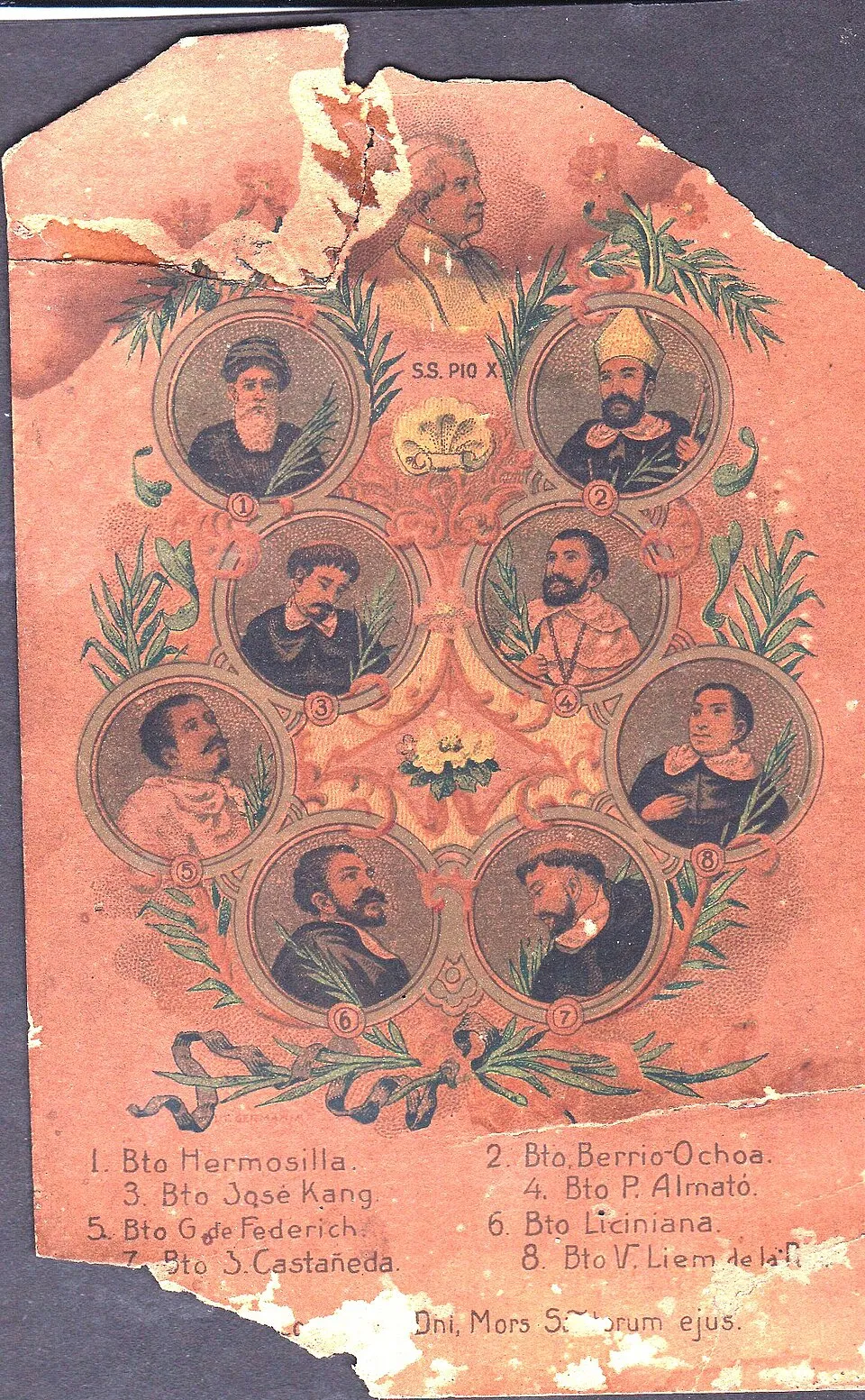
The canonization of 117 martyrs by Pope John Paul II in 1988—a momentous 1988 canonization ceremony—represents a pivotal moment for the Catholic Church in Vietnam, officially recognizing a diverse group of faithful who died during centuries of persecution. This group, which includes both Vietnamese and foreign missionaries, serves as the core of the Vietnamese saints venerated today. Understanding their composition, key figures, and historical timeline provides essential context for their liturgical and spiritual significance.
Composition and Diversity: 96 Vietnamese, 11 Spanish Dominicans, 10 French
- Total canonized: 117 martyrs
- Nationality breakdown: 96 Vietnamese, 11 Spanish Dominicans, 10 French members of the Paris Foreign Missions Society (MEP)
- Lay representation: St. Agnes Lê Thị Thành is the only laywoman among the 117 canonized martyrs
- Ecclesiastical roles: The group includes bishops, priests, catechists, and laypeople (men and women)
This composition highlights the collaborative nature of the early Vietnamese Church, where local Vietnamese faithful and foreign missionaries shared the ultimate sacrifice. The presence of Spanish Dominicans and French MEP members underscores the international missionary effort, while the majority Vietnamese representation affirms the growth of an indigenous Christian community willing to die for its faith.
Key Figures: St. Andrew Dũng-Lạc, St. Agnes Lê Thị Thành, and St.
Among the 117, three figures often stand out for their representative stories. St. Andrew Dũng-Lạc, a Vietnamese diocesan priest, was beheaded in 1839 and lends his name to the liturgical feast.
St. Agnes Lê Thị Thành, a mother of six, is honored as the courageous laywoman among the canonized, embodying the witness of ordinary families. St.
Joseph Marchand, a French missionary, suffered the brutal “death by a thousand cuts,” exemplifying the extreme cruelty endured by many. Their varied backgrounds—a native priest, a lay mother, and a foreign missionary—illustrate the broad spectrum of the martyrdom experience.
Historical Timeline: Martyrdom Between 1745 and 1862
The 117 canonized martyrs died within the specific period from 1745 to 1862, spanning the final years of the Trịnh lords’ rule, the chaotic Tây Sơn rebellion, and the early Nguyễn dynasty. This timeline captures the most intense, state-sponsored persecutions that targeted the Catholic community, with the Nguyễn emperors implementing particularly severe anti-Christian edicts in the 19th century, a hallmark of the Nguyễn dynasty persecution.
The Broader Persecution: Estimated 130,000-300,000 Martyrs
While the Church officially canonizes 117 saints, historical accounts estimate that between 130,000 and 300,000 Vietnamese Christians were martyred over approximately 300 years of persecution, a chronology of faith across centuries that underscores the scale of sacrifice. This vast number includes countless unnamed faithful whose sacrifice is symbolized by the canonized group. The canonization of both known and unknown martyrs, as decided by Pope John Paul II, ensures that the entire spectrum of suffering is remembered in the single feast day, honoring the “seed of the Church” sown through blood.
How Are the Vietnamese Saints Venerated in Liturgy and Culture?
The veneration of the Vietnamese saints is a vibrant blend of universal Catholic liturgy and deep Vietnamese cultural expressions. This inculturation is most visible in the annual feast, where rituals like incense offering and processions connect Catholic devotion to ancestral Vietnamese practices. Understanding this liturgical and cultural fusion reveals how the martyrs’ legacy is kept alive in a way that resonates with the local identity.
November 24: The Official Feast of St. Andrew Dũng-Lạc and Companions
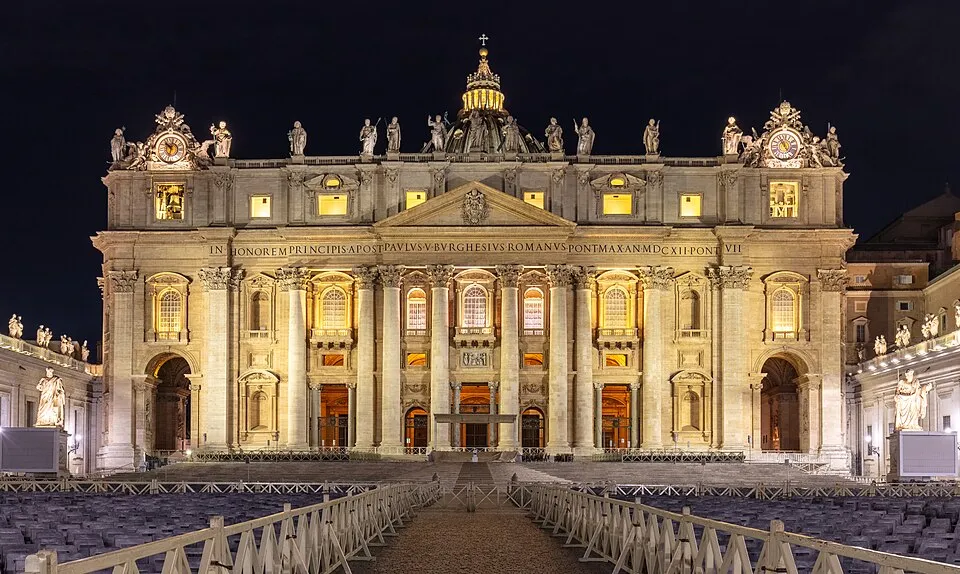
The universal Church celebrates the Memorial of Saint Andrew Dũng-Lạc and Companions on November 24 each year. This date was assigned to the General Roman Calendar following the canonization ceremony on June 19, 1988, in St. Peter’s Square.
The feast honors all 117 martyrs under the patronage of St. Andrew Dũng-Lạc, whose name leads the title. Before 1990, the Vietnamese Church locally commemorated the martyrs on the first Sunday of September, but the Vatican established November 24 as the unified date for global celebration, linking the Vietnamese experience to the wider Church’s calendar.
Incense and Processions: Blending Catholic and Vietnamese Ancestral Traditions
- Incense offering: A central act of veneration, borrowed from Vietnamese ancestral worship, symbolizing prayer rising to heaven and honor for the saints.
- Processions: Public processions with statues or relics of the martyrs are common, mirroring traditional Vietnamese festival processions and creating a visible witness of faith in the community.
- Altar decorations: Martyr shrines often feature elaborate floral arrangements and offerings, integrating local aesthetics of beauty and respect.
- Family devotion: Practices like praying before home altars with images of the martyrs incorporate them into daily family spiritual life, similar to honoring ancestors.
These practices demonstrate a profound inculturation, where Catholic devotion is expressed through culturally meaningful forms. The use of incense and processions, in particular, allows Vietnamese Catholics to honor the martyrs in a way that feels familiar and deeply respectful, bridging the gap between their heritage and their faith.
Historical Celebration: The First Sunday of September in Vietnam
Prior to the Vatican’s 1990 decree, the Catholic Church in Vietnam celebrated the feast of the martyrs on the first Sunday of September. This local calendar date allowed for a distinct national celebration that could be more easily integrated with the Vietnamese seasonal and cultural rhythm. The shift to November 24 unified the Vietnamese commemoration with the universal Church, but the memory of the September celebration persists as part of the living tradition, especially among older generations and in diaspora communities that maintain older customs.
Vietnamese Folk Religion: The Four Immortals in Cultural Context
Vietnamese folk religion venerates figures like the Four Immortals (Saint of Tản Viên Mountain, Chu Đông Tử, Heavenly General of Phú Đồng, Holy Mother Liễu Hạnh). These deities represent a traditional spiritual landscape separate from, yet coexisting with, Catholic practice. The Catholic veneration of the Vietnamese martyrs exists alongside such traditions.
Many Vietnamese Catholics, while devout, may also hold cultural respect for these folk figures, illustrating the complex religious syncretism in Vietnam. The martyrs’ cult, however, remains distinctly Christian, focusing on witness to Christ, even as it employs culturally resonant forms like processions.
Spiritual Legacy and Contemporary Devotion
The legacy of the Vietnamese martyrs extends far beyond historical memory; it is a living force that shapes Catholic identity today. From physical shrines to spiritual inspiration and modern candidates for sainthood, the martyrs continue to guide and unite Vietnamese Catholics both in their homeland and across the global diaspora.
Relics and Shrines: From Vietnam to California’s Diaspora Communities
- Parish shrines in Vietnam: Many local parishes maintain relics or statues of the martyrs, serving as focal points for community prayer and feast day celebrations.
- Major shrines abroad: Regions with large overseas Vietnamese populations, particularly California in the United States, host significant shrines and parishes dedicated to the martyrs.
- National shrines: Specific sites in Vietnam, such as the Martyrs’ Shrine in Nha Trang, attract pilgrims year-round, especially around November 24.
- Diaspora connection: For Vietnamese communities abroad, these shrines are vital links to their cultural and religious heritage, helping preserve faith across generations in a new cultural context.
The physical presence of relics and shrines makes the martyrs’ sacrifice tangible. For the diaspora, especially in places like California, these sacred spaces function as cultural and spiritual anchors, allowing communities to practice their faith in a familiar, incarnational way that reinforces their identity.
Our Lady of La Vang: The Martyrs’ Marian Devotion
The Vietnamese martyrs are often venerated alongside Our Lady of La Vang, a Marian apparition believed to have occurred during the height of persecution in the late 18th/early 19th century. According to tradition, the Blessed Virgin Mary appeared to Catholics hiding in the jungle of La Vang, offering them comfort and guidance.
This deep Marian devotion provided spiritual sustenance during the darkest times of persecution. The connection between the martyrs and Our Lady of La Vang is natural: both are seen as sources of strength and hope for the suffering Church in Vietnam, and their feasts and devotions are frequently celebrated together in parishes.
Cardinal Nguyen Van Thuan: A Modern Vietnamese Saintly Candidate
Integrating the question “Is Nguyen Van Thuan a saint?” requires clarifying his current status. Cardinal Francis-Xavier Nguyễn Văn Thuận, a prominent Vietnamese cardinal, died in Rome in 2002. His cause for canonization began shortly after his death.
In 2017, Pope Francis declared him “Venerable,” a significant step toward sainthood that recognizes his heroic virtue. He is not yet a canonized saint, but he is a highly revered candidate whose life of faith—including his long imprisonment by the communist government—resonates with the martyr spirit. His cause is followed closely by Vietnamese Catholics worldwide as a continuation of their Church’s sanctity.
Passing Faith to New Generations: Martyrs as Cultural Bridge
The stories of the Vietnamese martyrs serve as a powerful bridge for second- and third-generation Vietnamese Catholics, particularly in diaspora communities. These narratives connect younger members to their ancestral faith and cultural heritage, providing a concrete example of courage and fidelity.
In a modern context often distant from the experience of persecution, the martyrs’ witness offers a clear, inspiring identity. Parishes use feast day celebrations, religious education, and family storytelling to transmit this legacy, ensuring that the “blood of the martyrs” continues to be a seed for new growth in the Church.
The most profound insight is that the Vietnamese martyrs’ witness has evolved from a historical event of persecution into a living, adaptable tradition. It manifests differently—from incense-filled processions in rural Vietnam to shrine visits in suburban California—but consistently nourishes Catholic identity.
For anyone seeking to understand the soul of Vietnamese Catholicism, attending a feast day liturgy on November 24, visiting a martyr shrine, or learning the specific stories of saints like Andrew Dũng-Lạc or Agnes Lê Thị Thành offers a direct, powerful connection to this enduring spiritual legacy. The Catholic Bishops’ Conference of Vietnam provides further resources on how these saints shape the Church today.
Frequently Asked Questions About Vietnamese Saints
How many Vietnamese martyrs were canonized?
117 Vietnamese martyrs were canonized.
What is the time span of the martyrdom of the Vietnamese saints?
The years of martyrdom span from 1745 to 1862.
What are the historical periods of persecution against Vietnamese Catholics?
The persecutions occurred during the Trịnh dynasty (1745-1862), Tây Sơn rebellion period (late 18th to early 19th century), and Nguyễn dynasty persecutions (early to mid-19th century, culminating 1862).
How many Vietnamese martyrs were canonized as saints?
117 Vietnamese martyrs were canonized.
What is the full time span of the Vietnamese martyrs' deaths?
The years of martyrdom span from 1745 to 1862.