In March 2026, over 5,000 young Catholics gathered at the Hanoi Archdiocesan Youth Congress under the theme “Come and Remain,” marking a pivotal moment in Vietnam’s Catholic youth ministry. This massive gathering reflects the Catholic Bishops’ Conference of Vietnam’s designation of 2026 as the “Year of Every Christian as a Missionary Disciple,” signaling a strategic shift toward equipping youth as active evangelizers rather than passive participants.
The energy from this event is driving new initiatives across Vietnam’s 27 dioceses to engage the next generation in meaningful faith formation and missionary work. For comprehensive coverage of Church activities, see the latest Catholic news Vietnam updates.
- 5,000+ young Catholics participated in the March 2026 Hanoi Youth Congress, demonstrating the scale of youth engagement in Vietnam.
- The Eucharistic Youth Movement (EYM) remains the primary formation structure, combining weekly catechism, Sunday Mass, and community service.
- Vietnam’s Catholic Church faces challenges like secularization and aging clergy but is responding with a three-year pastoral plan (2025-2028) to transform communities into missionary centers.
2026 Missionary Disciple Year: How Vietnam’s Catholic Church is Reimagining Youth Engagement

5,000+ Youth at Hanoi Congress: ‘Come and Remain’ Theme Sparks Missionary Zeal
- Event Scale: Over 5,000+ young Catholics participated in the March 2026 Hanoi Archdiocesan Youth Congress, one of the largest youth gatherings in Vietnam’s recent Catholic history.
- Theme Focus: The congress centered on the theme “Come and Remain”, emphasizing missionary discipleship and calling youth to deeper communion with Christ before going out to evangelize.
- Spiritual Activities: Programming highlighted prayer, Eucharistic adoration, and the Way of the Cross as foundations for missionary zeal.
- National Significance: This event demonstrated the Catholic Church’s capacity to mobilize youth across Vietnam’s 27 dioceses around a unified missionary vision.
The Hanoi Congress exemplifies the 2026 “Year of Every Christian as a Missionary Disciple” in action. By combining large-scale worship with formation focused on evangelization, the Church is reimagining youth ministry from passive participation to active missionary sending. The emphasis on Eucharistic adoration and the Way of the Cross roots missionary zeal in traditional Catholic spirituality while pushing youth to bring faith into everyday contexts.
This model is now being adapted across dioceses to sustain momentum throughout the designated year, with developments chronicled in Catholic news Vietnam. The CBCV Updates page tracks how this missionary vision unfolds across different regions.
EYM as Primary Formation: Weekly Catechism, Mass, and Service
The Eucharistic Youth Movement (EYM) serves as the backbone of Catholic youth formation across Vietnam, operating in parishes nationwide. This structured program integrates three essential elements: weekly catechism classes for doctrinal formation, active participation in Sunday Mass to nurture liturgical spirituality, and organized community service projects that translate faith into action. In the context of the 2026 “Year of Every Christian as a Missionary Disciple,” EYM’s framework naturally supports the shift toward active evangelization.
The community service component, in particular, prepares youth to witness to their faith in secular spaces, while the regular rhythm of catechism and Mass provides the theological and spiritual grounding needed for sustained missionary work. Vietnamese dioceses are now emphasizing how each EYM activity contributes to forming not just believers, but missionary disciples ready to engage Vietnam’s rapidly changing society. The Vietnam Bishops Conference provides leadership for this unified approach to youth formation.
How is Vietnam’s Catholic Church Training Youth Animators and Seminarians?
Seminaries Integrate Youth Animator Training: Preparing Lay Leaders for Ministry
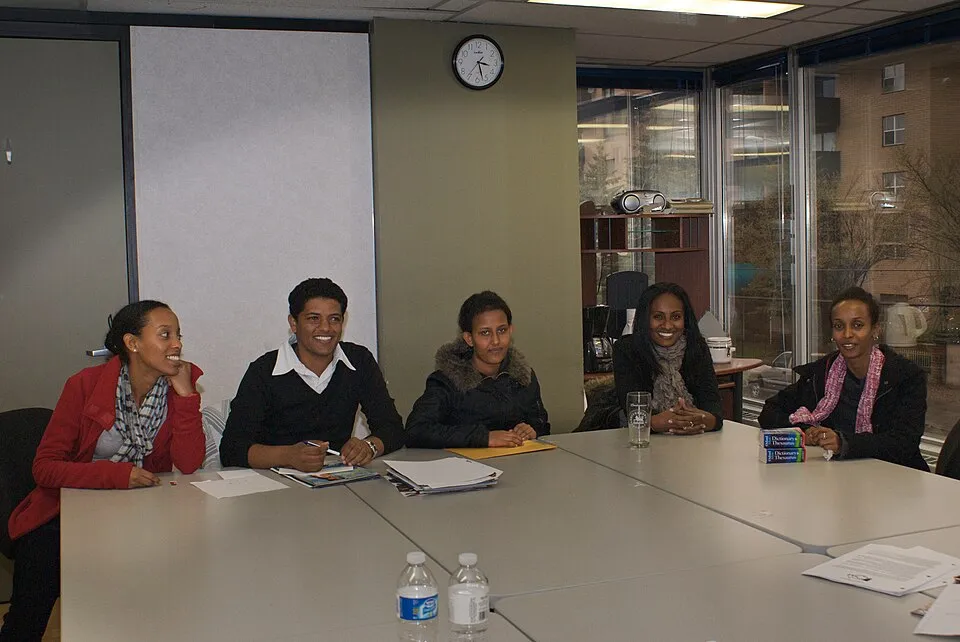
Vietnamese seminaries are undergoing a significant transformation in how they prepare future Church leaders. The first major shift involves integrating youth animator training programs into seminary curricula, specifically equipping priests and lay leaders with skills to engage young people effectively. The second, equally important shift is the missionary conversion of priests from administrators to trainers—redefining the priestly role from sacramental administration to forming missionary disciples.
Together, these changes address the critical shortage of young clergy by empowering lay leaders while reorienting all clergy toward multiplication rather than maintenance. This strategic investment ensures that as the Church grows, it will have leaders capable of sustaining youth ministry momentum across Vietnam’s diverse dioceses. For details on related formation initiatives, see Vietnam Catholic youth initiatives.
Living Gospels Initiative: Faith Integration in Schools, Families, Workplaces
The “Living Gospels” initiative represents a practical outworking of the 2026 missionary focus, encouraging young Catholics to embody their faith in everyday environments where traditional Church presence is limited. In schools, students are forming prayer groups that meet during breaks, creating spaces for spiritual sharing amidst academic pressures. Within families, youth are being equipped to lead domestic evangelization, sharing Bible stories with younger siblings and facilitating family prayer times.
In workplaces, young professionals are finding ways to witness through ethical business practices and quiet testimony. This approach directly counters the secularization challenge by making faith visible and active in spaces where the Church has limited official access.
The initiative transforms everyday life into a mission field, aligning perfectly with the “Year of Every Christian as a Missionary Disciple” vision. Catholic educational institutions play a key role, as highlighted in Catholic education Vietnam resources.
Overcoming Challenges: Secularization, Migrant Youth, and the Three-Year Plan
Secularization, Limited Space, Aging Clergy: The Triple Challenge
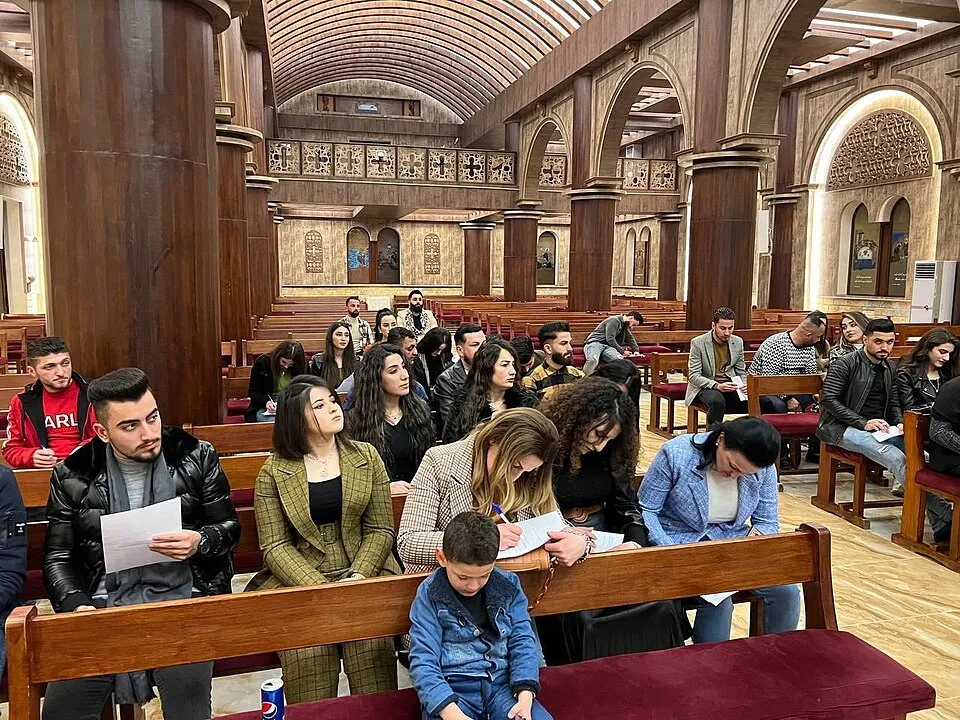
- Secularization & Consumerism: Growing materialism and consumer culture are displacing traditional religious practices among Vietnamese youth, reducing Mass attendance and sacramental participation. The Church responds by making faith more experiential and socially relevant through youth-led service projects and contemporary worship styles.
- Limited Public Space: Official restrictions on open evangelization in certain contexts force youth ministry to operate within parish boundaries, limiting outreach to the “unchurched.” The Church adapts by emphasizing personal witness and the “Living Gospels” approach, where youth evangelize through daily life rather than public events.
- Aging Church Leadership: With a shortage of young clergy and an aging priestly population, the burden of youth ministry falls increasingly on lay leaders, creating sustainability concerns. The response includes accelerated formation of youth animators and empowering lay leadership through the seminary training reforms mentioned earlier.
- Reaching the ‘Unchurched’: Young people in remote areas or those disconnected from parish life remain largely unreached by traditional ministry models. The migrant youth priority specifically targets this demographic, recognizing that internal migration creates new pastoral challenges.
These structural challenges require systemic solutions rather than isolated programs. The three-year pastoral plan (2025-2028) addresses them by transforming parishes into missionary communities where every member, especially youth, sees themselves as sent. The focus on migrant youth acknowledges that Vietnam’s rapid urbanization is fragmenting traditional parish structures, requiring new models of accompaniment.
By integrating youth animator training and the Living Gospels initiative, the Church is building a distributed leadership model that can operate beyond the constraints of limited clergy and restricted public space. The Official Catholic Documents page provides access to the full pastoral plan text.
Migrant Youth Priority and Three-Year Plan: Pathways to 2028
The Catholic Church in Vietnam has identified pastoral care for young migrants as a strategic priority for church renewal across Asia. Internal migration from rural areas to cities like Hanoi and Ho Chi Minh City has created a generation of young Catholics disconnected from their home parishes, often living in marginal conditions with limited access to sacraments. Recognizing this, dioceses are establishing migrant youth centers and forming outreach teams specifically for this population.
This priority directly feeds into the three-year pastoral plan (2025-2028) that aims to transform all parishes into missionary communities. The plan provides the structural framework—training, resources, and vision—while the migrant youth focus ensures the mission reaches those most vulnerable to disaffiliation. Together, they create a synergistic approach: the pastoral plan builds capacity for missionary discipleship, and the migrant youth priority directs that capacity toward the most urgent demographic need.
This combined strategy positions the Church to address both the structural challenges of aging leadership and the pastoral challenge of reaching youth in transition. The alignment with broader Church direction is reflected in recent Holy See Messages to Vietnam.
Most surprising: Despite the triple challenges of secularization, limited space, and aging clergy, Vietnam’s Catholic youth ministry is not only surviving but thriving—witness the 5,000+ young Catholics who gathered in Hanoi in March 2026.
This scale of engagement demonstrates that when youth are equipped as missionary disciples rather than passive recipients, they respond with remarkable energy.
To sustain this momentum, international Catholic organizations should prioritize funding for youth animator training programs in Vietnamese seminaries. Supporting these formation initiatives will create a sustainable pipeline of lay leaders capable of multiplying ministry capacity across all 27 dioceses, ensuring the “Year of Every Christian as a Missionary Disciple” becomes a lasting transformation rather than a temporary program.