On June 19, 1988, Pope John Paul II canonized 117 Vietnamese martyrs in St. Peter’s Square, marking a historic moment for the Catholic Church in Vietnam and the global diaspora. This ceremony defied explicit opposition from Vietnam’s Communist government, which had asked Catholics not to celebrate.
The canonization simultaneously united Vietnamese Catholics worldwide while creating diplomatic friction with Hanoi. For millions of Vietnamese believers, this event validated their faith heritage and connected them to a legacy of persecution and resilience that began centuries earlier.
- The 1988 canonization honored 117 martyrs (96 Vietnamese, 11 Spanish, 10 French) who died between 1745-1862.
- Pope John Paul II defied Vietnam’s Communist government, with thousands of overseas Vietnamese attending the Rome ceremony.
- The event established the November 24 feast day and strengthened Vietnamese Catholic identity globally.
The 1988 Canonization Ceremony: Pope John Paul II’s Historic Decision
June 19, 1988: Canonization in St. Peter’s Square
On June 19, 1988, St. Peter’s Square became the epicenter of a momentous event for Vietnamese Catholics worldwide.
Pope John Paul II presided over the canonization ceremony, declaring 117 martyrs as saints of the universal Catholic Church. The square overflowed with an estimated 300,000 attendees, including thousands of Vietnamese from the diaspora who had traveled to Rome despite significant obstacles. This ceremony represented one of the largest canonizations in modern Church history and demonstrated Pope John Paul II’s commitment to recognizing the global nature of sanctity.
The choice of St. Peter’s Square—the traditional site for major papal liturgies—emphasized the universal significance of these Vietnamese witnesses to faith.
The 117 Martyrs: 96 Vietnamese, 11 Spanish, 10 French
The international composition of the 117 canonized martyrs, central to the historical context and selection of the martyrs, reflects the collaborative nature of Catholic mission work in Vietnam. The 96 Vietnamese martyrs represent indigenous believers and clergy who embraced the faith introduced by European missionaries. The 21 foreign martyrs (11 Spanish Dominicans and 10 French missionaries) demonstrate the international dimension of the Church’s presence in Vietnam.
This diversity underscores a fundamental truth: sanctity transcends nationality. The group included both foreign missionaries who came to proclaim the Gospel and Vietnamese laity and clergy who lived and died for their adopted faith. For more context on how these martyrs fit into the broader History of Vietnamese Catholicism, see the official CBCV portal.
Thousands of Overseas Vietnamese Attend Amidst Communist Government Opposition
- Attendance: Thousands of overseas Vietnamese traveled from refugee communities across the United States, France, Australia, and other countries to witness the canonization in Rome, many carrying Vietnamese flags and traditional attire.
- Government opposition: Vietnam’s Communist government explicitly opposed the ceremony, with authorities asking Catholics within Vietnam not to celebrate or participate in any related events.
- Diplomatic protest: The canonization provoked angry reactions from Hanoi, which viewed the ceremony as interference in internal affairs and a challenge to the state’s authority over religious matters.
- Pope’s defiant stance: Pope John Paul II proceeded with the canonization despite Vietnamese objections, signaling the Vatican’s position that religious persecution history belongs to the universal Church’s memory, not state-controlled narratives.
- Diaspora unity: The ceremony became a powerful symbol of unity for Vietnamese Catholics living abroad, many of whom had fled persecution themselves or were descendants of refugees from the post-1975 exodus.
The government’s opposition highlighted ongoing tensions between the Holy See and Hanoi, which had no formal diplomatic relations at the time.
This political dimension actually amplified the ceremony’s emotional impact for attendees, who saw it as a vindication of their ancestors’ faith and their own refugee experience. The presence of so many overseas Vietnamese—some wearing traditional áo dài and carrying photographs of their martyred ancestors—transformed the Vatican ceremony into a transnational act of remembrance and defiance.
Who Were the 117 Vietnamese Martyrs?
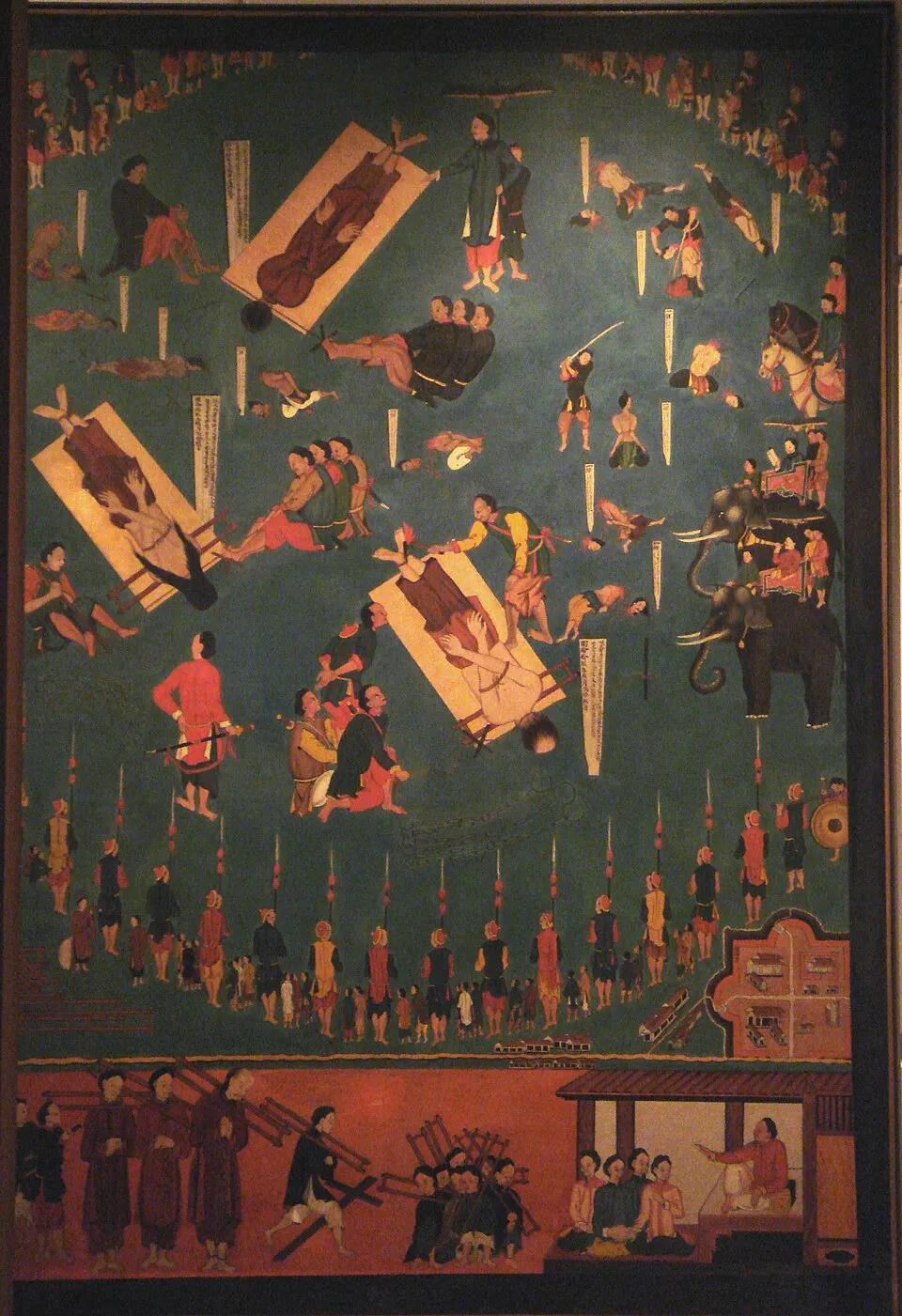
The 117 canonized martyrs were Christians killed for their faith during periods of intense persecution in Vietnam spanning from 1745 to 1862. These persecutions, part of the broader History of Vietnamese Catholicism, occurred under successive Vietnamese dynasties, particularly during the reigns of rulers who viewed Catholicism as a threat to traditional Confucian order and royal authority. The martyrs represent an estimated 100,000 to 300,000 Christians who suffered persecution over four centuries, though only 117 have been formally identified and canonized.
Many were executed through various means including beheading, strangulation, or exposure to harsh conditions. Their deaths occurred across different regions of Vietnam and involved both Vietnamese converts and foreign missionaries. The persecution waves, a direct result of Nguyễn Dynasty persecution, peaked in the early 19th century under Emperor Minh Mạng and his successors, who issued multiple edicts banning Catholic practices and ordering the destruction of churches.
Clergy and Lay Composition: 8 Bishops, 50 Priests, 59 Lay Catholics
| Ecclesiastical Role | Number |
|---|---|
| Bishops | 8 |
| Priests | 50 |
| Lay Catholics | 59 |
| Total | 117 |
The breakdown reveals a significant representation of ordinary laypeople—59 out of 117, or 50%—among the canonized martyrs. This composition underscores the Catholic Church’s teaching that sanctity is not reserved for clergy but is attainable by all baptized believers. The 50 priests and 8 bishops represent the hierarchical Church’s sacrifice, while the lay martyrs include catechists, mothers, fathers, and young people who refused to renounce their faith despite threats.
This diversity of roles demonstrates how persecution affected all levels of the Vietnamese Catholic community. The presence of so many lay martyrs also highlights the depth of evangelization and catechesis that had taken root in Vietnam before the persecutions. For a detailed chronology of these events, refer to Catholic Martyrs of Vietnam: A Chronology of Faith Across Centuries.
Saint Andrew Dũng Lạc: A Convert Priest and Patron Saint
Saint Andrew Dũng Lạc (ca. 1795-1839) stands as the most prominent figure among the Vietnamese Martyrs and serves as the Patron Saint of Vietnam. Born in Hanoi, he was a Catholic convert who received baptism as a young man and later discerned a vocation to the priesthood.
After his ordination, he served as a priest in Hanoi until his arrest during the persecution under Emperor Minh Mạng. He was martyred in 1839 after enduring multiple tortures and imprisonment. Andrew Dũng Lạc had been beatified separately before the 1988 canonization, along with other Vietnamese martyrs in four separate beatification ceremonies between 1900 and 1951.
His feast day, celebrated on November 24, is shared with all 117 martyrs. His life exemplifies the journey from catechumen to priest to martyr, making him an inspiring model for Vietnamese Catholics worldwide. The Vietnamese Saints: Spiritual Legacy and Liturgical Veneration page provides additional context on how these saints are venerated today.
Lasting Impact and Legacy
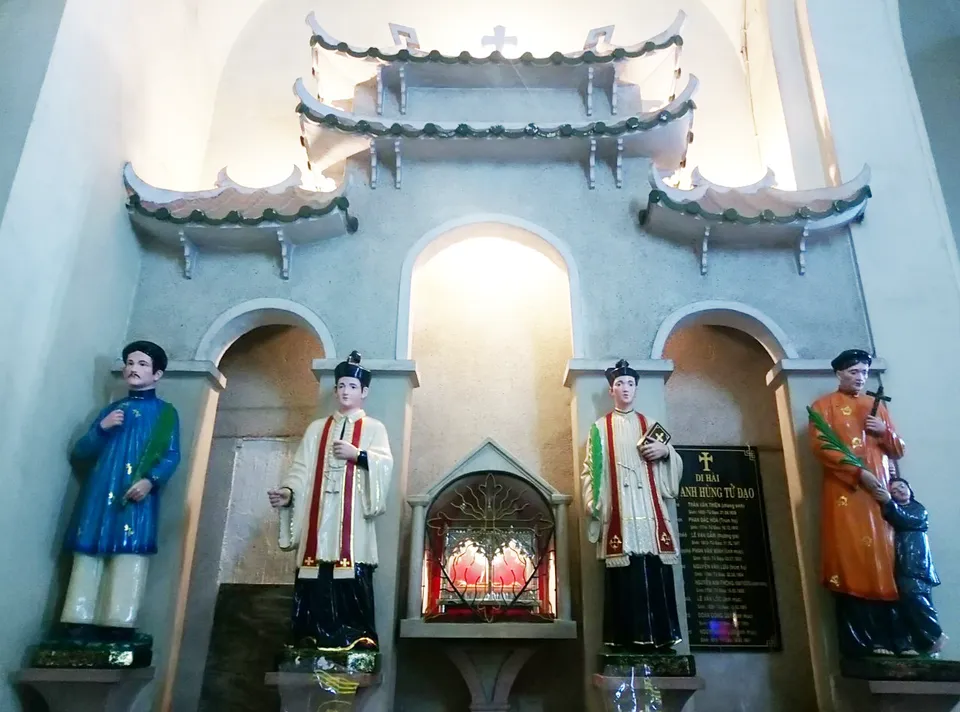
Feast Day Established: November 24 in the General Roman Calendar
The canonization of the Vietnamese Martyrs led to the establishment of their feast day in the General Roman Calendar on November 24. Before this universal recognition, the Vietnamese Church had commemorated the martyrs on the first Sunday of September from 1925 to 1990. The shift to November 24 aligns with the liturgical celebration of Saint Andrew Dũng Lạc and his companions.
This universal calendar entry means that Vietnamese Martyrs are honored in every Catholic church worldwide on that date, not just in Vietnamese communities. The liturgical recognition includes proper prayers, readings, and hymns that tell the story of their witness.
For Vietnamese Catholics, this feast day has become one of the most important celebrations of the year, often marked by special Masses, processions, and family gatherings that preserve the memory of their ancestors’ sacrifice. The feast serves as an annual reminder that the Catholic faith took deep roots in Vietnam despite centuries of persecution.
Strengthening Vietnamese Catholic Identity in the Diaspora
- Source of collective pride: The canonization provided Vietnamese Catholics worldwide with a moment of collective joy and validation, confirming that their ancestors’ sacrifices were honored by the universal Church.
- Faith reinforcement: For diaspora communities often struggling to maintain religious practice in secular societies, the martyrs’ example strengthened commitment to Catholic identity and tradition.
- Cultural connection: The ceremony and subsequent feast day celebrations connected younger generations born outside Vietnam to their cultural and religious heritage through shared stories and rituals.
- Symbol of resilience: The martyrs’ endurance under persecution became a powerful symbol for Vietnamese Catholics facing different kinds of challenges in their new countries, from discrimination to assimilation pressures.
- Community cohesion: The shared devotion to the Vietnamese Martyrs helped maintain parish vitality in diaspora communities, with many churches named after the martyrs serving as cultural anchors.
The canonization occurred at a pivotal moment when Vietnamese refugee communities were establishing themselves in new lands.
The recognition of their martyrs as universal saints gave these communities a prestigious place in the global Catholic map. Despite the fact that Catholics constitute only about 10% of Vietnam’s population today, the diaspora’s devotion to the martyrs has been remarkably vibrant. The Vietnamese Martyrs: The Untold Stories of Lay Faithful explores how lay Catholics contributed to this legacy.
International Recognition and Ongoing Government Tensions
The 1988 canonization represented a significant milestone for the universal Catholic Church, as it publicly honored the extraordinary faith and resilience of Vietnamese Catholics. The ceremony received widespread media coverage and was attended by representatives from numerous episcopal conferences, signaling global recognition of Vietnam’s Christian heritage. However, the Vietnamese government’s opposition to the canonization highlighted persistent tensions between Church and state.
Hanoi’s refusal to recognize the canonization—and its request that Catholics not celebrate—reflected the state’s ongoing suspicion of religious institutions that operate outside government control. These tensions have gradually eased over subsequent decades, but the canonization remains a touchstone in Vatican-Vietnam relations.
The event demonstrated that the Vatican would not subordinate its recognition of sanctity to political considerations, a stance that has implications for other countries where Catholics have faced persecution. The canonization thus stands as both a liturgical celebration and a diplomatic statement about the independence of religious conscience.
The most surprising aspect of the 1988 canonization is how it simultaneously unified Vietnamese Catholics worldwide while intensifying diplomatic friction with their homeland’s government. This dual outcome reveals the complex intersection of faith, identity, and politics in the Vietnamese Catholic experience.
For anyone seeking to understand the depth of Vietnamese Catholic heritage, studying the November 24 feast day celebrations offers direct insight into how this 1988 event continues to shape religious practice. Visit the Catholic Bishops’ Conference of Vietnam’s official website at cbcvietnam.org/history-of-vietnamese-catholicism for comprehensive information on Vietnamese Catholic history and the enduring legacy of the martyrs.
Frequently Asked Questions About Vietnamese Martyrs Canonization
When were the Vietnamese Martyrs canonized?
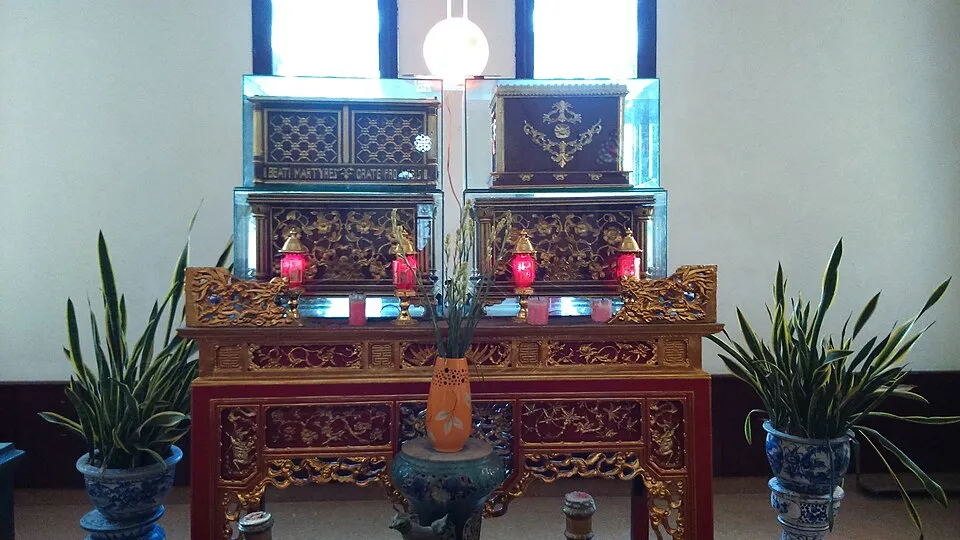
June 19, 1988. Pope John Paul II canonized 117 martyrs, including 96 Vietnamese, 11 Spanish, and 10 French.
Who was the Catholic martyr in Vietnam?
The Vietnamese Martyrs are the 117 individuals canonized in 1988, consisting of 8 bishops, 50 priests, and 59 lay Catholics.