Vietnamese bishops typically emerge from devout Catholic families, often beginning their parish service as altar boys or catechists. This pattern, rooted in a supportive ‘vocation basket’ community culture, continues today despite historical persecutions and modern state controls. The continuity from the first seminary in Ayutthaya (1665) to today’s 11,713 seminarians underscores the enduring vitality of Vietnamese Catholic vocations.
Currently, the Catholic Bishops’ Conference of Vietnam (CBCV) reports 11,713 seminarians across 8 major seminaries and a record 287 priestly ordinations in 2023. This article examines the common backgrounds, educational journeys, and formation experiences that shape Vietnamese bishops, exploring historical foundations and recent developments in priestly formation. The typical pathway includes an 8-year program after pre-seminary, emphasizing human, spiritual, intellectual, and pastoral dimensions.
- Most Vietnamese bishops come from deeply Catholic families and begin parish service as children, often as altar boys or catechists, within a supportive ‘vocation basket’ community culture that actively nurtures vocations.
- Historical formation traces back to the first seminary in Ayutthaya (1665-1666), with the first Vietnamese priests ordained in 1668 and the first bishop, John Baptist Nguyễn Bá Tòng, ordained in 1933 after training at St. Joseph Seminary Saigon.
- Today, 11,713 seminarians undergo 8-year programs across 8 major seminaries, emphasizing four dimensions (human, spiritual, intellectual, pastoral), with a record 287 ordinations in 2023 and a growing missionary ‘sent’ mentality that responds to government restrictions.
What Shapes the Early Vocations of Vietnamese Bishops?
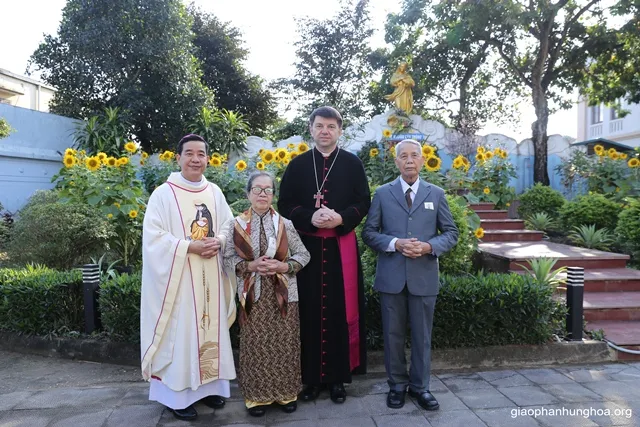
Family and parish: The two pillars of early vocation
Vietnamese bishops typically emerge from devout Catholic households where faith is lived daily through regular Mass attendance, family prayer, and religious icons in the home. These families provide the initial environment for vocation discernment, often with multiple members involved in church activities.
Many future bishops serve as altar boys from age 7 or 8, assisting at Mass and learning liturgical rites. Others become catechists in their early teens, teaching younger children and preparing peers for sacraments like First Communion and Confirmation.
This hands-on experience deepens their connection to the Church and develops leadership skills. The broader Catholic community acts as a “vocation basket,” collectively nurturing and supporting young people considering the priesthood.
Parishes organize vocation retreats, youth groups, and mentorship programs where older priests or religious brothers guide discernment. According to Saigon Archdiocese reports, this communal approach means that a candidate’s entire parish often prays for and encourages his vocation, creating a network that sustains him through years of formation.
The combination of strong family faith and active parish participation creates a fertile ground for vocations. This dual support system helps candidates develop a genuine calling that withstands external pressures.
Even during periods of persecution, this community network provided cover and encouragement for those seeking priesthood, as noted by Vatican News. The “vocation basket” culture ensures that potential candidates are identified early and given opportunities to serve, making the transition to seminary a natural progression rather than a radical break.
Navigating persecutions and state controls: Formation under pressure
Historical persecutions, particularly during the 18th and 19th centuries under emperors like Minh Mạng and Tự Đức, forced formation to adapt. Seminaries often operated in secrecy or relocated to remote areas, fostering resilience among candidates.
Priests and seminarians had to study in hidden locations, sometimes moving every few months to avoid detection by authorities who viewed Christianity as a foreign threat. This nomadic training forged a spirit of perseverance that influenced later generations of bishops, teaching them to be resourceful and discreet.
In modern times, government restrictions on religious education require creative solutions. The state requires approval for seminary enrollment and monitors curriculum content. Formation programs incorporate training on legal frameworks for religious activities, ensuring candidates can navigate bureaucracy while maintaining Church identity.
Some dioceses partner with overseas institutions to supplement theological education, and seminarians may complete internships in parishes that operate within permitted boundaries. As UCANews reports, recent bishops have developed sophisticated approaches to engage with state authorities, ensuring formation continues even within constrained environments.
The leadership of bishops during the Vietnam War period exemplifies this resilience, as they navigated conflict while maintaining pastoral care. This history of operating under pressure has produced bishops who are adaptable, patient, and deeply committed to their faith despite obstacles. According to Vatican News, the Church in Vietnam has learned to thrive under pressure, with formation programs emphasizing courage and discretion as core virtues.
Historical Formation: From Ayutthaya to the First Vietnamese Bishop
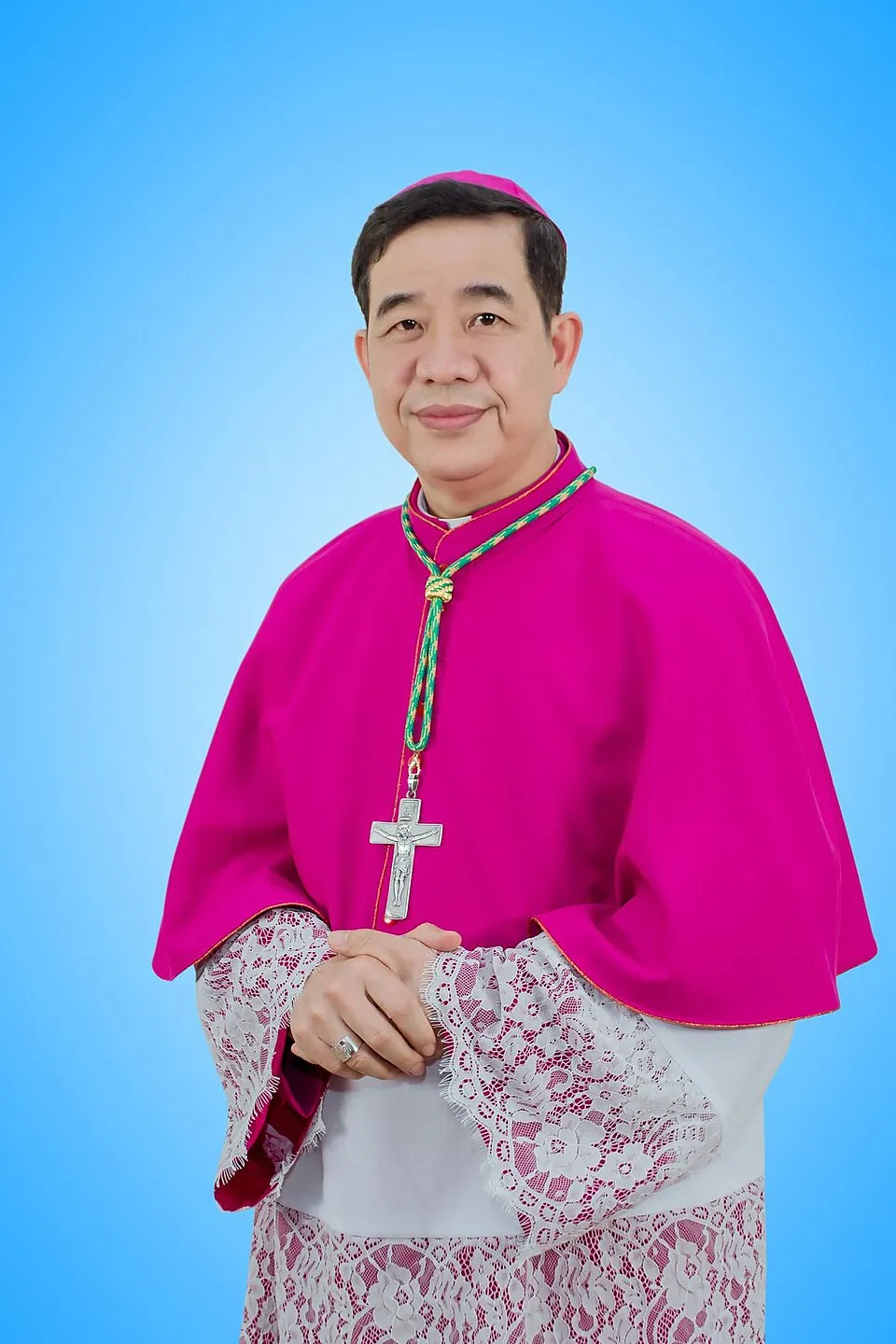
The first seminary in Ayutthaya (1665-1666) and nomadic formation
The first seminary was established in Ayutthaya, Siam (now Thailand), by French bishops Pierre Lambert de la Motte and François Pallu of the Paris Foreign Missions Society (MEP). This location was chosen because Vietnam lacked a stable environment for formation due to persistent persecutions.
The seminary in Ayutthaya served as a safe haven, allowing early Vietnamese candidates to receive systematic training in philosophy, theology, and spiritual life before returning home. The program typically lasted several years, combining academic study with practical pastoral experience in local Siamese communities.
For centuries after, formation remained nomadic. Seminarians often moved between locations within Vietnam to avoid detection by authorities, studying in private homes or remote villages. Some traveled to other Southeast Asian countries like Cambodia or Laos for additional training.
This period forged a spirit of perseverance that influenced later generations. The nomadic model required candidates to develop deep personal faith and adaptability, as they could not rely on permanent institutions.
The story of this first seminary is part of the broader narrative of bishops in French Indochina, which evolved from colonial partners to indigenous leaders. Research highlights how this nomadic model impacted the development of a local clergy, with bishops learning to lead without fixed structures—a skill that remains valuable today.
First Vietnamese priests (1668) and bishop (1933): Key milestones
- 1668: The first Vietnamese priests were ordained by foreign missionaries, marking the beginning of indigenous clergy and the gradual transition from foreign missionary dominance. These early priests, though few in number, became the nucleus for local Church leadership, often serving in secret and risking persecution to administer sacraments (vietcatholic.net).
-
1933: John Baptist Nguyễn Bá Tòng became the first Vietnamese bishop, ordained after completing his formation at St.
Joseph Seminary Saigon. This milestone symbolized the Church’s ability to produce its own bishops from native candidates, a significant step toward an indigenous hierarchy (CBCV, Saigon Archdiocese).
-
St.
St. Joseph Seminary’s legacy: Established in 1863 in Saigon (now Ho Chi Minh City) by the MEP, this seminary has formed 1,485 priests and 34 bishops, including Bishop Joseph Nguyễn Chí Linh, making it a cornerstone of Vietnamese Catholic leadership.
Many current bishops trace their formation to this institution, including Bishop Joseph Đỗ Quang Khang and Bishop Joseph Nguyễn Văn Bình, Shepherd of Bùi Chu. The seminary’s curriculum has evolved from classical Latin-based training to include modern theology and pastoral sciences, while maintaining a strong spiritual formation.
These milestones demonstrate the long journey toward an indigenous hierarchy. The nearly 265-year gap between the first priests (1668) and the first bishop (1933) reflects the slow but steady development of local clergy capable of episcopal leadership.
St. Joseph Seminary’s impressive output—nearly one-third of all Vietnamese bishops—shows how a single institution can shape a nation’s Church leadership for generations.
Modern Formation System: Scale, Structure, and Trends
Current scale: 8 seminaries, 11,713 seminarians, and 287 ordinations (2023)
| Metric | Historical (1889) | Current (2025) |
|---|---|---|
| Number of major seminaries | Not specified | 8 |
| Total seminarians | 1,243 | 11,713 |
| Dioceses served | Not specified | 26 |
| Priest ordinations (annual) | Not specified | 287 (2023) |
The growth from 1,243 seminarians in 1889 to 11,713 today reflects a remarkable expansion—a nearly tenfold increase over 136 years—despite historical challenges and modern restrictions. The 8 regional major seminaries are distributed across Vietnam, serving all 26 dioceses and indicating a well-structured formation system.
This scale positions Vietnam as a vocation powerhouse in Asia, with ordination numbers consistently high. The 287 ordinations in 2023 represent a record, surpassing pre-pandemic levels and demonstrating the vitality of the Church’s vocation efforts.
Data from the Catholic Bishops’ Conference of Vietnam (2025) shows that these seminaries are strategically located in key cities: the North (Hanoi area), Central (Huế, Đà Nẵng), and South (Saigon, Cần Thơ). Each seminary receives candidates from several dioceses, fostering a national sense of communion.
For a comprehensive overview of Vietnamese bishops and their dioceses, see the CBCV’s directory. The high number of seminarians also reflects the “vocation basket” culture, where parishes actively encourage and support young men in discernment, often funding their education through community contributions.
8-year program with 4 dimensions and emerging missionary focus
Formation programs last 8 years after pre-seminary (which includes high school and philosophical studies), following the Vatican’s Ratio Fundamentalis Institutionis Sacerdotalis model adapted to Vietnamese context. The curriculum emphasizes four integrated dimensions:
- Human: Personal maturity, emotional intelligence, community living skills, and physical health. Seminarians participate in sports, group dynamics workshops, and psychological evaluations to ensure well-rounded development.
- Spiritual: Daily prayer, spiritual direction, annual retreats, and devotion to Mary and Vietnamese saints. The spiritual formation aims to cultivate a deep, personal relationship with God that sustains priests through future challenges.
- Intellectual: Two to three years of philosophy followed by four to five years of theology, including Sacred Scripture, Church history, canon law, and systematic theology. Many seminaries also offer English and Latin to engage with global Church documents.
- Pastoral: Practical ministry through summer internships in parishes, working with youth, the sick, and the poor. Seminarians learn evangelization techniques and inculturation, presenting the Gospel in ways that resonate with Vietnamese culture.
Recent trends include a renewed missionary emphasis, with bishops encouraging assignments to remote areas and a “sent” mentality that responds to government restrictions by fostering adaptability and evangelization zeal. According to Church Life Journal, this missionary renewal is a key characteristic of contemporary Vietnamese clergy. Bishops like Bishop Joseph Nguyễn Văn Tiếp of Đà Nẵng exemplify this spirit, often serving in challenging mountainous regions where the Church is growing but clergy are scarce.
The high number of ordinations in 2023—287—demonstrates the vitality of this formation system, which continues to produce leaders equipped to serve in both established dioceses and mission territories. The program’s emphasis on the four dimensions ensures that priests are not only academically prepared but also spiritually grounded and pastorally effective.
The continuity from the first seminary in Ayutthaya (1665) to today’s 11,713 seminarians underscores the enduring vitality of Vietnamese Catholic vocations. The most surprising aspect is how formation has thrived despite centuries of persecution and modern state controls, with a record 287 ordinations in 2023. This resilience is a testament to the deep faith of Vietnamese families and the adaptability of the Church’s formation system.
For the latest statistics on seminarians and ordinations, visit the Catholic Bishops’ Conference of Vietnam website at CBCV. Those wishing to support formation can contribute through prayer or donations to seminary programs, helping to nurture the next generation of bishops who will lead the Church in Vietnam.