The Catholic Bishops’ Conference of Vietnam (CBCV) has systematically advocated for religious freedom through both public criticism of restrictive legislation and sustained dialogue with state authorities, though significant obstacles remain as of 2026. Vietnamese bishops have challenged the 2016 Law on Belief and Religion’s “asking-and-granting” mechanism while pursuing a strategy of constructive engagement with the Government Committee for Religious Affairs. This dual approach—combining principled objection with diplomatic outreach—characterizes the hierarchy’s efforts to safeguard believers’ rights within Vietnam’s complex political landscape.
The CBCV represents 27 dioceses serving approximately 7% of Vietnam’s population, or 6-7 million Catholics, making it a significant religious voice in the country. For an overview of the Catholic Bishops’ Conference of Vietnam, its structure and mission, the official portal provides comprehensive information.
- The CBCV shifted from public confrontation to ‘constructive engagement’ with authorities after the 2016 Law on Belief and Religion.
- Bishops formally criticized the law’s ‘asking-and-granting’ mechanism as a continuing restriction on religious freedom.
- Despite diplomatic progress, individual clergy still face government scrutiny and land dispute issues in 2026.
Bishops’ Public Criticism of the 2016 Law on Belief and Religion

The 2017 Formal Statement Condemning the ‘Asking-and-Granting’ Mechanism
On June 6, 2017, the Catholic Bishops’ Conference of Vietnam, whose comprehensive Vietnamese bishops overview details the organization of the hierarchy, issued a formal statement sharply criticizing the newly passed Law on Belief and Religion, which was scheduled to take effect on January 1, 2018. The bishops explicitly condemned the law’s continuation of what they termed the “asking-and-granting mechanism,” a bureaucratic process requiring religious organizations to obtain government permission for numerous activities. According to the statement reported by ucanews.com, the law “continues to strengthen asking-and-granting mechanism,” effectively maintaining state control over religious practice.
The “asking-and-granting mechanism” represents a fundamental obstacle to genuine religious freedom because it places discretionary power in government hands. Religious groups must seek approval for everything from establishing new places of worship to conducting charitable activities and training clergy.
This system creates uncertainty and potential for arbitrary denial, undermining the constitutional guarantee of religious liberty. The bishops’ criticism highlighted that the 2016 law failed to move beyond the restrictive framework of previous regulations, instead codifying and strengthening state oversight.
The bishops’ statement emerged after months of consultation and reflection on the law’s implications for Vietnam’s religious communities. While the government framed the legislation as an effort to better manage religious affairs, the CBCV saw it as a missed opportunity to align Vietnam’s legal framework with international religious freedom standards. The “asking-and-granting” mechanism, in particular, was singled out as incompatible with the right to practice one’s faith without undue governmental interference.
Registration and Reporting Requirements as Restrictive Measures
The 2016 Law on Belief and Religion imposes several key bureaucratic obligations on religious organizations that the bishops view as restrictive:
- Mandatory registration: All religious groups must register with the Government Committee for Religious Affairs (GCRA) to operate legally, a process that can be lengthy and opaque.
- Activity reporting: Organizations must submit regular reports on their activities, including membership numbers, financial statements, and event details, enabling state monitoring.
- Prior permission for many activities: The law requires government approval for activities such as building or renovating worship sites, organizing large gatherings, training religious personnel, and conducting missionary work.
- Renewal requirements: Registrations and permissions often have expiration dates, forcing religious groups to repeatedly seek re-approval for continued operations.
These requirements collectively create a burdensome administrative environment that consumes resources and instills a climate of caution. The bishops argue that such extensive state oversight contradicts the principle of religious freedom as an inherent right, not a privilege granted by the state.
By mandating registration and reporting, the law effectively positions the government as a gatekeeper of religious expression, limiting the autonomy of religious communities to manage their internal affairs and engage in spontaneous pastoral activities. The burdens imposed by these requirements are exemplified in the experiences of bishops like Joseph Nguyễn Chí Linh, whose Bishop Joseph Nguyễn Chí Linh’s biography illustrates the challenges of navigating state regulations while shepherding a large archdiocese.
Constructive Engagement: Dialogues with Vietnamese Authorities (2020-2024)
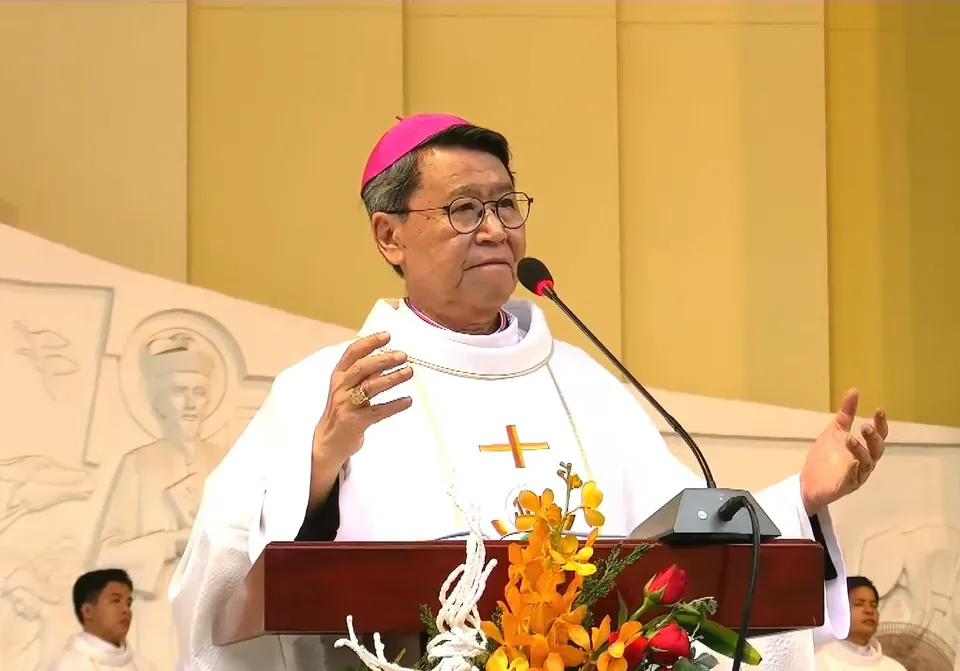
Key Dialogue Meetings with the Government Committee for Religious Affairs (GCRA)
Between 2020 and 2024, the CBCV engaged in a series of dialogue meetings with the Government Committee for Religious Affairs (GCRA) to discuss implementation of the 2016 Law on Belief and Religion, address land disputes, and foster the Vietnam-Vatican relationship. The following table summarizes these key interactions:
| Approximate Date | Bishops Involved | Government Officials | Main Topics Discussed | Outcomes |
|---|---|---|---|---|
| 2020-2021 | CBCV delegation | GCRA leadership | Implementation guidelines for the 2016 Law on Belief and Religion; initial concerns about registration processes | Established regular dialogue framework; agreed to periodic consultations |
| 2022 | CBCV representatives | GCRA officials | Land disputes involving church properties; practical challenges in applying the law | Identified specific cases for joint review; committed to transparent resolution processes |
| 2023 | CBCV delegation | GCRA and Foreign Ministry representatives | Vietnam-Vatican relationship development; FABC meeting coordination | Prepared groundwork for enhanced diplomatic ties; supported CBCV’s hosting of FABC |
| 2024 | Bishop Joseph Do Manh Hung (CBCV Secretary-General) | GCRA Chairman and senior officials | Deepening relations; accompanying the nation; response to papal letter | 2024 acknowledgment of papal letter; agreement to strengthen cooperation |
These dialogues reflect the CBCV’s commitment to constructive engagement and have yielded incremental progress in addressing the Church’s concerns.
International Engagement: FABC 2023 and Vietnam-Vatican Diplomatic Progress
In 2023, the Catholic Bishops’ Conference of Vietnam hosted the Federation of Asian Bishops’ Conferences (FABC) meeting, a significant international gathering that showcased Vietnam’s Catholic hierarchy on the regional stage. This event demonstrated the CBCV’s commitment to connecting with broader Asian Catholic networks and aligning with international religious freedom standards. Hosting the FABC meeting required careful coordination with authorities and reflected a growing confidence in the Church’s ability to engage internationally.
Even more consequential for Vietnam-Vatican relations was the opening of a permanent papal representative office in Hanoi, a development that marked the first time since the communist government took power in 1975 that the Holy See has had a resident diplomat in the country. Archbishop Marek Zalewski, appointed as the first resident papal representative, arrived in 2025 and continues his mission in Hanoi as of 2026. This diplomatic breakthrough, following years of constructive dialogue, represents a major step toward normalized relations between the Holy See and Vietnam.
The papal representative serves as a direct link between the Vietnamese bishops and the Vatican, facilitating communication and supporting the local Church’s autonomy. These international engagements—both regional through FABC and global through the Vatican—have strengthened the CBCV’s position and provided additional avenues for promoting religious freedom.
The 2024 acknowledgment of a papal letter by the Government Committee for Religious Affairs further underscored this warming relationship, with Bishop Joseph Do Manh Hung using the occasion to emphasize the Church’s desire to “deepen relations” and “accompany the nation” in its development. Bishops such as Joseph Đỗ Quang Khang, whose Bishop Joseph Đỗ Quang Khang’s profile emphasizes community building, have contributed to the Church’s international witness through their pastoral leadership.
Ongoing Religious Freedom Challenges for Vietnamese Bishops in 2026
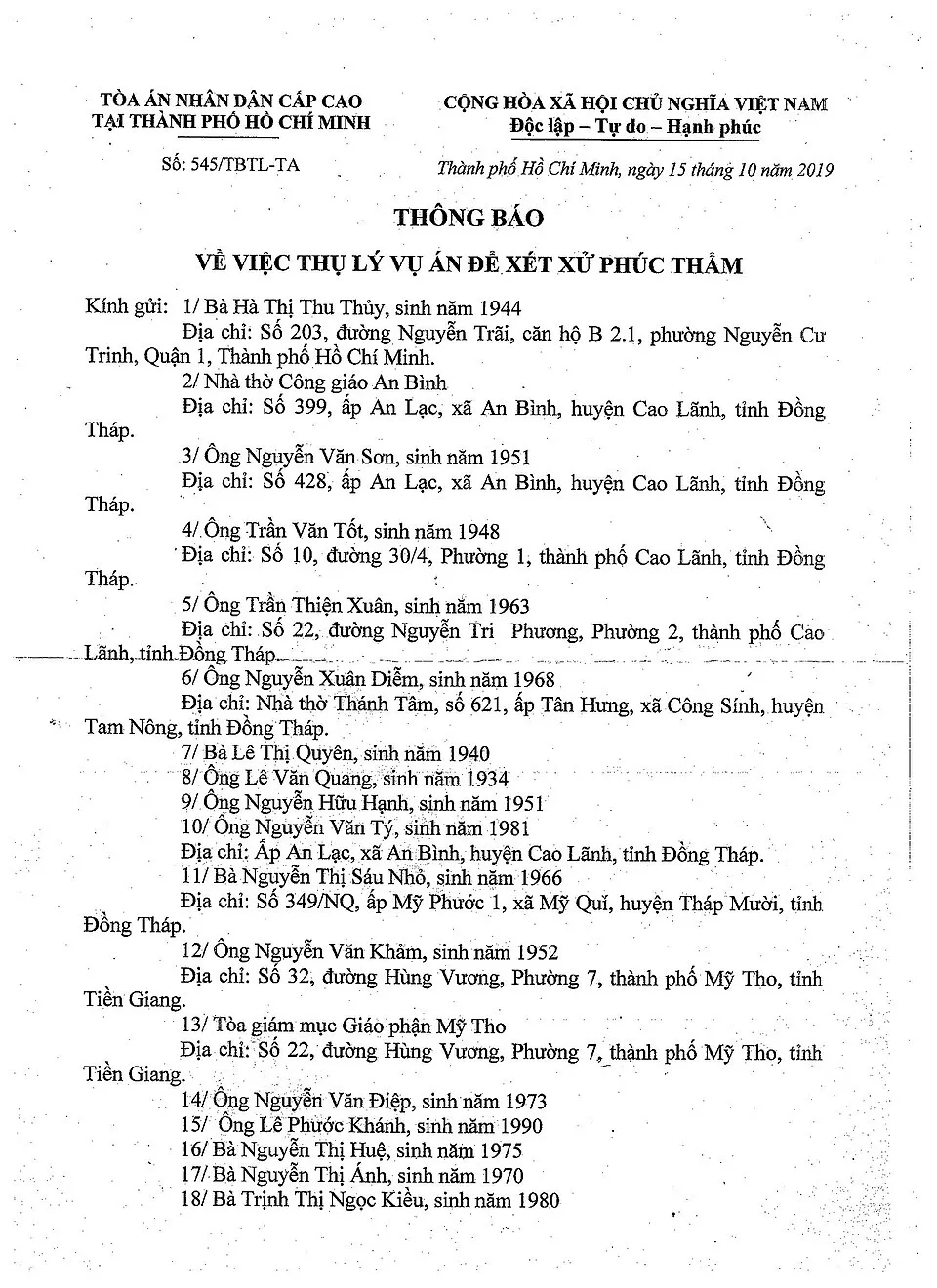
Government Scrutiny of Individual Clergy and ‘Anti-Government’ Activities
While the CBCV as an institution enjoys improved dialogue, individual bishops and priests continue to face government scrutiny, particularly when their activities cross into areas the state deems sensitive. The most common targets include:
- Activities labeled “anti-government”: Clergy who publicly criticize state policies, advocate for human rights, or associate with known dissidents risk being accused of undermining national unity. Such accusations can lead to surveillance, travel restrictions, or removal from pastoral positions.
- Involvement in land disputes: When clergy support parishioners in reclaiming church properties or challenge local authorities over land confiscations, they often encounter legal obstacles, intimidation, or official harassment. These disputes remain a flashpoint despite national-level dialogues.
- Independent or unauthorized initiatives: Priests who organize religious activities, charitable programs, or community outreach without explicit government permission—even if well-intentioned—may face questioning or sanctions from local security forces.
These restrictions reflect a persistent gap between the institutional dialogue at the national level and the lived reality of clergy on the ground. The government’s tolerance appears to vary by region and by individual, creating an environment where bishops must carefully balance their pastoral responsibilities with political caution. These pressures are evident in the ministry of Bishop Joseph Nguyễn Văn Bình in Bùi Chu, where land and community issues intersect with religious practice, as highlighted in his Bishop Joseph Nguyễn Văn Bình’s ministry.
Land Disputes: A Persistent Barrier to Religious Freedom
The bishops consistently assert that the return of church property confiscated during the collectivization period and subsequent land reforms is essential for full religious freedom. They argue that without physical spaces for worship, education, and community gathering, the right to practice religion is severely constrained. The CBCV has raised specific cases of land disputes in dialogues with the Government Committee for Religious Affairs, seeking just resolutions that respect the Church’s historical claims and current needs.
Bishops’ position: Land restitution is not merely a material concern but a matter of justice and religious liberty. The Church should regain ownership of properties wrongfully seized or receive adequate compensation. This principle is rooted in the belief that religious communities have the right to manage their own assets without state interference.
Government stance: Vietnamese authorities maintain that land is state-owned and that any transfers must follow legal procedures established after the 1975 reunification. While some properties have been returned in recent years, the process remains slow and inconsistent, with local officials often resisting restitution. The government emphasizes stability and development priorities over historical claims.
Impact: Unresolved land disputes continue to hinder religious freedom at the community level. Parishes without legitimate worship spaces must operate in limbo, vulnerable to demolition or eviction. Clergy involved in advocacy face personal risk.
These disputes symbolize the broader tension between the Church’s desire for autonomy and the state’s insistence on ultimate control over land resources. The personal risk faced by clergy is seen in the episcopal work of Bishop Joseph Nguyễn Văn Tiếp in Đà Nẵng, where land disputes have complicated pastoral initiatives, as documented in his Bishop Joseph Nguyễn Văn Tiếp’s episcopal work.
The most surprising aspect of Vietnamese bishops’ advocacy for religious freedom is the effectiveness of their strategic pivot from public confrontation to quiet diplomacy. While the 2017 public criticism of the 2016 law marked a rare moment of open dissent, the subsequent focus on behind-the-scenes dialogue with the Government Committee for Religious Affairs has produced tangible results: the 2024 acknowledgment of a papal letter and the establishment of a permanent papal representative office in Hanoi. Yet these high-level gains have not trickled down to ordinary clergy, who still navigate restrictions on “anti-government” activities and entangled land disputes.
For anyone following this issue, the essential action is to monitor the Catholic Bishops’ Conference of Vietnam’s official website (cbcvietnam.org) for new pastoral letters, dialogue summaries, and updates on ongoing challenges. The bishops’ own communications provide the most reliable window into the evolving landscape of religious freedom in Vietnam. Readers seeking deeper historical context may explore the historical roles of bishops in French Indochina or the bishops’ leadership during the Vietnam War to understand the long arc of the Church’s engagement with Vietnamese society.