In 2026, Vietnamese bishops are actively evangelizing through digital platforms and a structured three-year pastoral plan (2025–2028), adopting a “faith-rooted, modern approach” to engage the “digital continent.” This strategy is essential in Vietnam’s communist-governed environment, where traditional public evangelism faces restrictions. The Catholic Bishops’ Conference of Vietnam (CBCV) coordinates these efforts, focusing on missionary discipleship, youth engagement, and lay participation to spread the Gospel in modern society.
- Vietnamese bishops are using digital platforms and ‘IT Apostles’ to evangelize in a communist country where public evangelism is limited, adopting a ‘faith-rooted, modern approach’ for the ‘digital continent’.
- A three-year pastoral plan (2025-2028) structures evangelization: 2025-2026 focuses on individual discipleship, 2026-2027 on community mission, and 2027-2028 on outward expansion.
- Youth engagement is central: the 2026 Hanoi Youth Congress drew 5,000 young Catholics, and the Church promotes family Bible study and social service as everyday evangelization.
How Are Vietnamese Bishops Evangelizing in the Digital Age?
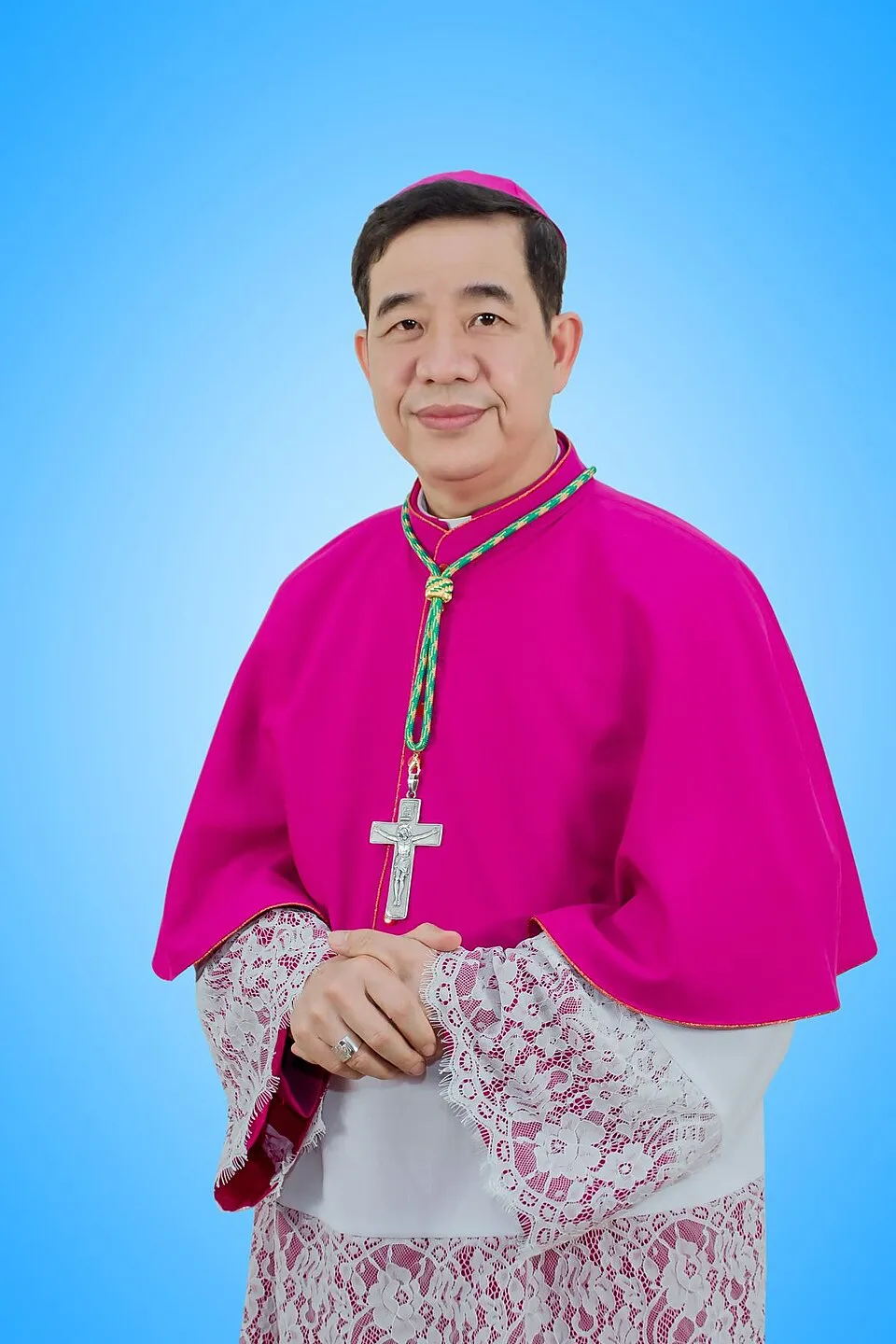
Vietnamese bishops are embracing digital technology as a core evangelization tool, recognizing the internet as a critical mission field. This approach, described as “faith-rooted, modern,” allows the Church to reach people where they spend significant time—online—while navigating Vietnam’s regulatory environment.
The strategy includes training specialized technical experts, improving communication for younger generations, and using social media to build communities and counter misinformation. These efforts are coordinated through the CBCV’s Social Communications Commission, ensuring a unified digital presence that aligns with pastoral goals.
‘IT Apostles’ and Digital Infrastructure: Bishop Dominic Nguyễn Tuan Anh’s Technical Team
- Leadership: Bishop Dominic Nguyễn Tuan Anh chairs the Social Communications Commission, guiding the digital evangelization strategy (Source: LiCAS.news).
- Roles: The “IT Apostles” manage content quality, development, and technical writing for the Church’s online platforms (Source: LiCAS.news).
- Purpose: This specialized commission trains technical experts to evangelize effectively in digital spaces (Source: LiCAS.news).
- Combating Misinformation: The “Truth in Charity” initiative equips Catholics to share accurate information and counter fake news with Christian love (Source: Research notes).
- Community Building: Social media is used to share Christian values, foster online communities, and build a “culture of encounter”.
This initiative represents a significant shift, creating a corps of lay and clerical tech specialists who blend faith with digital skills.
By focusing on content quality and ethical engagement, the Church aims to be a credible voice online, addressing the spread of misinformation while providing spiritual resources. The work of Bishop Dominic Nguyễn Tuan Anh’s commission ensures that digital outreach is not an afterthought but an integrated pastoral priority.
October 2025 Saigon Meeting: Preparing for 5,000 Youth Congress
On October 29, 2025, bishops, priests, and media coordinators gathered at the Pastoral Center of the Archdiocese of Saigon for a pivotal meeting. The focus was on improving church communication methods to connect with a digital-savvy generation. A key agenda item was preparing for the 2026 Archdiocesan Youth Congress in Hanoi, expected to draw nearly 5,000 young Catholics under the theme “Come and Remain.” This theme challenges youth to be “living Gospels” in their daily lives, embodying faith through action.
The meeting underscored a strategic adaptation: in Vietnam’s communist-governed context, where large-scale public evangelism is limited, the Church turns to digital and community-based methods. By empowering youth through events like the Youth Congress and the Eucharistic Youth Movement, bishops are cultivating a new generation of missionaries who can evangelize through their presence online and in everyday interactions. This approach turns environmental constraints into opportunities for creative, relational outreach.
What Is the Three-Year Pastoral Plan for Evangelization (2025-2028)?
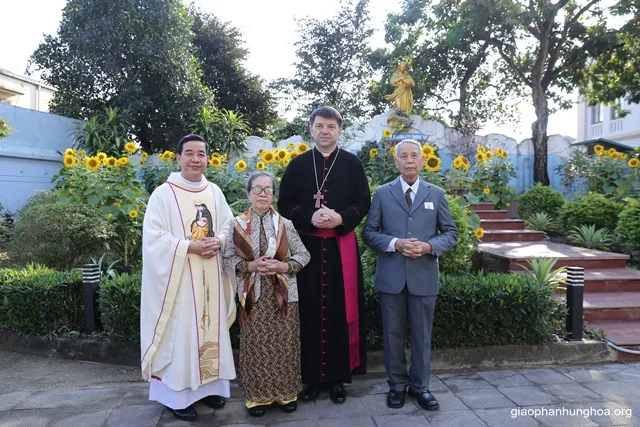
The CBCV’s three-year pastoral plan (2025–2028) provides a structured roadmap for missionary renewal across Vietnam’s 27 dioceses. This multi-year framework ensures continuity and deepening focus, moving from internal spiritual formation to outward mission.
Each year builds on the previous, creating a cohesive evangelization strategy that involves clergy, religious, and laity. The plan’s implementation includes missionary formation programs, intensive catechetical training (as seen in Hải Phòng diocese), and social service initiatives, all aimed at transforming the faithful into active missionaries.
2025-2028 Pastoral Themes: A Three-Year Roadmap
| Year | Theme | Primary Focus |
|---|---|---|
| 2025–2026 | “Every Christian is a missionary disciple” | Individual spiritual formation and missionary identity |
| 2026–2027 | “Every Christian community is a missionary community” | Community-based mission and parish outreach |
| 2027–2028 | “The Church of Christ in Vietnam goes forth” | Outward expansion and external witness |
The progression is deliberate: first, each Catholic is called to personal missionary conversion; second, communities are organized for collective mission; third, the Church actively goes out to encounter others. This structure prevents fragmentation and ensures that evangelization is both deeply personal and broadly communal.
Implementation relies on training programs—like those in Hải Phòng for catechetics—and a growing emphasis on social service as a form of witness. Notably, the plan capitalizes on Vietnam’s vocation growth by directing new seminarians and religious toward missionary formation, preparing them for both domestic and international service.
Building on 2023-2024: Communion and Lay Participation
- 2023 Theme: “Strengthening communion and synodality” focused on internal church unity and collaborative decision-making across the 27 dioceses (Source: Agenzia Fides, UCANews).
- 2024 Theme: “Promoting active participation of the laity” empowered laypeople to take greater roles in pastoral and evangelization work (Source: Agenzia Fides, UCANews).
- Foundation: These years built the ecclesial culture of shared responsibility necessary for a missionary push (Source: Research notes).
- Continuity: The multi-year plan demonstrates a long-term vision, avoiding yearly thematic shifts that lack depth (Source: Research notes).
The 2023 and 2024 themes were preparatory, addressing the need for internal cohesion and lay empowerment before launching a full missionary effort.
Synodality taught bishops, priests, and laity to listen and decide together, while lay participation ensured that evangelization would not be clergy-dominated. This foundation makes the current three-year plan possible, as communities now have the trust and structures to support missionary discipleship.
How Are Youth and Lay Leaders Engaged in Evangelization?
Youth and lay leaders are central to the Vietnamese bishops’ evangelization strategy, seen as the primary agents for reaching a modern, often secularized society. The Church invests heavily in forming young Catholics through large-scale events and movements like the Eucharistic Youth Movement, while also promoting family-based faith transmission and social service as everyday evangelization. This dual focus ensures that evangelization happens both in organized programs and in the ordinary rhythms of life, making faith contagious within families and communities.
2026 Hanoi Youth Congress and Eucharistic Youth Movement
The 2026 Archdiocesan Youth Congress in Hanoi is a major milestone, expecting nearly 5,000 young Catholics to gather under the theme “Come and Remain.” This theme directly challenges participants to live as “living Gospels”—embodying Christ’s message in their daily actions, studies, and relationships. The congress is the culmination of months of preparation following the October 2025 Saigon meeting, where communication strategies were refined for a digital-native audience.
Complementing this event is the Eucharistic Youth Movement, a long-standing program that forms young missionaries through Eucharist-centered activities. It provides spiritual formation, community building, and practical missionary training, helping youth integrate faith with action.
Together, these initiatives create a pipeline: the movement nurtures ongoing commitment, while the congress offers a powerful, shared experience that renews missionary zeal. Bishops see youth not just as future leaders but as present-day evangelizers who can relate to peers in ways older generations cannot.
Family Bible Study and Social Service: Evangelization in Daily Life
- Family as Domestic Church: The Church promotes Bible study within families, transforming homes into “domestic churches” where faith is lived, shared, and passed to children naturally (Source: Research notes).
- Grassroots Evangelization: Parents become first evangelizers to their own children, creating a ripple effect that strengthens the wider community (Source: Research notes).
- Social Service as Witness: Charitable actions and solidarity projects demonstrate Gospel values concretely, attracting non-Catholics to the faith through visible love (Source: Research notes).
- Practical Integration: This approach ties evangelization to everyday life—helping the poor, visiting the sick, or sharing meals—making faith credible and relatable (Source: Research notes).
By emphasizing family and social action, bishops ensure evangelization is not confined to churches or digital spaces but permeates daily existence. A family that prays together and serves neighbors becomes a silent but powerful witness.
This method is particularly effective in Vietnam’s communal culture, where family reputation and social harmony are highly valued. It also adapts to restrictions on public preaching, allowing faith to spread organically through relationships rather than overt campaigns.
The most surprising development is the commissioning of “IT Apostles”—technical experts who blend faith with digital skills to evangelize in a restrictive environment. This innovative model turns a limitation into a strength, using technology to reach beyond physical boundaries. For any Catholic or parish seeking to participate, the immediate step is to seek training through the Social Communications Commission or local diocesan programs.
Begin by learning digital storytelling and ethical social media use, then apply these skills to share the Gospel in online communities. The future of evangelization in Vietnam lies in such hybrid approaches, where tradition and technology serve a common missionary purpose.