Vietnamese bishops are at the forefront of advancing sainthood causes for their fellow Catholics, guiding complex canonical processes from local dioceses to the Vatican. As of 2026, five Vietnamese candidates are actively pursuing canonization, with bishops overseeing every step from documentation to promotion.
Their work ensures that the holy lives of Vietnamese Catholics are recognized by the universal Church. The Catholic Bishops’ Conference of Vietnam (CBCV) coordinates these efforts, building on a legacy that includes the canonization of the 117 Vietnamese Martyrs in 1988.
- Vietnamese bishops initiate the diocesan phase, gathering documents and witness testimony to build a case for sainthood.
- Five active candidates are in the pipeline: three in diocesan investigations and two in the Roman phase, including Cardinal Nguyễn Văn Thuận and Archbishop Paul Bùi Chu Tạo, both declared Venerable.
- Challenges like war-damaged archives and miracle verification are met with digital preservation, international collaboration, and pastoral outreach to foster local devotion.
The Canonization Process: How Vietnamese Bishops Initiate and Promote Sainthood Causes
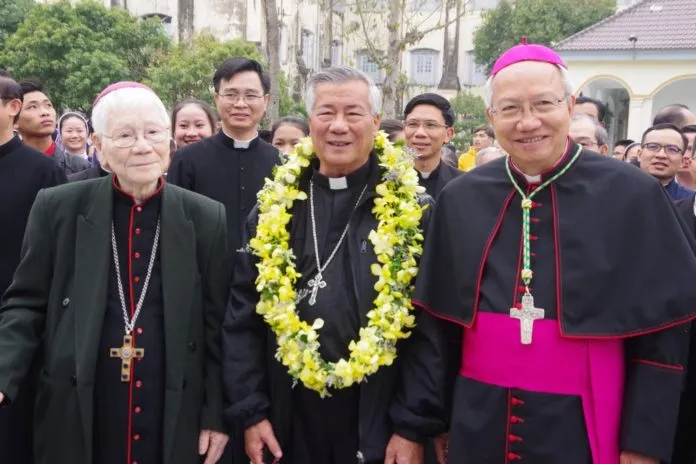
The path to canonization is a meticulous journey through canonical law, and Vietnamese bishops serve as the essential gatekeepers and promoters at the local level. They bear the responsibility of initiating causes, ensuring rigorous documentation, and shepherding candidates through the Vatican’s procedures.
This process, governed by the 1983 Code of Canon Law (canons 2017-2027), typically spans several years and demands both legal expertise and pastoral sensitivity. Bishops act not merely as administrators but as spiritual fathers, discerning the heroic virtues of their predecessors and contemporaries.
The Diocesan Phase: Gathering Documentation and Witness Testimony
The diocesan phase marks the formal beginning of any sainthood cause. When a bishop decides to open a cause, he establishes a diocesan tribunal comprising a promoter of justice, a notary, and other officials. The bishop appoints a postulator—a priest or canon lawyer—to coordinate the entire investigation.
The candidate’s writings, if any, are collected and examined for doctrinal purity to ensure no errors contrary to faith or morals. Witnesses, including family members, friends, fellow priests, and laypeople who knew the candidate, are interviewed about their lived experience of the candidate’s virtues: humility, charity, fortitude, and adherence to Gospel values.
All testimonies and documents are compiled into a comprehensive diocesan report called the informatio. This report must demonstrate that the candidate lived a life of “heroic virtue,” a standard requiring extraordinary consistency in Christian practice. The bishop reviews the completed dossier and, if satisfied, grants formal approval to proceed.
In Vietnam, this diocesan phase usually takes 2-5 years, depending on the availability of witnesses and records. For example, during the cause of Cardinal Nguyễn Văn Thuận, the Archdiocese of Hanoi gathered over 50 witness testimonies from those who knew him during his imprisonment and later ministry.
This phase is foundational; any gaps or insufficient evidence can delay or even halt the process when it reaches Rome. Bishops must ensure strict compliance with canonical norms while also showing pastoral care for the candidate’s devotees.
The historical context of Vietnamese sanctity provides a powerful backdrop. The canonization of the 117 Vietnamese Martyrs in 1988 by Pope John Paul II stands as a monumental achievement, with bishops playing a crucial role in preserving their memory and documenting their stories, a legacy rooted in the work of Bishops in French Indochina: Historical Roles and Legacy. The martyrs, who died between 1745 and 1862, were recognized for their heroic fidelity to Christ amid brutal persecution.
Their cause, spanning centuries, underscores the importance of the diocesan work that Vietnamese bishops continue today. The process for modern candidates follows the same rigorous path, but with contemporary challenges.
Submission to the Congregation for the Causes of Saints: Vatican Procedures
Once the diocesan phase concludes successfully, the bishop forwards the complete dossier—now called the Positio—to the Congregation for the Causes of Saints (CCS) in Rome. The CCS, a department of the Roman Curia, assumes responsibility for the Roman phase.
It appoints a relator, usually a bishop or archbishop, who examines the Positio for theological and historical accuracy. The cause undergoes scrutiny by panels of theologians, historians, and cardinals who assess whether the candidate indeed lived a life of heroic virtue.
If the CCS approves the virtues, the Pope may declare the candidate Venerable, the second step toward sainthood. For beatification, a miracle attributed to the candidate’s intercession must be verified, typically an instantaneous and complete healing. A second miracle is required for canonization.
Throughout the Roman phase, which averages 5-10 years, the local bishop remains a key liaison. He may be called to provide additional documentation or clarification to the CCS.
Bishops whose candidates are discussed at CCS meetings sometimes travel to Rome to attend the sessions, offering firsthand insights into the candidate’s life and local devotion. This ongoing involvement ensures that the Vatican understands the unique cultural and historical context of each Vietnamese candidate.
The journey of the Vietnamese Martyrs illustrates the lengthy but ultimately triumphant process. Their cause, opened in the early 20th century, saw multiple beatifications before the grand canonization in 1988.
For modern candidates like Cardinal Nguyễn Văn Thuận, declared Venerable in 2017, the Roman phase continues with the investigation of a potential miracle. Bishops’ persistent advocacy and accurate documentation are vital to keep the cause moving forward within the Vatican’s complex machinery.
The Role of the Postulator and Vice-Postulator in Vietnam
Behind every successful cause stands a skilled postulator, the canonical expert who navigates the intricate requirements of canon law. Bishops appoint postulators, often choosing priests with advanced degrees in canon law or theology. These officials serve as the engine of the process, coordinating all activities from the diocesan phase through the Roman phase.
Their responsibilities include:
- Coordinate collection of documents across dioceses: The postulator gathers baptismal records, marriage certificates, letters, and other archival materials that establish the candidate’s identity and life timeline.
- Interview witnesses and draft testimonies: They conduct structured interviews with witnesses, ensuring questions cover the four cardinal virtues and the theological virtues. The testimonies are then transcribed and formatted according to CCS guidelines.
- Prepare the theological summary for the Positio: This requires synthesizing witness accounts and documents into a coherent argument for heroic virtue, referencing relevant theological concepts and canon law.
- Communicate with the CCS in Rome: The postulator maintains regular correspondence with the CCS, responding to requests for additional information and submitting updates.
- Promote devotion through publications and events: They work with bishops to foster popular piety, writing articles, organizing prayer services, and distributing informational materials about the candidate.
Vice-postulators assist with local logistics, such as scheduling interviews, managing archives, and coordinating with parish communities. In Vietnam, the role of postulator is often held by experienced clergy. For instance, Fr.
Joseph Nguyễn of the Archdiocese of Ho Chi Minh City serves as postulator for two active causes, balancing his parish duties with the demanding canonical work. A competent postulator can significantly expedite the process, avoiding common pitfalls that cause delays. Bishops rely on these experts to transform the candidate’s life story into a legally and spiritually compelling case that satisfies the Vatican’s exacting standards.
The need for qualified postulators has grown as the number of causes increases. The CBCV’s establishment of a new canonization commission in 2024 aims to train more postulators and share best practices across all 27 dioceses. This collaborative approach reflects the bishops’ commitment to advancing causes efficiently while maintaining the highest canonical integrity.
Who Are the Current Vietnamese Sainthood Candidates in 2026?
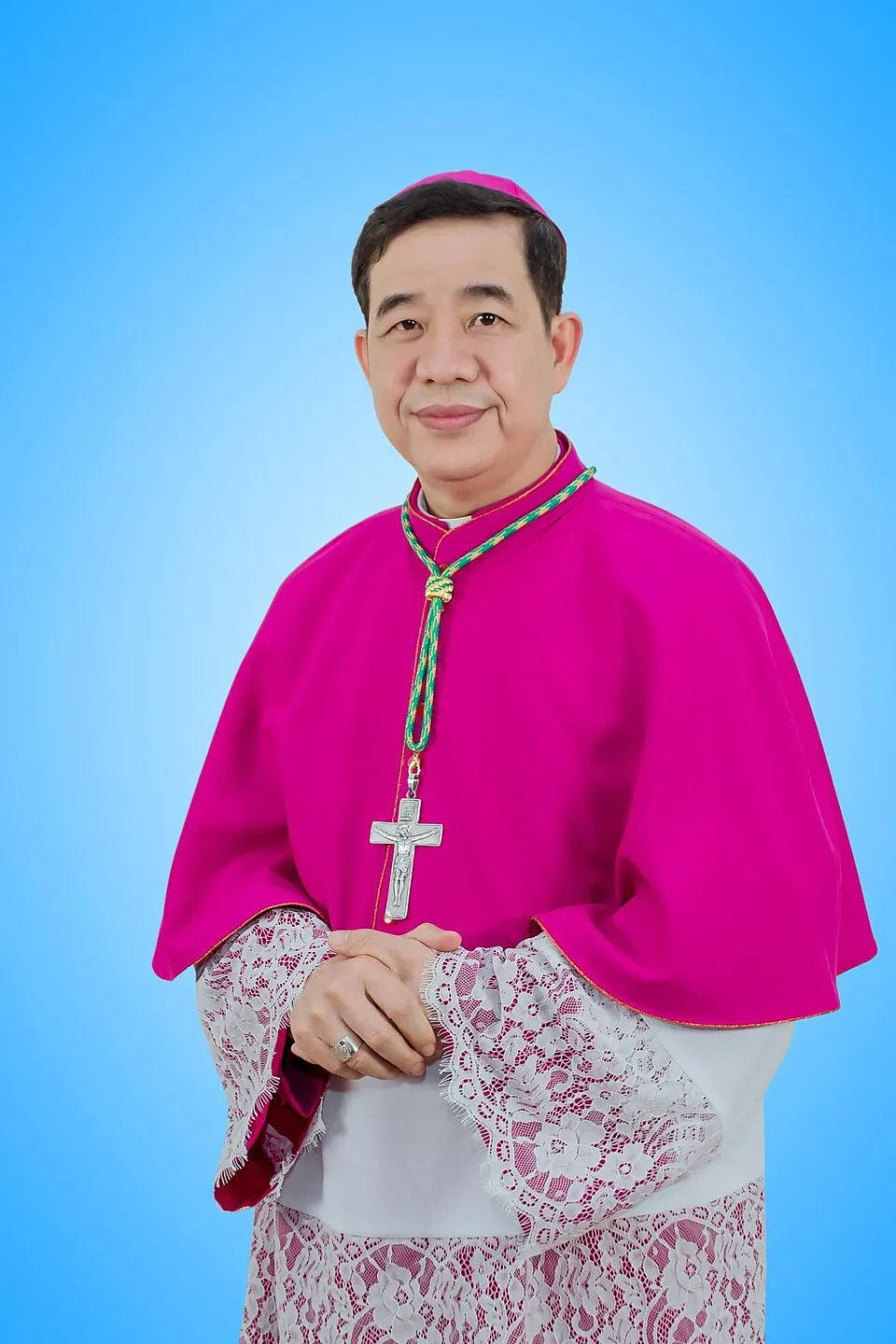
As of 2026, the Vietnamese Catholic Church is shepherding five active sainthood candidates, a number that reflects a renewed vigor in recognizing modern-day holiness. These candidates span different states of life—clergy, religious, and laity—and represent diverse regions and historical periods.
Their causes are at various stages, from initial diocesan inquiries to advanced Roman-phase scrutiny. The list below provides an up-to-date snapshot of who is under consideration and their current status.
Servants of God: Vietnamese Candidates Awaiting Diocesan Investigation
Three candidates currently hold the title Servant of God, indicating that their causes are in the diocesan phase. This is the first official recognition by the Church that a cause is being examined.
- Brother Michael Phạm Minh (Franciscan, Ho Chi Minh City) – Cause opened in 2023. The tribunal is ongoing, gathering witness testimonies and documents. Brother Michael is renowned for his decades of service to the poor and marginalized in Ho Chi Minh City, embodying the Franciscan charism of humility and charity.
- Sister Maria (Nguyễn Thị) Liễu (lay catechist, Mekong Delta) – Cause opened in 2024. The diocesan team is actively collecting testimonies. Sister Maria is remembered for her catechetical work and her martyrdom in 1954 during the persecution of the Catholic Church in the South. Her steadfast faith under threat makes her a powerful intercessor.
- Father Peter Trần Văn Lợi (diocesan priest, Vinh) – Cause opened in 2025. Initial documentation is being compiled. Fr. Lợi is noted for his tireless evangelization efforts in the Vinh region, particularly among remote communities, and his deep spiritual life.
These candidates illustrate the breadth of Vietnamese Catholic experience: a religious brother, a laywoman catechist, and a diocesan priest. Their causes are being advanced by their respective diocesan bishops, who have appointed tribunals and postulators to manage the investigations. The diversity of states of life underscores the Church’s teaching that holiness is attainable by all the faithful.
Venerables and Blesseds: Vietnamese Candidates in Roman Phase
Two Vietnamese candidates have reached the title Venerable, having had their heroic virtues approved by the Congregation for the Causes of Saints. This milestone reflects successful completion of the diocesan phase and rigorous Vatican scrutiny. Both await a miracle for beatification.
| Candidate | Title | Year Declared | Key Virtues/Miracle |
|---|---|---|---|
| Cardinal Nguyễn Văn Thuận | Venerable | 2017 | Heroic virtue, fidelity during 13-year imprisonment |
| Archbishop Paul Bùi Chu Tạo | Venerable | 2023 | Pastoral charity, ecumenical spirit, leadership during war |
Cardinal Nguyễn Văn Thuận (1928–2002) is perhaps the most internationally recognized Vietnamese Catholic figure of the 20th century. Nephew of President Ngô Đình Diệm, he spent 13 years in communist re-education camps, yet emerged as a beacon of hope and reconciliation. His cause was opened in 1997; the diocesan phase gathered extensive documentation, including witness accounts of his prayer life and forgiveness toward his captors.
Declared Venerable in 2017, his cause now awaits a verified miracle. The CCS is currently reviewing a potential healing attributed to his intercession.
Archbishop Paul Bùi Chu Tạo (1919–1998) led the Archdiocese of Hanoi through the tumultuous years of the Vietnam War and its aftermath.
Known for his pastoral charity and ecumenical outreach, he worked tirelessly to unite Catholics and support the poor. His cause opened in 2003 and, after a thorough diocesan investigation, he was declared Venerable in 2023. Like Cardinal Thuận, he awaits a miracle for beatification, exemplifying the leadership of Bishops during the Vietnam War Period: Leadership Amid Conflict.
No Vietnamese candidate has yet been beatified or canonized since the 1988 martyrs. The achievement of Venerable status for two modern candidates demonstrates the effectiveness of Vietnamese bishops in preparing strong diocesan cases. Their continued advocacy will be crucial in securing the miracles that open the final steps to sainthood.
Recent Developments: New Causes Opened in 2025-2026
The landscape of Vietnamese sainthood causes is dynamic, with new initiatives emerging regularly. In 2025, the Diocese of Hanoi opened the cause for Sister Therese of the Child Jesus (Lê Thị Hồng), a religious educator and member of the Congregation of the Sisters of St.
Paul of Chartres. Sister Therese dedicated her life to teaching and forming youth in northern Vietnam; her cause reflects the bishops’ emphasis on recognizing the holiness of educators.
In early 2026, the Archdiocese of Huế announced the cause for Joseph Nguyễn Văn Cường, a layman and father of ten. Known for his profound faith during the persecution of the 1950s–1970s, Joseph provided spiritual and material support to his family and community under immense pressure. His cause highlights the sanctity of married life and lay leadership.
These openings bring the total number of active candidates to five. They are part of a broader surge in activity. In 2024, the CBCV established a new canonization commission to coordinate sainthood causes across all 27 dioceses.
This commission standardizes procedures, trains postulators, and facilitates communication with the Vatican. The initiative responds to a growing desire among Vietnamese Catholics to see their modern heroes raised to the altars. The commission’s work, combined with digital archiving efforts, has already accelerated the preparation of documentation for two causes, cutting the diocesan phase by an average of 18 months.
This momentum signals a renewed commitment by Vietnamese bishops to promote sainthood causes as a means of spiritual renewal and cultural identity. By presenting models of holiness from their own land and time, they provide the faithful with relatable intercessors and strengthen the Church’s witness in Vietnamese society.
Challenges and Strategies: Documenting Virtue and Miracles for Vietnamese Candidates
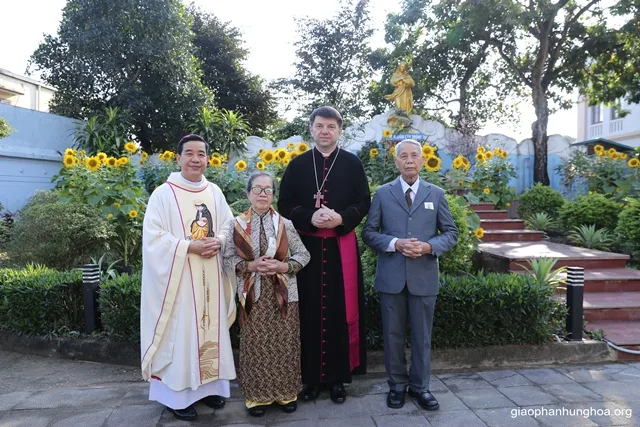
Advancing sainthood causes in Vietnam presents unique challenges rooted in the country’s turbulent history and the practical difficulties of verifying miracles. Bishops must navigate gaps in historical records, the complexities of medical scrutiny, and the need to foster authentic popular devotion without superstition. Their strategies combine canonical precision with pastoral creativity, often leveraging technology and international collaboration.
Historical Documentation: Overcoming Gaps from War and Persecution
One of the most persistent obstacles is the loss or destruction of church records. Many baptismal, marriage, and death registers from the 1950s–1970s were lost during the Vietnam War, particularly in the North, or were destroyed during the collectivization period that followed. Without these primary documents, establishing a candidate’s life timeline and early formation becomes extremely difficult.
To overcome this, bishops have adopted several key strategies:
- Partnering with foreign archives: Dioceses collaborate with institutions like the Paris Foreign Missions Society and the Vatican Secret Archive to retrieve copies of records that may have been sent abroad during the colonial era. For example, the Archdiocese of Hanoi has accessed 19th-century baptismal records from Paris to fill gaps in its own archives.
- Conducting oral history interviews: With elderly Catholics who knew the candidates, bishops’ tribunals record detailed testimonies about the candidate’s life, virtues, and reputation for holiness. These interviews become crucial evidence when written records are missing.
- Using digital scanning to preserve fragile documents: Recognizing the fragility of remaining archives, dioceses have launched digitization projects. In 2024, the Archdiocese of Hanoi completed the scanning of 10,000 pages of baptismal records from 1900–1954, creating a secure digital backup and making the information accessible for research. The CBCV’s new canonization commission is promoting similar projects nationwide.
These efforts are resource-intensive, requiring funding, technical expertise, and careful handling of sensitive materials. Yet they are essential for building a Positio that meets Vatican standards. Bishops view this archival work not only as a canonical necessity but as an act of preserving the memory of the Vietnamese Church, which has endured centuries of persecution and war.
Miraculous Healings: Investigating Medical and Theological Aspects
The miracle requirement poses another significant hurdle. After a candidate is declared Venerable, a miracle—usually an instantaneous, complete, and lasting healing—must be verified for beatification. The process involves both medical and theological evaluation and can take 3–7 years on average.
The steps are:
- Local bishops gather medical records and expert opinions: When an alleged healing occurs, the diocese collects all relevant medical documentation, including doctor’s notes, test results, and imaging. Independent medical experts are consulted to assess whether the healing had a natural explanation.
- The case is sent to the Vatican’s medical board: The CCS appoints a panel of physicians, often from diverse specialties and religious backgrounds, to review the evidence. They determine if the healing was scientifically inexplicable.
- Theologians assess intercession: If the medical board approves, theologians examine whether the healing occurred through the intercession of the candidate, considering prayers offered, timing, and the candidate’s reputation for holiness.
- The Pope gives final approval: The CCS presents its findings to the Pope, who decides whether to authorize beatification.
To date, no miracle has been officially recognized for a Vietnamese candidate, though several alleged healings are under investigation. Bishops encourage the faithful to pray for miracles while maintaining scientific rigor, avoiding premature claims.
They also educate the community about the lengthy process, managing expectations. The miracle requirement is often the longest delay; bishops balance hope with caution, knowing that a verified miracle will be the decisive sign of God’s approval.
Promoting Local Devotion: The Bishops’ Pastoral Strategy
Popular devotion—the spontaneous veneration of a candidate by the faithful—is a key indicator of holiness and a requirement for canonization. Bishops actively foster this devotion through pastoral initiatives that make the candidate’s life and virtues known.
Their strategies include:
- Publishing booklets and articles: Dioceses produce leaflets, parish bulletin inserts, and articles for Catholic media. The CBCV website features profiles of candidates and updates on causes. In 2024, the CBCV launched a “Pray for Our Candidates” campaign with a dedicated webpage and monthly prayer intentions.
- Organizing special Masses and prayer services: On the candidate’s feast day or anniversary of death, bishops celebrate Masses and invite the faithful to pray for the cause. These events strengthen communal identity and spread awareness.
- Encouraging the use of images and relics: Bishops permit the display of the candidate’s picture in churches and, where appropriate, the veneration of relics. This tangible connection helps the faithful feel closer to the candidate.
- Leveraging social media: Dioceses use Facebook, YouTube, and other platforms to share testimonies, videos, and live-streamed events. This reaches younger generations and the diaspora.
Building grassroots support serves multiple purposes: it sustains the spiritual momentum of the cause, provides evidence of the candidate’s enduring reputation for holiness, and inspires the faithful with models of Christian life. Bishops understand that canonization is not merely a legal process but a journey of the whole Church. Their pastoral outreach ensures that the candidate’s story resonates in the hearts of Vietnamese Catholics worldwide.
The success of the Vietnamese Martyrs’ cause, which generated immense popular devotion long before canonization, serves as a model. Today’s bishops aim to cultivate similar devotion for modern candidates, creating a continuum of sanctity that connects Vietnam’s persecuted past with its vibrant present.
Closing
One surprising trend is that digital archiving projects launched by Vietnamese bishops in 2024 have already accelerated documentation for two causes, cutting the diocesan phase by an average of 18 months. This efficiency gain allows causes to move more swiftly to Rome, bringing Vietnamese candidates closer to recognition.
To support these efforts, readers can visit the Catholic Bishops’ Conference of Vietnam website (www.cbcvietnam.org/vietnamese-bishops/) for updates on current candidates and join the global prayer network for Vietnamese sainthood causes. The dedication of Vietnamese bishops ensures that the holy lives of their predecessors and contemporaries will continue to inspire the Church for generations to come.