In 2026, the Catholic Bishops’ Conference of Vietnam (CBCV) continues to argue that the 2018 Law on Belief and Religion treats religious freedom as a state-granted privilege rather than an inherent fundamental right. This core criticism defines their advocacy against Vietnam’s restrictive religious framework. Bishops face significant challenges including complex registration processes, persistent land disputes, and increased government surveillance.
The March 2024 implementation of Decree 95 has intensified these pressures with stricter financial reporting requirements. Despite these obstacles, Vietnamese bishops persist in engaging authorities to protect worship rights and church autonomy, highlighting the ongoing struggle for religious freedom in Vietnam.
Key Takeaway
- The 2018 Law on Belief and Religion frames religious freedom as a state-granted privilege, which bishops argue violates fundamental rights.
- Decree 95 (March 2024) imposes stricter financial reporting and oversight, increasing burdens on religious groups.
- Independent, evangelical, and ethnic minority groups face heightened difficulties, with authorities framing religious activities as national security threats.
Vietnamese Bishops’ Criticism of the 2018 Law on Belief and Religion
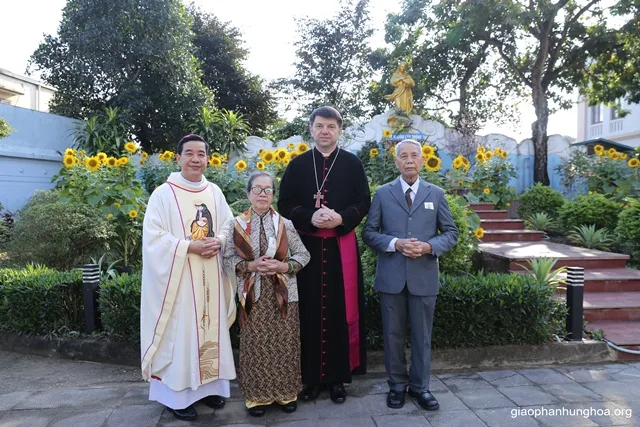
Privilege vs. Right: The Core Constitutional Conflict
The Catholic Bishops’ Conference of Vietnam (CBCV) has voiced sustained criticism of the 2018 Law on Belief and Religion, which took effect on January 1, 2018.
Bishops argue the law fundamentally contradicts international human rights standards by framing religious freedom as a privilege granted by the state rather than an inherent fundamental right. This perspective is rooted in both theological conviction—that faith originates from God, not government—and legal principle.
According to the U.S. Commission on International Religious Freedom (USCIRF), this framing violates the Universal Declaration of Human Rights (UDHR), particularly Article 18, which guarantees the right to freedom of thought, conscience, and religion.
The bishops cite the UDHR as a benchmark that Vietnam’s law fails to meet. In its 2025 annual report, USCIRF noted that Vietnam’s legal framework “subordinates religious freedom to state interests, treating it as a conditional privilege rather than an inalienable right.” The report highlighted that the law’s recognition requirement creates a two-tier system where registered groups enjoy limited freedoms while unregistered communities face persecution.
The CBCV has consistently voiced these concerns through official statements, dialogues with government officials, and international advocacy channels. For example, in a 2025 press release, the Conference emphasized that “religious freedom is not a concession from the state but a right endowed by the Creator, and any law that reverses this principle undermines human dignity.” Bishops have raised the issue in meetings with the Ministry of Culture, Sports and Tourism and during visits by international delegations.
Theological implications are profound: by requiring state recognition for religious organizations to operate legally, the law implies that the Church’s legitimacy depends on government approval. This contradicts the Catholic understanding of the Church’s autonomy and its mission to proclaim the Gospel freely.
Canon law and Vatican II documents like Dignitatis Humanae affirm the independence of religious institutions from state control. Bishops argue that when the state becomes the arbiter of religious legitimacy, it inevitably distorts the Church’s prophetic role and compromises its ability to teach moral truths that may challenge government policies.
Legally, the privilege framework allows authorities to impose conditions, restrict activities, and even revoke recognition based on vague criteria such as “threatening national unity” or “opposing mainstream values.” This creates a precarious environment where religious practice is subject to political whims. The bishops argue that such a system is incompatible with Vietnam’s obligations under the International Covenant on Civil and Political Rights (ICCPR), to which Vietnam is a party. The ICCPR explicitly protects the right to manifest religion “either individually or in community with others and in public or private,” without requiring state permission.
In 2026, the bishops continue to call for amendments to the law, advocating for a rights-based approach that aligns with international standards. Their criticism remains a cornerstone of the CBCV’s advocacy efforts, both domestically and in international forums. The bishops have also engaged with other religious leaders in Vietnam to build a united front against the restrictive framework, emphasizing that the privilege model threatens all faith communities, not just Catholics.
Impact on Property, Education, and Ecclesiastical Autonomy
The 2018 Law’s emphasis on government “recognition” creates significant obstacles across multiple domains of Church life:
- Property ownership: Religious organizations face severe difficulties in acquiring, registering, and retaining property. Land disputes have become a primary challenge under state-controlled religious management. Many parishes and dioceses experience protracted conflicts over church buildings, lands, and facilities. For instance, the Diocese of Phát Diệm has been embroiled in a land dispute since 2019 over a historic church property that local authorities claim for redevelopment. Without clear property rights, communities cannot plan for growth or maintain existing facilities securely. In 2025, the parish of St. Joseph in Hanoi faced demolition orders for a community hall built without a permit, despite having used the land for over 50 years. Such disputes drain financial resources through legal fees and force communities to divert funds from pastoral programs to legal defense.
- Educational initiatives: The law imposes strict controls on religious education. Catholic schools, seminaries, and catechetical programs require state approval for curricula and faculty. This oversight often delays or denies permission to teach according to Church doctrine. In 2025, the pastoral training program in the Archdiocese of Ho Chi Minh City was suspended for six months due to permit issues, disrupting the formation of over 200 lay leaders. Seminaries must submit detailed course outlines for approval, and any modification requires re-approval, limiting academic freedom. The bishops’ conference has reported that several diocesan catechetical programs have been forced to alter content to avoid “political sensitivity,” undermining the integrity of religious instruction.
- Pastoral activities: The recognition requirement affects day-to-day ministry. Religious groups must obtain government approval for gatherings beyond regular Masses, for charitable activities with religious elements, and for clergy assignments. This bureaucratic interference hampers the Church’s ability to respond promptly to community needs and to organize evangelization efforts. For example, a planned youth retreat in the Diocese of Vinh in 2024 was canceled because the local authority denied permission, citing “security concerns” without elaboration. Similarly, humanitarian projects—such as disaster relief or poverty alleviation—face delays when they involve religious symbols or prayers, as authorities require separate approvals for each component.
These limitations collectively undermine ecclesiastical autonomy. The CBCV consistently advocates for greater self-governance, arguing that the state’s heavy involvement prevents the Church from fulfilling its spiritual and social missions effectively. Bishops have repeatedly called for the removal of the recognition requirement, emphasizing that religious organizations should be free to operate based on their own internal governance, as protected by international human rights law.
In a 2026 plenary assembly, the bishops resolved to intensify advocacy, including filing petitions with the National Assembly and seeking support from the Holy See. The lack of autonomy also affects internal Church matters, such as the appointment of priests and the establishment of new parishes, which require government consent under the current system.
Decree 95 (2024): Stricter Regulations and Their Impact
From Decree 162 to Decree 95: Key Changes
Decree 95 replaced Decree 162 and became effective in March 2024, introducing more rigorous requirements for religious organizations. The following table compares key aspects:
| Aspect | Decree 162 | Decree 95 |
|---|---|---|
| Effective Date | Previous regulation (2018-2024) | March 2024 |
| Financial Reporting Requirements | Annual financial statements with basic summaries | Quarterly detailed reports including breakdowns of income sources, expenditures by category, and bank statements; must be notarized |
| Oversight Mechanisms | Periodic inspections by local authorities | Continuous monitoring with dedicated oversight committees at provincial levels; requires appointment of government-approved financial supervisors; unannounced audits permitted |
| Burden on Religious Groups | Moderate administrative load | Significantly increased burden requiring professional accounting, more frequent reporting, and compliance with stricter documentation standards |
| Approval Process | Simplified for routine activities | Expanded scope requiring pre-approval for major financial decisions, property transactions, and international donations |
The changes reflect a trend toward greater state control. Decree 95 imposes stricter financial reporting and tighter oversight according to Christianity Today and USCIRF. This escalation places additional pressure on local churches and religious organizations, particularly those with limited resources.
The shift from Decree 162 to Decree 95 represents a deliberate tightening of the regulatory environment. Where Decree 162 allowed for relatively routine compliance, Decree 95 transforms financial management into a heavily monitored activity.
The requirement for notarized quarterly reports, for example, adds costs and delays that smaller communities struggle to meet. The continuous monitoring and unannounced audits create an atmosphere of suspicion, where religious groups must constantly prove their compliance.
Moreover, the decree extends oversight to include approval of major financial decisions, such as property purchases or construction projects, further entrenching state control over religious assets. This cumulative effect amplifies the restrictive nature of the 2018 Law, making it harder for religious organizations to operate independently. The expansion of the approval process means that even routine activities, like hosting a visiting priest or organizing a community event, may require prior authorization, depending on the funding source.
Increased Burden: Financial Reporting and Oversight
The new financial reporting obligations under Decree 95 strain parish resources significantly. Religious communities must now maintain detailed financial records and submit quarterly reports to government authorities. Smaller parishes with volunteer staff and limited administrative capacity face particular difficulties in compliance.
Many must hire external accountants, incurring costs that divert funds from ministry. A 2025 survey by the CBCV found that over 60% of parishes reported increased administrative expenses, with some spending up to 15% of their budget on compliance-related costs.
The tighter oversight extends to monitoring of funds, activities, and even personnel decisions. Government-approved financial supervisors are required to oversee all transactions, and unannounced audits can occur at any time. This level of scrutiny consumes time and energy that would otherwise be devoted to pastoral work.
Priests in rural areas often spend 8-10 hours per week on documentation, compared to 2-3 hours before Decree 95. This shift reduces their availability for sacramental ministry, counseling, and community outreach.
Many bishops view these measures not as tools to enable religious practice but as mechanisms for containment. The legal structure seeks to regulate and restrict rather than facilitate religious freedom. As one bishop noted in a 2025 interview, “Decree 95 is not about transparency; it’s about control.
It makes our work harder without any benefit to the community.” The perception is reinforced by the timing—Decree 95 arrived amid ongoing concerns about the 2018 Law’s restrictive framework, creating a cumulative effect of increased bureaucratic control. Religious groups that were already struggling with registration and land issues now face additional administrative hurdles that threaten their sustainability.
In practice, the decree has led to delays in funding for charitable programs, as reports must be approved before disbursements. It has also discouraged foreign donations due to the complex reporting requirements, as international donors are wary of entanglement with Vietnamese authorities. The overall impact is a chilling effect on religious activity, as communities become risk-averse and less willing to initiate new projects.
Some dioceses have postponed building projects or scaled back social services to avoid attracting scrutiny. The bishops’ conference has documented cases where authorities used minor reporting discrepancies as pretexts for harassment, such as summoning priests for “clarification” or threatening to revoke recognition.
How Do Registration, Land, and Surveillance Challenges Impact Vietnamese Bishops?
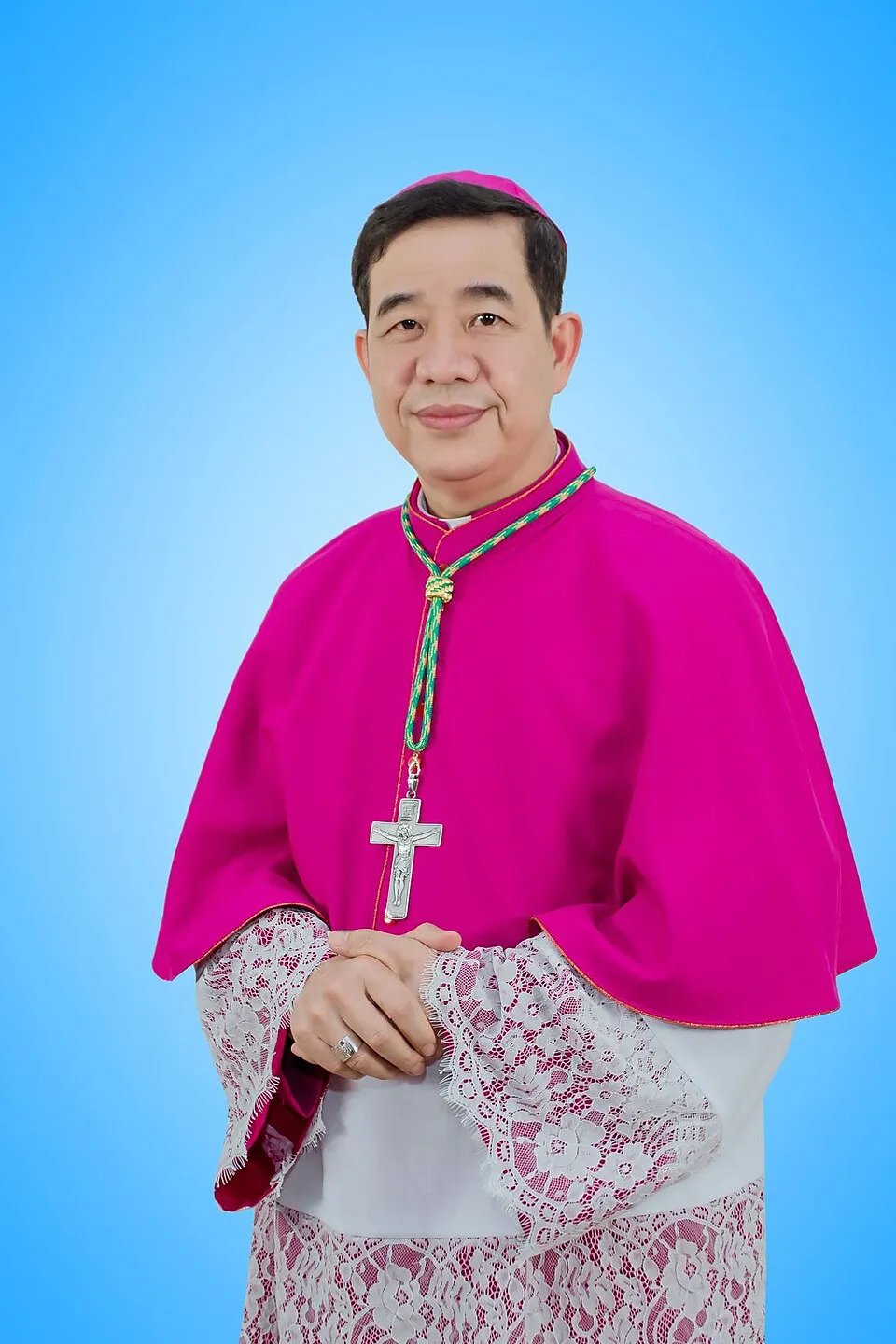
Bureaucratic Hurdles: Registration and Land Disputes
The government’s stringent management of religion creates multiple bureaucratic hurdles that directly impact bishops’ ability to lead their communities:
- Registration process: Religious organizations encounter lengthy, opaque procedures for official recognition. Applications must pass through multiple layers of local and provincial authorities, often taking 2-3 years for approval. Many are denied without clear explanations, based on vague criteria like “not meeting the requirements for national solidarity.” Requirements include proof of legitimacy, which is subjectively assessed, and detailed documentation of membership and activities. For example, a house church in Ho Chi Minh City applied for registration in 2020 and, as of 2026, still awaits a decision, despite repeated follow-ups. The process requires extensive paperwork, including historical records, organizational charts, and statements of belief, which are often rejected on technicalities. Bishops spend countless hours navigating this bureaucracy, time that could be spent on pastoral care.
- Land disputes: Conflicts over religious property are widespread. State-controlled religious management often leads to disputes where authorities claim ownership of church lands or refuse to recognize property rights. These disputes can last years, draining financial and emotional resources from communities. A common pattern involves properties that were confiscated during the collectivization era and have not been returned, or new constructions that are demolished for lacking permits due to bureaucratic delays. The Diocese of Phát Diệm’s dispute over a historic church property, ongoing since 2019, exemplifies how land issues can paralyze parish operations. In 2025, authorities in Thái Bình province seized land from a Catholic parish to build a government facility, offering inadequate compensation. Such actions not only cause material loss but also send a message of state dominance over religious assets.
- Impact on growth: Registration difficulties and land insecurity impede church expansion and community stability. Unregistered groups operate in a legal gray area, vulnerable to raids and closures. Land disputes prevent building new churches or expanding existing ones, limiting capacity for growing congregations. According to USCIRF, as of 2025, over 30% of Catholic parishes in Vietnam remain unregistered, restricting their ability to engage in public activities. Bishops must allocate significant time and energy to legal battles and negotiations with authorities, diverting them from pastoral ministry. The uncertain environment discourages new initiatives and undermines long-term planning, affecting the Church’s ability to serve the faithful effectively. The mental toll on bishops is considerable, as they balance shepherding their flock with the stress of ongoing legal confrontations.
These challenges create a difficult operating environment where bishops must constantly navigate bureaucracy to maintain basic religious operations. The cumulative effect is a Church that is legally vulnerable and perpetually on the defensive, struggling to fulfill its mission under a system designed to control rather than support.
Surveillance and National Security Justifications
Government surveillance of religious groups has intensified under the current legal framework, creating an atmosphere of fear and repression. Methods include:
- Monitoring gatherings: Plainclothes officers regularly attend worship services and religious events, taking notes on sermons, attendance, and discussions. They often record videos and photographs, which are used to build cases against leaders if “sensitive” topics are addressed.
- Informants: Authorities recruit members within religious communities to report on activities and leadership. These informants, sometimes coerced or paid, create mistrust among parishioners and undermine communal bonds.
- Digital tracking: Communications are monitored through interception of emails, social media, and messaging apps. Religious groups’ online presence is scrutinized for content deemed sensitive, such as posts about land rights or criticism of government policies. In 2025, several priests reported that their Facebook accounts were temporarily blocked after sharing articles about religious freedom.
- Required reporting: Religious leaders must submit regular activity reports, detailing membership numbers, events, and finances, which are then reviewed for potential security concerns. These reports are often used to identify “troublemakers” or justify interventions.
Authorities frequently frame religious activities, particularly those of independent, evangelical, and ethnic minority groups, as national security threats. This justification is especially prevalent in the Central Highlands, where ethnic minority conversions—such as the approximately 60 Montagnard individuals who embraced Catholicism—draw heightened scrutiny. The national security framing relies on broad legal provisions like Penal Code Article 87 (undermining national unity) and Article 109 (terrorism) to justify arrests and detentions.
For example, in 2025, several Montagnard pastors were arrested for “activities aimed at overthrowing the government” after leading worship gatherings that included discussions about land rights. Such cases create a chilling effect, causing many religious leaders to self-censor or limit activities for fear of reprisal.
Worship services become cautious, avoiding any topics that might be construed as political. Attendance may decline as members fear association.
For Vietnamese bishops, this surveillance complicates pastoral care and undermines trust within communities. The constant monitoring transforms worship from a free expression of faith into a potentially risky act, affecting the spiritual lives of countless Vietnamese Catholics. Bishops must balance shepherding their flock with avoiding actions that might trigger state retaliation, a delicate and stressful endeavor.
In the Central Highlands, bishops report that ethnic minority Catholics are often pressured to renounce their faith or inform on their communities, creating deep psychological trauma. The surveillance apparatus also extends to international communications, making it difficult for bishops to engage with global partners without fear of interception.
The bishops have documented these issues in reports to the Vatican and international bodies, arguing that surveillance violates the right to privacy and freedom of association. Despite their advocacy, the situation has worsened in 2026, with digital surveillance becoming more sophisticated and informant networks expanding. The national security narrative remains a powerful tool for justifying repression, especially against groups perceived as aligned with foreign influences or ethnic separatist movements.
A paradox defines the current situation: registered Catholic Masses in Vietnam often proceed without daily disruption, yet the overarching legal framework remains restrictive and containment-focused. The bishops’ advocacy highlights this disconnect between operational tolerance and systemic oppression. While individual parishes may experience relative calm, the institutional barriers to religious freedom persist, affecting the Church’s long-term vitality and autonomy.
Readers can support Vietnamese bishops by following the Catholic Bishops’ Conference of Vietnam’s official communications and amplifying their concerns through international religious freedom advocacy initiatives. Specifically, engage with organizations like the U.S.
Commission on International Religious Freedom (USCIRF) and Aid to the Church in Need to lobby for Vietnam’s religious freedom issues. Understanding these challenges helps global Catholics stand in solidarity with their Vietnamese brothers and sisters facing institutional barriers to faith practice.
The legacy of bishops’ advocacy—from the French Indochina era through the Vietnam War period to today—demonstrates a sustained commitment to religious liberty. Individual bishops, including those serving in dioceses across Vietnam, continue this work through daily pastoral leadership and engagement with civil authorities.
Their biographies, such as Bishop Joseph Nguyễn Chí Linh, Bishop Joseph Đỗ Quang Khang, Bishop Joseph Nguyễn Văn Bình, and Bishop Joseph Nguyễn Văn Tiếp, reflect the diverse leadership shepherding the Vietnamese Church today. These bishops, often operating under intense pressure, embody the resilience of the Catholic community in Vietnam.