The Catholic Bishops’ Conference of Vietnam (CBCV) coordinates the pastoral and administrative work of 27 dioceses through a defined executive leadership and committee system, with bishops bearing direct responsibility for diocesan governance, evangelization, and social engagement as of 2024. The conference’s executive leadership includes President Archbishop Joseph Nguyễn Năng of the Archdiocese of Ho Chi Minh City and Vice President Archbishop Joseph Vũ Văn Thiên of the Archdiocese of Hà Nội, alongside Secretary General Bishop Joseph Đỗ Mạnh Hùng and Deputy General Secretary Bishop Louis Nguyễn Anh Tuấn. This structure, re-founded in 1980 and shaped by constitutional amendments in 1992 and 2013, enables bishops to govern their local dioceses while collaborating nationally on evangelization, liturgical standards, and social welfare programs that serve millions of Vietnamese Catholics.
- The CBCV’s executive team includes President Archbishop Joseph Nguyễn Năng, Vice President Archbishop Joseph Vũ Văn Thiên, Secretary General Bishop Joseph Đỗ Mạnh Hùng, and Deputy Secretary General Bishop Louis Nguyễn Anh Tuấn.
- Bishops govern 27 dioceses across the three ecclesiastical provinces of Hà Nội, Huế, and Sài Gòn, focusing on local pastoral care, evangelization, and clergy formation.
- The conference actively directs social welfare programs, mediates church-state dialogue, and issues pastoral guidance on ethical issues, promoting the principle of “accompanying the nation.”
Current Leadership Structure of the Catholic Bishops’ Conference of Vietnam

The Catholic Bishops’ Conference of Vietnam operates through a clear executive hierarchy that ensures both centralized coordination and decentralized diocesan autonomy. This leadership structure, updated for 2024-2026, reflects the CBCV’s commitment to effective governance while representing the Vietnamese Catholic Church nationally and internationally.
Executive Leadership Team (2024-2026)
| Position | Name | Diocese |
|---|---|---|
| President | Archbishop Joseph Nguyễn Năng | Archdiocese of Ho Chi Minh City |
| Vice President | Archbishop Joseph Vũ Văn Thiên | Archdiocese of Hà Nội |
| Secretary General | Bishop Joseph Đỗ Mạnh Hùng | Diocese of Phan Thiết |
| Deputy General Secretary | Bishop Louis Nguyễn Anh Tuấn | Diocese of Hà Tĩnh |
These four bishops form the core executive team responsible for setting the CBCV’s strategic direction. They represent the conference in national forums, international Catholic gatherings, and in dialogues with Vietnamese government officials. Their coordination ensures that the diverse needs of 27 dioceses are addressed through unified pastoral initiatives while respecting local cultural contexts.
The President and Vice President, both archbishops of major metropolitan sees, provide the senior leadership necessary for navigating complex church-state relationships and theological matters. The Secretary General and Deputy manage day-to-day operations, committee oversight, and communication flows between the central secretariat in Hồ Chí Minh City and diocesan offices nationwide. For detailed profiles of individual bishops, such as Bishop Joseph Nguyễn Chí Linh, the CBCV maintains an official directory on its English portal.
Standing Committee and Specialized Committees
The CBCV’s executive leadership is supported by a network of specialized committees that enable bishops to collaborate on specific pastoral domains. This committee system distributes responsibilities across the conference’s full membership of active and retired bishops from all 27 dioceses.
Key committees include:
- Committee on Liturgy: Promotes uniform liturgical practices, oversees translations of rites into Vietnamese, and ensures sacramental validity across dioceses.
- Committee on Evangelization: Coordinates catechetical programs, supports missionary activities, and develops strategies for engaging youth and families.
- Committee on Social Services: Directs charitable works including poverty alleviation, disaster relief, and healthcare initiatives that serve both Catholics and the general public.
Each committee is chaired by a bishop and includes priests, religious, and lay experts. They produce guidelines, organize training workshops, and monitor implementation of CBCV directives at the diocesan level.
This structure allows bishops to pool expertise and resources—critical for a church with eight regional seminaries forming 11,713 seminarians from 26 dioceses. The committees also facilitate communication between the CBCV and Catholic organizations like Caritas Vietnam, ensuring that social outreach aligns with both Church teaching and national development goals.
Historical Foundation: Re-founded in 1980 and Constitutional Evolution
The CBCV’s current governance legitimacy stems from its re-founding in 1980, a pivotal year that restored episcopal collaboration after decades of disruption, including the challenging era of bishops during the Vietnam War. This re-establishment occurred during a period of significant social change in Vietnam, allowing bishops to coordinate pastoral care under a unified framework while maintaining each diocese’s canonical autonomy.
The conference’s constitutional framework evolved through two major documents:
- 1992 Constitution Amendment Draft: Established the CBCV’s legal identity and defined its relationship with the Holy See and Vietnamese government. This draft clarified the conference’s authority to issue collective pastoral letters and manage inter-diocesan programs.
- 2013 Revision: Updated the constitution to reflect post-normalization church-state relations, strengthen committee structures, and incorporate provisions for greater lay involvement in social services.
These documents matter because they provide the canonical and civil basis for today’s leadership elections, committee assignments, and decision-making processes. The 1992 draft, in particular, emerged from intense dialogue between bishops and government representatives, setting precedents for the “accompanying the nation” approach that defines modern CBCV activity.
The 2013 revision further refined these mechanisms, enabling more agile responses to contemporary challenges like urbanization, youth migration, and ethical questions in bioethics. This constitutional evolution ensures that the executive team and standing committees operate within a transparent, historically grounded framework recognized by both Church and state.
Governance of Vietnam’s 27 Dioceses Across Three Ecclesiastical Provinces
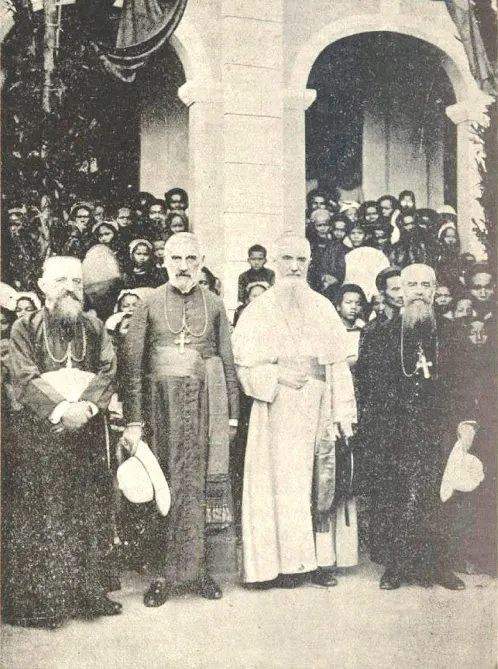
Vietnam’s Catholic Church is organized into a hierarchical structure of 27 dioceses grouped under three metropolitan ecclesiastical provinces. This geographic and administrative arrangement balances regional identity with national unity, allowing bishops to address local needs while participating in the CBCV’s collective mission.
Diocesan Structure: The Three Ecclesiastical Provinces and Their 27 Dioceses
The three ecclesiastical provinces—Hà Nội, Huế, and Sài Gòn—serve as regional coordination centers, each led by a metropolitan archbishop. These provinces are not merely geographic labels but functional units that facilitate clergy formation, liturgical uniformity, and resource sharing among suffragan dioceses.
The 27 dioceses include:
- Archdioceses: Hà Nội, Huế, Sài Gòn (Ho Chi Minh City)
- Suffragan dioceses, such as the Diocese of Đà Nẵng led by Bishop Joseph Nguyễn Văn Tiếp, are distributed across the provinces, covering all 58 provinces and five municipalities of Vietnam
- Archdioceses: Hà Nội, Huế, Sài Gòn (Ho Chi Minh City)
- Suffragan dioceses: Distributed across the provinces, covering all 58 provinces and five municipalities of Vietnam
All active and retired diocesan bishops, coadjutor bishops, and auxiliary bishops from these 27 dioceses are members of the CBCV. This inclusive membership ensures that every bishop, whether leading a major archdiocese or a rural diocese, has a voice in conference deliberations.
The provincial structure allows for regional meetings and tailored pastoral plans while the CBCV’s plenary assemblies—held twice annually—bring together the full episcopal body for national decisions. This dual-level system respects Vietnam’s cultural and geographic diversity, from the mountainous northwest to the Mekong Delta, while maintaining the Church’s visible unity under the CBCV presidency.
Episcopal Governance: Diocesan Bishops’ Administrative and Pastoral Authority
At the local level, each diocesan bishop, such as Bishop Joseph Nguyễn Văn Bình, exercises ordinary, proper, and immediate power in his diocese, subject to universal Church law. This authority encompasses three integrated dimensions:
Spiritual Leadership: The bishop is the chief teacher and sanctifier, responsible for promoting doctrine, celebrating the Eucharist, and ensuring valid administration of sacraments. He must safeguard the integrity of faith within his territory, correcting errors and guiding clergy and laity alike.
Chief Administration: The bishop governs the diocese as a juridic person, overseeing financial assets, property management, and personnel assignments. This includes appointing pastors, establishing or merging parishes, and managing diocesan seminaries and schools. In Vietnam, where dioceses often own significant land and buildings, this administrative role requires careful stewardship and compliance with civil regulations.
Pastoral Oversight: Beyond governance, bishops are shepherds who must personally visit parishes, confirm faithful, and engage with community challenges. Their authority is pastoral, not merely bureaucratic—they are called to be “father and teacher” among their people.
Coadjutor bishops assist diocesan ordinaries and automatically succeed them upon retirement or death, while auxiliary bishops provide specialized support in specific regions or ministries. In large archdioceses like Hà Nội and Sài Gòn, auxiliary bishops often oversee particular deaneries or apostolic works. This tiered system ensures continuity and distributes workload, especially in dioceses with millions of Catholics spread across vast territories.
Pastoral Care and Evangelization at the Local Level
Bishops, including Bishop Joseph Đỗ Quang Khang, implement evangelization and pastoral care through concrete programs that address everyday spiritual and social needs. Their local initiatives align with CBCV-wide priorities while adapting to diocesan demographics.
Key pastoral activities include:
- Sacramental Ministry: Ensuring regular Masses, baptisms, marriages, and anointings, with special attention to remote areas where priests serve multiple villages.
- Catechesis and Faith Formation: Overseeing religious education in parishes, Catholic schools, and through media. Bishops approve textbooks and catechists to maintain doctrinal consistency.
- Family Ministry: Promoting marriage preparation, family counseling, and pro-life initiatives, often in collaboration with the CBCV’s Committee on Family.
- Youth Outreach: Supporting Catholic youth movements, university chaplaincies, and vocational discernment programs to engage younger generations.
- Ethnic Minority Engagement: Adapting liturgy and catechesis for ethnic groups, often through bilingual clergy and inculturated practices.
A critical component of evangelization is clergy formation. The eight regional major seminaries—such as the Pontifical College of Saint Joseph in Hà Nội and the Seminary of Saint Peter and Paul in Huế—train priests who will serve across the 27 dioceses. With 11,713 seminarians from 26 dioceses currently in formation (as of 2024-2025), these institutions represent the future leadership pipeline.
Bishops personally oversee seminary curricula, faculty appointments, and ordinations, ensuring that new priests are both spiritually mature and culturally competent. This local-level evangelization, multiplied across all dioceses, sustains the Church’s growth and vitality in Vietnam.
Catholic Bishops’ Social Services and Church-State Relations
Beyond spiritual duties, Vietnamese bishops exercise significant societal influence through organized social services and diplomatic engagement with state authorities. This dual role reflects the CBCV’s stated mission of “accompanying the nation” as both a religious body and a civil society partner.
Charitable Work and Social Welfare Initiatives
The CBCV’s Committee on Social Services coordinates diocesan charitable activities into a nationwide network that delivers tangible aid. These initiatives are recognized by the Vietnamese government for their contribution to social stability and poverty reduction.
Specific programs include:
- Poverty Alleviation: Direct material assistance (rice, clothing, cash) to disadvantaged families, especially in rural and mountainous areas. Diocesan charity offices operate year-round, with intensified campaigns during Lunar New Year.
- Healthcare Support: Running free medical clinics, mobile health units, and pharmaceutical distribution. Many dioceses partner with Catholic hospitals and volunteer medical professionals to serve remote communities lacking government health infrastructure.
- Educational Assistance: Providing scholarships for poor students, supporting Catholic schools, and offering literacy programs for adults. The Church operates hundreds of primary and secondary schools nationwide.
- Disaster Relief: Rapid response to floods, typhoons, and droughts with emergency supplies, temporary shelters, and reconstruction aid. The CBCV central fund supplements diocesan efforts during major calamities.
- Pandemic Prevention: During COVID-19 and subsequent health emergencies, bishops organized vaccination support, isolation facilities, and public health messaging that complemented government campaigns.
These services are delivered through Caritas Vietnam, diocesan social action centers, and parish-based volunteers. The bishops’ oversight ensures that aid is distributed impartially, regardless of recipients’ religious affiliation, reinforcing the Church’s commitment to the common good. The Vietnamese government’s recognition of these efforts has strengthened the CBCV’s credibility as a constructive partner in national development.
Church-State Dialogue and the Resident Papal Representative
The CBCV occupies a unique mediating position between the Holy See and the Socialist Republic of Vietnam. This diplomatic role is exercised through formal dialogue channels and informal consultations, enabling bishops to advocate for Church interests while respecting state sovereignty.
A key element is the Resident Papal Representative—the Holy See’s diplomatic envoy to Vietnam. Although full diplomatic relations have not yet been established, the Resident Representative (currently Archbishop Marek Zalewski) serves as a bridge, facilitating communication on matters such as bishop appointments, religious freedom, and Church property issues. The CBCV’s leadership, particularly the President and Vice President, regularly meets with government officials from the Ministry of Foreign Affairs and the Government Committee for Religious Affairs to discuss these topics.
Recent years have seen efforts to “upgrade relations” toward a more formal diplomatic framework. Bishops have participated in joint seminars on religious governance and contributed to drafting amendments to the 2016 Law on Belief and Religion. The CBCV’s approach, described by its leaders as a “path of conversion,” emphasizes active service to Vietnamese society rather than confrontation.
This delicate balance allows bishops to speak on ethical issues—such as environmental protection and social justice—while maintaining the Church’s legal status and operational freedom. The standing committee’s work on constitutional amendments (1992 draft, 2013 revision) exemplifies this engagement, where bishops provided official observations on state law from a Catholic perspective.
Pastoral Letters and Ethical Guidance for Vietnamese Catholics
Collectively, Vietnamese bishops exercise their teaching authority through pastoral letters and public messages that address national ethical and spiritual challenges. These documents, issued by the CBCV’s standing committee or at plenary assemblies, guide the Catholic community’s engagement with contemporary Vietnamese society.
Notable examples include:
- Family and Life: Letters emphasizing the sanctity of marriage, opposition to abortion, and support for families affected by migration or economic pressures.
- Education: Guidance on Catholic education principles, encouraging parents to enroll children in Catholic schools while respecting public education options.
- Citizenship: Repeated calls for Catholics to be “good citizens and good Catholics,” balancing religious loyalty with civic responsibility. This dual identity is particularly important in a socialist state where religious activity is regulated.
The bishops have also issued formal observations on constitutional amendments, most notably the 1992 Constitution Amendment Draft and its 2013 revision. These submissions articulate Catholic social teaching on human rights, religious freedom, and the common good, providing a moral framework for legal development.
While not legally binding, these pastoral letters carry significant weight among Vietnam’s estimated 7 million Catholics, shaping their voting behavior, community involvement, and personal ethics. The CBCV’s secretariat distributes these documents through parish bulletins, the official website (cbcvietnam.org), and Catholic media outlets, ensuring wide dissemination.
Closing
The CBCV’s structure—balancing 27 diocesan autonomies with national coordination—allows it to uniquely navigate both spiritual leadership and societal engagement. This delicate balance enables Vietnamese bishops to address contemporary challenges while maintaining ecclesial unity.
For the latest pastoral letters, committee updates, and official statements, visit the CBCV’s English portal at Vietnamese bishops. The portal also provides historical context, current leadership contacts, and resources for understanding the Church’s role in modern Vietnam.
Frequently Asked Questions About Catholic Bishops Vietnam
Who is the current President of the Catholic Bishops' Conference of Vietnam?
Archbishop Joseph Nguyễn Năng of the Archdiocese of Ho Chi Minh City. He leads the conference which governs the Catholic Church in Vietnam.
How many dioceses are there in Vietnam and how are they structured?
Vietnam has 27 dioceses organized across three ecclesiastical provinces. Each province is headed by an archdiocese.
What is the number of seminarians in Vietnam?
There are 11,713 seminarians in Vietnam as per the latest data. This reflects the growth of vocations in the country's Catholic community.
What are the key positions in the Catholic Bishops' Conference of Vietnam leadership?
The leadership includes President Archbishop Joseph Nguyễn Năng, Vice President Archbishop Joseph Vũ Văn Thiên, Secretary General Bishop Joseph Đỗ Mạnh Hùng, and Deputy General Secretary Bishop Louis Nguyễn Anh Tuấn.
How does the Catholic Church in Vietnam engage with the state?
The Church coordinates social services across its 27 dioceses while navigating church-state relations under constitutional frameworks, including the 1992 Constitution Amendment Draft and the 2013 Revision.