During French colonial rule, Catholic bishops in Vietnam faced an impossible dilemma: serve their spiritual flock while answering to imperial masters who controlled their appointments, property, and diplomatic ties to Rome. This tense symbiosis fueled a post-WWI movement for an independent national church and created deep societal wounds that the modern Catholic Bishops’ Conference of Vietnam still navigates today.
- The protectorate system gave French officials control over bishop appointments and church affairs, creating inherent conflict with papal authority.
- Post-WWI, Vietnamese clergy and laity increasingly demanded self-governance, leading to the gradual indigenization of church leadership.
- Colonial-era favoritism toward Catholics generated lasting resentment with the Buddhist majority and nationalist movements, divisions the modern CBCV works to heal.
Balancing Dual Allegiances: Faith and French Imperial Authority
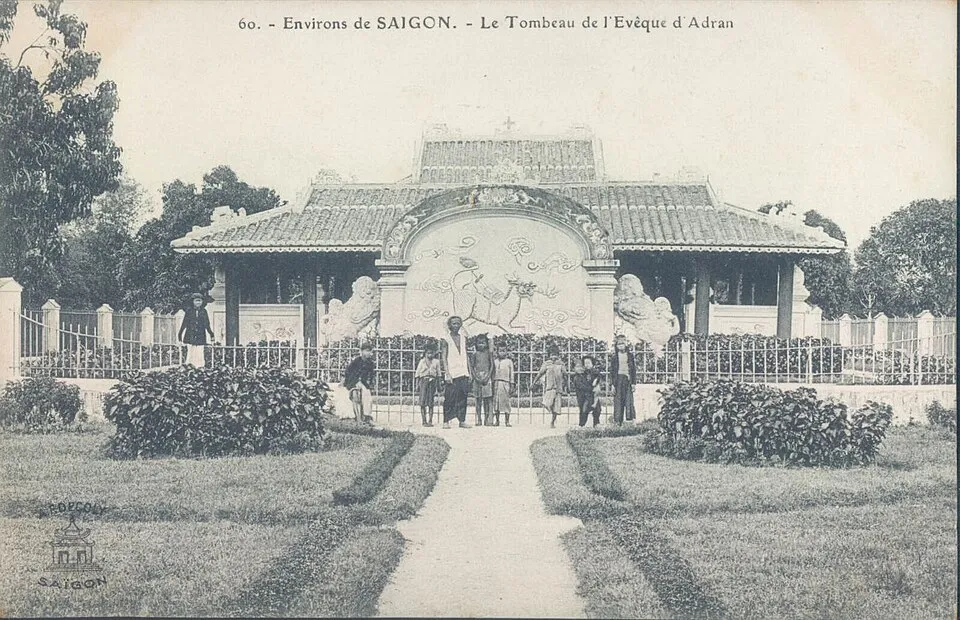
The fundamental reality for Catholic bishops in colonial Vietnam was structural contradiction. France’s protectorate agreements, established in the 19th century, claimed to shield the church from persecution while simultaneously placing it under state control. French officials assumed the right to approve or reject episcopal nominations before they reached Rome, managed diplomatic relations with the Vatican, and exercised oversight over church property, defining Bishops in French Indochina’s complex position.
This arrangement created a built-in tension: bishops needed French military and administrative support to expand missions, build churches, and protect Catholics in a predominantly Buddhist society, yet that support came at the cost of ecclesiastical autonomy. The French viewed bishops as instruments of civilizing influence, while bishops sought to preserve spiritual independence amid political subordination.
Land ownership became the most visible battlefield in this church-state conflict. Catholic missions, schools, and hospitals required physical space, often acquired through complex arrangements with local communities or the colonial administration. French authorities periodically seized church lands for public works projects—roads, railways, administrative buildings—without adequate compensation, directly undermining episcopal authority and financial stability.
Conversely, the colonial state frequently granted preferential land rights to Catholic communities, especially in areas like the Red River Delta and Cochinchina, fueling resentment among Buddhist villagers and nationalist groups who saw the church as a colonial collaborator. These disputes were not merely legal but deeply symbolic, representing competing visions of community, belonging, and rightful ownership in a transforming society.
Bishops responded by building parallel social institutions that both served the Catholic community and reinforced colonial modernity. With French financial and logistical support, they established an extensive network of schools—from primary seminaries to elite colleges—hospitals, orphanages, and social welfare centers. By the 1930s, Catholic education in Vietnam included thousands of students across dozens of institutions, many staffed by French religious orders but increasingly taught in Vietnamese.
This institutional expansion increased the church’s influence and created a Vietnamese Catholic elite educated in both Western and traditional learning. However, these services primarily benefited Catholic populations, widening the gap with the Buddhist majority and embedding the church within the colonial power structure. The bishops’ success in education and health thus became a double-edged sword: it strengthened the church internally but deepened external societal divisions.
The Post-WWI National Church Movement: From Missionary to Indigenous Leadership
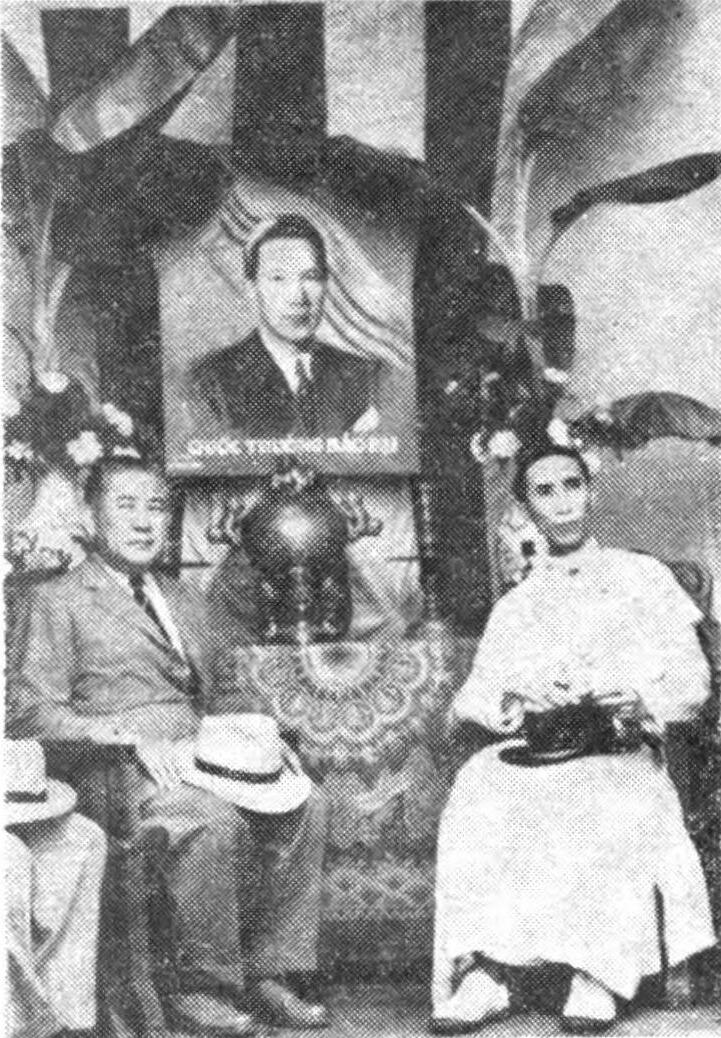
The aftermath of World War I accelerated demands for an authentically Vietnamese church, independent of foreign missionary control. Several interconnected developments drove this indigenization movement:
- Growth of native clergy: Vietnamese seminarian numbers rose dramatically after 1918, with more locals entering major seminaries and being ordained as priests. By the 1920s, Vietnamese priests outnumbered foreign missionaries in many regions, creating a demographic shift that naturally pressured leadership changes.
- Formation of Catholic associations: Lay and clerical groups emerged to promote Vietnamese Catholic identity, organize community events, and advocate for greater participation in church governance. These associations often operated under French oversight but cultivated distinctly Vietnamese expressions of faith.
- Petitions to Rome: Clergy and laity sent formal requests to the Vatican demanding more Vietnamese bishops and reduced French interference in ecclesiastical appointments. These appeals cited the growing maturity of the local church and the need for inculturation—adapting Catholic practice to Vietnamese cultural contexts.
- Resistance to French control: Some bishops and priests openly challenged the protectorate system’s intrusion into church affairs, risking confrontation with colonial authorities. This resistance was rarely revolutionary but persistent, focusing on canonical rights rather than political independence.
These efforts reflected a broader global trend toward decolonizing church structures, but in Vietnam they carried particular urgency given the church’s entanglement with French rule. The movement gained momentum through the 1920s and 1930s, laying the groundwork for eventual leadership transition.
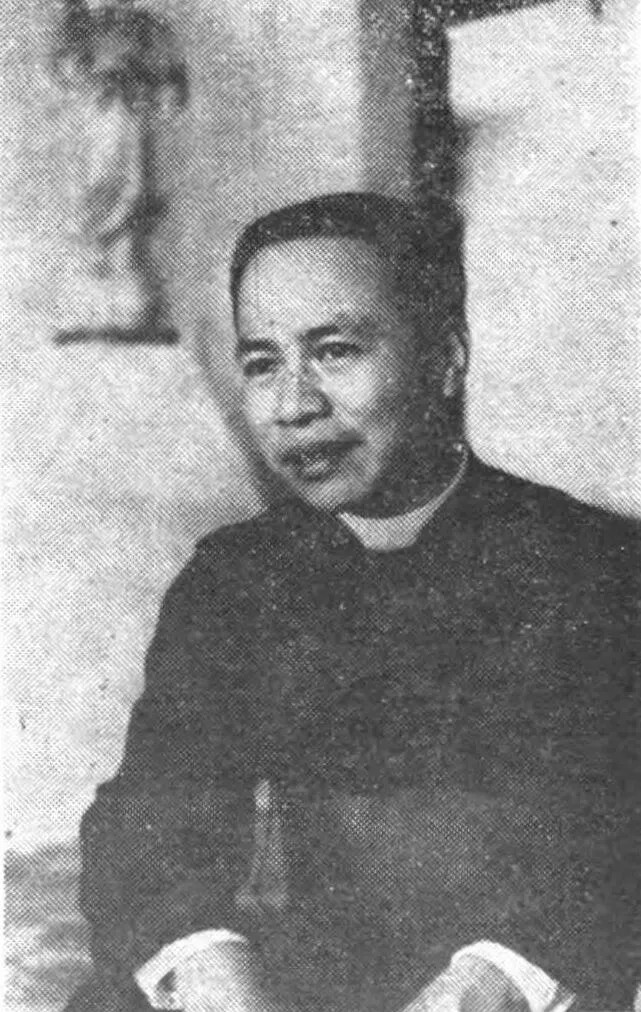
The actual transfer of episcopal authority from foreign missionaries to Vietnamese prelates occurred gradually, primarily in the mid-20th century. The first Vietnamese bishop of the modern era was appointed in the 1930s—a milestone that broke the near-exclusive monopoly of French, Spanish, and other European prelates, a pivotal moment in the history of Vietnamese bishops. This shift resulted from combined pressures: Vatican policy favoring indigenous leadership (especially after Pope Pius XI’s 1922 encyclical Rerum Ecclesiae), the numerical superiority of native clergy, and persistent advocacy by Vietnamese Catholics.
By the 1950s, most dioceses in what became South Vietnam were led by Vietnamese bishops, while the North saw similar transitions after the 1954 Geneva Accords. The process was neither smooth nor complete—some missionary orders retained influence, and French-born bishops remained in certain positions—but the direction was clear: the church in Vietnam was becoming a national church, not a colonial extension.
Colonial Legacies: Lasting Divisions and the Modern Church’s Path
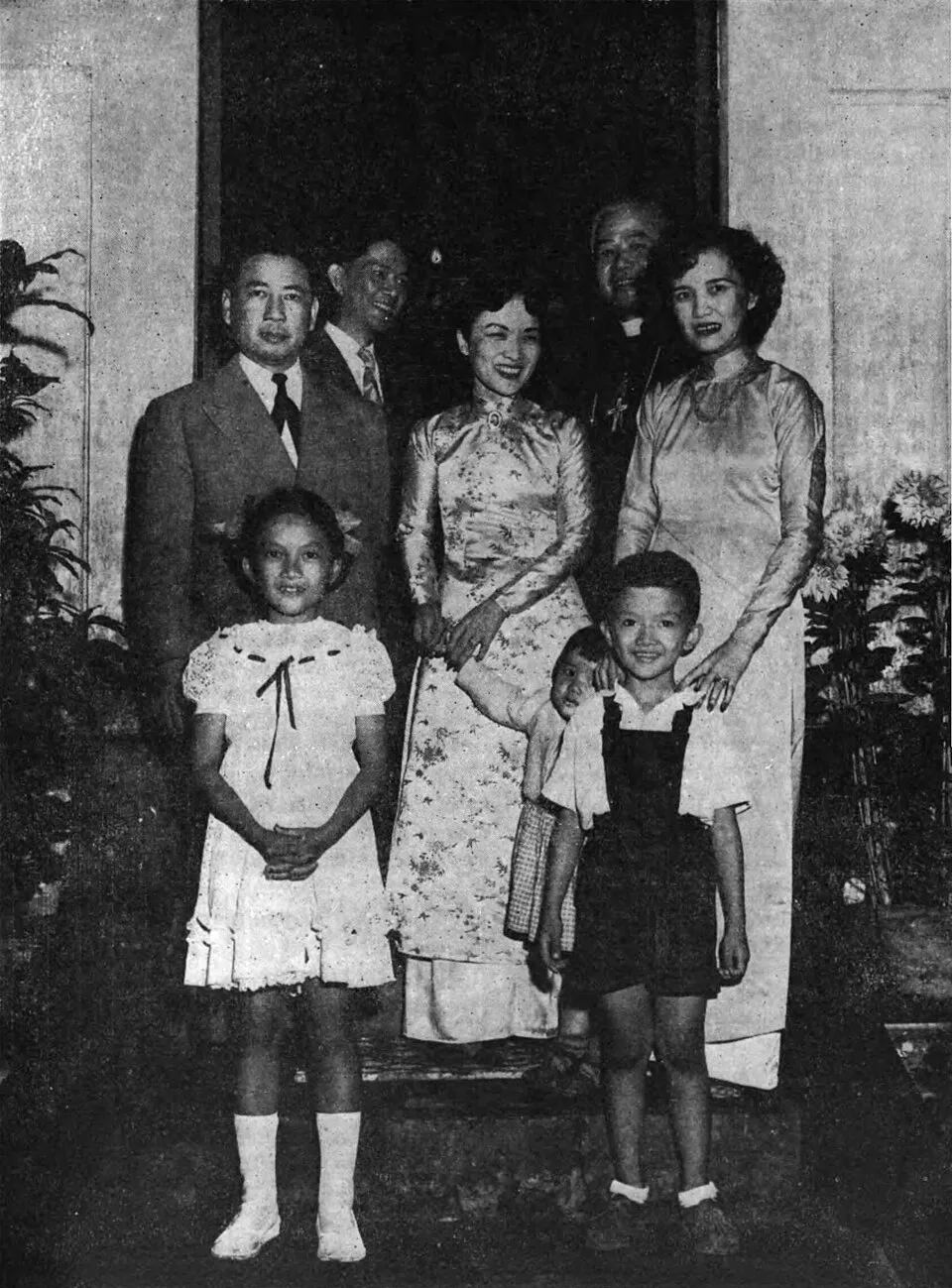
The colonial period’s most enduring consequence was the fracturing of Vietnamese society along religious and political lines. Catholic communities, having received educational advantages, legal protections, and economic opportunities under French rule, were perceived by many Buddhists and nationalists as privileged outsiders. This perception hardened into resentment during the anti-colonial struggles of the 1940s and 1950s, when Catholic allegiance to the French and later the South Vietnamese government made the church a target for nationalist and communist propaganda.
The Buddhist crisis of 1963, which highlighted Catholic dominance in the Diem regime, traced its roots directly to colonial-era favoritism, a conflict that tested Bishops during the Vietnam War’s leadership. Even after 1975, when the Socialist Republic of Vietnam unified the country, the memory of Catholic-French collaboration continued to complicate church-state relations and interfaith dialogue, creating a legacy of suspicion that required careful navigation by subsequent generations of bishops.
The independent Catholic Bishops’ Conference of Vietnam (CBCV), established in its modern form after 1975, has taken on the delicate task of addressing these historical wounds. Operating within a socialist framework that recognizes the church but restricts its activities, the CBCV emphasizes Vietnamese Catholic identity—inculturation of liturgy, use of Vietnamese language in the Mass, and engagement with national culture—while maintaining communion with Rome. The conference actively promotes reconciliation with Buddhist and other religious communities, participates in state-sponsored interfaith events, and advocates for the church’s social contributions without revisiting colonial grievances.
Its website, cbcvietnam.org, serves as a portal for this balanced approach, presenting the church as a Vietnamese institution with universal ties. The CBCV’s work demonstrates how the colonial past continues to shape episcopal priorities: bishops today must constantly balance fidelity to global Catholicism with sensitivity to local historical memory, all while serving a flock still divided along lines drawn a century ago.
The colonial era’s greatest irony is that French “protection” simultaneously empowered the Vietnamese church and bound it to an imperial project, forcing bishops to become both collaborators and resisters. This complex legacy means today’s bishops at cbcvietnam.org must constantly balance universal Catholic unity with a deeply local Vietnamese identity. To see this history’s modern outcome, explore the current leadership and programs of the Catholic Bishops’ Conference of Vietnam.
Frequently Asked Questions About Bishops In Colonial Vietnam
Did the French introduce Catholicism to Vietnam?
Since the late 17th century, French missionaries of the Paris Foreign Missions Society and Spanish missionaries of the Dominican Order were gradually taking the role of the evangelization in Vietnam.
What happens at 3am Catholic?
Church teaching says nothing about the time of 3 a.m. However, in popular culture it has become known as the “devil's hour.” This is because Gospel tradition reports that Jesus died at 3 p.m., and so—because the devil likes to mock God— the inverse hour of 3 a.m.
What does 888 mean in Vietnam?
The number 8 is considered lucky in Vietnam. So 888 means prosperity, wealth, and good luck.
Which country is 100 percent Catholic?
The country with the largest percentage of its population having membership in the church is Vatican City at 100%, followed by Timor-Leste at 97%. According to the World Christian Database, there are 1.279 billion Catholics worldwide as of 2026, which constitute 47.8% of 2.674 billion Christians.