Archbishop Paul Bùi Văn Đọc life story (1944–2018) reveals a dedicated shepherd who rose from seminary rector to lead Vietnam’s largest archdiocese, becoming a pivotal advocate for family pastoral care. He served as Archbishop of Ho Chi Minh City from 2014 until his sudden passing in Rome in 2018 and as President of the Catholic Bishops’ Conference of Vietnam (CBCV) from 2013 to 2016. His participation in the Synod of Bishops on the Family brought global attention to the Vietnamese Church’s approach to family ministry.
- Born in Đà Lạt (1944), ordained priest (1970), and formed generations as seminary rector (1975–1995).
- Appointed Bishop of Mỹ Tho (1999), then Archbishop of Ho Chi Minh City (2014), leading Vietnam’s largest archdiocese.
- Presided over the CBCV (2013–2016) and represented Vietnamese families at the Synod of Bishops on the Family.
- Died in Rome (2018) during an ad limina visit, leaving a legacy of family-focused Church renewal.
Early Life and Priestly Formation of Archbishop Paul Bùi Văn Đọc
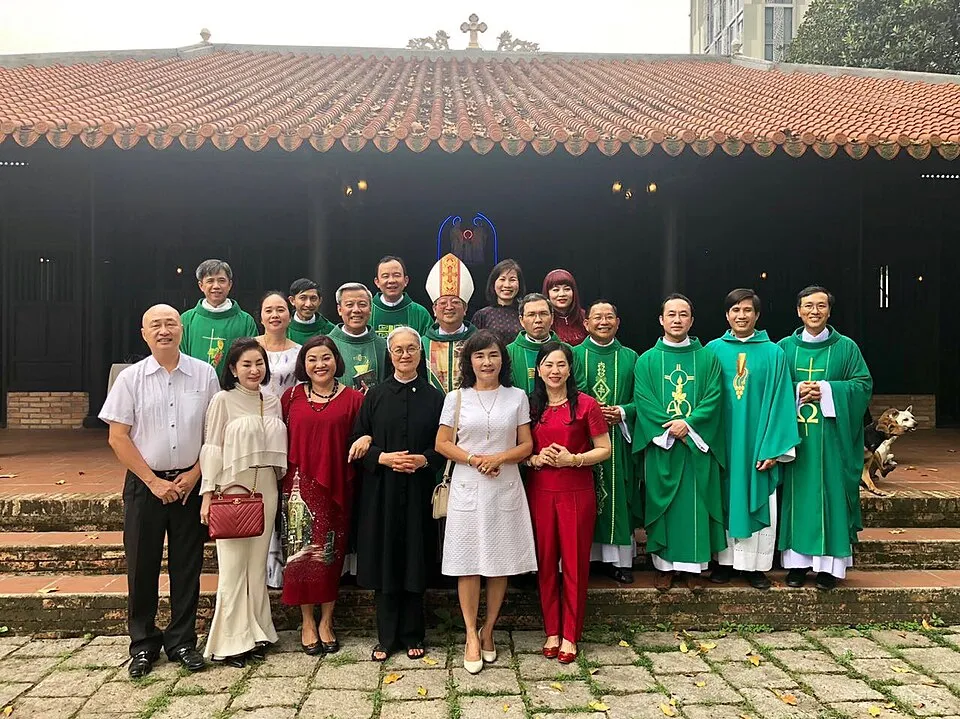
Archbishop Paul Bùi Văn Đọc’s early years in the Central Highlands city of Đà Lạt shaped his lifelong commitment to service and education. His journey from a young seminarian to a respected rector spanned three transformative decades, laying the foundation for his future leadership.
Birth in Đà Lạt and Early Years (1944–1970)
Paul Bùi Văn Đọc was born on November 11, 1944, in Đà Lạt, Vietnam, a city known for its cool climate and Catholic heritage (Catholic-Hierarchy.org). His birth occurred during the final years of French Indochina, a period of significant political transition and bishops in French Indochina shaping the Church’s legacy. In 1956, he entered Saint Joseph Seminary in Sài Gòn (now Ho Chi Minh City), beginning his formal ecclesiastical education.
From 1964 to 1970, he pursued advanced studies in philosophy and theology at the Pontifical Urbaniana University in Rome, a prestigious institution for missiology and theology. This international formation exposed him to universal Church perspectives, which later informed his pastoral approach. He returned to Vietnam and was ordained a priest on December 17, 1970, in his birthplace of Đà Lạt, marking the start of his clerical ministry during a turbulent era of bishops during the Vietnam War and post-war reconstruction.
Priestly Ordination and Initial Ministry
His ordination in Đà Lạt linked him to the local Church from the outset. While specific early assignments between 1970 and 1975 are not extensively documented, his rapid rise to leadership indicates early recognition of his capabilities. The post-Vietnam War period presented immense challenges for the Church, including limited resources and a need for renewed evangelization.
Archbishop Đọc’s initial ministry likely involved parish work and spiritual direction, experiences that grounded his understanding of grassroots pastoral needs. These early years were crucial in developing the pastoral sensitivity that later defined his episcopacy.
Two Decades as Rector of Minh Hoa Major Seminary (1975–1995)
In 1975, following the end of the Vietnam War, Paul Bùi Văn Đọc was appointed Rector of Minh Hoa Major Seminary, a position he held for 20 years until 1995 (Ucanews.com, EWTN). This tenure placed him at the helm of priestly formation during one of the most difficult periods in Vietnam’s modern history. The seminary faced shortages of faculty, materials, and stable funding.
Yet, under his leadership, it continued to educate and form future priests for dioceses across the country. His educational philosophy emphasized a balance of academic rigor, spiritual depth, and practical pastoral skills.
He personally mentored numerous seminarians, many of whom later became bishops and pastors. This two-decade investment in clergy formation gave him unparalleled insight into the strengths and needs of Vietnam’s priestly ranks, directly influencing his later policies as bishop and archbishop.
Vicar General of Đà Lạt Diocese
In 1995, after two decades as seminary rector, Bishop Đọc was appointed Vicar General of the Diocese of Đà Lạt (Ucanews.com, SGGPO). As vicar general, he assisted the diocesan bishop in administrative oversight, pastoral planning, and clergy management. This role served as a critical bridge to the episcopacy, providing him with hands-on experience in diocesan governance.
He managed day-to-day operations, supervised parish activities, and addressed the spiritual and material needs of the faithful in the Central Highlands. His effectiveness in this position demonstrated his administrative acumen and pastoral heart, leading to his nomination for the episcopacy just four years later.
Episcopal Appointments and Leadership Roles of Archbishop Paul Bùi Văn Đọc
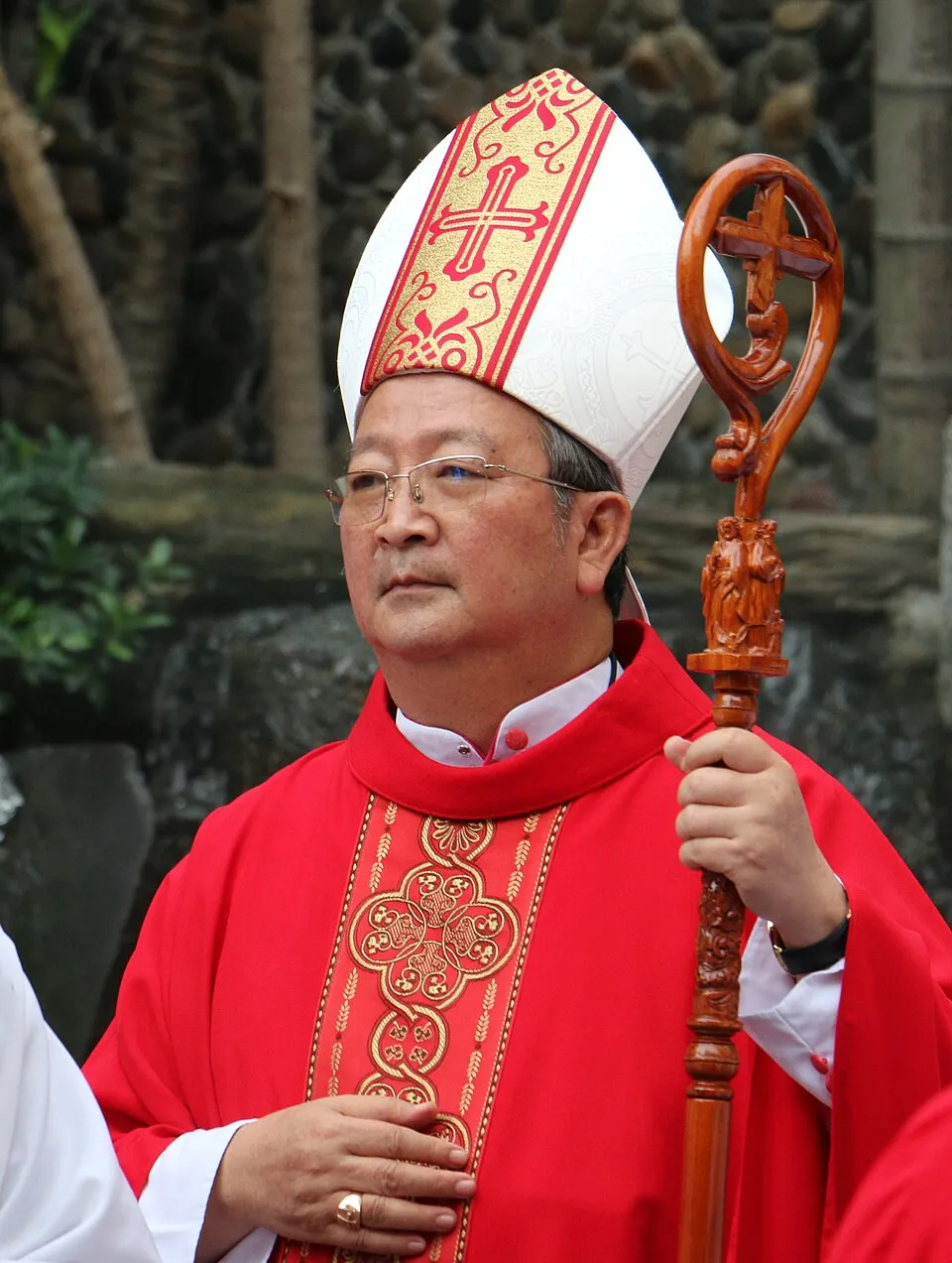
Archbishop Đọc’s episcopal career progressed through key appointments that placed him at the center of the Vietnamese Church’s hierarchy. From the Mekong Delta to the bustling metropolis of Ho Chi Minh City, his leadership expanded in scope and influence.
Appointment as Bishop of Mỹ Tho
On March 26, 1999, Pope John Paul II appointed Paul Bùi Văn Đọc as Bishop of Mỹ Tho, a diocese in the fertile Mekong Delta region (Catholic-Hierarchy.org, SGGPO). He was consecrated a bishop on May 20, 1999, by Cardinal Jean-Baptiste Phạm Minh Mẫn, then Archbishop of Ho Chi Minh City. This first episcopal see allowed him to shepherd a diverse diocese with both urban and rural communities.
Bishop Đọc focused on strengthening parish life, promoting vocations, and addressing poverty in the delta. His four-year tenure in Mỹ Tho (1999–2003) built his reputation as a compassionate and capable leader, setting the stage for greater responsibilities.
Timeline of Archiepiscopal Appointments
Archbishop Đọc’s rise to the nation’s primary archdiocese was marked by two pivotal appointments:
| Date | Appointment | Significance |
|---|---|---|
| September 28, 2013 | Coadjutor Archbishop of Ho Chi Minh City | Named by Pope Francis to assist Cardinal Jean-Baptiste Phạm Minh Mẫn and ensure smooth succession. This role gave him immediate involvement in the archdiocese’s major decisions. |
| March 22, 2014 | Archbishop of Ho Chi Minh City | Succeeded Cardinal Phạm Minh Mẫn upon the latter’s resignation. He became the spiritual leader of Vietnam’s largest archdiocese, serving millions of Catholics in the country’s economic and cultural hub. |
The Archdiocese of Ho Chi Minh City is the ecclesiastical province’s metropolitan see, making this appointment the pinnacle of his ecclesiastical career. His leadership here directly impacted the Church’s direction in southern Vietnam.
Presidency of the Catholic Bishops’ Conference of Vietnam (2013–2016)
During his tenure as Archbishop of Ho Chi Minh City, Paul Bùi Văn Đọc also served as President of the Catholic Bishops’ Conference of Vietnam (CBCV) from 2013 to 2016 (Wikipedia, Simple Wikipedia). As president, he chaired the assembly of all Vietnamese bishops, coordinating national pastoral initiatives and representing the Church in dialogues with the government. His presidency focused on several key areas:
- Clergy formation: Enhancing seminary education and ongoing priestly development.
- Diocesan renewal: Encouraging parishes to deepen community life and evangelization.
- Family pastoral care: Advancing programs that support marriages and families, drawing from his Synod experience.
- Social communications: Modernizing the Church’s media outreach to engage younger generations.
He was elected to this role in 2013, reflecting the high esteem in which his brother bishops held him. His term coincided with a period of increased international engagement for the Vietnamese Church.
Final Days and Passing in Rome (2018)
On March 6, 2018, while participating in the ad limina visit of the CBCV to the Vatican, Archbishop Paul Bùi Văn Đọc suffered a sudden medical emergency. During a mass at the Basilica of Saint Paul Outside the Walls, he collapsed, suspected of a heart attack. He was rushed to San Camillo Hospital in Rome, where he was pronounced dead (Fides.org, Ucanews.com).
His passing shocked the Vietnamese Church and the wider Catholic world. Tributes poured in from Pope Francis, the Vatican, and bishops across Asia, praising his humility, pastoral zeal, and intellectual contributions.
He was buried in Đà Lạt, his birthplace, in a funeral attended by thousands of clergy and faithful. His death at age 73 cut short a papacy that had already left an indelible mark on the Church in Vietnam.
Archbishop Paul Bùi Văn Đọc’s Advocacy for Family Pastoral Care
Beyond administrative leadership, Archbishop Đọc is remembered as a passionate advocate for the family. His theological reflections and pastoral initiatives placed the family at the center of the Church’s mission in Vietnam.
Participation in the Synod of Bishops on the Family
Archbishop Đọc served as a synod father in the Extraordinary Synod of Bishops on the Family held in Rome from October 5–19, 2014 (CBCV.org, Youtube.com). This synod, convened by Pope Francis, addressed contemporary challenges facing families worldwide. Archbishop Đọc contributed to discussions, emphasizing that pastoral care for families is “an art” requiring discernment, accompaniment, and flexibility.
In an interview with CBCV after the synod, he clarified that the topic was broad, encompassing not only marriage and nuptial issues but also the family’s role in society and the Church. His interventions highlighted the Vietnamese context: strong family values under pressure from migration, economic change, and secularization. He brought a global perspective while grounding his contributions in the lived reality of Asian families.
Key Family Pastoral Care Initiatives in Vietnam
Back in the Archdiocese of Ho Chi Minh City, Archbishop Đọc translated his synod insights into concrete programs:
- Marriage preparation: He mandated comprehensive pre-marital courses that included spiritual formation, communication skills, and conflict resolution, moving beyond mere canonical requirements.
- Family catechesis: He promoted resources for families to catechize their children at home, recognizing the family as the “domestic church.”
- Support for vulnerable families: He established outreach ministries for families affected by poverty, disability, or migration, often partnering with Catholic charities.
- Accompaniment model: He trained clergy and lay ministers to accompany families with sensitivity, avoiding judgment and instead offering guidance through difficulties like infertility or marital strife.
- Synod implementation: Through the CBCV, he disseminated synod documents and encouraged dioceses to develop family-friendly pastoral plans, ensuring the synod’s spirit reached parish level.
These initiatives reflected his belief that strong families are the bedrock of a healthy Church and society.
Lasting Legacy in Church Renewal
Archbishop Đọc’s focus on family pastoral care catalyzed a broader renewal in the Vietnamese Church, particularly in urban areas like Ho Chi Minh City where rapid modernization strained traditional family structures. His successor, Archbishop Joseph Nguyễn Văn Nhơn (who became Apostolic Administrator after his death), continued to prioritize family ministries, building on the foundation Đọc laid. The CBCV’s current family programs still echo his emphasis on accompaniment and artful pastoral care.
His legacy endures in the many priests and lay leaders he trained, who now implement his vision across Vietnam’s 27 dioceses. For a Church seeking to engage younger generations, his teachings on the family remain a vital resource.
Archbishop Paul Bùi Văn Đọc life story is ultimately one of steadfast commitment to the grassroots. Despite his high office, he remained a “shepherd of families” at heart, believing that administrative leadership must serve the most fundamental unit of the Church. Readers seeking to understand his vision can study his 2015 Synod intervention, available in the Vatican archives, which concisely captures his approach to family pastoral care and offers practical principles for any faith community.