Bishop Joseph Trần Xuân Tiếu passed away on January 7, 2025, at the age of 80, concluding a life dedicated to shepherding the Catholic community in Vietnam’s Mekong Delta region. He served as Bishop of Long Xuyên from October 2, 2003, until his retirement on February 23, 2019—a tenure spanning 16 years.
Known for his pastoral compassion and deep connection to the region, Bishop Tiếu’s most documented achievement was overseeing the recovery of the historic St. Thomas Seminary in 2018, which restored a critical institution for priestly formation in southern Vietnam.
Key facts about Bishop Joseph Trần Xuân Tiếu:
- Born August 20, 1944; died January 7, 2025, at age 80
- Served as Bishop of Long Xuyên from October 2, 2003, to February 23, 2019 (16 years)
- Oversaw the recovery of St. Thomas Seminary in 2018
- Known for pastoral compassion and Mekong Delta contributions
- Current Bishop of Long Xuyên is Joseph Trần Văn Toản (since 2019)
Biographical Profile and Tenure of Bishop Joseph Trần Xuân Tiếu
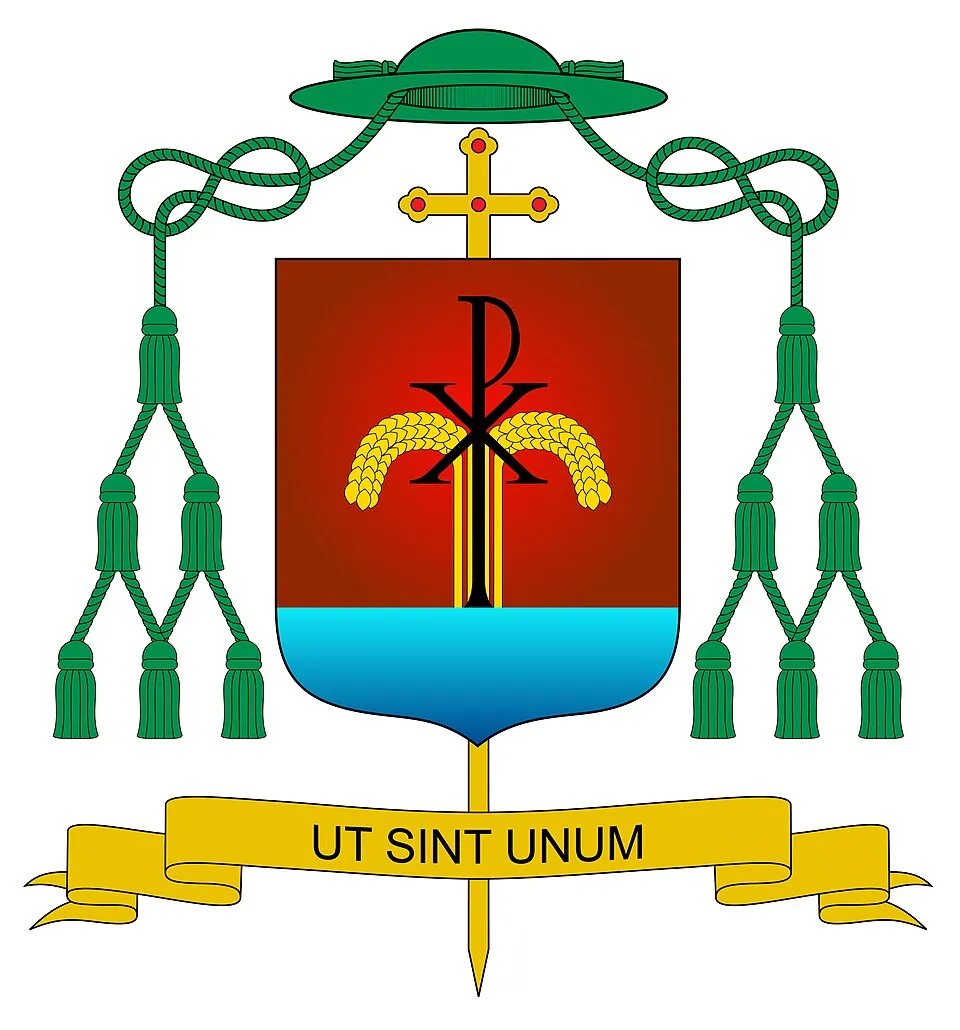
Life Dates and Episcopal Appointment
The chronological framework of Bishop Tiếu’s life and ministry is marked by significant dates that reflect his lifelong service to the Church.
| Event | Date | Age |
|---|---|---|
| Birth | August 20, 1944 | 0 |
| Episcopal Appointment | October 2, 2003 | 59 |
| Retirement | February 23, 2019 | 74 |
| Death | January 7, 2025 | 80 |
His appointment at age 59 placed him in the typical range for episcopal leadership, allowing for a substantial period of service before reaching the canonical retirement age of 75. His lifespan spanned some of the most transformative periods in modern Vietnamese history, from the final years of French Indochina through the Vietnam War—a period of bishops’ leadership amid conflict—reunification, and the subsequent development of the Socialist Republic of Vietnam. This personal historical context likely informed his pastoral approach to a diocese deeply affected by decades of conflict and change.
The process of episcopal appointment in Vietnam follows the universal practice of the Catholic Church: the Pope selects bishops based on recommendations from the Apostolic Nuncio, who consults with the local ecclesiastical province and the Catholic Bishops’ Conference of Vietnam (CBCV). For the Diocese of Long Xuyên, this process resulted in Bishop Tiếu’s appointment in 2003, first as coadjutor bishop in 1999, then as ordinary bishop upon his predecessor’s retirement in 2003. This canonical structure ensures continuity in leadership while allowing local input through the national bishops’ conference.
16-Year Leadership of Long Xuyên Diocese
The Diocese of Long Xuyên occupies a unique position within Vietnam’s ecclesiastical landscape as the primary Catholic jurisdiction in the country’s southern Mekong Delta region. Bishop Tiếu’s 16-year episcopacy provided crucial stability for this geographically complex area, where river networks, rural communities, and diverse ethnic groups present distinct pastoral challenges. A tenure of this length enables long-term planning and sustained relationships with both clergy and laity—particularly important in a region where transportation across waterways requires significant time and resources.
During his leadership, the diocese navigated the ongoing socio-economic development of the Mekong Delta, balancing evangelization with the practical needs of a population engaged primarily in agriculture and aquaculture. The post-war period saw gradual rebuilding of church infrastructure and formation programs, tasks that demanded patient, steady guidance. Bishop Tiếu’s extended service allowed him to shepherd the diocese through these developments without the disruption of frequent leadership changes, fostering a sense of continuity that is especially valuable in mission territories.
Who Serves as Bishop of Long Xuyên Today?
Following Bishop Tiếu’s retirement on February 23, 2019, at age 74, Joseph Trần Văn Toản was appointed as his successor. Bishop Toản had previously served as an auxiliary bishop in the same diocese before his appointment as ordinary, ensuring a smooth canonical transition. This succession pattern reflects the Church’s preference for internal candidates who understand the local context—a practice that maintains institutional memory and pastoral consistency.
Bishop Tiếu’s transition to emeritus status meant he ceased governing the diocese but continued to offer spiritual support and occasional assistance, as is customary for retired bishops. For Catholics seeking current information about Long Xuyên Diocese—including Mass schedules, parish locations, or diocesan initiatives—the most reliable sources are the official diocesan communications through cbcvietnam.org and local parish announcements. The diocese’s website provides updated contact information and news about Bishop Toản’s current pastoral priorities, which continue to build upon the foundations laid during Bishop Tiếu’s tenure.
What Were Bishop Joseph Trần Xuân Tiếu’s Key Contributions?
St. Thomas Seminary Recovery Initiative (2018)
The most concrete and documented achievement of Bishop Tiếu’s episcopacy was the recovery of St. Thomas Seminary in 2018.
This institution, originally founded during the French colonial period, had been seized by the state in 1976 following Vietnam’s reunification. Its return to Catholic operation represented a significant milestone in the normalization of Church-state relations in Vietnam, particularly in the sensitive area of religious education.
The seminary’s recovery likely involved extensive negotiations between diocesan authorities and government agencies, followed by physical renovation and program restoration to meet modern formation standards. For the Mekong Delta region, this development was critical: St.
Thomas Seminary serves as the primary formation center for seminarians from Long Xuyên and surrounding dioceses, ensuring a steady supply of priests for a geographically dispersed population. The 2018 reopening meant that local candidates could receive philosophical and theological training within their region rather than traveling to major seminaries in other parts of Vietnam, reducing costs and maintaining cultural connections.
This achievement demonstrated Bishop Tiếu’s patient advocacy and his ability to work within Vietnam’s legal framework for religious activities. The seminary’s return after more than four decades stands as a testament to his diplomatic skill and commitment to the future of the local Church.
Pastoral Compassion and Mekong Delta Service
Throughout his ministry, Bishop Tiếu was consistently described as a pastor marked by pastoral compassion—a term that in Catholic episcopal ministry encompasses regular visits to parishes, personal attention to clergy needs, and particular concern for the poor and marginalized. In the Mekong Delta, where poverty remains a challenge despite agricultural abundance, this focus on the marginalized took on special significance. The region’s many ethnic minority communities, including Khmer and Cham Catholics, require targeted pastoral outreach that respects cultural differences while fostering unity.
Bishop Tiếu’s earlier service as vicar general of Long Xuyên (1995-1999) and pastor of Long Xuyên Cathedral gave him deep familiarity with the diocese’s grassroots needs before his episcopal appointment. This background informed his leadership style, which emphasized accessibility and presence. While specific programs are not detailed in available sources, his reputation suggests a preference for direct engagement over administrative distance—a quality highly valued in a region where travel between parishes can take hours by boat or motorbike along narrow roads.
Long Xuyên Diocese’s Cultural Engagement Context
The Long Xuyên Diocese has developed a distinctive reputation for integrating Vietnamese cultural expressions into Catholic worship, a practice known in theological terms as inculturation. This approach encompasses the use of traditional Vietnamese music, respectful dance forms, and local customs within liturgical celebrations, making the faith more accessible while maintaining doctrinal integrity. The diocese’s efforts in this area reflect the broader movement within the Vietnamese Catholic Church to express Catholic identity through Vietnamese cultural forms rather than imposing foreign European models.
During Bishop Tiếu’s tenure (2003-2019), this cultural engagement continued and likely evolved, though specific initiatives directly attributable to his personal leadership are not detailed in publicly available sources. The recovery of St.
Thomas Seminary in 2018 may indirectly support such efforts by providing formation that includes Vietnamese liturgical traditions. The seminary’s curriculum would presumably address inculturation principles, ensuring future priests are prepared to celebrate the liturgy in ways that resonate with local communities.
For comprehensive information about how Vietnamese Catholic worship incorporates local music and customs in the Mekong Delta, readers are directed to cbcvietnam.org‘s dedicated sections on the Long Xuyên Diocese. The official portal of the Catholic Bishops’ Conference of Vietnam provides detailed reports on liturgical inculturation across the country, including specific examples of how traditional instruments, melodies, and dance movements have been respectfully integrated into Catholic services. This cultural synthesis represents one of the most vibrant aspects of Vietnamese Catholicism today, and Long Xuyên stands as an important center for this development.
Bishop Tiếu’s legacy in this area is best understood as maintaining and supporting a diocesan tradition rather than originating it—a role no less important for its continuity. His steady leadership during 16 years provided the stability needed for such cultural integration to deepen and flourish without disruption.
Bishop Joseph Trần Xuân Tiếu’s legacy is rooted in steady, compassionate leadership during a pivotal period for Long Xuyên Diocese. While specific liturgical inculturation initiatives under his direct guidance require further documentation, his tenure maintained the diocese’s tradition of cultural engagement and achieved the concrete milestone of St. Thomas Seminary’s recovery.
The continuity of pastoral leadership—now under Bishop Joseph Trần Văn Toản—ensures these traditions evolve while staying true to Catholic identity. For detailed reports on how Vietnamese Catholic worship incorporates local music and customs in the Mekong Delta, visit cbcvietnam.org’s Long Xuyên Diocese section. The broader context of Vietnamese bishops‘ contributions to the Church’s mission can be explored through the comprehensive resources on Vietnamese bishops available on this portal.
Historical perspectives on episcopal leadership in Vietnam, including the colonial era, are covered in articles on bishops in French Indochina, while wartime leadership challenges are addressed in analyses of . The lives and ministries of other contemporary Vietnamese bishops, such as Bishop Joseph Nguyễn Chí Linh and others, provide additional context for understanding the diverse contributions of Vietnam’s episcopal leadership.