Sacred music Catholic in Vietnam represents a vibrant fusion of ancient Gregorian chants and indigenous Vietnamese melodies, creating a unique sound that defines worship in the country’s churches. This living tradition blends the universal language of Catholic liturgy with local cultural expressions, using instruments like the 16-string đàn tranh and fostering active, often a cappella congregational singing.
According to UCA News, sacred music functions as the ‘living breath’ of the Church in Vietnam, vital for both liturgical celebration and evangelization. It serves not only as a form of prayer but also as a bridge between faith and cultural identity, resonating deeply within the Catholic community and beyond.
- Vietnamese Catholic sacred music uniquely blends Gregorian chants with indigenous Vietnamese melodies, creating a distinctive liturgical sound.
- Traditional instruments like the 16-string đàn tranh and wooden mõ are integral to worship, enhancing inculturation.
- A cappella congregational singing and folk-based hymns reflect active community participation in Vietnamese Catholic services.
What is Sacred Music in Vietnamese Catholic Churches?
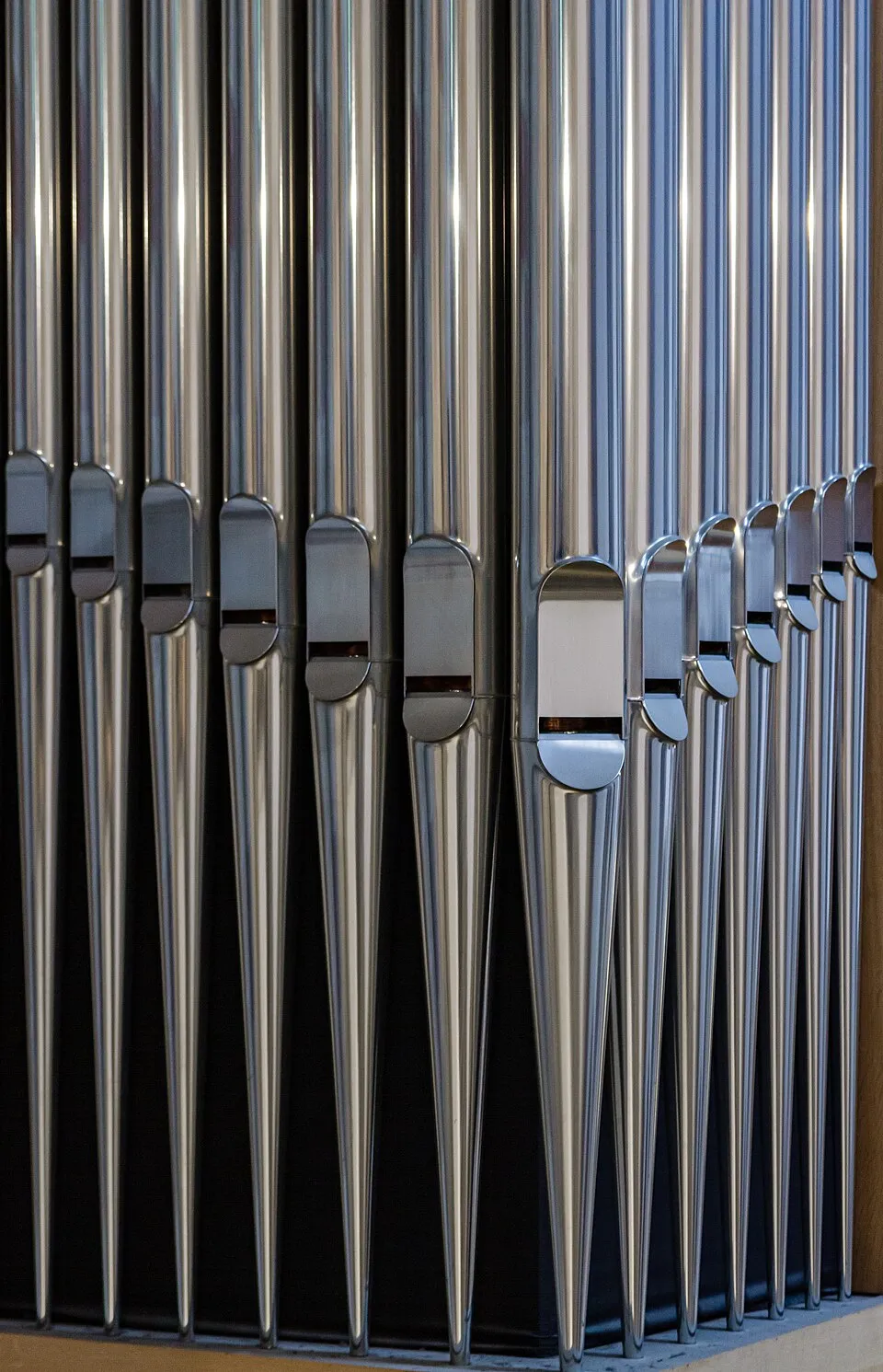
Gregorian Chant Meets Vietnamese Melodies: A Liturgical Fusion
Gregorian chant, the central tradition of Western plainchant in the Roman Catholic Church, originated in Europe between the 9th and 10th centuries. The Catholic Church continues to regard it as the most appropriate music for worship. In Vietnam, this ancient chant tradition meets indigenous Vietnamese musical expressions, creating a distinctive liturgical fusion.
Vietnamese Catholic sacred music is characterized by this blend, where the solemn melodies of Gregorian chant are adapted with local scales, rhythms, and instruments. This inculturation process began with the arrival of Catholicism in Vietnam and has evolved over centuries, allowing the faith to take root in the local soil. The International Theological Commission has highlighted that sacred music should be intimately connected with the liturgical action to foster unity and solemnity, a principle embodied in this fusion.
Today, Vietnamese Masses often feature a mixture of Gregorian-inspired chants and Vietnamese folk tunes, sung by the congregation and choir alike. This fusion reflects the broader Catholic culture in Vietnam, as promoted by the Catholic Bishops’ Conference of Vietnam. The result is a worship experience that is both universally Catholic and unmistakably Vietnamese.
Additionally, this musical synthesis is part of the larger Catholic culture that shapes Vietnamese religious life.
A Cappella Congregational Singing: The Vietnamese Voice of Faith
- Active Participation: Vietnamese Catholic worship is marked by vigorous congregational singing, where the entire community joins in voice, often without instrumental accompaniment.
- A Cappella Tradition: Many hymns are sung a cappella, relying solely on the human voice to create a pure, unadorned sound that emphasizes the communal nature of prayer.
- Cultural Resonance: The melodies frequently draw from Vietnamese folk music, making the songs instantly familiar and emotionally resonant for the faithful.
This a cappella style fosters a deep sense of unity and personal involvement. Without instruments, the congregation’s voices become the sole offering of praise, creating an intimate atmosphere. The use of folk tunes also helps preserve cultural heritage, as each generation learns these songs that blend Catholic devotion with Vietnamese musical identity.
This active singing is not merely a prelude to the Mass but an integral part of the liturgy, embodying the principle that the people of God should actively participate in the sacred rites. Moreover, this practice reflects key Catholic cultural practices in Vietnam, where community participation is central to religious expression.
Folk-Based Hymns: Inculturation in Practice
Vietnamese Catholic hymns are deeply rooted in the nation’s folk traditions, employing local poetic forms, melodic patterns, and languages. These culturally rich hymns resonate within the liturgical life and evangelization efforts in Vietnam, making the Catholic faith accessible and meaningful to Vietnamese believers. The process of inculturation—adapting Catholic worship to local cultures—is vividly expressed through these hymns.
They transform universal Catholic prayers and scriptures into expressions that reflect Vietnamese worldview and spirituality. For example, hymns may use imagery of rice fields, rivers, or mountains that are familiar to the Vietnamese countryside, connecting spiritual themes to everyday life. This contextualization helps Catholics see their faith as part of their cultural identity rather than a foreign import.
Moreover, these hymns often serve as tools for evangelization, as their beautiful melodies and relatable lyrics attract listeners and communicate the Gospel in a culturally engaging way. The continued use and composition of such hymns demonstrate a living tradition that evolves while staying rooted in heritage. These folk-based hymns are an integral part of Catholic traditions in Vietnam that have been passed down through generations.
How Do Traditional Vietnamese Instruments Enrich Catholic Liturgy?
Đàn Tranh and Mõ: Specifications and Liturgical Roles
| Instrument | Physical Characteristics | Liturgical Role |
|---|---|---|
| Đàn tranh | 16-stringed Vietnamese zither; long wooden body with raised bridges; strings plucked with fingers or plectrums. | Accompanies folk-based hymns; provides melodic support and harmonic texture; enhances inculturation by introducing traditional timbre. |
| Mõ | Wooden drum, often carved from a single block; produces a deep, resonant sound when struck with a mallet. | Marks rhythmic pulse; signals transitions in the liturgy (e.g., beginning of hymns, responses); adds depth to the soundscape. |
The combination of the đàn tranh and mõ creates a unique acoustic environment in Vietnamese Catholic churches. The đàn tranh’s clear, crystalline tones—like water droplets or wind chimes—float above the congregation’s singing, while the mõ’s steady beat grounds the music in a primal rhythm. This pairing mirrors the balance between the ethereal and the earthly in Vietnamese aesthetics.
The instruments are not merely decorative; they actively shape the prayer atmosphere, guiding the faithful into meditation and celebration. Their use signifies a deliberate embrace of local culture, showing that Catholic worship can be expressed through Vietnam’s own musical heritage.
This soundscape differs markedly from the organ-dominated churches of the West, offering a fresh perspective on how liturgy can be inculturated without losing its Catholic identity. The aesthetic of the đàn tranh’s sound complements the visual beauty found in Catholic art in Vietnam, where local motifs are also incorporated.
The Clear, Crystalline Sound: Musical Characteristics
The đàn tranh produces a sound often described as clear and crystalline, with each string note ringing distinctly and blending into shimmering arpeggios. This quality evokes natural elements prized in Vietnamese culture, such as the sound of water flowing over stones or the gentle rustle of bamboo. The mõ, with its wooden construction, delivers a warm, thumping pulse that is both grounding and subtle.
Together, they form a complementary pair: the zither’s high-frequency overtones dance above the drum’s low-frequency foundation. This sonic combination creates an atmosphere that is simultaneously serene and lively—serene enough for contemplative prayer, yet lively enough to celebrate feast days. The acoustic characteristics of these instruments make them ideal for liturgical use, as they can be heard clearly without overwhelming the human voice, and their timbres are culturally resonant, helping Vietnamese Catholics feel at home in the sacred space.
The clear, crystalline sound of the đàn tranh and mõ thus becomes an auditory symbol of inculturation, where the universal Catholic liturgy is clothed in Vietnamese musical clothing. This musical blend exemplifies the intersection of faith and culture that defines Vietnamese Catholicism.
Inculturation Through Indigenous Instruments
- Cultural Familiarity: The đàn tranh and mõ are instruments deeply embedded in Vietnamese musical life, from court music to folk ensembles. Their presence in church instantly connects worship with the broader cultural experience of the faithful.
- Theological Significance: By using these indigenous instruments, the Church acknowledges that truth and beauty can be expressed through local cultural forms, affirming that the Gospel can be incarnated in any culture.
- Community Identity: The sound of these instruments reinforces a sense of belonging among Vietnamese Catholics, strengthening their dual identity as both Vietnamese and Catholic, and fostering pride in their heritage.
The strategic use of traditional instruments is a powerful tool for inculturation. It contextualizes Roman Catholic rites within Vietnam’s cultural heritage, making the faith more accessible and meaningful to local believers.
When Vietnamese Catholics hear the đàn tranh during Mass, they recognize a sound from their childhood, their festivals, their history—this recognition opens their hearts to the liturgical messages. Moreover, it sends a message to the wider society that Catholicism is not a foreign religion but one that embraces and elevates local culture. This practice aligns with the Catholic Church’s global approach to inculturation.
For Vietnamese Catholics, the đàn tranh and mõ are not just instruments; they are vehicles of faith that bridge the universal and the particular. This integration also connects to the broader Catholic national traditions that celebrate Vietnamese identity within the universal Church.
The most surprising finding is that Vietnamese Catholic sacred music maintains a living tradition by blending ancient Gregorian chants with indigenous instruments like the đàn tranh, creating a sound that is both universally Catholic and distinctly Vietnamese. This deep inculturation demonstrates the Church’s remarkable ability to embrace and uplift local cultures without compromising its core identity. To experience this rich heritage firsthand, attend a Vietnamese Catholic Mass, especially during major feast days like Christmas or Easter when the full choir and traditional instruments are typically present.
Many parishes in Hanoi, Ho Chi Minh City, and other dioceses offer such celebrations. You can also learn more about the Catholic national traditions that shape this vibrant musical expression through local parish announcements or the CBCV website.