The La Vang pilgrimage is a profound Catholic journey to the Marian Shrine of Our Lady of La Vang in Quang Tri Province, Vietnam, rooted in the reported apparition of the Virgin Mary on August 17, 1798. This sacred site has evolved into Vietnam’s national Marian sanctuary, attracting millions of pilgrims each year, particularly during the August Feast of the Assumption.
The upcoming 32nd National Marian Congress from August 13 to 15, 2026, promises a major jubilee celebration, drawing larger crowds than the annual pilgrimage. For international visitors, understanding the shrine’s history, significance, and practical guidelines ensures a meaningful and reverent experience.
- The 1798 apparition of the Virgin Mary to persecuted Catholics is the foundation of La Vang as Vietnam’s national Marian sanctuary.
- The 32nd National Marian Congress (August 13-15, 2026) is a major jubilee event with masses and processions, drawing larger crowds than the annual pilgrimage.
- Visitors must follow modest dress (shoulders/knees covered), maintain silence in the basilica, and prepare for August monsoon weather with sun/rain protection and hydration.
The 1798 Apparition: Foundation of Vietnam’s National Marian Sanctuary
The August 17, 1798 Vision: Mary in Ao Dai with Child Jesus Among Persecuted Catholics
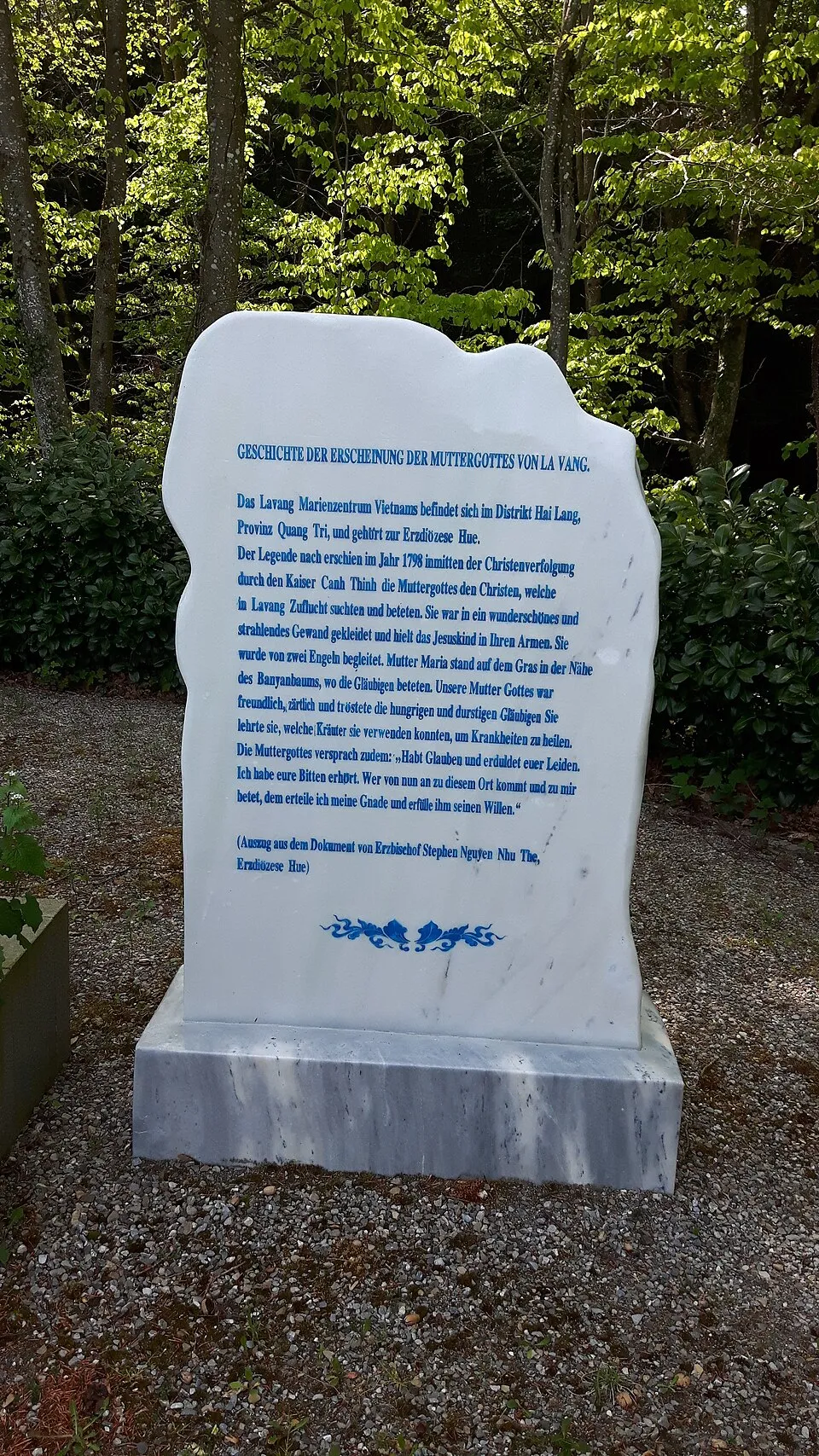
On the night of August 17, 1798, Vietnamese Catholics hiding in the rainforests of La Vang faced extreme hardship. Emperor Cảnh Thịnh had issued a brutal anti-Catholic edict, forcing believers to flee into the jungle where many fell ill from disease and exhaustion. According to tradition, as the community gathered to pray the rosary at the foot of a tree, the Blessed Virgin Mary appeared.
She was dressed in a traditional Vietnamese áo dài (long dress), cradling the infant Jesus in her arms, with two angels standing beside her. Mary comforted the frightened pilgrims and gave them a practical remedy: she instructed them to boil leaves from the surrounding trees to create a medicinal tea that would heal their sicknesses.
She also promised that she would hear and answer their prayers at this very place. This apparition became the spiritual cornerstone of La Vang, symbolizing hope and divine care during persecution.
From Straw Chapel to Minor Basilica: 163 Years of Shrine Development (1798-1961)
| Year/Period | Development Stage | Key Event/Feature |
|---|---|---|
| Post-1798 | Straw chapel | Simple shelter built by returning Catholics |
| 1886 | Brick church | Construction of a more permanent chapel |
| 1940s-1970s | Destruction | Shrine damaged during Vietnam Wars |
| 1961 | Minor Basilica | Pope John XXIII elevates shrine to Minor Basilica status |
The timeline from a humble straw structure to a Minor Basilica spans 163 years and mirrors the turbulent history of Vietnam. After the apparition, Catholics built a simple straw chapel as a place of prayer. This was replaced by a brick church in 1886, reflecting growing devotion.
However, the shrine suffered severe damage during the Vietnam Wars (1940s-1970s), as the region was a battleground. Each time, the Catholic community rebuilt, demonstrating remarkable resilience. The 1961 designation by Pope John XXIII as a Minor Basilica was a watershed moment, providing international recognition and resources for reconstruction.
This papal honor transformed La Vang into a national sanctuary, cementing its importance for Vietnamese Catholics worldwide. The shrine’s evolution underscores the enduring strength of faith amidst adversity, a narrative that resonates deeply with pilgrims today.
Papal Recognition Without Vatican Approval: John XXIII and John Paul II’s Honors
It is important to note that the Holy See (Vatican) has not officially approved the La Vang apparition; there is no formal documentation in Vatican archives. Nevertheless, the shrine has received significant papal honors. In 1961, Pope John XXIII issued the decree Magno Nos Solacio, elevating the church to the rank of Minor Basilica.
This was a major recognition of its spiritual significance. Later, in 1996, Pope John Paul II publicly acknowledged the importance of Our Lady of La Vang and expressed his desire to rebuild the basilica for the 200th anniversary of the apparition. While he affirmed the lack of Vatican documentation on the apparition, his support greatly enhanced the shrine’s prestige.
These honors have allowed La Vang to flourish as a center of Marian devotion without requiring formal Vatican approval of the apparition itself, a unique status among Catholic shrines worldwide. The papal endorsements have been pivotal in establishing La Vang as a cornerstone of Vietnamese Catholic identity.
What Are the Key Events of the 32nd National Marian Congress in 2026?
August 13-15, 2026: Congress Schedule and Liturgical Highlights
- Opening Mass (August 13): Presided by the President of the Catholic Bishops’ Conference of Vietnam (CBCV), marking the official start of the Congress.
- Daily Eucharistic Celebrations: Multiple masses throughout each day, including outdoor masses for large crowds.
- Marian Processions: Grand evening processions with statues of Our Lady, candles, and hymns, winding through the sanctuary grounds.
- Catechetical Sessions: Talks and reflections on the meaning of La Vang and Marian spirituality.
- Special Jubilee Events: Exclusive prayers and ceremonies commemorating the Congress’s biennial occurrence.
- Closing Mass (August 15): The Feast of the Assumption, a highlight with a large concelebrated mass and final blessing.
The Congress is a national event organized by the CBCV, drawing bishops, priests, and lay faithful from across Vietnam and the diaspora. It offers a concentrated spiritual experience focused on Marian devotion and unity. For pilgrims seeking a deeply communal celebration, the Congress represents the pinnacle of La Vang’s annual cycle.
Detailed schedules are released by the sanctuary in early 2026; visitors should monitor official channels for updates. Those planning to attend may also consult religious travel guides for Vietnam to coordinate logistics with the event program.
Congress vs. Annual August Pilgrimage: Comparing Scale and Participation
The biennial National Marian Congress is a larger, more structured event compared to the annual August Feast of the Assumption pilgrimage. The Congress specifically attracts over 200,000 pilgrims for its three-day program, featuring coordinated liturgies led by the hierarchy of the Catholic Church in Vietnam. In contrast, the annual August pilgrimage draws millions of visitors throughout the month, with a peak around August 15, but the activities are more decentralized, with personal prayer and local parish masses.
The Congress includes special jubilee elements not present in the regular feast, making 2026 a particularly significant year to attend for those seeking a unified national celebration. The Congress also tends to have more elaborate processions and official statements from the CBCV, while the annual feast maintains a more spontaneous, grassroots character. Both events offer profound spiritual opportunities, but the Congress provides a uniquely coordinated experience.
August Weather in Quang Tri: Monsoon Risks and Practical Preparation
- Rain preparedness: August is part of the monsoon season; carry a compact umbrella and a lightweight raincoat for sudden downpours.
- Footwear: Wear waterproof or quick-dry shoes; paths can become muddy and slippery.
- Hydration: High humidity and heat demand frequent water intake; bring a reusable bottle and refill at available stations.
- Crowd navigation: Arrive early for processions to avoid congestion; move calmly and follow volunteer directions.
- Sun protection: Even during rain, sun exposure is strong; use a hat and sunscreen.
- Clothing: Opt for breathable, light fabrics that dry quickly; avoid heavy materials.
Quang Tri’s August weather is characterized by high temperatures (often above 30°C), humidity over 80%, and intermittent heavy rains. Pilgrims must balance sun and rain protection while maintaining comfort during long outdoor events. Checking the forecast close to the date and adjusting preparations accordingly is advisable.
The sanctuary’s open-air areas offer little shade, so planning for sun exposure is critical. Additionally, sudden rain can make walkways slick, increasing the need for sturdy footwear. Proper preparation ensures that weather does not detract from the spiritual focus of the pilgrimage.
Visiting La Vang Sanctuary in 2026: Practical Guidance for Safe and Reverent Participation
Dress Code and Basilica Etiquette: Essential Rules for 2026 Pilgrims
- Modest dress: Shoulders and knees must be covered at all times within the sanctuary. Avoid shorts, mini-skirts, sleeveless tops, and revealing clothing.
- Silence in the basilica: Maintain a prayerful atmosphere; speak softly and refrain from phone conversations inside the church.
- Photography restrictions: No flash photography during masses and liturgical ceremonies; respect the sacred moments.
- Head covering: Remove hats before entering the basilica as a sign of reverence.
- Examples of appropriate attire: Long trousers, skirts below the knee, shirts with sleeves, and shawls for shoulders.
- Rationale: These rules honor the sanctity of the space and show respect for the Eucharist and the worshipping community.
Enforcement is strict at the basilica, and volunteers may politely ask visitors to adjust clothing if necessary. Dressing appropriately is a simple yet profound way to participate reverently in the pilgrimage.
The guidelines reflect the Catholic Church’s emphasis on modesty as an expression of inner piety. For first-time pilgrims, reviewing these rules before arrival helps avoid embarrassment and ensures full participation in the sacred rites.
Crowd Safety and Comfort: Navigating the 2026 Pilgrimage
- Group coordination: Stay with your companions; designate a clear meeting point (e.g., near the main statue) in case of separation.
- Calm movement: In dense crowds, move slowly and patiently; pushing can cause accidents.
- Footwear: Wear comfortable, broken-in walking shoes with good traction; you will stand for long periods during masses and processions.
- Hydration and snacks: Carry water and light, non-perishable snacks; food stalls may have long queues.
- Heat awareness: Take breaks in shaded areas; watch for signs of heat exhaustion (dizziness, nausea).
- Follow instructions: Heed directions from volunteers, security, and clergy for safe crowd flow.
With hundreds of thousands of pilgrims, safety is paramount. The sanctuary layout includes wide avenues for processions, but side paths can become congested. Planning meeting points and staying alert reduces risks.
The 2026 Congress, expecting over 200,000 attendees, will require extra vigilance. Pilgrims should also be mindful of personal belongings in crowded settings.
The CBCV typically coordinates with local authorities on security, but individual responsibility remains key. Comfortable shoes and hydration are not just conveniences; they are essential for maintaining the stamina needed for full participation.
The 12-Foot Carrara Marble Statue: A Focal Point of Devotion
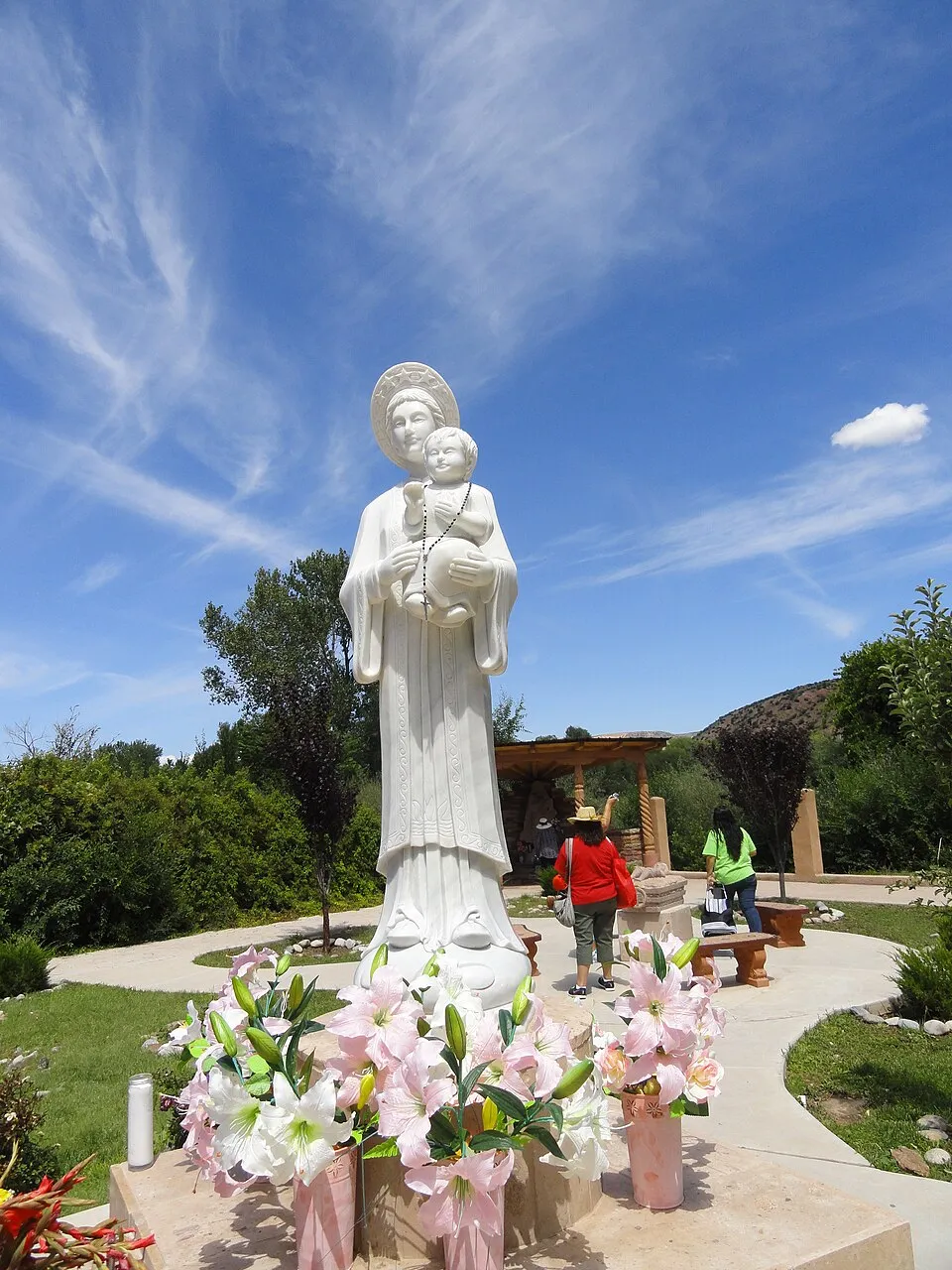
The basilica’s centerpiece is a towering statue of Our Lady of La Vang, carved from pristine white marble quarried in Carrara, Italy. It stands 12 feet tall and weighs approximately 16,000 pounds. The statue depicts Mary in her traditional Vietnamese áo dài, holding the Child Jesus, exactly as described in the 1798 apparition.
This magnificent image draws pilgrims who come to pray, light candles, and seek Our Lady’s intercession. Its size and material create an awe-inspiring presence, reinforcing the shrine’s connection to both Vietnamese culture and universal Catholic tradition.
The statue is not only an artistic masterpiece but also a powerful symbol of faith that has survived wars and rebuilds, embodying the resilience of the Catholic community in Vietnam. Many pilgrims report a deep sense of peace when praying before this statue, making it a must-see during any visit.
The most surprising aspect of La Vang is its survival through centuries of persecution and war, only to be rebuilt each time with stronger devotion. For 2026, the 32nd National Marian Congress offers a unique opportunity to witness this living tradition at its peak. If you plan to attend, book your accommodation by early 2026 as hotels in Quang Tri Province fill rapidly due to high demand.
Consider joining an official pilgrimage group through authorized tour operators for a seamless experience. For more detailed information on planning your visit, explore the resources on pilgrimage tourism in Vietnam, including guides on transport, visas, and other sacred sites. You can also consult religious travel guides for Vietnam for comprehensive tips.
To understand La Vang’s place among Vietnam’s holy places, see the official overview of Vietnam’s pilgrimage destinations. For a ranked list of top sites, refer to best pilgrimage sites in Vietnam for 2026.
The broader historical context of Catholic pilgrimage routes can be found in Catholic pilgrimage routes tracing faith through history. Pilgrims interested in other significant locations might explore Ta Pao Vietnam’s sacred mountain or the historic Cha Diep pilgrimage site.