Vietnam’s Catholic Church is led by three metropolitan archbishops who oversee 27 dioceses across three ecclesiastical provinces established in 1960. These provinces—Hà Nội in the north, Huế in the central region, and Sài Gòn in the south—provide the structural framework for the nation’s bishops.
This article examines the current metropolitan archbishops, their key initiatives, and the canonical responsibilities that define their role within the hierarchy of Vietnamese bishops. We will also detail the organizational layout of each province and explain how metropolitans supervise suffragan dioceses, conduct visitations, and convene provincial councils.
- Vietnam’s Catholic Church is organized into three ecclesiastical provinces with 27 total dioceses, each led by a metropolitan archbishop.
- Metropolitan archbishops hold canonical responsibilities including supervision of suffragan dioceses, canonical visitations, and convening provincial councils.
- Current archbishops (2025-2026) are focusing on youth formation, urban pastoral care, and national coordination through the CBCV.
Who Are the Current Archbishops of Vietnam? (2025-2026)
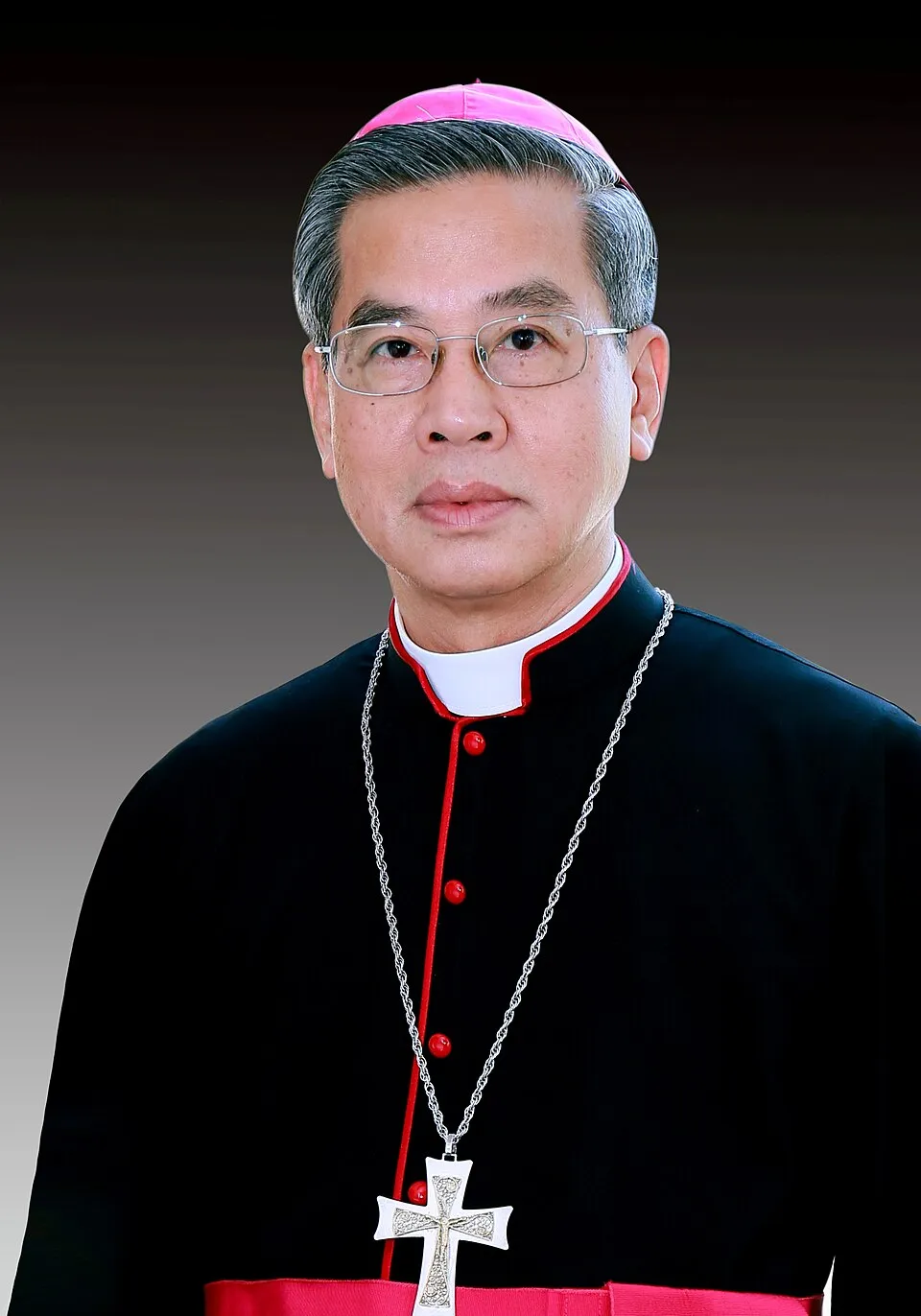
Archbishop Joseph Vũ Văn Thiên of Hà Nội: Youth Formation and Charity
“Archbishop Thiên has made youth formation and charitable outreach central to his pastoral vision, actively visiting parishes and supporting initiatives like the Savio Federation and Lenten gift programs.” — ucanews.com, 2021
Joseph Vũ Văn Thiên has served as Archbishop of the Hà Nội archdiocese since his appointment in 2018. His leadership is marked by frequent pastoral visits that strengthen parish communities across the metropolitan see. He founded the Savio Federation to unify youth ministries, offering spiritual formation and service opportunities.
The annual Lenten gifts campaign provides material aid to thousands of families, embodying the Church’s social teaching. Archbishop Thiên also supports a theology institute to enhance clergy education. He collaborates with suffragan bishops like Bishop Joseph Nguyễn Văn Bình of Bùi Chu and Bishop Joseph Nguyễn Chí Linh to advance the province’s pastoral goals.
Archbishop Joseph Đặng Đức Ngân of Huế: Urban Pastoral Leadership
“Archbishop Ngân brings his experience from Đà Nẵng to Huế, focusing on the pastoral challenges of urban environments and maintaining a dual administrative role to serve the faithful effectively.” — rvasia.org, May 2025
Joseph Đặng Đức Ngân was appointed Archbishop of Huế in May 2025, after serving as Bishop of Đà Nẵng from 2016 to 2025. His episcopal ministry has been defined by a commitment to urban pastoral care, addressing the needs of city dwellers through evangelization and social services. In his dual role, he oversees both the archdiocese and the province, ensuring coordination among suffragan dioceses.
Archbishop Ngân’s background in managing a large coastal diocese equips him to guide the Huế province’s response to rapid urbanization and migration. He continues to promote dialogue with local authorities and foster lay involvement in the Church’s mission.
Archbishop Joseph Nguyễn Năng of Sài Gòn: CBCV President and National Leadership
“As President of the Catholic Bishops’ Conference of Vietnam, Archbishop Nguyễn Năng provides unified leadership for the Church’s national pastoral programs and dialogue with government authorities.” — cbcvietnam.org
Joseph Nguyễn Năng serves as Archbishop of Sài Gòn and President of the Catholic Bishops’ Conference of Vietnam (CBCV). He coordinates national efforts among the three metropolitan provinces, overseeing pastoral programs, charitable initiatives, and the Church’s dialogue with state institutions. As CBCV President, he convenes the plenary assemblies where bishops from all provinces discuss common challenges.
His leadership ensures a unified Vietnamese Catholic voice on issues such as religious freedom, education, and social justice. The Sài Gòn province, with its 11 dioceses, benefits from his ability to mobilize resources and foster collaboration across regional boundaries. In the Sài Gòn province, bishops such as Bishop Joseph Đỗ Quang Khang of Bà Rịa contribute to regional pastoral coordination.
What Are the Three Ecclesiastical Provinces of Vietnam?
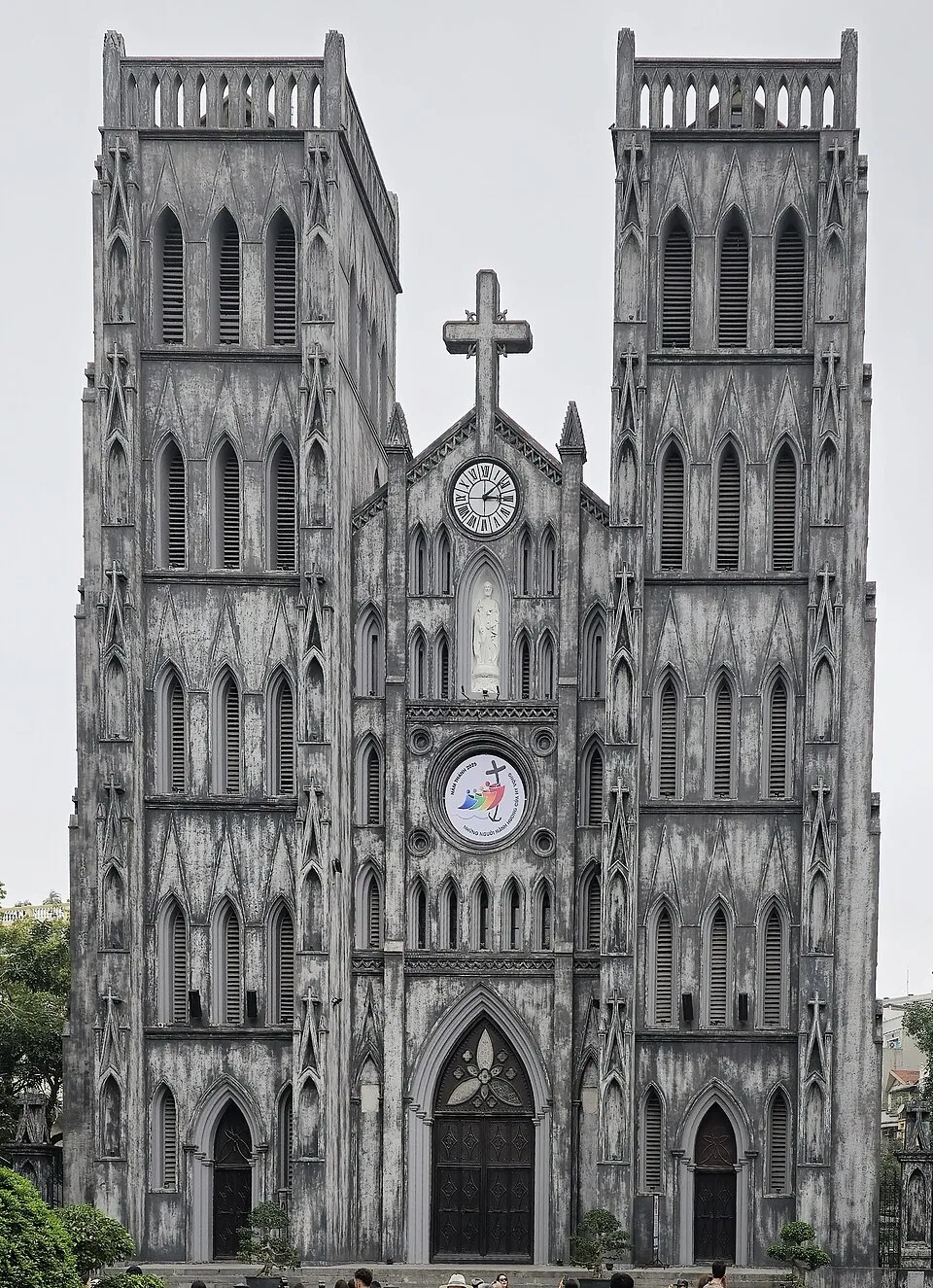
Metropolitan Archdioceses and Suffragan Dioceses: A 2026 Overview
“Vietnam’s Catholic Church is organized into three ecclesiastical provinces comprising a total of 27 dioceses, each headed by a metropolitan archbishop.” — gcatholic.org, 2025
The enduring framework of ecclesiastical provinces is evident in the current composition. Below is a comparative overview of the three ecclesiastical provinces as of 2026:
| Province | Metropolitan See | Suffragan Dioceses Count | Total Dioceses |
|---|---|---|---|
| Hà Nội | Archdiocese of Hà Nội | 9 | 10 |
| Huế | Archdiocese of Huế | 5 | 6 |
| Sài Gòn | Archdiocese of Sài Gòn | 10 | 11 |
These numbers reflect the current diocesan distribution across the three provinces, with the Hà Nội province covering the northern region, Huế the central highlands and coastal areas, and Sài Gòn the southern delta and urban centers. The total of 27 dioceses serves a Catholic population estimated at around 7 million, though exact figures vary. The metropolitan archdioceses provide leadership and coordination for their respective suffragan dioceses, fostering unity in doctrine and pastoral practice.
Historical Context: Post-1960 Ecclesiastical Organization
“The three ecclesiastical provinces of Hà Nội, Huế, and Sài Gòn were formally established in 1960.” — en.wikipedia.org
The decision to create three provinces aligned with Vietnam’s historical division into northern, central, and southern regions. This geographic logic remains relevant in 2026, as each province faces distinct pastoral challenges—from mountainous ethnic areas in the north to urban centers in the south. The 1960 structure also facilitated closer coordination among bishops within each region, allowing for shared resources and unified pastoral strategies.
Over the decades, the provinces have adapted to political changes, including the reorganization of diocesan boundaries to reflect population shifts. Today, the three-province system continues to provide an effective framework for episcopal collaboration and for the CBCV’s national coordination. Its endurance testifies to the foresight of the original ecclesiastical planning, which balanced canonical norms with local realities.
What Are the Canonical Responsibilities of Metropolitan Archbishops?
Supervision of Suffragan Dioceses and Faith Discipline
“The metropolitan bishop exercises oversight over the suffragan dioceses, ensuring the integrity of faith and discipline within his province.” — en.wikipedia.org, Metropolitan bishop
The metropolitan bishop has several key duties defined by canon law:
- Oversight of faith and discipline: He monitors the doctrinal and pastoral adherence of suffragan dioceses, ensuring alignment with universal Church teachings.
- Canonical compliance: He verifies that suffragan bishops and their diocesan administrations follow canon law, particularly in matters of sacramental validity and clerical conduct.
- Guidance and support: He provides counsel to suffragan bishops, offering wisdom derived from his own episcopal experience and Church traditions.
Through these actions, the metropolitan fosters unity and accountability across the province.
Canonical Visitations and Appeals Tribunal Functions
“Metropolitan bishops may conduct canonical visitations to suffragan dioceses, though such visits require the consent of the Holy See. They also serve as the appellate tribunal for cases arising from those dioceses.” — en.wikipedia.org
Canonical visitations allow the metropolitan to assess the spiritual and administrative health of a suffragan diocese. With the Holy See’s approval, he can inspect records, meet with clergy and laity, and offer recommendations for improvement.
This process safeguards the diocese’s fidelity to Church norms. Additionally, the metropolitan’s tribunal serves as the first level of appeal for decisions made by suffragan bishops or diocesan courts. If a party disagrees with a diocesan judgment, they may appeal to the metropolitan’s office, which reviews the case for procedural and substantive correctness.
These functions ensure that the province operates under consistent canonical standards and that grievances are addressed justly. In Vietnam, these responsibilities are exercised with sensitivity to the local context, balancing canonical precision with pastoral charity.
Episcopal Appointments: Proposing Candidates to the Nuncio
“When a suffragan see becomes vacant, the metropolitan bishop is responsible for proposing a list of suitable priest candidates to the Apostolic Nuncio, who then presents them to the Holy See for appointment.” — en.wikipedia.org
The appointment of a new bishop for a suffragan diocese involves a consultative process led by the metropolitan. Upon a vacancy, the metropolitan gathers input from clergy, religious, and laity within the province. He then compiles a list of recommended priests, evaluating their theological soundness, pastoral experience, and personal holiness.
This list is forwarded to the Apostolic Nuncio, who conducts his own investigation before submitting the candidates to the Vatican’s Congregation for Bishops. The Holy See makes the final appointment, but the metropolitan’s recommendation carries significant weight, as he knows the province’s needs intimately. This process ensures that new bishops are well-suited to their future dioceses and can work harmoniously within the provincial framework.
Provincial Councils and Liturgical Privileges
“The metropolitan has the authority to convene provincial councils, which bring together the bishops of the province to discuss matters of common concern. He also has the right to wear the pallium, a symbol of his metropolitan office, during liturgies in the province.” — en.wikipedia.org
Beyond supervisory tasks, metropolitans enjoy specific rights that highlight their unique position:
- Convening provincial councils: The metropolitan may summon all bishops of the province for councils that address pastoral, doctrinal, and administrative issues. These gatherings foster collegiality and enable joint decision-making.
- Wearing the pallium: As a sign of his metropolitan authority, he may use the pallium—a woolen band blessed by the Pope—during liturgical celebrations throughout the province. This ancient symbol underscores his role as a bridge between the local Church and the universal Church. The pallium, in particular, is worn only by metropolitans and the Pope, emphasizing their communion with the Holy See.
A surprising aspect is the enduring effectiveness of the 1960 provincial structure, which continues to meet the diverse pastoral needs of Vietnam’s Catholic community in 2026. Each metropolitan has tailored his ministry to regional contexts—whether through youth outreach in Hà Nội, urban engagement in Huế, or national coordination in Sài Gòn—demonstrating the flexibility of this ancient ecclesiastical model. For the most current information on Vietnam’s archbishops and their programs, visit cbcvietnam.org, the official portal of the Catholic Bishops’ Conference of Vietnam.
The Church’s ability to maintain this structure amid rapid social change underscores the metropolitans’ leadership and the CBCV’s collaborative spirit. Readers interested in the historical evolution of Vietnam’s episcopal hierarchy can explore related articles on bishops in French Indochina and during the Vietnam War period. The metropolitans’ canonical responsibilities, from visitations to provincial councils, ensure that the Church remains united and accountable at all levels.