Title: Rites and Sacraments Guide: A Complete Overview for Vietnamese Catholics
Meta Description: Complete guide to the seven sacraments and liturgical rites for Vietnamese Catholics in 2026. Learn about cultural adaptations, 2026 pastoral directives, and how to participate.
Slug: rites-and-sacraments-guide
Tags: CBCV, Our Lady of La Vang, Vietnamese Martyrs, IT Apostles, Tet, Inculturation, Sacraments
Keywords: Catholicism, rites and sacraments guide, seven sacraments, Vietnamese Catholics, 2026 pastoral directives, sacramental adaptations, CBCV, inculturation, liturgical rites
The seven sacraments in Vietnamese Catholicism are celebrated with unique cultural adaptations—from family-centered Baptisms to Tet-inspired Eucharist gatherings—all guided by the 2026 pastoral theme “Every Christian is a missionary disciple.” With nearly 7 million Catholics across 27 dioceses, understanding each sacrament’s rite and its Vietnamese expression is essential for full participation in the Church’s mission. This comprehensive guide covers all seven sacraments, their liturgical rites, specific inculturation practices, and the current 2026 pastoral directives from the Catholic Bishops’ Conference of Vietnam (CBCV).
Whether you’re preparing for a sacrament, ministering to the faithful, or simply seeking to deepen your understanding, this reference provides up-to-date information tailored to the Vietnamese Catholic context. The sacraments are not only channels of grace but also bridges between faith and the rich cultural heritage of Vietnam, enabling Catholics to live their faith authentically in their daily lives.
- The seven sacraments are celebrated with specific Vietnamese adaptations: family involvement in Baptism, cultural integration in Confirmation, and blended traditions in Matrimony, all under CBCV guidance.
- The 2025–2026 pastoral theme “Every Christian is a missionary disciple” drives initiatives like the Hanoi Youth Congress (5,000+ participants) and the “IT Apostles” digital apostolate, reshaping how sacraments are prepared and lived out.
- Cultural practices—ancestor veneration under the altar, Tet Scripture traditions, and Marian devotion at La Vang—are inculturated into sacramental life, enriching faith without compromising doctrine.
The Seven Sacraments: Complete Guide with Vietnamese Context
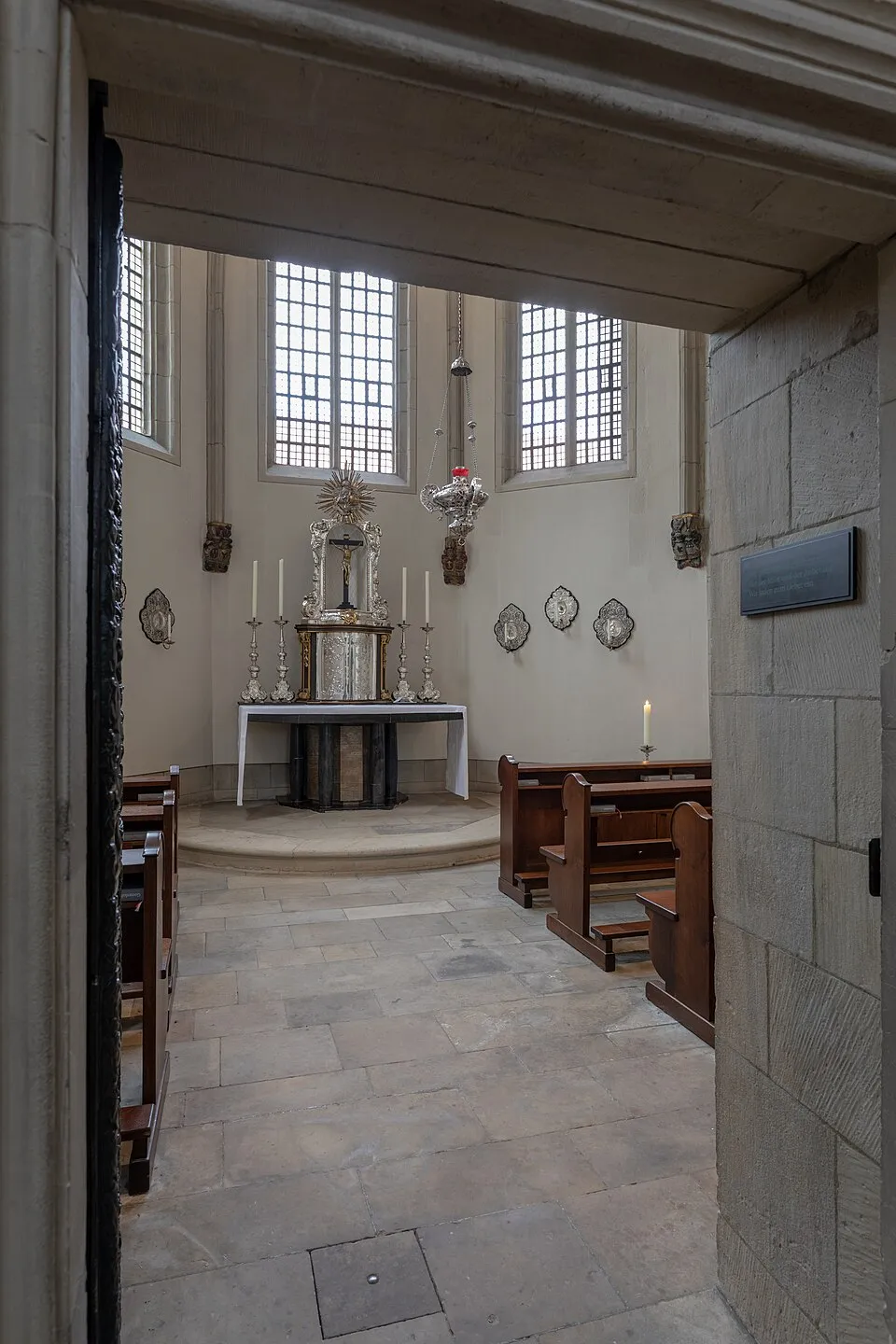
The Catholic Church recognizes seven sacraments as visible signs of God’s grace. In Vietnam, each sacrament is celebrated with distinctive local adaptations that reflect the country’s rich cultural heritage while maintaining universal Catholic doctrine.
The Seven Sacraments: Structure and Vietnamese Adaptations
The following table outlines each sacrament’s theological purpose and its specific Vietnamese adaptation, illustrating how the Church integrates faith and culture.
| Sacrament | Purpose | Vietnamese Adaptation |
|---|---|---|
| Baptism | Initiation into Christian life; cleansing of original sin. | Strong emphasis on family involvement and godparent roles (đỡ đầu) who serve as primary faith educators. Often celebrated during major feasts with extended family participation. |
| Confirmation | Strengthening of baptismal grace; sealing with the Holy Spirit. | Integration with Vietnamese cultural values, such as respect for elders and community celebration. May include traditional attire and local music. |
| Eucharist | Source and summit of Christian life; real presence of Christ. | Central during major gatherings like Tet celebrations and village festivals. Communal meals often follow, reinforcing family and community bonds. |
| Reconciliation | Forgiveness of sins; reconciliation with God and community. | Adapted to Vietnamese cultural context, emphasizing harmony and restoration of relationships. May include communal elements and family involvement. |
| Anointing of the Sick | Healing, comfort, and spiritual strength for the ill or elderly. | Incorporated with traditional Vietnamese care practices, including family presence, herbal remedies, and holistic approaches to health. |
| Holy Orders | Service as ordained ministers (deacons, priests, bishops) to shepherd the faithful. | Focus on missionary formation, preparing clergy to evangelize in Vietnam’s diverse contexts and serve the peripheries. |
| Matrimony | Covenant between spouses; sign of Christ’s love for the Church. | Marriage preparation blends Christian duties (canonical form, sacramental theology) with Vietnamese cultural traditions like family negotiations and pre-wedding ceremonies. |
These adaptations reflect a profound inculturation process guided by the CBCV. They do not alter the essential nature of the sacraments but express them through forms that resonate with Vietnamese identity. This approach makes the sacraments more accessible and meaningful, allowing Vietnamese Catholics to experience God’s grace within their cultural framework.
For instance, the emphasis on family in Baptism aligns with the culture’s strong familial bonds, while the integration of Tet into Eucharistic celebrations roots the sacrament in the most significant cultural event of the year. The 2026 pastoral theme “Every Christian is a missionary disciple” further energizes these adaptations, encouraging the faithful to see their cultural practices as opportunities for evangelization.
Sacraments of Initiation: Baptism, Confirmation, Eucharist
The three sacraments of initiation form the foundation of Catholic identity in Vietnam, embedding faith within the cultural and communal fabric.
Baptism places special emphasis on the role of the family and godparents (đỡ đầu). The godparents are not merely witnesses but active participants who commit to guiding the child’s faith formation, reflecting the Vietnamese culture’s strong familial bonds.
Baptisms often occur during major liturgical feasts, allowing the extended family and community to witness and support the new Christian. This family-centered approach ensures that the child grows within a network of faith, consistent with the 2026 call for every Christian to be a missionary disciple from the earliest moments of life.
Confirmation integrates Vietnamese cultural values such as respect for elders and community celebration. The sacrament may be administered with traditional attire, and the ceremony often includes elements that resonate with local customs, helping confirmands see their faith as part of their cultural identity.
In many dioceses, Confirmation is celebrated during village festivals or Tet, linking the sealing of the Holy Spirit with communal joy. This integration strengthens the connection between personal discipleship and cultural belonging, empowering youth to live their faith confidently in Vietnamese society.
Eucharist is central to Catholic life in Vietnam, celebrated with particular reverence during major gatherings such as Tet and village festivals. These celebrations often include communal meals afterwards, reinforcing the Eucharist’s role as a bond of unity and a foretaste of the heavenly banquet.
The centrality of the Eucharist shapes the spiritual rhythm of Vietnamese Catholic communities, providing a weekly—and often daily—anchor for missionary discipleship. The CBCV encourages parishes to enhance Eucharistic adoration and processions, especially during the 2026 initiatives, to deepen the faithful’s love for the sacrament and inspire evangelization.
Together, these initiation sacraments introduce Vietnamese Catholics into a faith that is both universal and locally incarnated, preparing them to live as missionary disciples in their families and communities.
Sacraments of Healing and Service: Reconciliation, Anointing, Holy Orders, Matrimony
These sacraments address core aspects of Vietnamese Catholic life: forgiveness, healing, leadership, and family stability. Their cultural adaptations make them more accessible and effective in meeting spiritual and social needs.
Reconciliation is adapted to the Vietnamese cultural context by emphasizing harmony and restoration of relationships. In a culture that values social cohesion, the sacrament’s focus on forgiving and being forgiven resonates deeply. Confession may be accompanied by communal prayers or family involvement, reflecting the collective dimension of Vietnamese spirituality.
Some dioceses offer “reconciliation services” with hymns and Scripture readings that create a welcoming atmosphere, reducing the intimidation often associated with private confession. This adaptation aligns with the 2026 missionary disciple theme, as reconciliation equips the faithful to go forth as witnesses of God’s mercy.
Anointing of the Sick incorporates traditional Vietnamese care practices. Families often gather around the sick person, and the sacrament may be combined with herbal remedies or massage, honoring the holistic Vietnamese view of health. This integration ensures that the sacrament addresses both spiritual and physical well-being in a culturally familiar way.
Priests are trained to respect these practices while maintaining the sacrament’s integrity, offering prayers for healing that complement rather than replace medical treatment. The CBCV’s emphasis on serving the peripheries includes a special focus on the sick and elderly, encouraging home visits and communal prayer networks.
Holy Orders in Vietnam is shaped by the 2026 pastoral emphasis on missionary formation. Seminaries and diaconate programs focus on preparing clergy with “missionary hearts”—equipped to evangelize in diverse contexts, from urban centers to remote ethnic communities. The recent ordination of 61 new deacons in January 2026 exemplifies this renewed commitment to service and evangelization.
These deacons, ordained across various dioceses, serve in roles such as preaching, baptizing, and assisting at Mass, thereby extending the Church’s sacramental ministry. Their formation included intensive training in digital apostolate and inculturation, aligning with the 2026 directives. This expansion of the diaconate also addresses the shortage of priests in some regions, empowering lay leaders to serve the community and advance the missionary disciple vision.
Matrimony preparation blends Christian duties with Vietnamese cultural traditions. Couples receive instruction on canonical form and sacramental theology, while also engaging in processes that involve family negotiations, pre-wedding ceremonies like the “asking for permission” (xin phép) and “engagement” (đính hôn), and respect for parental wishes. This dual approach ensures that marriages are both canonically valid and culturally meaningful, reducing conflicts and strengthening family bonds.
The CBCV’s guidelines stress that marriage is a vocation to holiness and mission, encouraging couples to become “domestic churches” that evangelize through their daily lives. In 2026, many dioceses are incorporating the “IT Apostles” to provide online marriage preparation modules, making the process more accessible for couples working abroad or in remote areas.
2026 Sacramental Pastoral Directives: Missionary Discipleship in Action
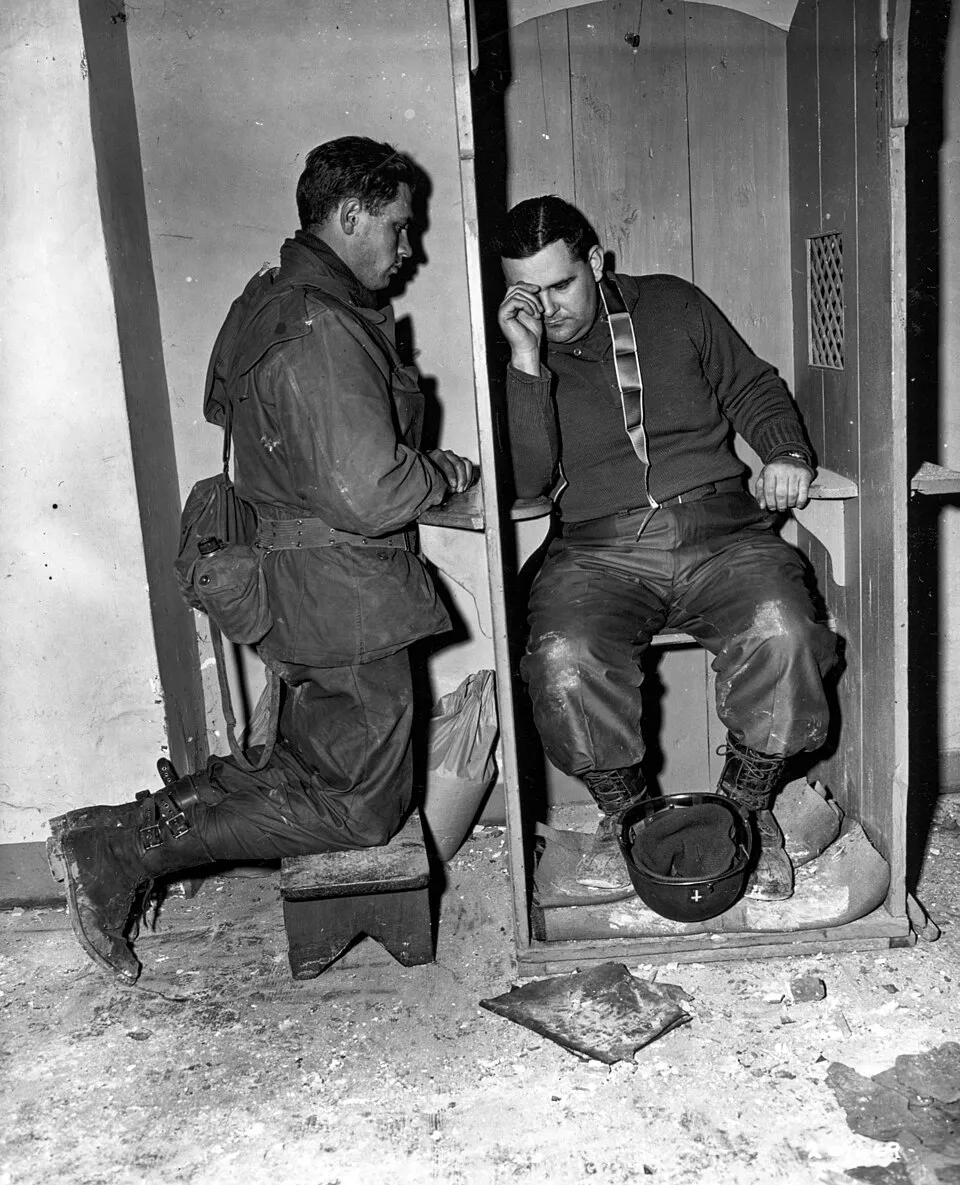
The year 2026 marks a significant moment in the pastoral life of the Catholic Church in Vietnam, as the CBCV’s three-year plan (2025-2028) enters its second year under the theme “Every Christian is a missionary disciple.” This vision reshapes how sacraments are celebrated, prepared, and lived out, calling all the faithful to active evangelization through their daily lives, prayer, and study. The directives focus on youth engagement, digital apostolate, martyr devotion, and priestly formation, creating concrete programs that impact sacramental practice across the country.
The 2025–2026 Missionary Disciple Theme and Three-Year Plan
The theme “Every Christian is a missionary disciple” finds its roots in Scripture (Matthew 28:19-20) and the teachings of the Second Vatican Council, which emphasized the apostolate of the laity. It declares that all baptized persons, not just clergy, are sent to proclaim the Gospel in their families, workplaces, and communities. The CBCV’s three-year plan (2025-2028) unfolds this vision progressively, with each year highlighting a specific aspect.
In 2025-2026, the focus is on forming disciples who can witness to Christ in everyday life. This theme directly influences sacramental life: Baptism initiates us into missionary discipleship; Confirmation strengthens us for mission; Eucharist sends us forth. Parishes are encouraged to integrate this vision into sacramental preparation—for example, by including evangelization training in Confirmation programs or organizing post-Missionary outreach after Mass.
The goal is to transform sacraments from mere rituals into encounters that empower the faithful for mission. The CBCV provides resources on its website (CBCV) to help dioceses implement this vision, including prayer guides, workshop materials, and testimonies from Vietnamese Catholics living out missionary discipleship.
Key 2026 Sacramental Initiatives: Youth, Digital, and Martyrs
The 2026 pastoral directives include several concrete initiatives that directly engage the sacraments and equip the faithful for mission.
- Youth Engagement: The 2026 Archdiocesan Youth Congress in Hanoi gathered over 5,000 young Catholics under the theme “Come and Remain.” This event focuses on sacramental preparation—especially Confirmation and Matrimony—through dynamic workshops, adoration, and community building. Youth are encouraged to become “IT Apostles” and lead digital evangelization efforts. The Congress also includes a special Mass at the cathedral, where participants renew their baptismal promises and receive the Eucharist as a source of strength for mission.
- Digital Apostolate: The CBCV has deployed “IT Apostles”—tech-savvy Catholics trained to use digital platforms for evangelization and sacramental preparation. They create online resources for Baptism, Reconciliation, and marriage preparation, reaching Vietnamese Catholics in remote areas and diaspora communities. For instance, the “IT Apostles” produce video series explaining the Eucharist’s significance, live-stream Tet Masses, and develop apps for daily examen and confession preparation. This initiative responds to the 2026 theme by meeting people where they are—online—and using technology to deepen sacramental participation.
- Martyr Devotion: Pilgrimages to the shrines of Vietnamese Martyrs are promoted to inspire missionary courage. These pilgrimages, often combined with Eucharistic adoration and confession, remind the faithful of the sacrificial nature of Christian witness and deepen participation in the sacraments. The CBCV highlights the martyrs as models of discipleship who shed their blood rather than renounce their faith. In 2026, special indulgences are granted for visiting martyr shrines, linking the sacraments of Reconciliation and Eucharist with the legacy of those who gave their lives for the Church in Vietnam.
Vietnamese Catholics can join these initiatives through their local dioceses or the CBCV’s online platforms, which provide registration details and resource kits. For more information on pastoral programs, see the Catholic pastoral guides page.
Priestly Formation Reform and Deacon Ordinations
The CBCV has identified an urgent need to form clergy with “missionary hearts.” Seminaries and diaconate programs are being reformed to emphasize pastoral skills, cultural sensitivity, and evangelization techniques. This reform aims to produce priests and deacons who can lead parishes in the missionary disciple model—equipping the laity, celebrating sacraments with cultural relevance, and serving the peripheries. The ordination of 61 new deacons in January 2026 is a tangible sign of this growth.
These deacons, ordained across various dioceses, serve in roles such as preaching, baptizing, and assisting at Mass, thereby extending the Church’s sacramental ministry. Their formation included intensive training in digital apostolate and inculturation, aligning with the 2026 directives.
This expansion of the diaconate also addresses the shortage of priests in some regions, empowering lay leaders to serve the community and advance the missionary disciple vision. The CBCV sees this as a step toward a more missionary and culturally attuned clergy, better able to accompany Vietnamese Catholics on their sacramental journey.
Vietnamese Cultural Adaptations in Sacramental Practice
Vietnamese Catholicism is renowned for its ability to weave cultural traditions into sacramental practice, creating a faith that feels both deeply Catholic and authentically Vietnamese. Under the guidance of the CBCV, practices such as ancestor veneration, Tet celebrations, and Marian devotion are integrated into the sacraments in ways that honor both Church teaching and cultural heritage. These adaptations are not merely superficial but reflect a profound inculturation that makes the sacraments living realities in the daily lives of Vietnamese Catholics.
Ancestor Veneration and Funeral Rites: Balancing Tradition and Faith
The bishops’ guidance on ancestor veneration is a prime example of inculturation. They encourage families to place ancestor altars under the main altar of God in their homes, allowing them to honor their ancestors while maintaining Catholic worship. Participation in traditional funeral rites is permitted as acts of filial piety, provided they are stripped of superstitious elements and oriented toward the Resurrection.
The Order of Christian Funerals, as celebrated in Vietnam, often includes Vietnamese customs such as incense offering and ancestral tablets placed respectfully aside, while the liturgy focuses on Christ’s victory over death. This balance allows Vietnamese Catholics to fulfill their cultural duty to ancestors without compromising their faith. For example, during funeral Masses, prayers for the deceased are offered, and the community recites the rosary, integrating Catholic and Vietnamese expressions of mourning and hope.
The CBCV’s approach has been praised for its sensitivity and has become a model for inculturation in other Asian Churches. For more on how the Church navigates cultural practices, see the Pastoral Guides Questions and Answers page.
Marriage Preparation and Tet: Cultural Integration in Sacraments
- Marriage Preparation: Programs in Vietnamese dioceses blend canonical instruction with cultural traditions. Couples learn about the sacramental nature of marriage, the indissolubility of the bond, and the responsibilities of Christian family life. Simultaneously, they engage in processes that involve family negotiations, pre-wedding ceremonies like the “asking for permission” (xin phép) and “engagement” (đính hôn), and respect for parental wishes.
This dual approach ensures that marriages are both canonically valid and culturally meaningful, reducing conflicts and strengthening family bonds. The CBCV’s guidelines stress that marriage is a vocation to holiness and mission, encouraging couples to become “domestic churches” that evangelize through their daily lives. In 2026, many dioceses are incorporating the “IT Apostles” to provide online marriage preparation modules, making the process more accessible for couples working abroad or in remote areas.
For comprehensive marriage guidelines, refer to the Catholic Marriage Guidelines.
- Tet (Lunar New Year): The integration of Scripture into Tet celebrations is a beautiful example of inculturation. Families draw biblical verses—such as “Blessed are the peacemakers” or “The Lord is my shepherd”—on red paper and display them on peach or apricot blossoms, which are traditional Tet decorations. This practice brings biblical blessings into the home, merging the joy of the New Year with the hope of the Gospel.
Some parishes also organize special Tet Masses where the liturgy incorporates Vietnamese music and symbols, making the Eucharist a central part of the celebration. These initiatives demonstrate how the sacraments can be lived within the rhythm of Vietnamese cultural life, from the intimacy of marriage preparation to the communal joy of Tet.
Marian Devotion and Sacramentals: Expressions of Popular Piety
Devotion to Our Lady of La Vang is a cornerstone of Vietnamese Catholic piety. The shrine, located in the central province of Quảng Trị, is where the Virgin Mary is believed to have appeared to Vietnamese Catholics seeking refuge in the 19th century. Pilgrims—numbering in the millions annually—come to pray the rosary, attend Mass, and seek intercession for healing and vocations.
This devotion is deeply inculturated, with Vietnamese hymns, incense, and offerings of local fruits. The CBCV encourages this piety as a means of deepening sacramental participation, noting that Marian devotion often leads to greater involvement in the Eucharist and Reconciliation. The shrine’s annual feast in August becomes a major event where the sacraments are celebrated on a grand scale, with multiple Masses, confession opportunities, and processions.
Sacramentals such as rosaries, holy water, and medals are ubiquitous in Vietnamese Catholic homes. They serve as daily reminders of faith and tools for evangelization. In the 2026 digital apostolate, “IT Apostles” share images of sacramentals on social media, explaining their significance and encouraging their use.
For example, a post might show a Vietnamese Catholic family blessing their home with holy water during Tet, linking the practice to the sacrament of Baptism. These popular expressions of piety bridge the gap between the official sacraments and everyday life, making the grace of the sacraments tangible in ordinary moments. They also embody the missionary disciple call, as Catholics share these devotions with neighbors and friends, opening doors for conversations about faith.
The true surprise is how Vietnamese Catholicism turns cultural depth into missionary strength. Instead of seeing tradition as a barrier, the Church here weaves it into the sacraments—making faith feel native, not foreign. Your next step: go to cbcvietnam.org, find your diocese, and join a Tet celebration or youth congress this year.
Experience firsthand how the seven sacraments live in Vietnamese rhythm. For those preparing for marriage or holy orders, the site offers canonical guidelines and cultural preparation materials. For all Catholics, the page provides a gateway to understanding and living the sacraments in the Vietnamese context.