The 12th Vietnam-Holy See Joint Working Group met in September 2025 at the Vatican, marking a significant milestone in the diplomatic and pastoral relationship between the Catholic Bishops’ Conference of Vietnam (CBCV) and the universal Catholic Church. This meeting underscored the growing trust and the Catholic Church’s constructive role in Vietnamese national life.
Vietnamese bishops actively participate in global Catholic governance through synods, contribute to regional bodies like the Federation of Asian Bishops’ Conferences (FABC), and coordinate humanitarian efforts via Caritas Vietnam. This article explores the multifaceted ways Vietnamese bishops engage with the global Church in 2026, from high-level dialogues to seminarian formation and collaborative pastoral initiatives.
- The 12th Vietnam-Holy See Joint Working Group met in September 2025, emphasizing the Catholic role in national life and growing trust.
- Vietnam’s seminaries form 11,713 seminarians across 26 dioceses, preparing them for global mission.
- CBCV’s 2026 pastoral plan prioritizes missionary discipleship and international solidarity through FABC and Caritas partnerships.
How Do Vietnamese Bishops Engage with the Global Catholic Church?
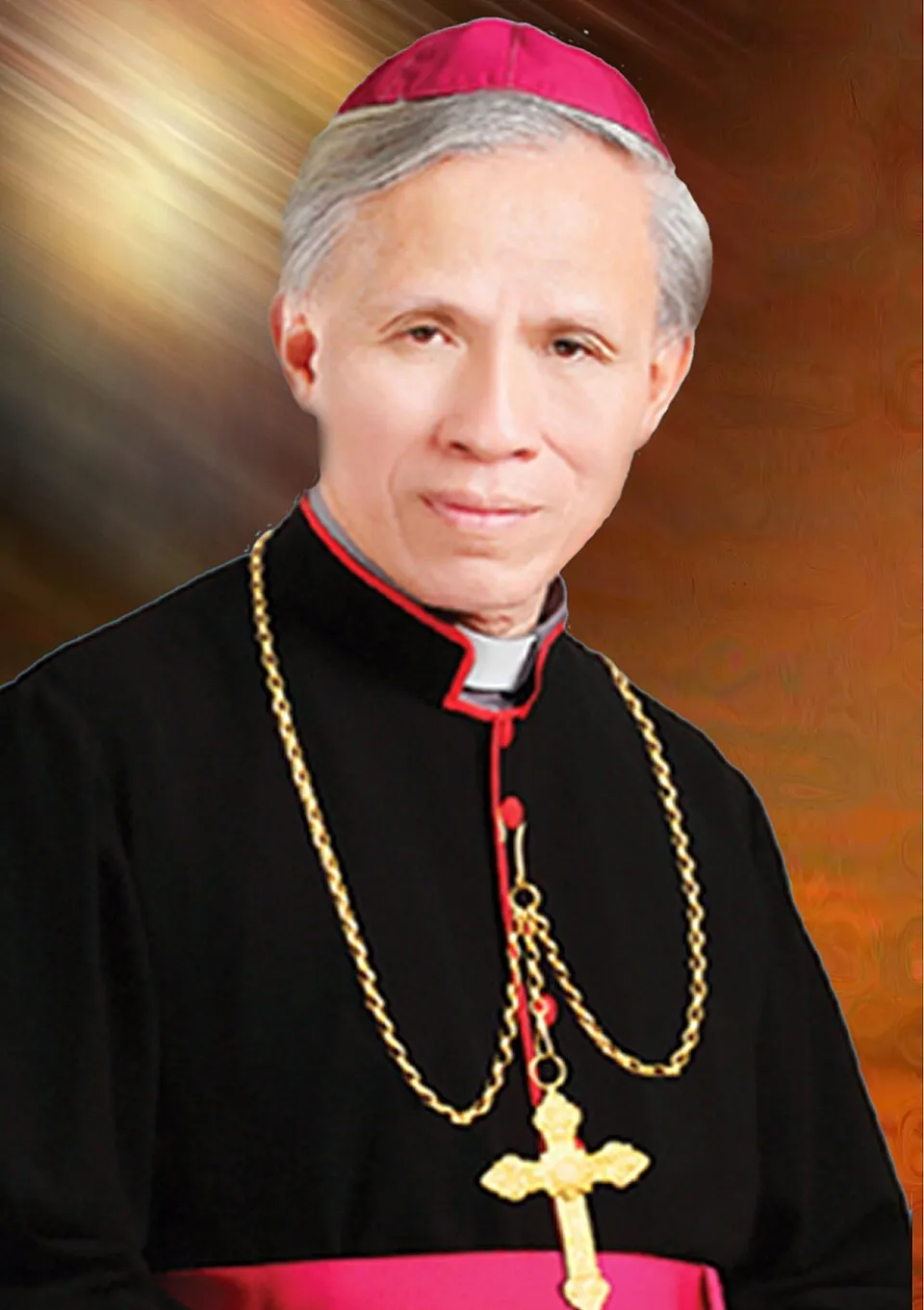
The engagement of Vietnamese bishops with the global Catholic Church is multifaceted, encompassing diplomatic dialogues, participation in synodal assemblies, and collaborative regional initiatives. These interactions not only strengthen the universal Church but also allow Vietnam to contribute its unique perspectives from a context where the Church is a minority yet vibrant community. For a comprehensive overview of Vietnamese bishops, see the dedicated page.
12th Joint Working Group Meeting (September 2025): Progress and Trust Building
The 12th Vietnam-Holy See Joint Working Group meeting convened on September 12, 2025, at the Vatican. This high-level dialogue brought together representatives from the Catholic Bishops’ Conference of Vietnam (CBCV) and the Holy See, co-chaired by Archbishop Mirosław Wachowski, the Vatican’s Under-Secretary for Relations with States. The meeting focused on strengthening bilateral ties and addressing the pastoral needs of the Catholic community in Vietnam.
According to Zenit.org and Vatican News, the discussions emphasized the Catholic Church’s positive contribution to national life, highlighting areas such as education, healthcare, and social services. Both sides noted a significant improvement in mutual trust, with the Vietnamese delegation expressing gratitude for the Holy See’s support. The dialogue also covered the status of religious freedom and the Church’s role in promoting social harmony.
The Joint Working Group mechanism, established in 2011, has become a crucial platform for addressing sensitive issues and fostering collaboration. The 12th meeting’s positive tone suggests a maturing relationship that allows the Church in Vietnam to operate with greater freedom while contributing to the common good.
Synod of Bishops Participation: Vietnamese Voices in the Universal Church
Vietnamese bishops have consistently contributed to the Synod of Bishops, bringing their unique cultural and pastoral experiences to the universal Church’s discernment. Key contributions include:
- Msgr. Joseph Đo Manh Hung, Bishop of Phan Thiết, served as a synod participant in the 2023 Synod of Bishops on the theme “For a Synodal Church: Communion, Participation, and Mission.” His interventions highlighted the challenges and opportunities of evangelization in a predominantly non-Christian society, emphasizing the need for inculturation and dialogue with local cultures.
- The national synodality plan launched in 2022 by the CBCV demonstrated Vietnam’s proactive engagement with the synodal process. This plan established diocesan listening sessions, formed lay leaders, and created mechanisms for broader participation in Church governance, aligning with Pope Francis’s vision of a more inclusive Church.
- Vietnamese bishops have also shared their experiences in regional FABC assemblies, where synodality is often discussed in the Asian context. Their contributions focus on communal decision-making and consensus-building, values deeply rooted in Vietnamese culture.
- These participations underscore Vietnam’s role as a bridge between the universal Church and the diverse Asian context, offering insights on how to maintain unity amid cultural diversity.
Seminarian Formation: Numbers, Distribution, and Global Mission Readiness
The formation of clergy is a cornerstone of the Church’s mission, and Vietnam’s seminaries play a vital role in preparing priests not only for local ministry but also for global service. This commitment to formation has deep historical roots, dating back to the early establishment of the native episcopacy during the French Indochina period, as detailed in our article on Bishops in French Indochina: Historical Roles and Legacy. With a significant number of seminarians distributed across eight regional major seminaries, the Vietnamese Church is investing in a future where its clergy will contribute to the universal Church worldwide.
2026 Seminarian Statistics: 11,713 Across 26 Dioceses
The Catholic Church in Vietnam maintains a robust system of priestly formation, with seminaries distributed across the country to serve its 26 dioceses. As of 2026, the total number of seminarians in major seminaries stands at 11,713, a significant figure that reflects the vibrancy and growth of the Church in Vietnam. These seminarians are being prepared not only for local ministry but also for potential service in the global mission, as many Vietnamese priests have historically served in diaspora communities and international religious orders.
The distribution of formation centers ensures accessibility for candidates from all regions. With eight regional major seminaries, the Church can accommodate a large number of students while maintaining quality formation programs that integrate theological studies, spiritual formation, and pastoral training.
This substantial number of seminarians positions Vietnam as a significant contributor to the global Catholic clergy. Many Vietnamese priests have already served in missions abroad, particularly in Australia, the United States, and Europe, where they minister to Vietnamese immigrant communities and local parishes. The current formation pipeline suggests that this trend will continue, with future generations of Vietnamese clergy playing an active role in the universal Church’s evangelizing mission.
| Metric | 2026 Data |
|---|---|
| Number of Dioceses | 26 |
| Number of Regional Major Seminaries | 8 |
| Total Seminarians | 11,713 |
Eight Regional Major Seminaries: Geographic Distribution and Capacity
The eight regional major seminaries are strategically located to serve the 26 dioceses of Vietnam. While specific names and exact locations are not detailed in public sources, their regional distribution ensures that seminarians from northern, central, and southern regions have access to formation without excessive travel. Each seminary typically offers a six-year program combining philosophy and theology, along with spiritual formation and pastoral internships.
These institutions are staffed by experienced faculty, including bishops, priests, and religious brothers, many of whom have studied abroad and bring international perspectives to the curriculum. The seminaries maintain partnerships with overseas theological institutions, allowing for exchange programs and joint formation initiatives. This global outlook prepares seminarians for a Church that is increasingly interconnected.
The capacity of these seminaries is impressive, with each housing several hundred students. The total enrollment of 11,713 indicates that the seminaries are operating at high capacity, reflecting the continued vocations boom in Vietnam.
This formation system not only supplies priests for the local Church but also produces candidates for religious orders and missionary societies that serve worldwide. The emphasis on language skills and intercultural competence in these seminaries equips graduates to serve in multicultural environments, further enhancing Vietnam’s contribution to the global Church.
CBCV’s Pastoral Plan and Global Collaboration

The Catholic Bishops’ Conference of Vietnam (CBCV) guides the Church’s pastoral direction through strategic planning. Its current three-year plan, with a focus on 2026, emphasizes missionary discipleship and fosters international collaboration through regional bodies and humanitarian organizations.
This approach positions Vietnamese bishops as active contributors to the global Catholic mission. The Church’s resilience during challenging periods, such as the Vietnam War, has shaped its current engagement, as documented in historical accounts like Bishops during the Vietnam War Period: Leadership Amid Conflict.
Three-Year Pastoral Plan (2026): Missionary Discipleship and FABC Leadership
The CBCV’s three-year pastoral plan, with 2026 as a pivotal year, emphasizes missionary discipleship and international solidarity. This plan responds to the call for a more evangelizing Church, encouraging all baptized Catholics to become active missionaries in their daily lives. The focus includes strengthening local missions, both within Vietnam and in collaboration with regional partners.
A key component of this strategy is active participation in the Federation of Asian Bishops’ Conferences (FABC). Vietnam plays a leadership role in FABC, contributing to its 2026 plenary assembly to be held in Bali, Indonesia.
This event will gather over 130 bishops from 27 Asian countries to discuss themes of unity, evangelization, and social engagement. Vietnamese bishops bring valuable insights from their experience of building the Church in a socialist context, offering models of dialogue and inculturation that resonate across Asia.
Through FABC, Vietnam also engages in joint programs on youth ministry, family pastoral care, and ecological conversion. The CBCV’s commitment to these initiatives demonstrates its dedication to the broader Asian Church mission, fostering unity amid diversity. This regional leadership not only benefits the Asian Church but also amplifies Vietnam’s voice in global Catholic discussions, as FABC serves as a bridge to the universal Church.
The contributions of individual bishops, such as Bishop Joseph Nguyễn Chí Linh, Bishop Joseph Đỗ Quang Khang, Bishop Joseph Nguyễn Văn Bình, and Bishop Joseph Nguyễn Văn Tiếp, further illustrate the CBCV’s global engagement through their respective dioceses and ministries.
Caritas Vietnam: Global Humanitarian Partnerships
Caritas Vietnam, the humanitarian arm of the Catholic Church in Vietnam, operates as a member of Caritas Internationalis, the global confederation of Catholic relief and development organizations. This membership enables Caritas Vietnam to participate in worldwide humanitarian responses, share resources, and learn from best practices across the globe. Key collaborations and initiatives include:
- International disaster relief: Caritas Vietnam contributes funds and personnel to Caritas Internationalis emergency campaigns, such as recent responses to earthquakes in Türkiye and Syria, and floods in Pakistan. This solidarity demonstrates Vietnam’s commitment to the global common good.
- Migrant support programs: In partnership with Caritas Internationalis and regional Caritas organizations, Caritas Vietnam runs initiatives that serve migrant workers, both within Vietnam and in destination countries. A 2025 report highlighted how migrants are recognized as “partners in Church renewal,” bringing new energy and perspectives to the faith community.
- Development projects: Caritas Vietnam implements long-term development programs funded by international Caritas partners, focusing on poverty reduction, education, and healthcare. These projects often involve knowledge transfer and capacity building, benefiting both Vietnamese communities and the global Caritas network.
- Advocacy and climate action: Through its international connections, Caritas Vietnam participates in global advocacy campaigns on climate change and migration, aligning with the Church’s social teaching and the Sustainable Development Goals.
These partnerships position Vietnamese Catholics as active contributors to the universal Church’s mission of charity and justice.
The most surprising finding is the sheer number of seminarians—11,713 across 26 dioceses—which signals a remarkable vitality and future growth for the Church in Vietnam. This formation pipeline will likely produce not only local priests but also missionaries who will serve globally. For those interested in supporting this vibrant Church, a concrete step is to review the CBCV’s 2026 pastoral plan, which outlines specific programs for international collaboration.
Potential partners can explore opportunities in missionary discipleship training, FABC initiatives, or Caritas Vietnam’s humanitarian projects by contacting the CBCV directly or visiting their official website. The combination of strong vocations, strategic global engagement, and a clear pastoral vision makes the Vietnamese Catholic Church a significant player in the 21st-century universal Church.