Vietnamese bishops and the state have moved from historical tension to a phase of cautious cooperation, marked by high-level diplomatic dialogue and expanding Church activities within Vietnam’s evolving socio-political landscape.
- Regular diplomatic dialogues occur via the Vietnam-Holy See Joint Working Group, with the twelfth session held in September 2025.
- The CBCV officially represents 27 dioceses and both sides acknowledge the Catholic community’s civic contributions.
- Ongoing challenges include property disputes and limitations on religious activities, despite Vatican encouragement of full societal integration.
Diplomatic Engagements: The Vietnam-Holy See Joint Working Group and Resident Representation
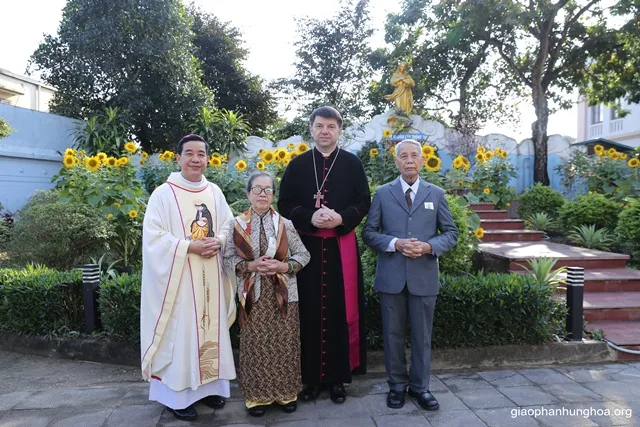
The relationship between the Vietnamese bishops’ conference and the state has transformed significantly since the 1980s, with diplomatic engagement emerging as the primary channel for addressing Church-state matters. This evolution is best exemplified by the institutionalized Vietnam-Holy See Joint Working Group and the establishment of a resident papal representative in Hanoi—both milestones that signal a transition from periodic negotiations to sustained diplomatic presence.
Twelfth Session of the Joint Working Group (September 2025)
The twelfth session of the Vietnam-Holy See Joint Working Group convened on September 12, 2025, continuing a dialogue process that has become a cornerstone of Church-state relations. The meeting was co-chaired by Archbishop Mirosław Wachowski, the Vatican’s Undersecretary for Relations with States, and Le Thi Thu Hang, Vietnam’s Vice Minister of Foreign Affairs.
| Session Number | Date | Vatican Co-Chair | Vietnam Co-Chair | Key Outcomes/Atmosphere |
|---|---|---|---|---|
| 11th | May 2024 | Archbishop Mirosław Wachowski | Le Thi Thu Hang (Vice Minister of Foreign Affairs) | Cordial talks; commitment to regular meetings |
| 12th | September 12, 2025 | Archbishop Mirosław Wachowski | Le Thi Thu Hang (Vice Minister of Foreign Affairs) | Cordial and rooted in mutual trust; ongoing collaboration |
The consistent high-level participation—evidenced by the Vatican’s Undersecretary for Relations with States and Vietnam’s Vice Minister of Foreign Affairs—demonstrates that both parties treat these talks as substantive diplomatic engagements rather than symbolic gestures. The twelfth session’s description as “cordial and rooted in mutual trust” (zenit.org, 2025) reflects a maturation of the dialogue process that began in the early 2000s. This institutionalized mechanism allows both sides to address concerns systematically, from property restitution to pastoral coordination, within a structured framework that has weathered political changes on both sides.
Archbishop Marek Zalewski’s Role as Resident Papal Representative
A landmark in Vietnam-Holy See relations occurred with the appointment of Archbishop Marek Zalewski as the Vatican’s resident representative in Hanoi. This development marks a significant upgrade from previous arrangements, where the Holy See relied on non-resident envoys or periodic visits to manage relations.
Archbishop Zalewski’s permanent presence in Hanoi enables continuous diplomatic engagement, real-time monitoring of Church-state developments, and direct facilitation of the Joint Working Group process. His role encompasses both diplomatic duties—maintaining formal channels with Vietnamese authorities—and pastoral oversight of the Catholic community in Vietnam. This dual capacity reflects the Vatican’s approach of integrating diplomatic normalization with pastoral care.
The establishment of resident representation represents Vietnam’s cautious acceptance of the Holy See’s institutional presence, moving beyond the ad hoc accommodations of previous decades. For Vietnamese Catholics, Archbishop Zalewski’s residence in Hanoi symbolizes a new era of visibility and accessibility for Vatican diplomacy in their country.
Cordial Talks and Mutual Trust: Outcomes of Recent Dialogues
Recent sessions of the Vietnam-Holy See Joint Working Group have produced several concrete outcomes that shape Church-state cooperation:
- Mutual acknowledgment of Catholic contributions: Both sides publicly recognize the Catholic community’s role in education, healthcare, and social services, framing the Church as a partner in national development rather than a separate entity.
- Commitment to regular meetings: The twelfth session reaffirmed the schedule for continued dialogue, institutionalizing the process beyond any single administration’s term.
- Vatican guidance on integration: The Holy See encourages Vietnamese Catholics to participate fully in national life while maintaining their religious identity, a message that aligns with state expectations of patriotic citizenship.
These outcomes foster practical cooperation by establishing shared language and common goals. The “cordial and rooted in mutual trust” atmosphere (zenit.org, 2025) allows both sides to discuss sensitive topics—including property disputes and religious activity limitations—without derailing the overall relationship. For Vietnamese bishops, these dialogues provide a formal channel to advocate for their community’s needs while demonstrating loyalty to national priorities.
CBCV’s Official Status and Collaborative Initiatives with the State
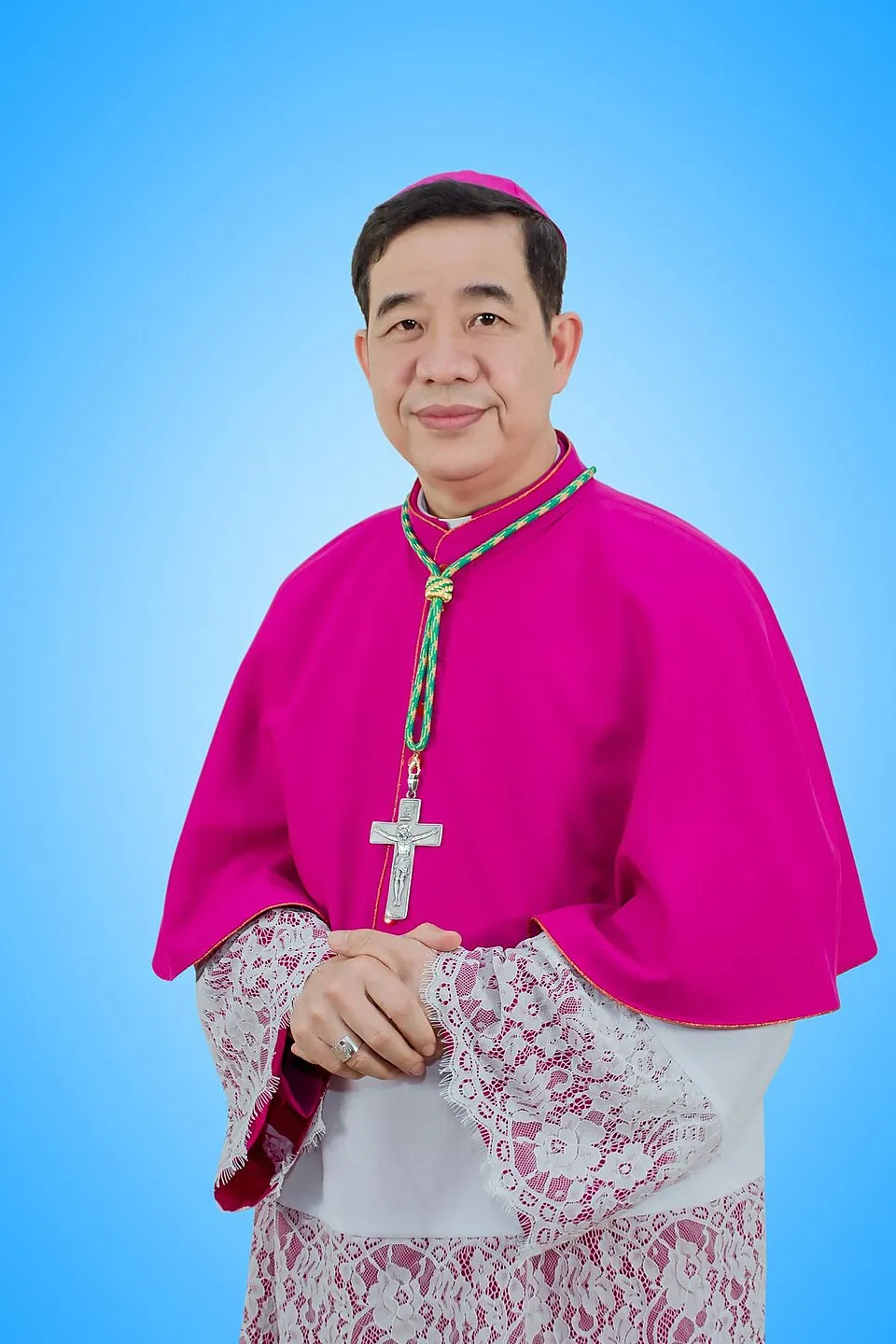
The Catholic Bishops’ Conference of Vietnam (CBCV) operates as the official assembly representing all Catholic bishops in the country, serving as the primary institutional interlocutor with the Vietnamese government. Its recognized status enables structured collaboration on matters ranging from pastoral planning to social service coordination.
Representing 27 Dioceses: CBCV’s Structural Authority
The CBCV’s legitimacy stems from its representation of 27 dioceses across Vietnam, encompassing all active and retired bishops. This comprehensive mandate gives the conference unique authority to speak on behalf of Vietnam’s Catholic community, estimated at approximately 7 million faithful.
Key structural attributes include:
- Official assembly status: The CBCV is the sole body authorized to represent the Catholic hierarchy in Vietnam in dealings with state authorities.
- Diocesan representation: All 27 dioceses—from Hà Nội to TP. Hồ Chí Minh and from Lạng Sơn to Cần Thơ—are represented through their bishops.
- Core missions: The conference promotes communion among bishops, coordinates pastoral initiatives, and facilitates collaboration with civil society organizations.
- Historical continuity: While the CBCV in its current form was re-founded in 1980 following Vietnam’s reunification, its predecessor bodies date back to the early 20th century, when bishops in French Indochina played significant roles, providing institutional memory and continuity.
- Official assembly status: The CBCV is the sole body authorized to represent the Catholic hierarchy in Vietnam in dealings with state authorities.
- Diocesan representation: All 27 dioceses—from Hà Nội to TP. Hồ Chí Minh and from Lạng Sơn to Cần Thơ—are represented through their bishops.
- Core missions: The conference promotes communion among bishops, coordinates pastoral initiatives, and facilitates collaboration with civil society organizations.
- Historical continuity: While the CBCV in its current form was re-founded in 1980 following Vietnam’s reunification, its predecessor bodies date back to the early 20th century, providing institutional memory and continuity.
This structural authority allows the CBCV to present unified positions on policy matters, negotiate agreements with government ministries, and coordinate national-level pastoral programs that transcend individual diocesan boundaries.
Government Recognition of Catholic Civic Contributions
Both Vietnamese state officials and the Holy See have increasingly framed Catholic contributions to national life in positive terms. This rhetorical shift from suspicion to acknowledgment reflects practical experience with Catholic-run institutions and the Church’s demonstrated commitment to social welfare.
Official dialogues and communiqués highlight Catholic involvement in:
- Education: Catholic schools have long served communities across Vietnam, often providing quality education in underserved areas. The government’s tolerance of these institutions, while maintaining oversight, acknowledges their educational value.
- Healthcare: Catholic clinics and healthcare initiatives, particularly in rural regions, complement state health services. The CBCV coordinates these efforts through its Caritas Vietnam network.
- Social services: Catholic charitable organizations provide disaster relief, support for the poor, and assistance to marginalized groups—activities that align with state poverty reduction goals.
This mutual acknowledgment creates a foundation for expanded cooperation, as the state recognizes the Catholic community as a contributor to national development rather than a potential source of dissent.
Expansion of Pastoral and Charitable Work
Vietnam has cautiously permitted the Catholic Church to expand its pastoral and charitable activities since the 1990s, though within parameters defined by state regulations. This expansion represents one of the most tangible outcomes of improved Church-state relations.
Specific areas of growth include:
Educational initiatives: Catholic seminaries and theological schools operate under state oversight but have gained space to train clergy and lay leaders. The CBCV’s pastoral programs increasingly incorporate social teaching, preparing Catholics to engage responsibly in public life.
Healthcare services: Church-affiliated clinics and medical outreach programs serve remote and disadvantaged communities. These initiatives often partner with government health departments, creating formal channels for cooperation.
Social welfare programs: Caritas Vietnam, the CBCV’s humanitarian arm, coordinates disaster response, poverty alleviation, and support for vulnerable populations. The organization’s registration as a recognized NGO reflects state acceptance of its work.
The “cautious” nature of this expansion means that growth occurs through negotiation and incremental approvals rather than automatic authorization. Dioceses must navigate local administrative requirements, and large-scale projects often require multiple clearances. Nevertheless, the overall trajectory shows increasing space for Catholic institutional activity compared to the restrictions of the 1970s and 1980s.
Ongoing Challenges in Church-State Relations
Despite diplomatic progress and expanded pastoral space, significant challenges persist at the operational level. These issues—property disputes and regulatory limitations—affect daily parish life and demonstrate that high-level dialogue does not automatically resolve grassroots tensions.
Property Disputes and Restitution Issues
Historical confiscations of Church properties remain a contentious legacy. After the 1954 division of Vietnam and the 1975 reunification, substantial Church assets—including churches, seminaries, convents, and parish lands—were seized without compensation. While some properties have been returned through negotiation, many cases remain unresolved.
Key aspects of this ongoing challenge:
- Legal disputes: Many property claims involve complex title histories spanning colonial, South Vietnamese, and Socialist Republic periods. Courts and local authorities often rule against Church claims based on technical grounds or public interest justifications.
- Specific cases: Notable disputes involve former seminary buildings in Hà Nội and Huế, as well as parish lands in central Vietnam. The CBCV maintains a registry of properties still under state control that it seeks to recover or obtain compensation for.
- Operational impact: Lack of access to historical properties limits Church activities. Some parishes worship in temporary structures while awaiting resolution of ownership claims, and seminaries operate in facilities that may not meet long-term needs.
These property issues represent the most visible and emotionally charged unresolved matters from the past, affecting both the Church’s material resources and its sense of historical justice.
Limitations on Religious Activities and Registration
Vietnamese law requires religious organizations to register their activities with state authorities, a process that creates operational constraints for Catholic parishes and associations. While registration is theoretically possible, practical implementation varies by locality.
Specific limitations include:
- Registration requirements: Parishes must register with local religious affairs bureaus, a process that can take months or years and requires multiple approvals.
- Gathering restrictions: Public religious processions, large-scale gatherings, and certain liturgical celebrations require permits from local police and neighborhood committees.
- Proselytization limits: Evangelization activities are permitted only within registered church compounds, and door-to-door missionary work faces informal restrictions.
- Educational oversight: Religious education for children and catechism programs must align with state curriculum guidelines and avoid “superstitious” content as defined by authorities.
These regulatory constraints mean that Vietnamese Catholics must navigate a complex administrative environment that differs significantly from the free exercise of religion in many Western countries. The limitations are not uniform—some dioceses experience more flexibility than others—but they create an overarching framework of state oversight.
Balancing Religious Freedom with Civic Responsibility
The Vatican consistently encourages Vietnamese Catholics to integrate fully into society while maintaining their religious identity. This guidance addresses a fundamental challenge: how to be both faithful Catholics and loyal Vietnamese citizens within a political system that demands primacy for the state.
The balance requires:
- Patriotic participation: Catholics are urged to participate in national events, respect state symbols, and contribute to development goals—all while maintaining distinct religious practices.
- Legal compliance: The Church teaches that obeying just laws is a religious duty, even when laws impose restrictions on religious practice.
- Discernment in advocacy: Bishops must decide when to accept state limitations and when to push back through dialogue channels, a calculation that varies by issue and locality.
This balancing act operates at multiple levels: individual Catholics navigate workplace and community expectations; parish priests manage local relationships with authorities; and bishops weigh advocacy strategies in the Joint Working Group. The Vatican’s encouragement of integration provides a theological framework that supports both religious integrity and civic engagement, though applying this framework to specific situations remains a daily challenge for Vietnam’s Catholic community.
The coexistence of diplomatic warmth and local restrictions creates a paradox: while bishops meet with vice ministers in Hanoi, parish priests in remote provinces may still face difficulties obtaining permits for Christmas celebrations. This duality defines the current Church-state relationship—progress at the institutional level coexisting with persistent friction at the operational level.
For the latest official statements on these dialogues and advocacy updates, visit Vietnamese bishops on the CBCV portal.