The Diocese of Bac Ninh has had five bishops since 1963, with Bishop Joseph Do Quang Khang as the current ordinary since June 17, 2023. This ancient suffragan see of the Archdiocese of Hanoi is renowned for its strong heritage of martyrs and its pivotal mission in northern Vietnam.
- Bac Ninh is one of Vietnam’s oldest dioceses, founded as a vicariate in 1883 by Dominican missionaries and elevated to a diocese in 1960.
- After the 1954 division, the diocese lost 250 of its 300 churches and endured 35 years (1954-1989) with only one bishop and one priest.
- Today, under Bishop Joseph Do Quang Khang, Bac Ninh is experiencing renewal through social services like a clinic and nursing homes, and a focus on evangelization.
The Bishops of Bac Ninh: A Succession of Shepherds (1963-Present)
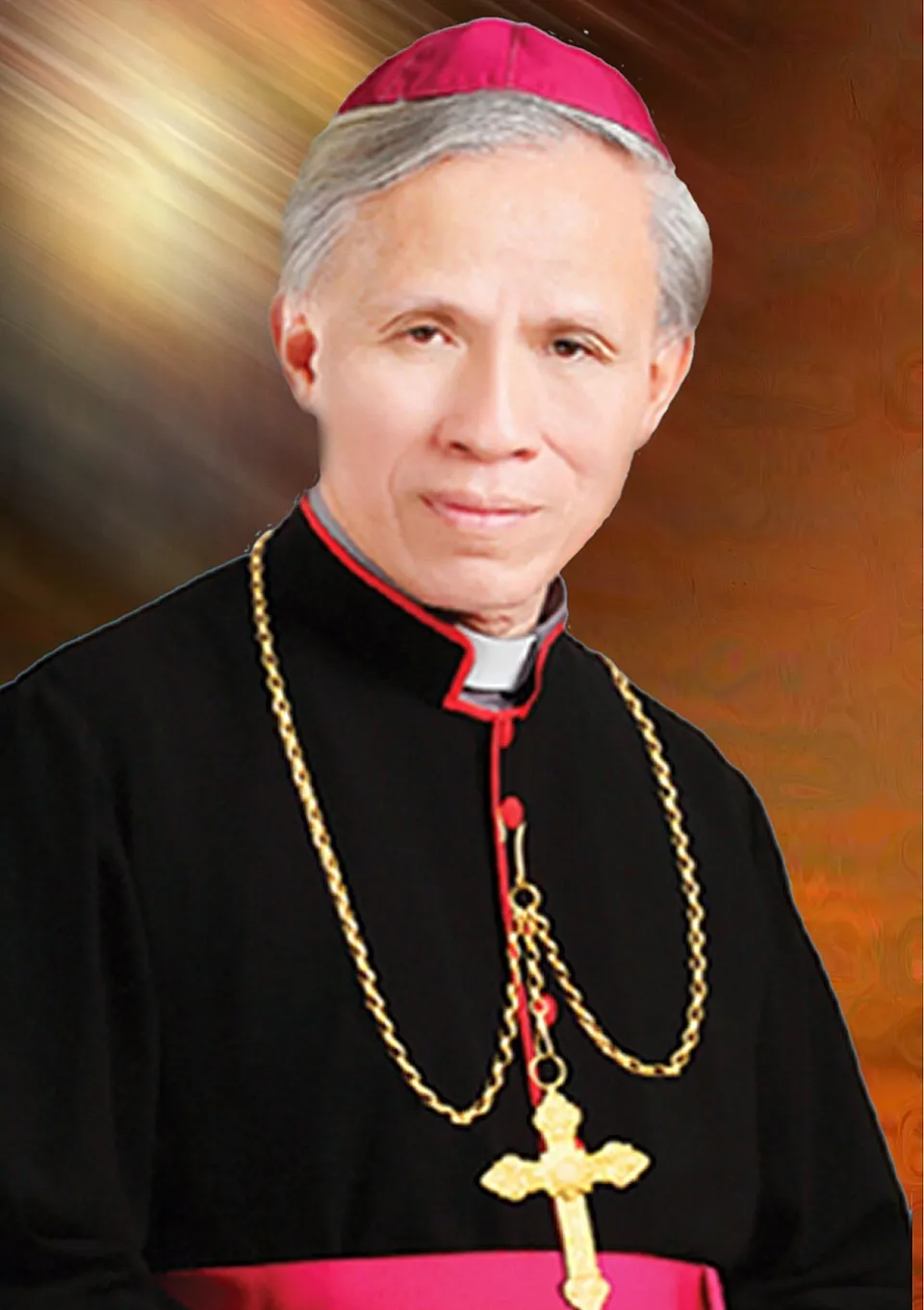
Since the establishment of the Diocese of Bac Ninh in 1960, five Vietnamese prelates have shepherded this historic see. Each bishop has navigated unique challenges, from post-war reconstruction to spiritual renewal, while maintaining the diocese’s connection to the wider Catholic Bishops’ Conference of Vietnam (CBCV), the assembly of Vietnamese bishops across the country. Their collective leadership reflects the resilience of the Catholic Church in northern Vietnam.
Chronological Leadership: From Paul Joseph Pham Dinh Tung to Joseph Do Quang Khang
- Paul Joseph Pham Dinh Tung (1963–1994): Served as the first bishop of Bac Ninh after its elevation to a diocese. He later became Archbishop of Hanoi, a key position within the CBCV.
- Joseph-Marie Nguyen Quang Tuyen (1994–2006): The second bishop, who died in office after 12 years of service.
- Cosma Hoang Van Dat, S.J. (2008–2023): A Jesuit priest who led the diocese during a significant period of spiritual and structural renewal. His 15-year tenure oversaw the rebuilding of parish life after decades of constraint.
-
Joseph Do Quang Khang (2023–Present): The current bishop, who succeeded on June 17, 2023, after serving as coadjutor since 2021.
He is the fifth Vietnamese prelate to lead the diocese and a member of the CBCV.
All bishops of Bac Ninh since 1963 have been active members of the Catholic Bishops’ Conference of Vietnam, participating in national pastoral planning and dialogue with civil authorities. Their individual tenures are documented by the CBCV and Catholic news agencies like UCA News.
Episcopal Authority in Bac Ninh: Five Sins Only the Pope Can Forgive
The bishops of Bac Ninh, like all diocesan bishops worldwide, possess the authority to forgive sins through the Sacrament of Reconciliation. However, Catholic doctrine reserves five specific categories of sins to the Pope alone. These grave offenses, which cause serious harm to the Church’s unity and sacramental integrity, require the Pope’s direct intervention for absolution.
This universal Church law applies equally to the bishop serving in Bac Ninh as it does to any other diocese. The five reserved sins include: apostasy, heresy, or schism; physical attack on a pope or bishop; violation of the consecrated species (the Eucharist); a priest absolving an accomplice in a sexual sin; unauthorized ordination of a bishop; direct violation of the seal of confession; and revealing an overheard confession. This framework underscores the bishop’s role as a teacher and guardian of doctrine within his diocese, while acknowledging the Pope’s supreme authority in matters of universal scope.
Ancient See, Modern Challenges: Bac Ninh’s Historical Journey
The Diocese of Bac Ninh’s history is marked by profound transformation—from a missionary vicariate to a resilient diocese that endured catastrophic loss and slow rebirth. Its story is inseparable from the larger narrative of Vietnam’s 20th-century upheavals and the steadfast faith of its people.
Founding and Elevation: 1883 Vicariate, Dominican Missionaries, and 1960 Diocese
The Catholic presence in the Bac Ninh region dates back to Dominican missionaries, part of the historical bishops in French Indochina, who established the Apostolic Vicariate of Bac Ninh in 1883. This founding occurred during a period of expanding missionary activity in northern Vietnam. The vicariate quickly became known for its strong heritage of martyrs, with many local faithful giving their lives during periods of persecution in the 18th and 19th centuries.
This legacy of sacrifice shaped the diocese’s identity. Following the political reorganization of Vietnam, the vicariate was elevated to a full diocese on November 24, 1960, by Pope John XXIII. As a diocese, Bac Ninh became a suffragan see of the Archdiocese of Hanoi, placing it within the ecclesiastical province led by the Archbishop of Hanoi, who also serves as the President of the CBCV.
The 1954 Catastrophe: Division, Migration, and Destruction of 250 of 300 Churches
| Metric | Pre-1954 | Post-1954 |
|---|---|---|
| Churches Standing | Approx. 300 | Approx. 50 (250 destroyed) |
| Clergy Availability | Multiple priests serving parishes | Severe shortage; only 1 bishop & 1 priest by 1954-1989 period |
| Catholic Population Movement | Stable communities in Bac Ninh region | Major migration southward; many Catholics fled to South Vietnam |
The year 1954 marked a devastating turning point.
The Geneva Accords divided Vietnam at the 17th parallel. In the ensuing 300-day period of free movement, a mass exodus of Catholics from the North to the South occurred. The Diocese of Bac Ninh, located in the North, suffered immense physical and human loss.
Of its approximately 300 churches, 250 were destroyed—a catastrophic loss of sacred infrastructure. This destruction, combined with the migration of many faithful and clergy, left the diocese in ruins. The period from 1954 to 1989 would become known as the “Dark Period,” where pastoral care was provided by a skeletal clergy.
How Did Bac Ninh Renew After the 1954 Catastrophe?
The path to renewal for Bac Ninh was long and arduous, spanning decades of minimal clergy presence. Yet, through a combination of patient endurance and strategic rebuilding in the late 20th century, the diocese began a remarkable recovery that continues today under Bishop Joseph Do Quang Khang.
The Dark Period (1954-1989): One Bishop, One Priest
From 1954 until 1989, the Diocese of Bac Ninh existed in a state of extreme clerical scarcity. For 35 years, the entire diocese was served by only one bishop and one priest. This meant that sacramental life, catechesis, and parish administration were severely constrained.
The lone bishop and priest would have traveled extensively between the remaining open churches to celebrate Mass, administer sacraments, and provide basic pastoral care. This period tested the faith of the remaining Catholics to its limits, with many communities going long periods without regular Mass. The survival of the diocese through this time is attributed to the deep faith of the laity and the heroic dedication of the few remaining clergy, whose work was supported by the broader Church in Vietnam and international missionary groups.
Spiritual Vigilance in Bac Ninh: Understanding the ‘3am’ Tradition
A question often arising in Catholic tradition concerns the significance of the 3 a.m. hour. In popular culture, 3 a.m. is known as the “devil’s hour.” This belief stems from the inversion of 3 p.m., the hour tradition holds that Jesus died on the cross. The logic suggests that just as 3 p.m. is a holy hour, its opposite, 3 a.m., is a time when evil forces are believed to be particularly active.
While Church teaching does not officially designate 3 a.m. as a special time, the concept of spiritual vigilance is a core part of Catholic practice. Bishops, including those in Bac Ninh, consistently teach the faithful to be spiritually alert against temptation at all times.
This teaching encourages prayer, sacramental life, and moral vigilance as defenses against spiritual danger, regardless of the hour. The tradition serves as a reminder of the constant need for faithfulness.
Modern Ministries and Evangelization: Clinics, Nursing Homes, and Faith Renewal
- Diocesan Clinic for the Poor: The diocese operates a medical clinic that provides essential healthcare services to the underserved in the Bac Ninh region, addressing physical suffering as a form of Christian charity.
- Nursing Homes: Diocesan-run nursing homes offer care and dignity for the elderly, embodying the Church’s preferential option for the vulnerable and providing a tangible witness to Catholic social teaching.
-
Focus on Evangelization: Under current leadership, the diocese has renewed its commitment to evangelization—the sharing of the Christian faith.
This includes supporting lay ministers, youth programs, and parish outreach to re-engage the faithful and invite new members, reversing the declines of the previous century.
These initiatives demonstrate a holistic approach to renewal, meeting both material and spiritual needs. The clinic and nursing homes serve the entire community, while evangelization efforts aim to strengthen the Catholic community from within.
This model of integrated ministry is a hallmark of Bishop Cosma Hoang Van Dat’s legacy and continues under Bishop Joseph Do Quang Khang. For a broader view of the Vietnamese episcopate’s work, one can explore the profile of Bishop Joseph Đỗ Quang Khang or the historical challenges faced by bishops during the Vietnam War period.
The most astonishing fact in the history of the Diocese of Bac Ninh is its survival through 35 years with only one bishop and one priest. This unimaginable scarcity, from 1954 to 1989, could have extinguished the diocese. Instead, it forged a faith of extraordinary depth among the remnant community.
Today, that community is being rebuilt. To learn more about supporting Bac Ninh’s ministries or to explore the full roster of Vietnamese bishops leading dioceses across the country, visit the official portal of the Catholic Bishops’ Conference of Vietnam.