Title: Catholic Pastoral Guides: Essential Resources for Ministry in Vietnam in 2026
Meta description: Official Catholic pastoral guides from CBCV and Holy See for 2026 ministry in Vietnam. Resources for clergy and laity serving 7 million Catholics across 27 dioceses.
Slug: catholic-pastoral-guides-essential-resources-ministry-vietnam-2026
Tags: Catholic Bishops’ Conference of Vietnam, Holy See, Dicastery for Promoting Integral Human Development, Vietnam-Holy See Joint Working Group, Cardinal Michael Czerny, pastoral care, evangelization, Catholic liturgy
Keywords: Catholic pastoral guides, pastoral guides Vietnam, CBCV pastoral documents, Catholic ministry resources Vietnam, 2026 pastoral guides
The Catholic Bishops’ Conference of Vietnam (CBCV) website is the central hub for official Catholic pastoral guides, offering essential resources for ministry in Vietnam as of 2026. These guides—including pastoral letters, messages, and doctrinal resources—provide direction for clergy and laity serving the country’s 7 million Catholics across 27 dioceses. Updated regularly, they address contemporary challenges while drawing from the universal Church’s teachings.
- The CBCV website (cbcvietnam.org) is the primary source for official pastoral documents and messages in Vietnam.
- Pastoral guides cover core areas like care for the sick, evangelization, liturgy, and ministry training.
- With 7 million Catholics across 27 dioceses, these guides are tailored to Vietnam’s unique historical and cultural context.
Official Sources for Catholic Pastoral Guides in Vietnam
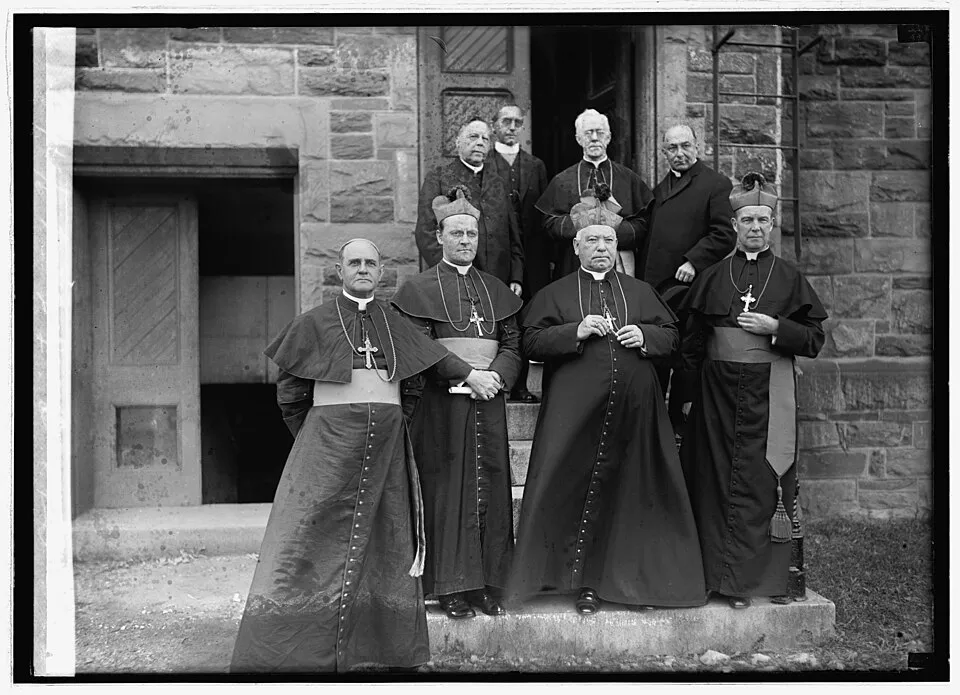
The CBCV website, home to the Catholic doctrine articles and pastoral guides, serves as the definitive central hub for all official resources in Vietnam. As the digital platform of the Catholic Bishops’ Conference of Vietnam, it aggregates pastoral letters from bishops, liturgical messages for seasons like Advent and Lent, and comprehensive information on Church activities nationwide. The “Church Documents” section is particularly valuable, organized by year and topic for easy access.
New pastoral messages appear monthly, ensuring clergy and laity receive timely guidance aligned with the liturgical calendar and emerging pastoral needs. For Vietnamese ministers seeking authoritative resources, this portal remains the first and most reliable destination in 2026.
Beyond national sources, the Holy See issues universal pastoral documents that directly inform Vietnamese ministry. Encyclicals such as Pope Francis’s recent teachings and apostolic exhortations provide theological foundations for local pastoral applications. The Dicastery for Promoting Integral Human Development, led by Cardinal Michael Czerny, produces specialized guides on social teaching, migration, and economic justice—topics highly relevant to Vietnam’s rapidly developing context.
These international resources are often adapted by the CBCV into Vietnamese-language materials, creating a bridge between universal Church doctrine and local pastoral practice. Vietnamese clergy should regularly consult both the Holy See’s official channels and the CBCV’s translations to maintain doctrinal continuity while addressing specific local challenges.
The Vietnam-Holy See Joint Working Group plays a crucial role in synchronizing pastoral guidance between Rome and Vietnam. This bilateral body fosters dialogue on theological education, liturgical norms, and pastoral strategy, ensuring that Vietnamese ministry remains both authentically Catholic and culturally responsive.
The group facilitates the exchange of documents, organizes joint training sessions for seminary formators, and helps resolve practical questions about implementing universal Church guidelines in Vietnam’s unique context. For the ordinary priest or lay minister, this cooperation means that the pastoral guides found on cbcvietnam.org have been carefully vetted and contextualized through direct collaboration with the Holy See—a guarantee of both orthodoxy and pastoral effectiveness.
What Are the Key Pastoral Care Resources for Vietnamese Ministry?
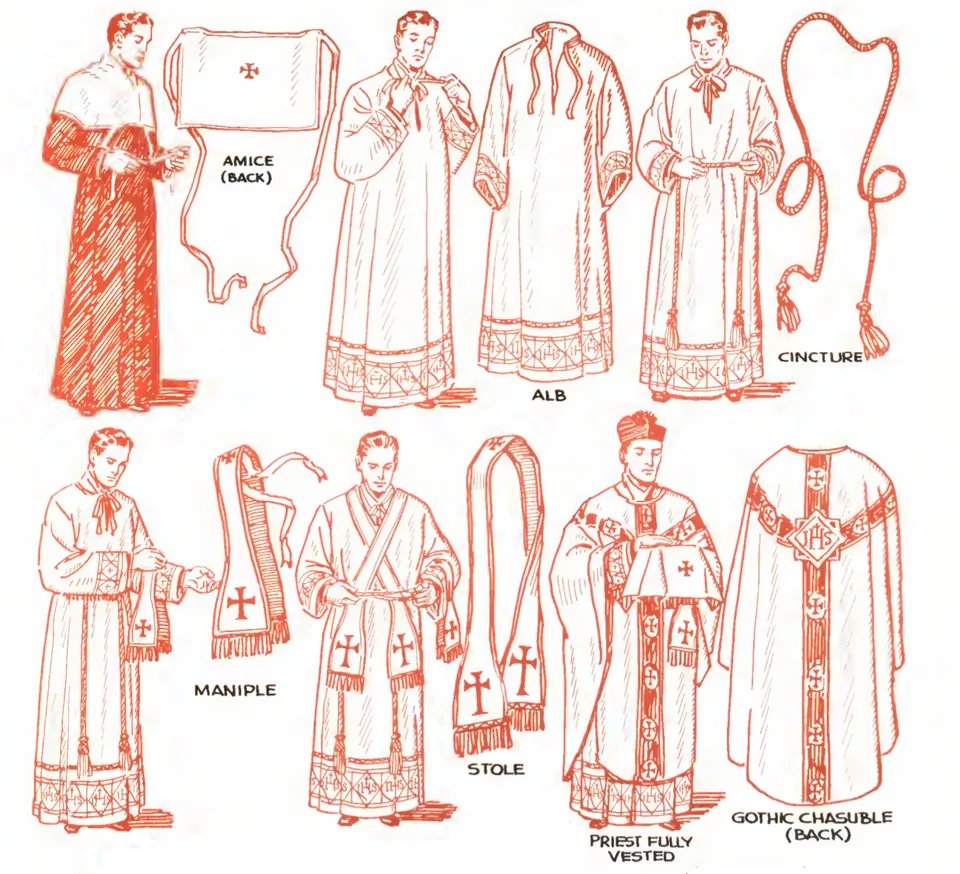
Pastoral care, in the Catholic tradition, means providing emotional, spiritual, and social support—especially to those who are sick, elderly, or isolated. This ministry continues Christ’s own work of healing and accompaniment. Vietnamese clergy and laity can apply pastoral guides through these concrete actions:
- Emotional support: Regular home visits to housebound elderly in rural villages, listening and praying with them; establishing hospital chaplaincy teams in urban centers like Hanoi and Ho Chi Minh City.
- Spiritual support: Bringing the Eucharist to the homebound, administering Anointing of the Sick, facilitating confession via phone or video when mobility is limited.
- Social support: Connecting families with Catholic charitable organizations (like Caritas Vietnam) for medical expense assistance, food aid, or transportation to clinics.
The CBCV’s 2025 pastoral letter on “Accompaniment in Suffering” provides specific protocols for these ministries, emphasizing confidentiality and cultural sensitivity when ministering to Vietnam’s diverse ethnic communities. For common questions, the pastoral guides questions answers section offers quick clarifications on sacramental access, hospital ministry, and end-of-life care.
Effective evangelization and meaningful liturgy are central to pastoral work. Vietnamese Catholics have access to specialized guides that balance universal Church norms with local expression:
- Evangelization guides: The CBCV’s “Manual for Catechists” (updated 2025) offers step-by-step methods for teaching the faith in Vietnamese contexts, with modules for youth, families, and ethnic minority groups. The “Evangelization Strategy 2026-2030” document provides outreach models for urban migrant communities and university students.
- Liturgical resources: The Vietnamese-language Roman Missal (3rd edition, 2024) includes approved inculturation elements such as local hymnody and ritual gestures. The CBCV’s “Guidelines for Sacramental Celebrations in Multi-Ethtic Parishes” addresses the needs of Vietnam’s 54 recognized ethnic groups, ensuring respectful integration of legitimate cultural expressions while maintaining liturgical integrity.
For sacramental preparation, consult the Catholic marriage guidelines. The rites in Catholicism guide explains the diversity of liturgical traditions, while the comprehensive rites and sacraments guide offers a complete overview for catechists and ministers.
Ongoing formation is essential for effective ministry. The CBCV and Holy See provide structured training materials:
- Formation materials: The “National Seminary Curriculum” (revised 2025) integrates Vatican II documents with Vietnam-specific pastoral case studies. The Lay Minister Certification Program offers three levels of training for catechists, extraordinary ministers, and pastoral council members, with modules available online through the CBCV e-learning portal.
- Theological documents: Key references include the “Compendium of Catholic Social Teaching” (Vietnamese edition, 2025), the CBCV’s “Theological Reflections on Vietnamese Inculturation” series, and regular study notes on papal encyclicals prepared by the CBCV’s Theological Commission.
Understanding canon law explained is essential for those in diocesan administration. The CBCV’s Catholic doctrine articles provide foundational theology for lay ministers, while the pastoral resources portal supplies templates, checklists, and best practices for parish life. These resources ensure that both clergy and laity minister with deep theological grounding and practical skill.
2026 Context: Demographics, History, and Practical Application
The Catholic Church in Vietnam operates at a significant scale, with precise demographic data informing pastoral planning:
| Metric | Value |
|---|---|
| Catholic Population | ~7 million |
| % of Total Population | 7.4% |
| Dioceses | 27 (including 3 archdioceses) |
| Parishes | 2,228 |
| Priests | 2,668 |
| Worldwide Catholics (2026) | 1.279 billion |
This data reveals several pastoral implications. The ratio of 2,668 priests to 2,228 parishes averages slightly more than one priest per parish, but distribution is uneven—urban dioceses like Hồ Chí Minh City face priest shortages while some rural areas have adequate coverage. The 7 million Catholics represent a significant minority in a nation of 95 million, requiring evangelization strategies that respect the majority Buddhist and non-religious contexts.
Compared to the global Catholic population of 1.279 billion, Vietnam’s Church is small but vibrant, with higher Mass attendance rates than many Western countries. Pastoral guides must therefore address both numerical growth and deepening of faith within this established community.
Vietnam’s Catholic community has endured periods of intense persecution that shape its pastoral identity today. Historical decrees, particularly during the Nguyễn dynasty in the 19th century, declared Catholic practice illegal, leading to the forced exile of missionaries like Fr. Alexandre de Rhodes and the martyrdom of thousands.
This legacy of suffering created a resilient faith culture where religious identity is deeply intertwined with family and community life. The transition to religious freedom, especially after the 1980s, allowed the Church to rebuild institutions openly.
Modern pastoral guides from the CBCV often reflect this historical consciousness—emphasizing reconciliation, patient endurance, and the integration of faith with national development. Understanding this context helps clergy apply universal Church teachings in ways that honor Vietnamese Catholics’ ancestral memory of persecution while embracing current freedoms for evangelization.
Vietnamese clergy and laity can effectively implement pastoral guides through a five-step process:
- Assess local needs: Use the demographic data above to identify your diocese’s specific challenges—priest shortages, aging population, youth disengagement, or ethnic minority integration.
- Select appropriate guides: Visit the CBCV website’s “Church Documents” section and filter by your ministry area (e.g., “liturgy,” “youth,” “social action”). Cross-reference with Holy See documents for universal principles.
- Adapt with cultural sensitivity: Apply the CBCV’s inculturation guidelines to incorporate legitimate Vietnamese elements—such as ancestral veneration practices that align with Catholic teaching on honoring parents—while rejecting syncretism that compromises doctrine.
- Train lay ministers: Enroll candidates in the CBCV’s Lay Minister Certification Program, focusing on the modules most relevant to your parish’s needs.
- Evaluate and share feedback: After implementing a guide’s recommendations for 3-6 months, assess outcomes and submit observations to your diocesan pastoral council, which can forward insights to the CBCV for future document refinement.
This systematic approach ensures that pastoral guides remain living tools rather than static documents.
The vibrant faith of Vietnam’s 7 million Catholics persists against a backdrop of historical adversity, sustained by timely pastoral guidance from the CBCV and Holy See. While global Catholicism grows, Vietnam’s Church demonstrates that depth, not size, defines effective ministry. Start applying these resources now—access the most recent pastoral message on cbcvietnam.org and incorporate its teachings into your next parish meeting or personal reflection.