Canon law is the set of 1,752 ecclesiastical rules that govern the Catholic Church’s structure, sacraments, and discipline, applying directly to Vietnam’s 7 million Catholics across 27 dioceses. For Vietnamese faithful, understanding these rules is essential—especially with recent Vatican updates and the interplay between Church law and Vietnam’s Decree 95/2023 government regulations. This guide breaks down the basics, latest changes, and answers to common questions like marriage annulments and property disputes.
- Canon law consists of 1,752 canons in the 1983 Code, covering Church governance, sacraments, and clerical discipline for all Latin Rite Catholics, including those in Vietnam.
- Vietnam’s Catholic Church operates under these universal rules while navigating Decree 95/2023, which regulates religious activities and creates practical intersections with state law.
- Major updates from 2023-2024 include revisions to personal prelatures (canons 295-296), stronger penalties for clerical abuse, and Synod proposals for greater lay involvement in canonical processes.
- Common Vietnamese concerns involve marriage annulment procedures, sacramental validity amid government oversight, and property ownership conflicts between Church and state.
What Is Canon Law? The 1,752 Rules Governing Vietnamese Catholics
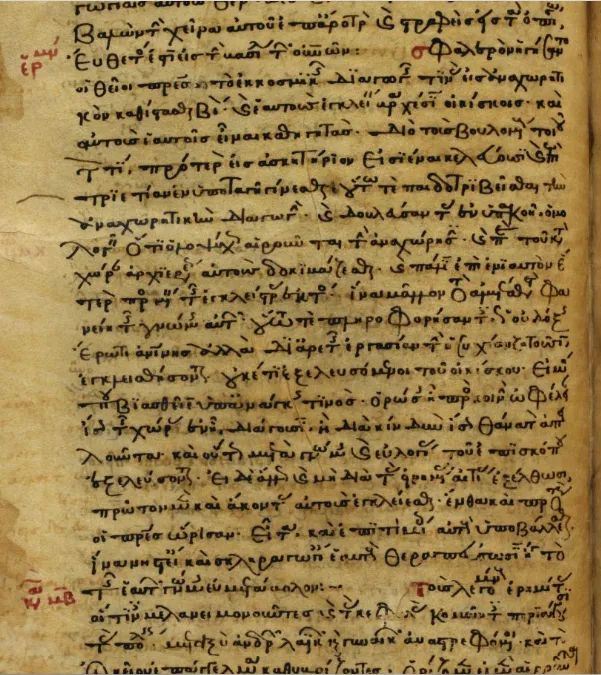
Canon law is the internal legal system of the Catholic Church, derived from Scripture, early councils like Nicaea (325), and Roman law.
It is not a static list but a living framework that orders the Church’s mission, protects rights, and ensures unity. For Vietnamese Catholics, this universal code—the 1983 Code of Canon Law—directly shapes parish life, sacramental access, and diocesan governance under the oversight of the Catholic Bishops’ Conference of Vietnam (CBCV).
The 1983 Code: 1,752 Canons Organized in 7 Books
The 1983 Code of Canon Law is the primary legal framework for the Latin Church, containing 1,752 canons systematically arranged into seven books. This structure covers every aspect of Church life:
- Book I (General Norms): Rules on lawmaking, interpretation, and temporal matters. It defines how laws are created, who is bound by them, and how they are applied.
- Book II (The People of God): Governs the rights and duties of all Church members—bishops, priests, deacons, religious, and laity. It outlines hierarchical structure and lay participation.
- Book III (The Teaching Office): Regulates catechesis, Catholic schools, universities, and the publication of books. It ensures doctrinal integrity in education and media.
- Book IV (The Sacraments): Details the valid administration of all seven sacraments—baptism, confirmation, Eucharist, penance, anointing of the sick, holy orders, and matrimony. It sets conditions for validity and liceity.
- Book V (Temporal Goods): Manages Church property, finances, and contracts. It defines how dioceses, parishes, and religious institutes own and administer assets.
- Book VI (Sanctions in the Church): Lists crimes (delicts) against Church law and corresponding penalties, from warnings to excommunication or dismissal from the clerical state.
- Book VII (Processes): Establishes procedures for trials, including marriage nullity cases, administrative appeals, and penal processes. It ensures fairness and due process.
This organization means canon law is not just about penalties; it is a comprehensive code that guides everything from a parish’s bank account to the process for an annulment. As noted by the original source, canon law originates from the Greek kanon, meaning a “rule” or “measuring rod” (newadvent.org, 2024).
How Canon Law Governs Vietnam’s 27 Dioceses and 7 Million Catholics
The 1983 Code applies universally, meaning Vietnam’s 27 dioceses and approximately 7 million Catholics are fully subject to its norms. The Catholic Bishops’ Conference of Vietnam (CBCV) plays a crucial role in implementing these laws locally. It issues pastoral letters, guidelines, and directives that help dioceses align canonical practice with Vietnamese cultural and social contexts.
Within each diocese, a bishop holds primary legislative, executive, and judicial power. He is assisted by a diocesan curia and, for judicial matters, a diocesan tribunal. These tribunals handle marriage nullity cases, which are particularly relevant in Vietnam where civil divorce is legally available but canon law requires a separate declaration of nullity for a Catholic to remarry sacramentally.
Vietnamese Catholics must obey both canon law and Vietnamese civil law. When these systems intersect—such as in property ownership or the recognition of foreign marriages—the CBCV provides guidance to ensure compliance with both.
For instance, a parish buying land must follow canon law’s requirements for valid contracts while also meeting state land-use regulations. The dual obligation is a daily reality for Church administrators and faithful alike.
Essential Terms: ‘Canon’, ‘Ecclesiastical Law’, and the Code’s Authority
Understanding basic terminology is key to grasping canon law. Here are precise definitions:
- Canon: From the Greek kanon (“rule” or “measuring rod”), a canon is a law or decree issued by a competent Church authority, such as an ecumenical council or the Pope (newadvent.org, 2024).
- Ecclesiastical Law: Law created by the Church for its internal governance. It is distinct from divine law (believed to be revealed by God and unchangeable) and civil law (enacted by the state for societal order). Ecclesiastical law can be modified by proper Church authority.
- Code of Canon Law: The systematic collection of all current ecclesiastical laws for the Latin Church, promulgated by Pope John Paul II in 1983. Its ultimate authority stems from the Pope’s legislative power as the successor of St. Peter, who received authority from Christ.
These terms clarify that canon law is a human, though divinely guided, legal system. It is not arbitrary but a structured means to safeguard the Church’s mission and the spiritual welfare of its members.
Canon Law vs. Vietnamese Civil Law: Key Differences and Decree 95 Impacts
A common point of confusion for Vietnamese Catholics is how Church law interacts with Vietnam’s state legal system. While both set rules for behavior, their purposes, origins, and enforcement mechanisms differ fundamentally. Recent Vietnamese government regulations, specifically Decree 95/2023, have intensified this intersection, making it vital to understand the boundaries.
Canon Law vs. Civil Law: Purpose, Enforcement, and Jurisdiction
The two systems operate on parallel but separate tracks:
- Purpose:
- Canon Law: Protects the rights of the Church as a spiritual society and orders its mission. Its primary goal is the salvation of souls (salus animarum).
- Civil Law: Maintains public order, peace, and security; protects the rights and duties of citizens within Vietnamese society.
- Enforcement:
- Canon Law: Enforced by Church authorities—bishops, major superiors, and Vatican dicasteries. Penalties are spiritual or communal: warnings, fines, restrictions on ministry, excommunication (removal from the Church community), or dismissal from the clerical state.
- Civil Law: Enforced by state courts and police. Penalties include fines, imprisonment, community service, or other civil sanctions.
- Jurisdiction:
- Canon Law: Primarily governs clergy, religious institutes, and sacraments. It also applies to all baptized Catholics for matters intrinsically connected to the Church’s mission (e.g., marriage validity, doctrinal integrity). Its reach is personal and spiritual, not territorial.
- Civil Law: Applies to all persons and entities within Vietnam’s territory, regardless of religion. It covers criminal acts, property, contracts, and family relationships as defined by the state.
A key difference is that canon law sees the Church as a perfect society (a complete community with all necessary means to achieve its end), while civil law sees the state as the supreme political authority. This can lead to conflicts when actions are permissible under one system but not the other.
Decree 95/2023: Vietnam’s New Religious Regulations and Canon Law Interaction
Decree 95/2023/ND-CP, effective March 2024, is a major update to Vietnam’s regulations on religious activities. It tightens state oversight, particularly regarding foreign religious involvement, reporting requirements, and the registration of religious events (state.gov, 2024). This decree directly impacts how the Catholic Church operates in Vietnam.
The interaction with canon law creates a dual compliance requirement. For example:
- A Vietnamese diocese inviting a foreign priest for a mission must obtain state approval under Decree 95 for the visa and activity permit. Simultaneously, canon law (canons 689-691) requires the bishop to obtain permission from the Holy See for a foreign cleric to exercise ministry, unless the cleric is from a sister Catholic Church.
- A parish organizing a large public celebration must register the event with local authorities per Decree 95. Canon law also requires the pastor to ensure the event aligns with liturgical norms and does not scandalize the faithful.
The CBCV actively guides dioceses in navigating both frameworks. It interprets how state rules affect canonical procedures, such as the recognition of foreign baptismal records or the validation of marriages performed abroad. This dual navigation is a practical skill for Vietnamese priests, religious, and lay leaders.
Common Canonical Questions in Vietnam: Annulments, Sacraments, and Property
Vietnamese Catholics frequently encounter specific canonical issues due to local circumstances. Here are the most common questions and their core answers:
- Marriage Annulments: A canonical annulment (declaration of nullity) is a judgment by a Church tribunal that a marriage was invalid from the start due to some impediment or lack of consent. This is distinct from civil divorce. To start a case in Vietnam, one contacts their diocesan tribunal. The process involves gathering evidence, witness statements, and a formal hearing. The CBCV has promoted training for tribunal staff to handle cases efficiently, but the process remains lengthy and requires canonical grounds.
- Sacramental Validity: Vietnamese Catholics often ask whether a baptism or marriage performed abroad (e.g., in the US or Philippines) is valid in Vietnam. Canon law requires proof of free consent, proper form (for marriage), and use of proper rites. The local diocese’s chancery must verify documents. State registration of births, marriages, and deaths is a civil requirement that does not affect sacramental validity, but canonical records must be maintained separately in parish registries.
- Property Disputes: Conflicts arise when parish land or church buildings are claimed by local authorities or individuals. Canon law (canons 1254-1310) states that the Catholic Church has the right to own property and that its administration must follow Church norms. However, Vietnamese land law states that land is collectively owned by the state, with usage rights granted to organizations. This creates tension. The CBCV advises dioceses to document ownership meticulously and seek legal counsel to protect Church assets while respecting state regulations.
These questions highlight the practical interface between the ancient canonical system and modern Vietnamese realities.
Recent Canon Law Updates (2023-2024): What Changes Affect Vietnamese Catholics?
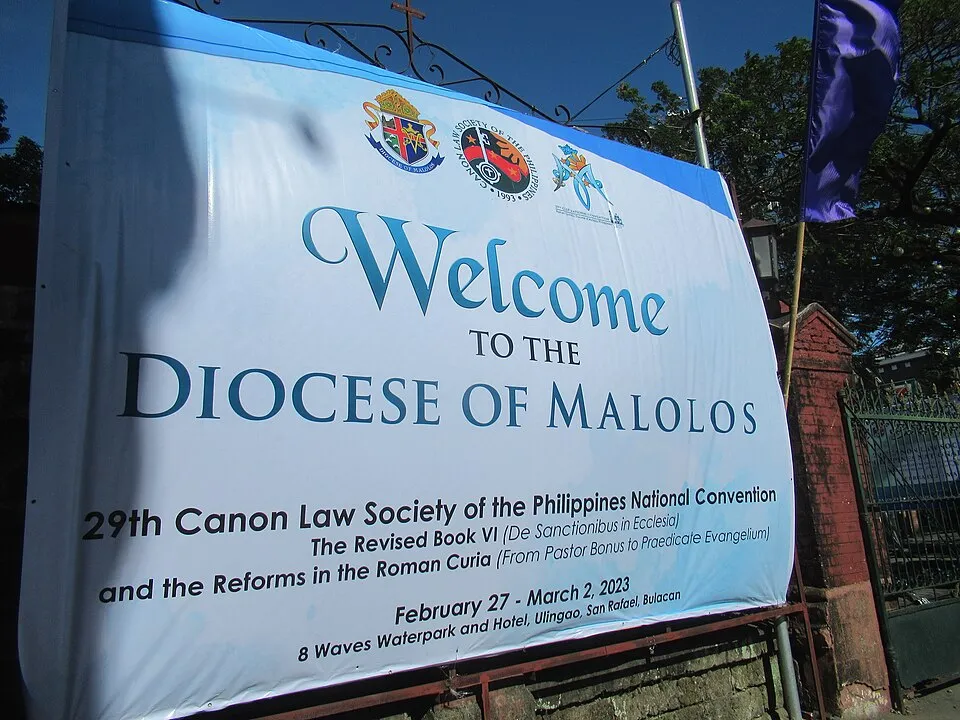
Canon law is not frozen in time. Pope Francis and the Vatican’s ongoing reforms respond to pastoral needs and global challenges. Several significant modifications between 2023 and 2024 directly affect Vietnamese Catholics, from lay involvement to safeguarding protocols.
August 2023: Canons 295-296 Revised for Personal Prelatures
In August 2023, Pope Francis issued the apostolic constitution Authenticum charismatis, which amended canons 295 and 296 of the 1983 Code. These canons regulate personal prelatures—ecclesial structures like Opus Dei that serve a specific pastoral mission across different dioceses.
The revision clarified that personal prelatures are pastoral, not territorial, jurisdictions. They operate under the authority of the local bishop where they work, ensuring they integrate into diocesan life rather than functioning as parallel churches.
For Vietnamese Catholics involved in such groups, this reinforces their belonging to their local diocese while allowing them to participate in the prelature’s unique charism. The change prevents potential conflicts over jurisdiction and promotes communion.
April 2023: Stronger Penalties for Clerical Abuse in Canon Law
In April 2023, the Vatican promulgated updates to Book VI (Sanctions) of the Code of Canon Law. These reforms introduced stricter penalties for sexual abuse and abuse of authority, including the possibility of dismissal from the clerical state (laicization) for grave cases. The changes also extended statutes of limitations and expanded the definition of vulnerable victims.
For the Church in Vietnam, these updates mean diocesan tribunals and bishops must apply more severe canonical penalties when allegations are proven. This aligns Vietnamese dioceses with global safeguarding norms mandated by the Holy See. The CBCV has emphasized training for bishops and tribunal officers on these new penal provisions to ensure just but firm handling of abuse cases, protecting minors and vulnerable adults.
October 2024: Synod on Synodality Proposes Greater Lay Role in Canon Processes
The Synod on Synodality concluded its general phase in October 2024 with a series of proposals to the Pope. Among them was a recommendation to increase lay involvement in canonical processes. Specifically, the Synod suggested allowing laypersons to serve as judges or advisory judges in diocesan and appellate tribunals, particularly in marriage cases.
While these proposals are not yet law, they signal a clear direction for future reform. If implemented, Vietnamese dioceses could see lay experts in canon law or theology participating in tribunal panels.
This would enhance tribunal capacity and reflect the synodal call for broader lay collaboration in Church governance. The CBCV is monitoring these developments closely.
February 2026: Eastern Canon Law Commission Begins CCEO Revisions
In February 2026, the Holy See established a commission to revise the 1990 Code of Canons of the Eastern Churches (CCEO). This code governs the 23 Eastern Catholic Churches in full communion with Rome, such as the Ukrainian Greek Catholic or Maronite Churches.
Although Vietnam’s Catholic Church is predominantly Latin Rite, this development is relevant for any Eastern Catholic communities present in Vietnam, such as small groups of Ukrainian or Syro-Malabar faithful. The revision process will modernize laws on marriage, clerical discipline, and Church governance for those particular churches. It also reflects the Vatican’s commitment to periodic legal updates across all Catholic traditions.
Canon law is often misunderstood as a static rulebook, but it is actually a living system that adapts through papal reforms and synodal discernment. For Vietnamese Catholics, the most surprising insight is that their lived experience—especially in navigating Decree 95 and inculturating practices—feeds into this global legal tradition. Take action today: Visit cbcvietnam.org to find your diocese’s contact information and canonical tribunal, or request a copy of the CBCV’s pastoral guidelines on marriage and religious regulations.
Canon law is often misunderstood as a static rulebook, but it is actually a living system that adapts through papal reforms and synodal discernment. For Vietnamese Catholics, the most surprising insight is that their lived experience—especially in navigating Decree 95 and inculturating practices—feeds into this global legal tradition. Take action today: Visit cbcvietnam.org to find your diocese’s contact information and canonical tribunal, request a copy of the CBCV’s pastoral guidelines on marriage and religious regulations, or explore Catholic doctrine articles for foundational teachings.
For deeper study, explore the Catholic doctrine articles that explain foundational teachings, or consult the Catholic pastoral guides for practical ministry resources. Understanding how canon law interacts with Vietnamese civil society is also covered in resources on Catholic marriage guidelines and rites in Catholicism.
For those in leadership, the rites and sacraments guide offers further application. Finally, the page addresses many common doubts faced by Vietnamese Catholics today.
For those in leadership, the rites and sacraments guide offers further application. Finally, the page addresses many common doubts faced by Vietnamese Catholics today.