Vietnamese Catholics seeking clarity on pastoral matters now have a comprehensive Q&A guide addressing top concerns like interfaith marriage validity and sacramental access under government restrictions. With approximately 7 million Catholics representing 7.4% of Vietnam’s population as of 2024, these pastoral questions affect a significant community.
This guide synthesizes the latest CBCV teachings, canon law, and pastoral documents for 2026, providing clear answers based on official Church sources and current legal frameworks. Each section directly addresses the most frequent queries from Vietnamese Catholic families and individuals.
- Interfaith marriage (especially Catholic-Buddhist unions) requires a canonical dispensation under Canon 1124 and the 1983 Code of Canon Law, as clarified in 2024 Vietnamese legal analyses.
- Government Decree 95 (effective March 2024) impacts sacramental administration; Caritas Vietnam supports access in restricted areas.
- Vietnamese bishops’ 2025-2026 family values initiative, emphasized during Lent, provides pastoral guidance for households, building on the Synod 2024 synthesis.
Do Catholic-Buddhist Marriages in Vietnam Require a Dispensation Under the 2024 Canon Law?
Canon 1124 and Mixed Marriages: Why a Dispensation Is Required
Canon 1124 of the 1983 Code of Canon Law governs mixed marriages—unions between a baptized Catholic and a non-baptized person. The canon requires a dispensation from the local ordinary (the bishop) for such marriages to be valid.
This requirement exists to protect the Catholic’s faith and ensure the Catholic upbringing of children. The Catholic party must promise to do everything possible to raise children in the Catholic faith and to have them baptized.
In Vietnam, Catholic-Buddhist interfaith marriages are common, making this a top pastoral question according to 2024 People Also Ask data. The dispensation process involves submitting a petition to the diocese, demonstrating the Catholic party’s commitment to their faith, and addressing potential dangers to that faith.
A common misconception is that a civil marriage alone suffices—canonical form is required for sacramental validity. Another misconception is that the dispensation is automatically granted; bishops evaluate each case carefully, considering the spiritual welfare of the Catholic party and any children.
The 2024 Vietnamese legal analysis “Law on Marriage of Catholics and non-Catholics” confirms this canonical requirement, emphasizing that the dispensation must be obtained before the marriage takes place. Couples often confuse civil and canonical timelines, leading to invalid unions that require convalidation later. The process typically takes 4-8 weeks and requires documentation including baptismal certificates and a promise to raise children Catholic.
Canonical vs. Civil: Comparing Marriage Processes in Vietnam (2024)
Vietnamese couples navigating interfaith marriage must comply with both canonical and civil requirements. For a comprehensive understanding of canonical principles, refer to the canon law explained guide. The following table compares key aspects of each process as of 2024.
| Aspect | Canonical Process (with Dispensation) | Vietnamese Civil Law (2024) |
|---|---|---|
| Authority | Local Bishop (or delegated priest) grants dispensation; priest witnesses marriage | Civil Registrar officiates and records marriage |
| Required Documents | Baptismal certificates, dispensation petition, freedom to marry affidavit, pre-marriage counseling completion, promise to raise children Catholic | ID cards, residence proof, single status certificate, health certificates, marriage registration form |
| Timeline | Typically 4-8 weeks (includes bishop’s review of dispensation petition) | Immediate to 30 days (depending on locality and documentation completeness) |
| Restrictions | Cannot marry before dispensation granted; Catholic party must promise to raise children Catholic; ceremony must occur in Catholic church or approved location | No religious restrictions but monogamy required; both parties must be at least 18; prohibited degrees of consanguinity apply |
Couples must satisfy both sets of requirements to ensure both civil recognition and canonical validity. The Catholic marriage guidelines offer step-by-step instructions for navigating this dual process.
Failure to obtain the dispensation renders the marriage invalid in the eyes of the Church, even if civilly recognized. Many couples discover this only years later when seeking sacramental participation, highlighting the importance of early canonical guidance.
Navigating Sacramental Life Under Vietnam’s Religious Restrictions: A 2026 Pastoral Guide
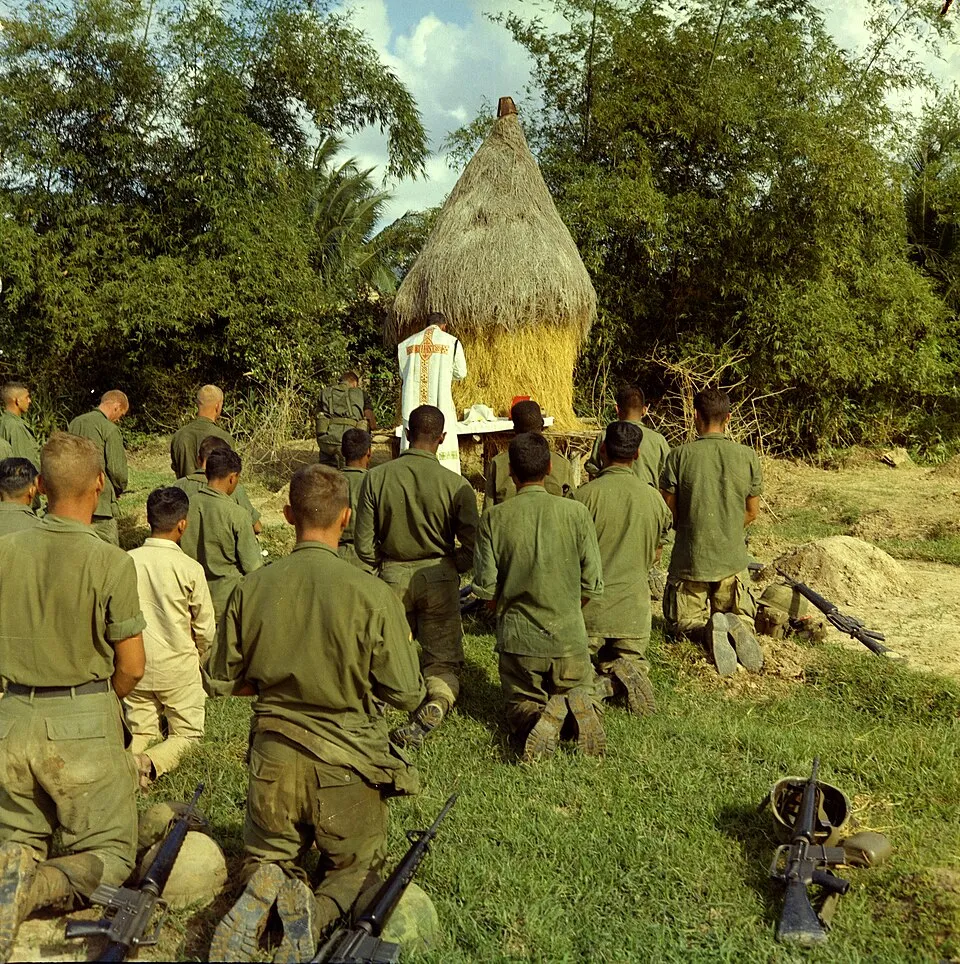
Decree 95 (2024) and Its Impact on Sacramental Administration
In March 2024, Vietnam’s Decree 95 replaced Decree 162, tightening regulations on religious activities including sacramental administration. Key provisions require parishes to report sacramental administrations (baptisms, marriages, funerals) to local authorities within specified timeframes.
Sacraments must be celebrated exclusively in registered church buildings, eliminating house-based ceremonies for most sacraments. The decree also limits evangelization during sacramental preparation—catechesis must focus on doctrine without active proselytization.
Despite these restrictions, the sacraments themselves remain valid when administered properly. However, administrative compliance is now mandatory to avoid penalties. This creates a complex pastoral environment where priests must balance obedience to civil law with sacramental freedom.
The 2026 pastoral guide emphasizes that while the Church respects legitimate state oversight, the spiritual efficacy of sacraments is not diminished by bureaucratic requirements. Parishes have adapted by enhancing documentation systems and training lay ministers to ensure smooth reporting.
The decree impacts all seven sacraments, with baptism and marriage facing the strictest reporting requirements. For Eucharist distribution in hospitals or homes, priests now require special permits.
These measures reflect the government’s ongoing monitoring of religious practice while technically allowing sacramental life to continue. Understanding these nuances is essential for Vietnamese Catholics seeking to participate fully in parish life.
Pastoral Strategies and Caritas Vietnam Support for Sacramental Access
To maintain sacramental life under Decree 95, Vietnamese priests and lay ministers employ these creative strategies:
- House churches for catechesis: Small, discreet gatherings within registered parish boundaries allow ongoing religious education without violating assembly restrictions.
- Digital preparation platforms: Online catechism modules and video conferencing for marriage preparation enable instruction while avoiding in-person evangelization that could trigger scrutiny.
- Family-based sacramental practices: Empower parents as primary catechists, especially for children’s baptism and first communion, reducing dependence on large gatherings.
- Authority coordination: Proactive communication ensures all sacramental events have proper documentation and prior notification, preventing disruptions.
- Lay leader training: Equip lay ministers to administer certain rites (like blessings) and handle sacramental logistics, freeing priests for essential duties.
Caritas Vietnam, the charitable arm of the CBCV, provides crucial support: transportation vouchers for remote Catholics, materials in ethnic minority languages, and lay minister training programs. These initiatives help ensure sacramental access despite geographical and bureaucratic barriers, directly supporting bishops’ 2023 calls to address marriage problems and prioritize clergy education. The synergy between parish-level innovation and national charitable networks exemplifies the Church’s adaptability in Vietnam’s unique context.
For deeper understanding of liturgical diversity, see rites in Catholicism. For a complete overview of sacramental theology and practice, consult the rites and sacraments guide. The pastoral resources page offers additional tools for ministers navigating these restrictions.
Vietnamese Bishops’ 2025-2026 Family Values Initiative: Answers for Catholic Households
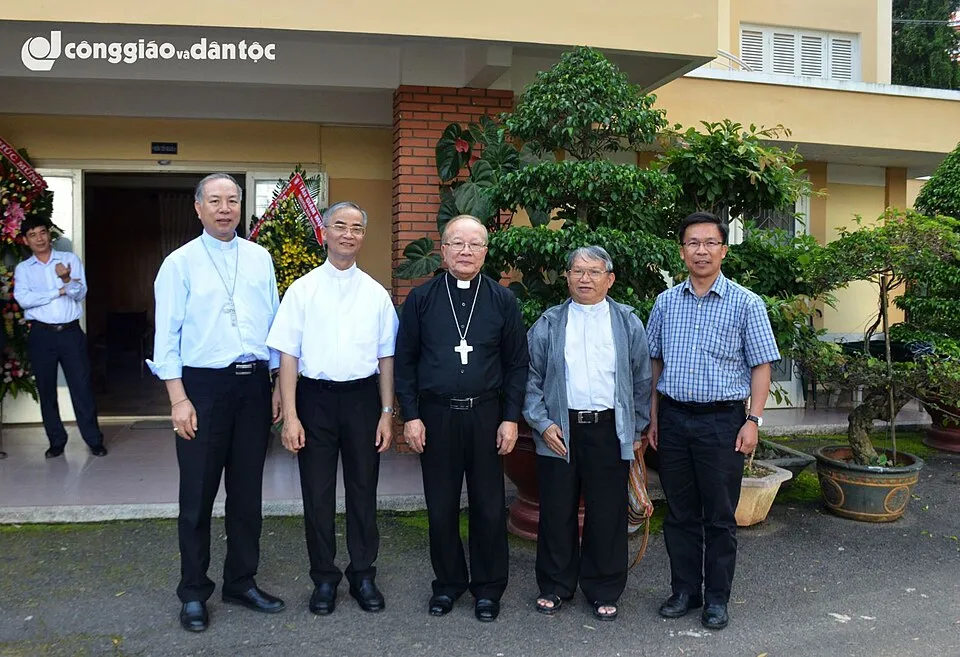
Lenten Pastoral Letters and Synod 2024: Family Priorities for Vietnam
The Vietnamese Bishops’ Conference (CBCV) has launched a coordinated 2025-2026 family values initiative, emphasized through Lenten pastoral letters across all 27 dioceses. These letters, together with the CBCV’s Synod 2024 Synthesis Report, identify key priorities: establishing daily family prayer routines, recognizing parents as primary faith formators, expanding marriage counseling services, supporting migrant families separated by economic pressures, and fostering domestic churches—households that live out the Church’s mission.
This national initiative represents a unified response to challenges facing Vietnamese Catholic families, including secularization pressures and the impact of religious restrictions on community life. The bishops call for parish-level implementation through family groups, retreats, and dedicated catechists.
The Synod 2024 synthesis particularly stresses accompaniment—walking with families in their struggles rather than merely prescribing solutions. By integrating these themes into Lenten observances, the CBCV ensures maximum visibility and participation across Vietnam’s Catholic communities.
The initiative includes concrete actions: diocesan family offices will distribute Vietnamese-language prayer booklets, priests will receive training in marriage counseling techniques, and parishes will establish “domestic church” support circles. The bishops also urge families to participate in the World Day of Families celebrations in September 2025 and 2026, linking Vietnam’s efforts to the global Church’s focus on family evangelization. For broader context on Church teachings, explore the Catholic pastoral guides and Catholic doctrine articles available on the CBCV portal.
Practical Resources: Marriage Counseling, CCC 27, and Living Family Faith
Vietnamese Catholic households can access these practical resources based on bishops’ recommendations:
- Diocesan family counseling centers: Trained lay ministers offer marriage enrichment programs and conflict resolution, accessible through parish referrals. Many centers now provide online consultations for remote areas.
- ‘Marriage Refresher Training’ for deacons (2025): This CBCV program equips deacons to better accompany couples, with materials available in Vietnamese and ethnic languages. Graduates lead parish marriage support groups.
- Daily family prayer with inculturated rituals: Drawing on Krmer & Vellguth’s inculturation theology, families integrate Vietnamese customs (like ancestor veneration awareness) into Catholic prayer practices, creating meaningful hybrid devotions.
- Teach CCC 27 through stories and customs: The Catechism’s teaching that the desire for God is written in the human heart becomes tangible through Vietnamese folk tales, seasonal celebrations, and communal meals that reflect divine longing.
- Parish ‘domestic church’ groups: Small fellowship circles meet monthly for shared meals, Scripture reflection, and mutual support, embodying the bishops’ vision of faith lived at home. These groups often coordinate with Caritas Vietnam for service projects.
These resources make the bishops’ family initiative actionable for ordinary Catholics, bridging official teachings with daily life. Contact your diocese for specific schedules and registration details. The integration of inculturation ensures that Catholic family life remains authentically Vietnamese while fully Catholic.
Despite government restrictions, the Church in Vietnam is innovating rapidly with digital sacramental preparation platforms and lay-led family ministries that bypass traditional clerical bottlenecks. The CBCV’s emphasis on clergy education and bishops’ calls to address marriage problems have catalyzed these grassroots adaptations, demonstrating remarkable resilience.
Action step: Contact your diocesan family office or Caritas Vietnam to request the 2026 Pastoral Guide packet for your household. These packets include localized prayer resources, counseling contacts, and step-by-step guides for interfaith couples navigating the dispensation process.
The vitality of Vietnamese Catholicism shines through these pastoral responses, proving that faith thrives even under constraint. Your family can be part of this living tradition by engaging with these official resources and joining the growing network of domestic churches across the nation.