Catholic marriage in Vietnam requires strict adherence to both canon law and civil law, with the 2014 Law on Civil Status governing state registration while the Church’s 1983 Code of Canon Law defines sacramental validity. For a marriage to be valid in the eyes of the Church, couples must satisfy four essential elements: freedom to marry, free consent, proper intention, and canonical form.
Vietnamese couples must navigate both legal systems simultaneously, ensuring their union is recognized by both the state and the Church. The process involves pre-marital counseling, documentation from both civil and ecclesiastical authorities, and, for mixed marriages, special permission from the diocesan bishop, all covered in Catholic Marriage Guidelines.
- Valid Catholic marriage requires four essential elements: freedom, consent, intention, and canonical form.
- Vietnamese couples must also comply with 2014 Civil Status Law for civil registration.
- Mixed marriages (Catholic/non-Catholic) need explicit dispensation from the diocesan bishop.
Canonical Requirements for Valid Catholic Marriage in Vietnam
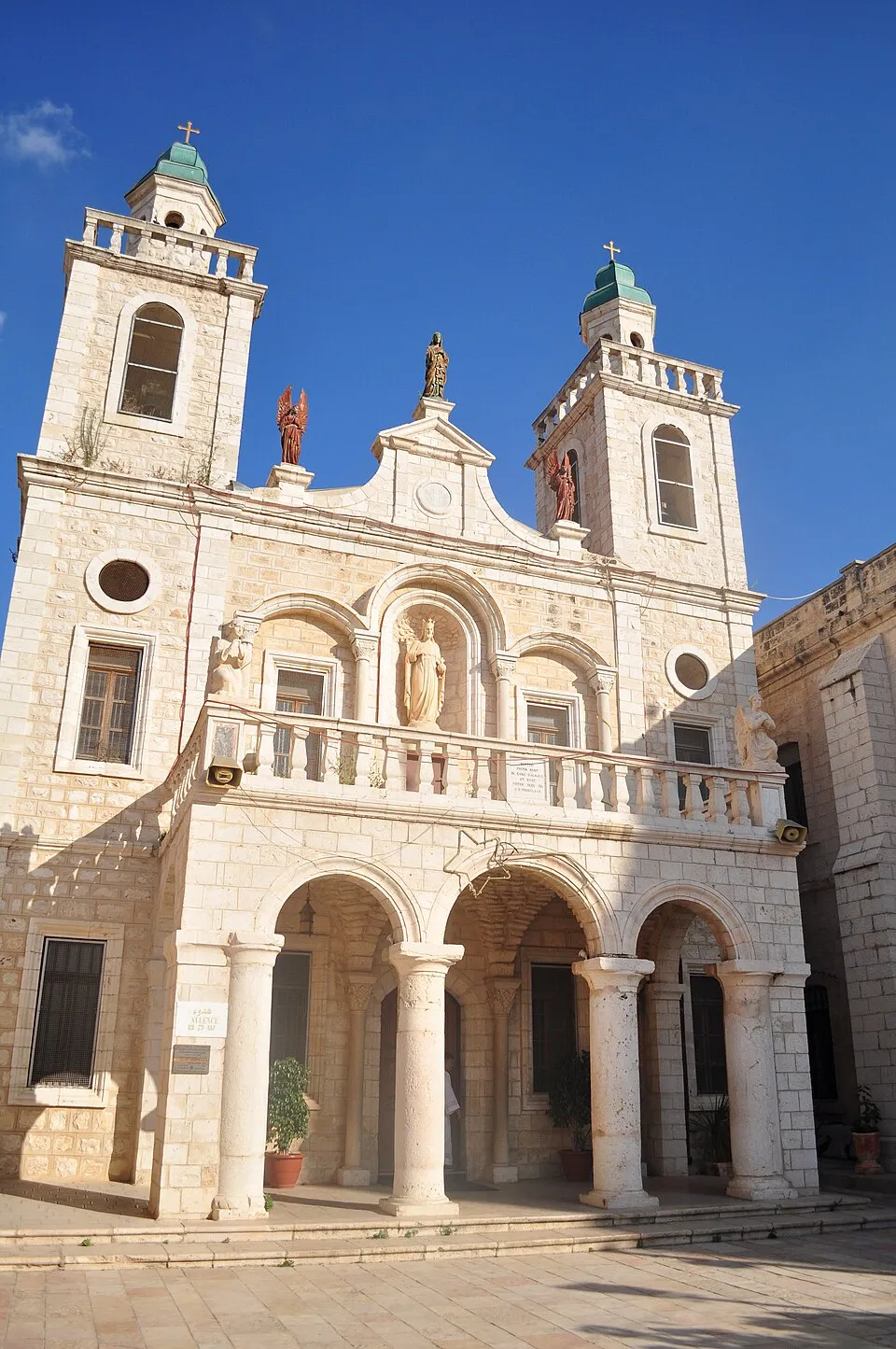
The Four Essential Elements: Freedom, Consent, Intention, and Form
- Freedom to Marry: Both parties must be free from any canonical impediments, such as a prior valid marriage, unless a decree of nullity has been granted by a Church tribunal. This ensures no existing bond prevents the new marriage.
- Free Consent: Marriage must be entered voluntarily without coercion or grave fear. Each person must freely choose to marry the other, as canon law states that “matrimonial consent cannot be validly given under the influence of grave fear, coercion, or fraud” (CIC can. 1103).
- Intention: The couple must intend to enter a lifelong union, be faithful to each other, and be open to having and educating children. This reflects the Church’s teaching that marriage is ordered to the good of spouses and procreation (CIC can. 1055 §1).
- Canonical Form: The marriage must be celebrated in the presence of a priest or deacon and two witnesses, usually in a parish church. This requirement guarantees the marriage’s public nature and ecclesial recognition.
These four elements form the foundation of any valid Catholic marriage worldwide, including Vietnam, as explained in Catholic doctrine articles. Vietnamese couples must ensure their wedding ceremony conforms to these canonical norms, particularly the requirement for proper form. The parish priest plays a crucial role in verifying that all four elements are present before proceeding with the wedding.
Common Impediments and the Nullity Process
Canon law identifies several impediments that can invalidate a marriage. The most common is a prior valid marriage, which requires a declaration of nullity (annulment) before a Catholic can remarry. Other impediments include: Holy Orders (ordination as deacon or priest), consanguinity (close blood relationship), and disparity of cult (marriage to an unbaptized person without dispensation).
For Vietnamese couples, the parish priest helps identify any impediments during the initial meeting through detailed questioning and document review. If an impediment exists, the couple must seek resolution through ecclesiastical procedures.
The publication of banns—public announcements of the upcoming marriage—serves as a safeguard to ensure no hidden obstacles exist. This practice, though sometimes abbreviated in modern pastoral practice, remains an important canonical requirement that allows the community to voice any objections.
Canonical Form: Ceremony Requirements and Banns
- Officiant: The marriage must be celebrated by a priest or deacon, or with their permission, another person delegated by the Church authority, a practice rooted in Rites in Catholicism.
- Witnesses: Two witnesses must be present to testify to the exchange of consent. They can be any baptized Christians, though traditionally they are members of the faith community.
- Location: The ceremony typically takes place in the parish church where either party resides. Weddings in other locations require explicit permission from the diocesan bishop.
- Publication of Banns: Many dioceses require the public announcement of the upcoming marriage, usually over three consecutive Sundays or holy days.
This allows anyone with knowledge of an impediment to come forward.
The canonical form requirement ensures that Catholic marriages are celebrated within the visible structure of the Church, a fundamental aspect of Rites and Sacraments. For Vietnamese couples, this means the wedding ceremony must occur in a Catholic church with proper ecclesiastical supervision.
The 1983 Code of Canon Law (Canons 1108-1125) details these requirements, which have been in effect since November 27, 1983, when the code entered into force globally, as summarized in Canon Law Explained: Key Principles. Couples should verify their specific diocesan regulations, as local bishops may adapt certain procedural elements while maintaining the essential canonical norms.
What Are the 6 Requirements for a Catholic Marriage to Be Valid?
The four theological essentials from canon law—freedom, consent, intention, and form—combine with two practical preparation requirements to create the six key elements Vietnamese couples must fulfill. The comparison below clarifies the distinction between intrinsic validity (the four essentials) and procedural requirements (the two steps):
The four essential elements constitute the marriage itself: without any one of these, the sacrament does not exist. These are the core theological requirements derived from divine law and natural law as codified in the 1983 Code of Canon Law. In contrast, the two practical requirements—pre-marital counseling and proper documentation—are ecclesiastical procedures designed to ensure the four essentials are present and to provide proper record-keeping.
While the four essentials are absolute and universal, the practical requirements may vary slightly by diocese, though all Vietnamese dioceses follow the essential norms set by the Catholic Bishops’ Conference of Vietnam. Couples often confuse these categories, but understanding the difference helps them appreciate why both are necessary: the Church safeguards the sacrament through both theological integrity and pastoral preparation.
What Are the Civil Marriage Registration Requirements in Vietnam?
2014 Law on Civil Status: Step-by-Step Registration
- Determine jurisdiction: Couples must register at the People’s Committee of the district where at least one party legally resides. This is the only government office authorized to perform civil marriage registration in Vietnam.
- Gather required documents: Prepare all necessary paperwork (see next section for complete checklist). Documents must be original or certified copies, with foreign documents requiring authentication and translation.
- Both parties appear in person: The law requires both future spouses to attend the registration office together. No proxy or absent registration is permitted under normal circumstances.
- Complete the application: Submit the marriage registration application form (available at the People’s Committee or online in some districts) along with all supporting documents.
- Receive marriage certificate: After verification and the mandatory waiting period (if applicable), the district People’s Committee issues the marriage certificate, legally recognizing the union.
This civil process is entirely separate from the religious ceremony. Vietnamese law does not require a religious ceremony for civil marriage validity, nor does the Church recognize a civil ceremony alone as sufficient for sacramental marriage. Couples must therefore complete both processes if they desire a Catholic wedding.
The 2014 Law on Civil Status, which took effect on July 1, 2015, standardized these procedures nationwide, replacing previous provincial variations. Understanding this dual system is essential for Vietnamese couples who wish their marriage to be recognized by both the state and the Church.
Document Checklist: IDs, Residence Book, Single Status Certificate
| Document | Specifications | Issuing Authority |
|---|---|---|
| ID card or passport | Valid, with clear photo, not expired | Ministry of Public Security or respective embassy |
| Residence book (hộ khẩu) | Proves legal domicile in the registration district | Local People’s Committee of ward/commune |
| Certificate of Single Status | Affidavit or official certificate confirming no existing marriage | District-level Justice Office or People’s Committee |
| Baptismal certificate | Issued within last 6 months, includes notation of freedom to marry if applicable | Parish of baptism (or diocesan archive) |
| Pre-marital examination documents | Health certificates if required by local People’s Committee regulations | Authorized medical facilities |
The most common documentation challenge for Vietnamese couples involves the Certificate of Single Status, which must be obtained from the district Justice Office where the applicant’s residence book is registered. This document typically requires: application form, ID card, residence book copy, and sometimes a fee. Processing takes 3-7 working days.
For Catholic couples, the baptismal certificate must be recent (within 6 months) and include a notation from the parish priest confirming the applicant is free to marry or has obtained necessary dispensations. Foreign-born Catholics should request the certificate from their home diocese and ensure it bears an apostolic seal for international validity. The residence book (hộ khẩu) requirement means at least one party must have established legal residency in Vietnam; this is particularly important for couples where one spouse is a foreign national.
In-Person Appearance and Processing Timeline
Vietnamese law mandates that both parties appear together at the People’s Committee for marriage registration. This requirement prevents fraudulent marriages and ensures both individuals consent freely. The officer will interview both parties separately and together to verify the information.
Processing time typically ranges from 3 to 5 working days if all documents are complete and valid. However, couples should allow at least 2-3 weeks before their intended wedding date to accommodate potential delays, document corrections, or additional requests from the authorities. The marriage certificate is issued after the registration is complete and any waiting period (some districts impose a 10-day waiting period after application).
Couples should schedule their church ceremony after receiving the civil certificate to avoid any legal complications. Many Vietnamese parishes require proof of civil registration before scheduling the wedding liturgy, so coordinating both processes is essential.
Can Two Foreigners Get Married in Vietnam?
Vietnamese law does not directly regulate marriages between two non-Vietnamese citizens unless at least one party holds a permanent or temporary resident permit. In practice, this means that two foreigners without any legal residency status in Vietnam cannot register their marriage at a Vietnamese People’s Committee. For foreign couples where at least one person has a valid residence permit (such as a work permit, investment visa, or permanent residency card), the process follows the same steps as for Vietnamese citizens, but with additional document authentication requirements.
All foreign documents—including passports, single status affidavits from home countries, and baptismal certificates—must be legalized by the Vietnamese embassy or consulate in the issuing country, then translated into Vietnamese by a certified translator. The Catholic Church also requires these documents for canonical preparation. Couples in this situation should consult the District Justice Office where they plan to register, as interpretations of residency requirements can vary.
Some districts may accept temporary tourist visas combined with a notarized statement of intent to reside, but this is not guaranteed. The safest approach is to secure proper residency status well in advance of wedding plans.
Mixed Marriages and Disparity of Cult: Special Permissions
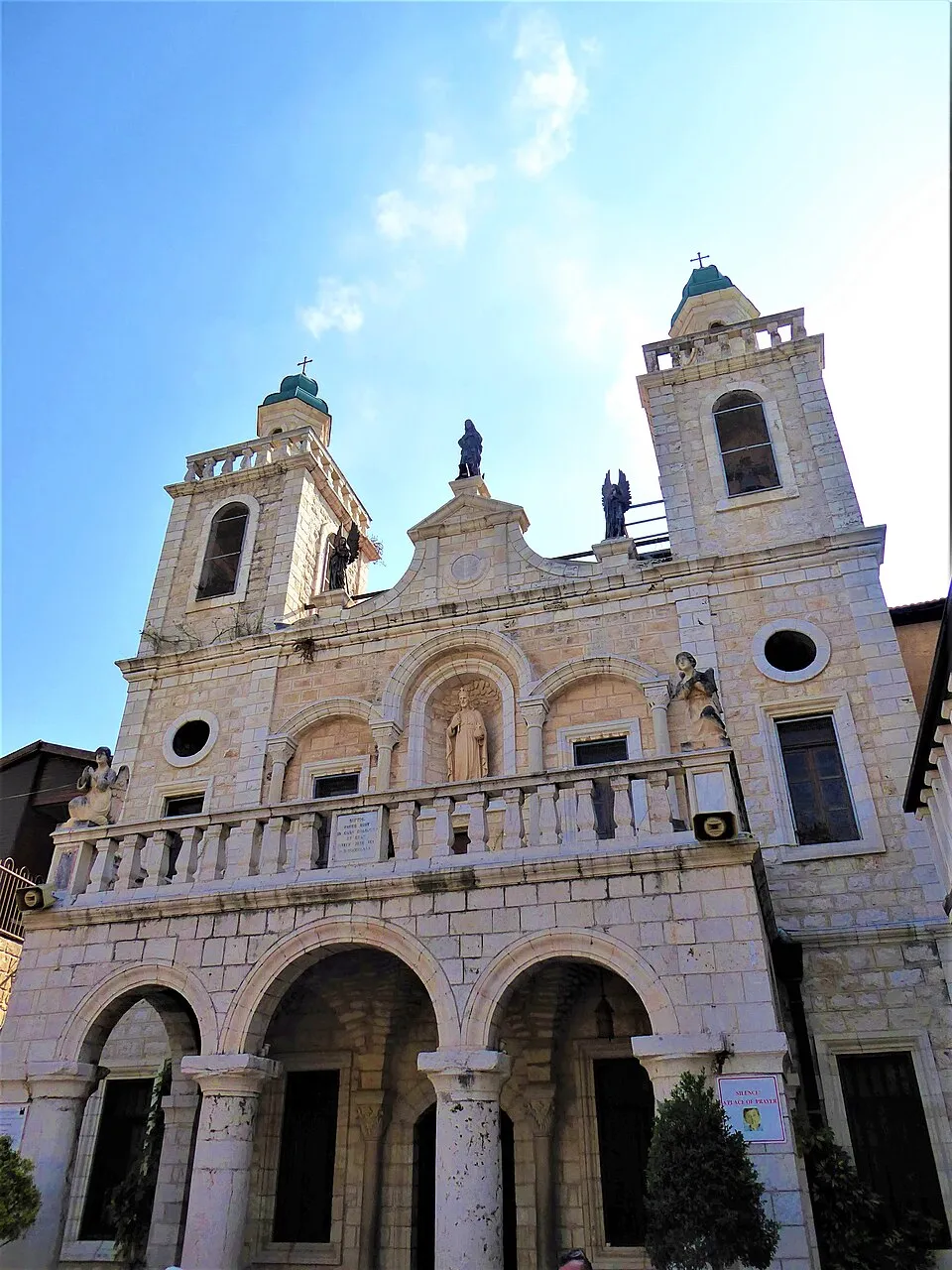
When a Bishop’s Dispensation Is Required
- Mixed marriage: A marriage between a baptized Catholic and a baptized non-Catholic Christian (e.g., Orthodox, Anglican, Lutheran, Baptist). This requires a “dispensation to enter into a mixed marriage” from the diocesan bishop.
- Disparity of cult: A marriage between a baptized Catholic and an unbaptized person (e.g., Hindu, Buddhist, Muslim, atheist). This requires a “dispensation from disparity of cult,” which is granted more restrictively.
- Both require episcopal permission: The bishop’s permission ensures the Catholic party understands and accepts the obligations of a mixed marriage, particularly regarding the upbringing of children in the Catholic faith.
- No dispensation for two non-baptized: The Church does not have jurisdiction to dispense when neither party is baptized; such unions are not sacramental but may be recognized as natural marriages.
The distinction between these two cases is canonical and significant. According to canon law (Canon 1124), the Catholic Church recognizes as sacramental the marriages of two baptized non-Catholic Christians, even if celebrated in their own tradition. However, when a Catholic is involved, the Church must ensure the marriage does not pose a risk to the Catholic’s faith.
The bishop’s permission is not a mere formality but a pastoral safeguard. In Vietnam, where religious diversity includes significant Buddhist, Protestant, and non-religious populations, these dispensations are frequently sought. The Catholic Bishops’ Conference of Vietnam provides guidelines to diocesan bishops for evaluating such requests, balancing pastoral sensitivity with doctrinal integrity.
The Application Process and Timeline
- Initial meeting with parish priest: The couple meets with their parish priest to discuss the mixed marriage request. The priest explains the Catholic obligations and assesses any potential difficulties.
-
Documentation submission: Provide baptismal certificates (for both parties if baptized), Certificate of Single Status, and any required forms from the diocesan tribunal.
The non-Catholic party may provide a letter of intent regarding religious practice.
- Written petition to the bishop: The parish priest forwards the couple’s request through the diocesan chancellor to the bishop, including a statement of the couple’s readiness and the priest’s assessment.
-
Bishop’s decision: The typical timeline is 2 to 4 weeks after submission, though some dioceses may process faster or slower depending on workload.
The bishop may grant the dispensation unconditionally or with specific conditions.
- Permission specifics: The dispensation is valid for a specific ceremony date and location. If the wedding is postponed beyond six months, the couple must reapply or request an extension.
The entire process should begin at least 3-4 months before the intended wedding date to avoid delays. The parish priest is the couple’s primary guide through this process and can provide diocesan-specific forms and instructions. In the Archdiocese of Hanoi and Ho Chi Minh City, dedicated offices handle mixed marriage petitions, while smaller dioceses process them through the bishop’s chancery.
Couples should not assume automatic approval; the bishop may deny the dispensation if there is grave danger to the Catholic party’s faith or if the non-Catholic party opposes the Catholic upbringing of children. The Catholic spouse must promise to do all in their power to raise children in the Catholic faith, and the non-Catholic spouse must be informed of this promise and not object.
Pastoral Guidelines for Catholic-Non-Catholic Couples
The Church provides specific pastoral guidance for couples in mixed marriages to help them navigate religious differences, found in resources like Catholic Pastoral Guides. The Catholic spouse’s promise to raise children in the Catholic faith is a non-negotiable requirement. This means the children will be baptized Catholic, receive religious education in the Catholic tradition, and participate in Catholic sacraments.
The non-Catholic spouse must be aware of and not object to this arrangement. The wedding ceremony itself must be Catholic, usually celebrated in a church with a priest or deacon officiating. However, the rite may include appropriate adaptations, such as allowing the non-Catholic minister to offer a blessing or reading a scripture passage, with the bishop’s permission.
Ongoing pastoral support from the parish community is strongly encouraged; many Vietnamese dioceses offer specialized follow-up groups for mixed-faith families. The Catholic spouse is also encouraged to maintain their own faith practice and avoid compromising on core doctrines. While ecumenical sensitivity is important, the Church’s primary concern is the salvation of the Catholic party and the children.
Couples should discuss practical matters such as religious education, worship attendance, and holiday observances before marriage to avoid future conflicts. The parish priest can provide resources and counseling to help couples establish a shared vision for their family’s spiritual life, utilizing Pastoral Resources: Tools for Effective Ministry.
The most surprising aspect of Catholic marriage canon law in Vietnam is how seamlessly it integrates with civil law, creating a dual-track system that actually strengthens marital stability. The Church’s requirement for pre-marital counseling and documentation provides an additional layer of protection that many civil systems lack. Vietnamese couples who complete both processes gain a marriage recognized by both state and Church, offering legal security and spiritual depth.
The specific action step for any couple planning a Catholic wedding in Vietnam is to contact their parish priest at least 6 months before the intended wedding date to begin the canonical preparation process. This timeline allows sufficient time for document gathering, counseling, dispensation requests if needed, and civil registration coordination. Starting early prevents last-minute stress and ensures the couple can address any impediments or documentation issues well in advance.