The Catholic baptism rite consists of ten symbolic steps, as detailed in the official Rite of Baptism for Children. This complete ceremony is the universal form celebrated in every Vietnamese Catholic parish.
Baptism serves as the gateway to Christian life, removing original sin and incorporating the person into the Body of Christ—the first of the seven sacraments, as outlined in Rites and Sacraments Guide: A Complete Overview. Understanding each element helps families prepare for this foundational sacrament.
- Baptism is the first of the seven sacraments and the gateway to Christian life.
- The rite uses four key symbols: water (cleansing), Oil of Catechumens (strength), white garment (newness), and lighted candle (Christ’s light).
- Godparents must be practicing, confirmed Catholics in good standing to assist in the child’s spiritual formation.
What Are the Steps of the Catholic Baptism Rite?
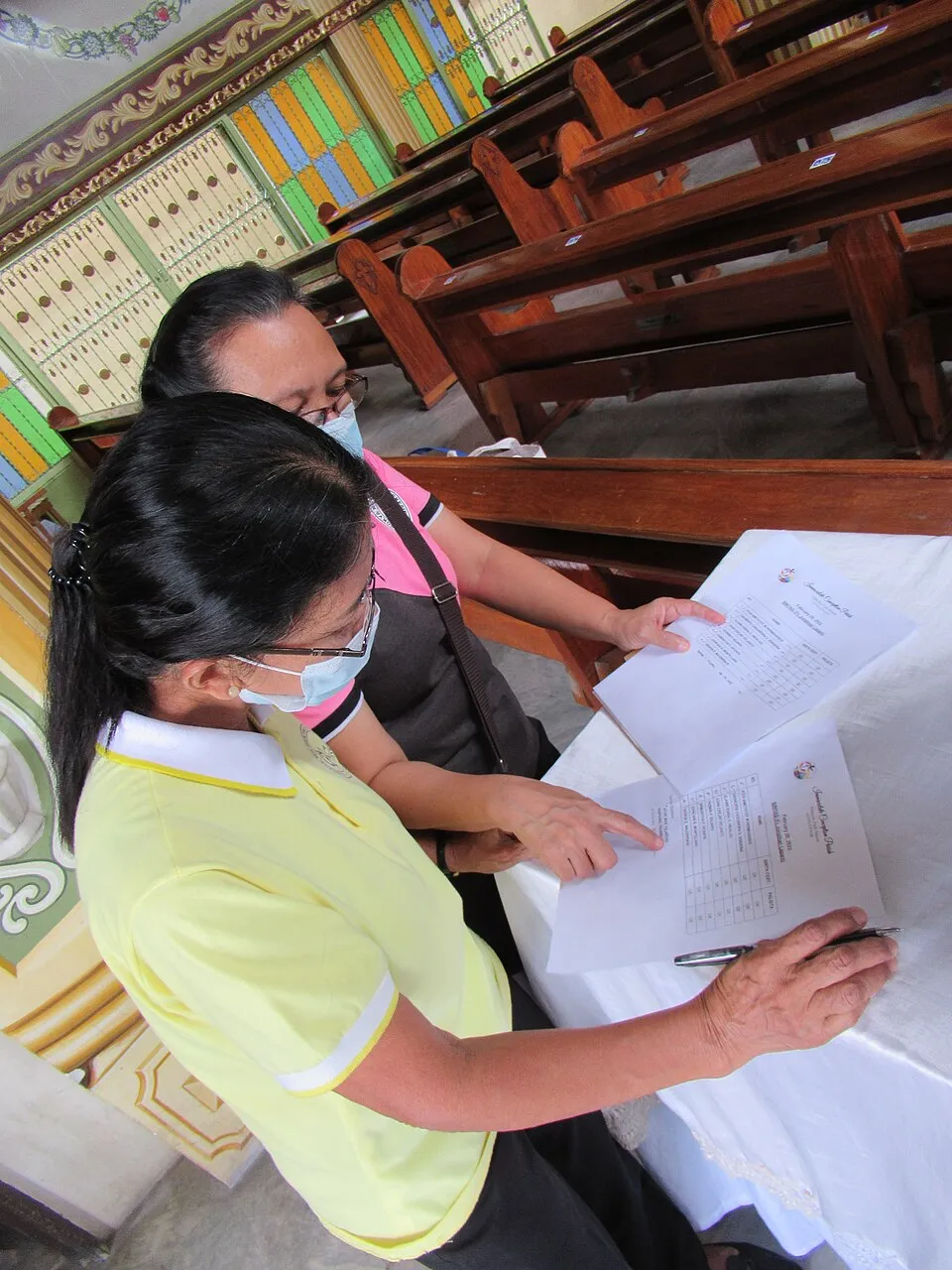
What Are the 5 Key Steps of Catholic Baptism?
- Reception of the Child: The priest greets the family at the church entrance, asks the child’s name, and asks parents what they seek. The priest, parents, and godparents make the Sign of the Cross on the child’s forehead, claiming them for Christ. This opening step includes the first two of the ten detailed elements: the greeting and the Sign of the Cross.
- Celebration of God’s Word: Scripture readings are shared, followed by a homily that explains the significance of the readings. The community prays intercessions and invokes the saints. This phase covers the third detailed element: Celebration of God’s Word, providing the biblical foundation for baptism.
- Preparation (Exorcism, Anointing, Water Blessing): The priest prays an exorcism to free the child from original sin and the dominion of evil. He anoints the child on the chest with the Oil of Catechumens, representing spiritual strength. Then he blesses the baptismal water, recalling God’s saving plan through water in salvation history. These actions correspond to detailed elements four, five, and six.
- Baptism and Chrism Anointing: Parents and godparents renounce Satan and all evil, then profess their faith using the Apostles’ Creed. The priest pours water three times over the child’s head (or immerses them) while saying, “N., I baptize you in the name of the Father, and of the Son, and of the Holy Spirit.” Immediately after, the priest anoints the child’s crown with Sacred Chrism, signifying initiation into Christ’s royal priesthood. This phase includes the core sacramental action and the anointing with Chrism.
- Closing (Garment, Candle, Blessing): The child is clothed in a white garment, symbolizing new creation and being clothed in Christ. A godparent lights a candle from the Paschal Candle, representing Christ as the Light of the World, and is charged to keep the faith burning. The ceremony concludes with the Lord’s Prayer and a final blessing for the family. These final actions complete the ten-step rite.
These five phases simplify the ten liturgical elements into a logical flow that families can easily follow. The structure mirrors the natural progression from entrance to sending forth, making the deep symbolism accessible to all participants. Vietnamese Catholic parishes follow this same universal structure, ensuring continuity with the global Church.
Detailed Breakdown: The 10 Liturgical Elements
The Rite of Baptism for Children unfolds through ten distinct symbolic actions, each carrying profound spiritual meaning. First, Reception of the Child occurs at the church entrance. The priest greets the family, asks the child’s name, and inquires what they seek.
The priest, parents, and godparents trace the Sign of the Cross on the child’s forehead, marking them as belonging to Christ. This opening ritual establishes the baptism as a communal act of faith.
Second, Celebration of God’s Word includes Scripture readings, a homily explaining their significance, intercessions (prayers of the faithful), and invocation of the saints. This liturgically roots the baptism in the biblical story of salvation.
Third, Exorcism and Anointing involves a prayer freeing the child from original sin and evil’s power. The priest then anoints the child’s chest with the Oil of Catechumens, a symbol of spiritual strength for the upcoming battle against sin.
Fourth, Blessing of the Water sees the priest bless the baptismal water, recalling God’s saving acts involving water—the Red Sea crossing, the Jordan River, and the waters of creation. Fifth, Renunciation of Sin has parents and godparents reject Satan and all evil.
Sixth, Profession of Faith follows immediately, with the same individuals proclaiming the Apostles’ Creed and promising to raise the child in the Catholic faith. These two responses form the baptismal promises.
Seventh, the Baptismal Action is the sacrament’s core: the priest pours water three times over the child’s head (or immerses them) while pronouncing the Trinitarian formula, “N., I baptize you in the name of the Father, and of the Son, and of the Holy Spirit.” Eighth, Anointing with Chrism applies Sacred Chrism to the child’s crown, signifying participation in Christ’s threefold office as Priest, Prophet, and King. Ninth, Clothing with the White Garment places a white robe on the child, symbolizing new creation and being clothed in Christ.
Tenth, the Lighted Candle is given: a godparent lights a candle from the Paschal Candle, representing Christ as the Light of the World, with the charge to keep the flame of faith burning. The rite closes with the Lord’s Prayer and a final blessing.
Spiritual Significance and Effects of Baptism
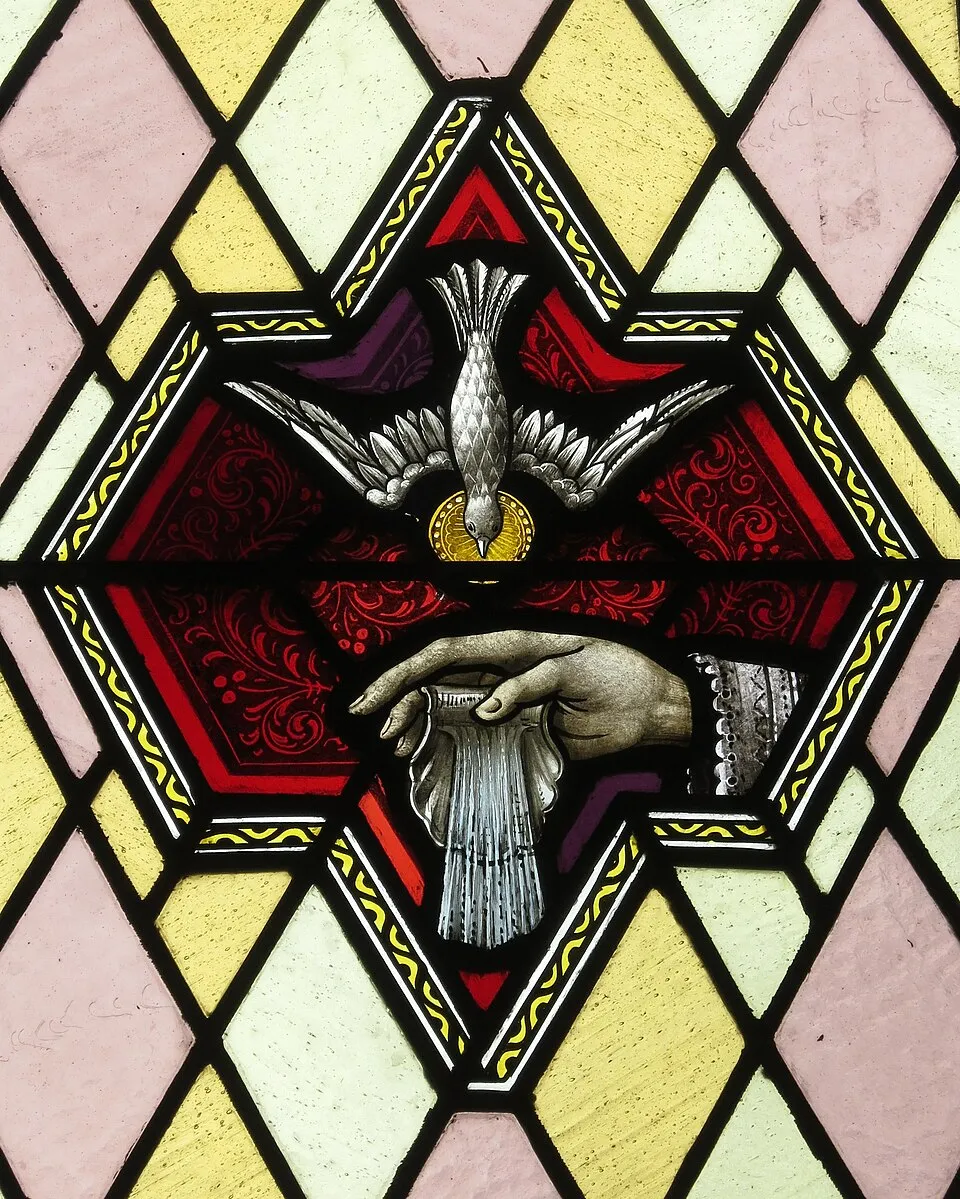
- Original sin definition: Original sin is the fallen state inherited from Adam and Eve, resulting in the loss of original holiness and justice. It is a deprivation of original righteousness, not a personal fault but a wounded human nature subject to ignorance, suffering, and death. This condition affects every human being born into the world.
- Why only baptism removes it: Baptism is the sole means by which original sin is erased because it configures the person to Christ and applies the merits of His redemptive sacrifice, a doctrine further explained in Catholic doctrine articles. Other sacraments forgive personal sins committed after baptism, but the foundational stain of original sin requires the sacrament of initiation itself. As the Catechism explains, baptism confers original sanctifying grace that wipes away this inherited wound.
-
Effect of baptismal grace: Through baptism, the Holy Spirit regenerates the soul, infusing sanctifying grace that heals the damage of original sin. This grace makes the baptized person a new creation, adopted as a child of God, and capable of entering into communion with the Trinity.
The sacrament’s indelible mark signifies this permanent transformation.
- Original sin definition: Original sin is the fallen state inherited from Adam and Eve, resulting in the loss of original holiness and justice. It is a deprivation of original righteousness, not a personal fault but a wounded human nature subject to ignorance, suffering, and death. This condition affects every human being born into the world.
- Why only baptism removes it: Baptism is the sole means by which original sin is erased because it configures the person to Christ and applies the merits of His redemptive sacrifice. Other sacraments forgive personal sins committed after baptism, but the foundational stain of original sin requires the sacrament of initiation itself. As the Catechism explains, baptism confers original sanctifying grace that wipes away this inherited wound.
- Effect of baptismal grace: Through baptism, the Holy Spirit regenerates the soul, infusing sanctifying grace that heals the damage of original sin. This grace makes the baptized person a new creation, adopted as a child of God, and capable of entering into communion with the Trinity. The sacrament’s indelible mark signifies this permanent transformation.
For adults, baptism also forgives any personal sins they have committed. The sacrament’s power extends to all sin because it incorporates the person into Christ’s one sacrifice.
However, the unique role of baptism in removing original sin underscores its position as the gateway to all other sacraments. Without baptism, one cannot receive the fullness of Christian life.
Five Key Spiritual Effects of Baptism
-
Removal of Sin: Baptism washes away original sin and any personal sins (in adults). This cleansing is not merely symbolic but a real spiritual rebirth. The water signifies the purifying action of Christ’s death and resurrection, which the baptized shares.
This effect establishes the baptized person’s new status before God, free from the guilt and punishment of sin.
-
Rebirth in the Spirit: Baptism marks a new life in Christ, transforming the recipient into an adopted son or daughter of God. This spiritual rebirth is often called “being born again” or “born from water and the Spirit.” The baptized becomes a member of Christ’s Body, sharing in His divine life.
This effect is symbolized by the white garment and the lighted candle, representing new life and illumination.
-
Incorporation into the Church: Baptism brings the person into the Body of Christ, the Church. This is not merely joining an organization but being mystically united with all believers across time and space.
The baptized becomes a citizen of the heavenly Jerusalem and a member of the local parish community. This effect is why baptism is celebrated within the assembly of the faithful, not privately.
-
Indelible Character: Baptism leaves a permanent spiritual mark on the soul that cannot be repeated.
This “character” signifies that the person belongs to Christ forever. Because of this mark, the Catholic Church recognizes baptisms from other Christian traditions as valid if performed with water and the Trinitarian formula. This effect ensures the continuity of the baptized person’s identity as a Christian throughout life and into eternity.
-
Gateway to Other Sacraments: Baptism is necessary for receiving the other sacraments. It opens the door to Confirmation, Eucharist, Reconciliation, Anointing of the Sick, Holy Orders, and Matrimony. Without baptism, one cannot participate fully in the sacramental life of the Church.
This effect highlights baptism’s foundational role in the Christian journey.
These five effects work together to initiate the Christian into a new way of being.
The removal of sin clears the way; rebirth gives new life; incorporation provides community; the indelible mark ensures permanence; and gateway status opens access to further grace. Together they explain why baptism is so central to Catholic faith and practice.
Roles and Responsibilities in the Baptism Rite
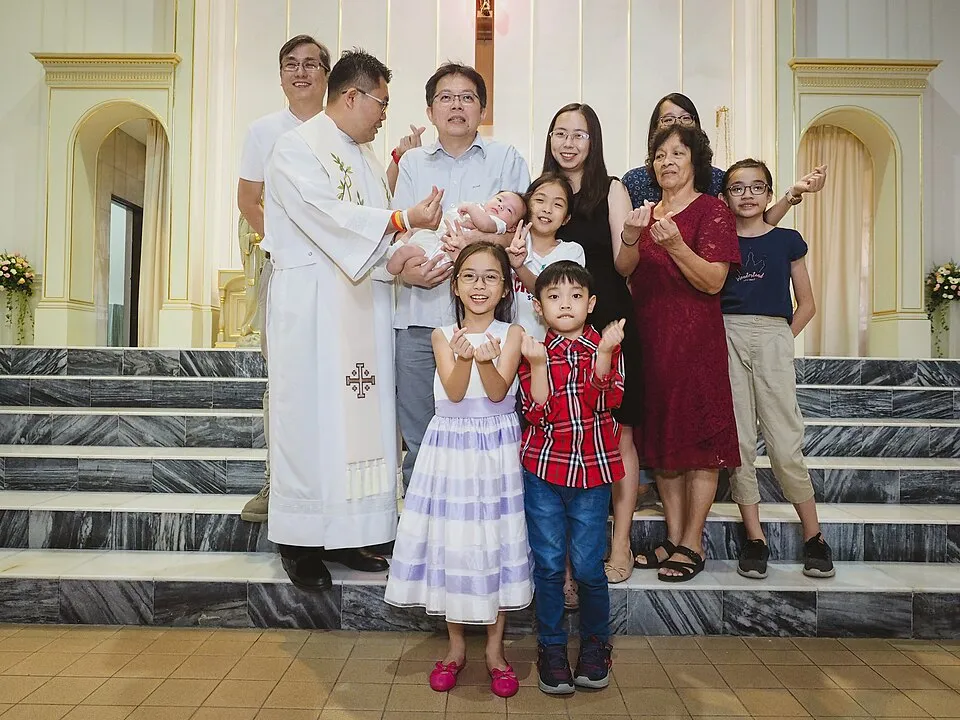
Parents and Godparents: A Comparative Overview
The roles of parents and godparents in baptism are complementary yet distinct. The following table clarifies their responsibilities and requirements according to Church law and tradition.
| Role | Primary Responsibilities | Canonical Requirements | Promises Made |
|---|---|---|---|
| Parents | Raise the child in the Catholic faith, provide religious education, ensure participation in the sacramental life, and serve as primary role models of Christian living. | Must be Catholics (usually at least one parent is Catholic). They must intend to raise the child in the faith and not reject it. No specific canonical form required beyond being baptized. | Promise to instruct the child in the faith, bring them to church, and ensure they receive Confirmation and Eucharist. They reject sin and profess the Apostles’ Creed on the child’s behalf. |
| Godparents | Assist parents in the child’s spiritual formation, provide ongoing support and example, and represent the wider Church community’s commitment to the child’s faith journey. | Must be at least 16 years old, practicing Catholics in good standing, confirmed, and not under any canonical penalty. They cannot be the child’s parents. One godparent is required; two (one male, one female) are customary. | Promise to help the parents in their duty as Christian educators. They join in renouncing sin and professing the faith, thereby accepting responsibility for the child’s spiritual welfare. |
Both parents and godparents make public profession of faith during the rite, underscoring that baptism is not a private family event but a communal celebration. The Church requires godparents to be confirmed because they must be mature in their own faith to effectively support another’s formation. In Vietnamese Catholic parishes, these requirements are strictly observed in accordance with Canon Law Explained: Key Principles to ensure the sacrament’s validity and the child’s proper initiation.
The Priest as Minister of the Sacrament
The priest acts in the person of Christ and the Church as the minister of baptism. His role is not merely ceremonial but sacramental: he is the instrument through which Christ baptizes. The priest leads the entire ceremony from beginning to end.
He greets the family at the entrance, making the Sign of the Cross on the child’s forehead. He then presides over the Celebration of God’s Word, delivering the homily and leading the prayers.
During the preparation phase, the priest prays the exorcism and anoints with Oil of Catechumens. He blesses the water with prayers recalling salvation history. He then invites the parents and godparents to renounce sin and profess faith.
The priest pours water three times over the child’s head (or immerses the child) while pronouncing the Trinitarian formula, “N., I baptize you in the name of the Father, and of the Son, and of the Holy Spirit.” Immediately after, he anoints with Chrism on the crown of the head.
He clothes the child in the white garment and hands the lighted candle to the godparent. Finally, he leads the Lord’s Prayer and gives the final blessing.
Each action the priest performs is a visible sign of the grace being conferred. While deacons can baptize with proper permission, the ordinary minister is a priest, especially when the rite includes all the elements. In Vietnamese Catholic parishes, priests follow the same universal rite, ensuring unity with the worldwide Church.
The most profound truth about baptism is its indelible spiritual mark—a permanent character imprinted on the soul that signifies belonging to Christ forever. This means baptism can never be repeated; once validly received, it remains forever. For families considering baptism, attending a ceremony at your local Vietnamese Catholic parish provides the best understanding of this beautiful rite, and pastoral resources for effective ministry can further support your preparation.
The Catholic doctrine articles on the CBCV website offer additional official resources for preparation. You may also consult Catholic pastoral guides for deeper insight into sacramental ministry. Speaking with your parish priest remains the best step to begin the baptismal journey.
Frequently Asked Questions About Catholic Baptism Rite Explained
What are the canonical requirements for parents in a Catholic baptism?
Parents must be Catholics (usually at least one parent is Catholic). They must intend to raise the child in the faith and not reject it. No specific canonical form required beyond being baptized.
What promises do parents make during the baptism rite?
Parents promise to instruct the child in the faith, bring them to church, and ensure they receive Confirmation and Eucharist. They reject sin and profess the Apostles' Creed on the child's behalf.
What are the primary responsibilities of godparents in a Catholic baptism?
Godparents assist parents in the child's spiritual formation, provide ongoing support and example, and represent the wider Church community.