During the Republic of Vietnam (1955-1975), Catholic bishops closely cooperated with anti-communist governments, led the resettlement of 800,000 northern refugees, and later endured communist reeducation after reunification. This cooperation, especially under President Ngo Dinh Diem, defined the church’s public role, while post-1975 restrictions tested its resilience. The bishops’ actions during this divided era continue to influence Vietnam’s Catholic landscape today.
- Archbishop Ngô Đình Thục, brother of President Diem, led bishops in ideological support for the regime and resettled ~800,000 Catholic refugees from the North.
- After the 1963 coup, bishops shifted to peace advocacy between North and South while maintaining an anti-communist stance, and social outreach expanded via CRS with $2.4M in aid.
- Post-1975, bishops faced reeducation and restrictions; Cardinal Nguyễn Văn Thuận was imprisoned for 13 years, yet the church grew to 11,713 seminarians across 26 dioceses by 2026.
Vietnamese Bishops’ Cooperation with the South Vietnamese Government (1955-1975)
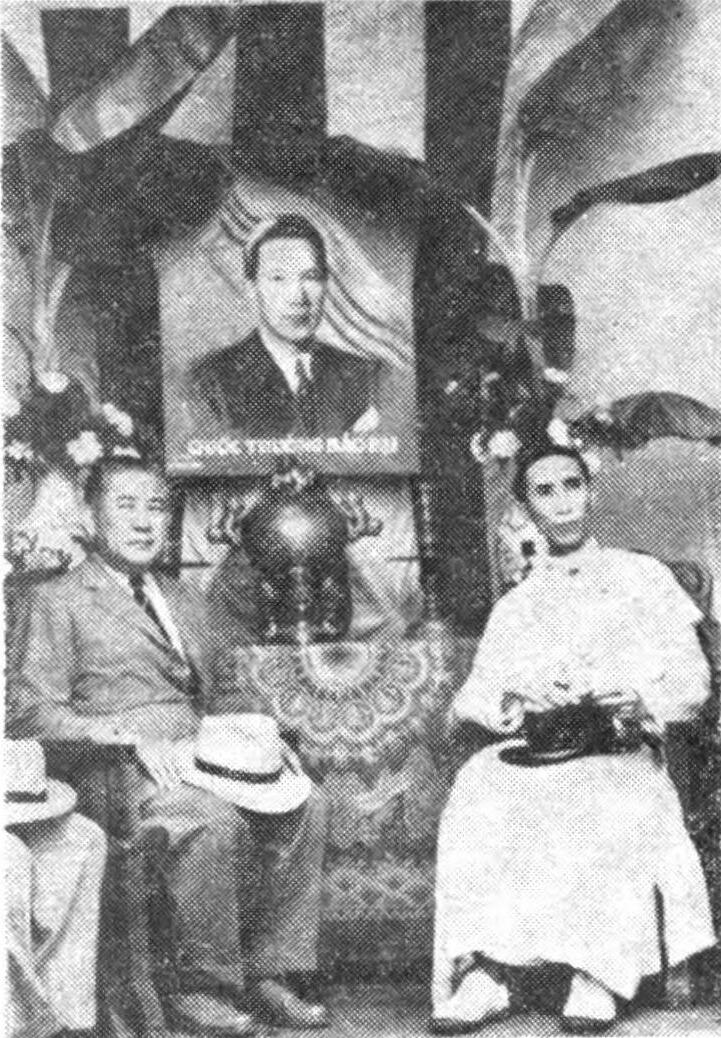
The Catholic hierarchy in South Vietnam developed a close, often controversial, relationship with the Republic of Vietnam government. This cooperation was rooted in shared anti-communist ideology and mutual benefit: the regime gained moral legitimacy from the church’s endorsement, while bishops received political protection and resources to expand their pastoral work. The alliance peaked under President Ngô Đình Diem (1955-1963) but evolved after his overthrow as bishops adapted to a turbulent political landscape.
The Diem-Bishops Alliance: Archbishop Ngô Đình Thục’s Political Influence
The most visible symbol of church-state cooperation was Archbishop Pierre Martin Ngô Đình Thục, who served as Archbishop of Huế from 1960 to 1968. Thục was the elder brother of President Ngô Đình Diem, a familial tie that gave the Catholic hierarchy unprecedented direct access to the regime. This connection facilitated a symbiotic relationship where bishops provided ideological support for Diem’s anti-communist government, which they viewed as a bulwark against atheistic communism in a Buddhist-majority country.
Thục’s influence extended beyond spiritual leadership. He actively participated in national politics, using his position to advocate for policies that favored Catholics. For example, under Diem, Catholics received preferential treatment in public service, military promotions, land allocation, and business favors.
The government even distributed firearms to village self-defense militias primarily to Catholic communities. Thục himself oversaw the resettlement of approximately 800,000 Northern Catholic refugees after the 1954 Geneva Accords—a massive humanitarian operation that significantly strengthened the church’s popular base in the South.
By 1966, the hierarchical structure included two archbishops (in Saigon and Huế) and twenty bishops overseeing dioceses across the Republic of Vietnam, according to historical records from factsanddetails.com. This network of prelates maintained a collective endorsement of Diem’s regime, seeing it as essential for protecting the church in a time of existential threat from communist forces. The alliance, however, also tied the church’s fate to Diem’s increasingly autocratic rule, creating vulnerabilities when his government collapsed.
The Diem-bishops alliance exemplifies how religious authority can become entangled with political power. While it provided immediate advantages—such as state support for Catholic schools and land—it also generated resentment among the Buddhist majority and other religious groups. The 1963 Buddhist crisis in Huế, where Thục’s archdiocese was located, highlighted these tensions.
When Buddhists were prohibited from displaying their flag during Vesak while Catholics were encouraged to fly papal flags, it underscored the perception of Catholic favoritism. This event contributed to the coup that overthrew Diem and ultimately reshaped the bishops’ political strategy.
Post-1963 Reorientation: Peace Advocacy While Maintaining Anti-Communism
After Diem’s assassination in November 1963, the Catholic bishops faced a precarious new reality. The loss of their primary political patron forced a strategic reorientation. While they remained fundamentally anti-communist—refusing any compromise with the North Vietnamese or Viet Cong—bishops shifted from overt regime support to a more neutral public role focused on peace advocacy.
According to research published in the Journal of the Canadian Historical Association (erudit.org/jcha/2009-v20-n2-jcha3903), the bishops’ conference began cautiously calling for negotiations between North and South Vietnam to end the war’s devastation. This was not a rejection of their anti-communist principles but a pragmatic adjustment to a fragmented political environment where no single government commanded widespread loyalty. By advocating for peace, bishops aimed to preserve their moral authority and protect Catholic communities from being targeted by either side.
This reorientation allowed the hierarchy to navigate the successive military governments of the 1960s without aligning too closely with any one faction. Bishops like Paul Nguyễn Văn Bình of Saigon and Philippe Nguyễn Kim Điền of Huế emphasized pastoral care over political partisanship, even as they continued to denounce communism.
Their stance reflected both a survival instinct and a genuine desire to mitigate suffering. The church’s social outreach, particularly through Catholic Relief Services, expanded during this period, further distancing the bishops from direct political entanglement while maintaining their anti-communist identity.
The shift also demonstrated the bishops’ ability to adapt without abandoning core beliefs. They leveraged their independence to act as mediators and humanitarian providers, roles that earned them respect from some non-Catholic communities. However, their anti-communist rhetoric remained firm, ensuring they were never fully trusted by the communist side or by left-leaning elements in the South.
Hierarchical Scale: Two Archbishops and Twenty Bishops by 1966
The organizational capacity of the Catholic Church in South Vietnam was substantial. By 1966, the hierarchy comprised two archbishops—in Saigon and Huế—and twenty bishops leading dioceses across the Republic, as documented by factsanddetails.com. This structure managed a vast network of parishes, schools, hospitals, and charitable institutions that served millions.
The bishops’ scale enabled coordinated action on both political and social fronts. Each bishop oversaw a diocese with multiple parishes, priests, and religious orders.
For instance, the Archdiocese of Saigon, led by Archbishop Paul Nguyễn Văn Bình, was one of the largest, encompassing the capital and surrounding provinces. The Archdiocese of Huế, under Archbishop Thục until 1968 and later Philippe Nguyễn Kim Điền, covered central Vietnam and included significant Catholic populations.
This hierarchical organization proved crucial during the refugee crisis and later wartime relief efforts. Bishops could mobilize resources quickly through their diocesan structures.
They also maintained communication with the Vatican and international Catholic organizations, which facilitated aid flows. The sheer number of prelates—22 in total by the mid-1960s—demonstrated the church’s institutional strength and its ability to function as a nationwide body despite the ongoing conflict.
The bishops’ scale also meant that any government policy affecting the church had to account for this extensive network. Their collective voice, though not always unified, carried weight in discussions with the South Vietnamese authorities.
After 1963, the bishops’ conference became more formalized, allowing for joint statements and coordinated pastoral programs. This organizational maturity would later help the church survive the transition to communist rule.
Social Outreach and Humanitarian Aid by Vietnamese Bishops
Beyond political cooperation, the bishops of South Vietnam engaged in extensive social outreach. Their humanitarian work, often funded by international Catholic agencies like Catholic Relief Services (CRS), addressed the massive needs created by war and displacement. This outreach extended the church’s pastoral mission into practical aid, education, and community development, solidifying its role as a key civil society actor.
Resettling 800,000 Northern Catholic Refugees (1954-1955)
The most dramatic humanitarian operation led by the bishops occurred immediately after the 1954 Geneva Accords, which temporarily divided Vietnam at the 17th parallel. Fearing persecution under the communist-led Viet Minh in the North, approximately 800,000 Catholics fled southward in a mass exodus. According to research published in Social Work & Christianity (euppublishing.com/doi/10.3366/swc.2019.0269), Archbishop Ngô Đình Thục played a central role in coordinating this resettlement.
Thục leveraged church networks across the country to organize transportation, shelter, and food for the refugees. Bishops in the North, such as those in Hanoi and Haiphong, facilitated departures, while bishops in the South prepared to receive the influx. The South Vietnamese government, with U.S. support, provided ships and vehicles, but the bishops’ organizational capacity was essential for processing, feeding, and integrating the newcomers.
This operation had profound long-term effects. The sudden arrival of 800,000 Catholics—many from traditionally strong Catholic regions like the Red River Delta—bolstered the church’s demographic presence in the South. New parishes were established, and existing ones expanded.
The refugees often remained loyal to the church that had rescued them, creating a deeply committed Catholic constituency. This demographic shift also intensified Buddhist-Catholic tensions, as the refugees were perceived as favoring the Diem regime.
The bishops’ success in managing the refugee crisis enhanced their reputation as effective leaders and cemented the church’s role as a major social institution. It demonstrated the hierarchy’s ability to mobilize resources on a national scale—a capability that would later be used for wartime relief.
Catholic Relief Services: $2.4 Million in Social Projects
During the 1960s, the bishops’ social outreach was significantly amplified by funding from Catholic Relief Services (CRS), the U.S. bishops’ international humanitarian agency. According to research on muse.jhu.edu (article 183770), CRS allotted $2.4 million for social projects in South Vietnam during this decade. This funding supported a wide range of initiatives that extended the church’s pastoral care into education, healthcare, and community development.
The projects typically included:
- Refugee Assistance: Continued support for the northern refugees, including food distribution, medical care, and vocational training to help them become self-sufficient.
- Educational Programs: Construction and operation of Catholic schools, scholarships for poor students, and teacher training. Many of these schools served both Catholic and non-Catholic children, enhancing the church’s public image.
- Community Services: Healthcare clinics, agricultural projects (such as irrigation and crop diversification), and social welfare programs for war widows and orphans.
- Infrastructure Development: Building churches, community centers, and water sanitation systems in rural areas.
These programs were often implemented in partnership with local bishops, who provided land, personnel, and local knowledge. The U.S. government’s aid, channeled through CRS, allowed the church to undertake projects that would have been impossible otherwise. For example, CRS funded the construction of schools in areas where the state education system was weak or inaccessible.
The $2.4 million investment represented a significant portion of the church’s social budget and demonstrated the bishops’ commitment to holistic ministry—addressing both spiritual and material needs. During a time of war, these projects provided tangible relief and helped stabilize communities. They also improved relations with the broader population, as many non-Catholics benefited from CRS-funded services.
The bishops’ collaboration with CRS highlighted their ability to engage with international Catholic networks while maintaining local autonomy. This model of partnership would later influence how the church in Vietnam worked with foreign donors during the post-1975 period of isolation.
Aftermath of Reunification: Vietnamese Bishops Under Communist Rule
The fall of Saigon in April 1975 and the reunification of Vietnam under communist rule marked a dramatic turning point for the Catholic bishops. The close cooperation with the defeated South Vietnamese regime, combined with the church’s wealth and foreign ties, made the hierarchy a target of the new government’s suspicion and control. Bishops faced restrictions, surveillance, and reeducation campaigns, yet they managed to preserve a degree of pastoral activity that eventually allowed the church to recover and grow.
Reeducation and Restrictions: Bishops’ Experiences After 1975
In the immediate aftermath of reunification, the communist government imposed strict controls on religious activities. The Catholic Church, with its perceived links to the West and the former regime, was particularly scrutinized.
Bishops were pressured to renounce foreign connections, submit to state-controlled religious bodies, and publicly endorse the new socialist order. Many underwent “reeducation” sessions aimed at aligning their thinking with communist ideology.
Cardinal Francis Xavier Nguyễn Văn Thuận, who had been consecrated as a bishop in 1967 and served as a prominent leader in the Saigon archdiocese, became the most famous example of persecution. According to historical records from catholic-hierarchy.org and Wikipedia, Thuận was imprisoned for 13 years (1975–1988) in various reeducation camps, often in solitary confinement. His crime was his continued faith and refusal to renounce the Vatican.
Despite harsh conditions, Thuận secretly wrote spiritual reflections that later became internationally known, such as The Road of Hope. His endurance became a symbol of Catholic resistance under communism.
Other bishops, like Philippe Nguyễn Kim Điền (Archbishop of Huế from 1968) and Paul Nguyễn Văn Bình (Archbishop of Saigon until 1995), faced less severe but still significant restrictions. They were allowed to remain in their positions but under constant surveillance. Their movements were limited, communications with the Vatican were monitored, and the government required approval for major pastoral decisions.
Some bishops were forced to retire early or were replaced by more compliant clergy. The state also seized church properties, including schools and hospitals, and restricted the training of new priests.
Despite these pressures, bishops avoided open confrontation. They adopted a strategy of patient endurance, maintaining the sacramental life of the church while waiting for conditions to improve.
This approach, criticized by some as too passive, arguably saved the church from more severe crackdowns. By the late 1980s, as Vietnam’s Đổi Mới reforms began, religious policy softened, allowing bishops greater freedom to resume normal activities.
Pastoral Resilience: Church Growth to 11,713 Seminarians by 2026
The bishops’ perseverance through the post-1975 era laid the groundwork for a remarkable recovery. While the immediate years were marked by decline—with many priests and religious leaving the country or being imprisoned—the church gradually rebuilt its structures. By 2026, the Catholic Bishops’ Conference of Vietnam reports 11,713 seminarians across 26 dioceses, a figure that reflects both demographic growth and the success of vocational promotion efforts.
This growth is particularly striking given the challenges of the 1980s and 1990s. Seminarian numbers plummeted after reunification due to emigration, repression, and economic hardship.
But as the government relaxed controls, the church reopened seminaries and encouraged young people to consider the priesthood. The current figure of 11,713 represents a vibrant pipeline of future clergy, ensuring the church’s long-term vitality.
The bishops’ adaptation under communism—maintaining parish life, secretly training priests, and engaging in limited dialogue with authorities—allowed this resurgence. They also benefited from Vietnam’s economic liberalization, which improved living standards and reduced anti-religious pressure. The church’s focus on inculturation, using Vietnamese language and customs in liturgy, helped attract new generations.
The contrast between the post-1975 restrictions and the 2026 seminary enrollment underscores the resilience of Vietnamese Catholicism. It also highlights the long-term impact of the bishops’ decisions during the Republic era: their establishment of a strong hierarchical structure and social outreach created a foundation that could withstand political upheaval. Today, the church is one of the largest religious bodies in Vietnam, with about 7 million members, and continues to play a significant role in education and healthcare.
The bishops’ journey from government allies to survivors under communism reveals a remarkable capacity for adaptation. Their cooperation with the South Vietnamese state, massive refugee aid, and endurance under reeducation laid foundations for today’s thriving church. The growth to over 11,000 seminarians shows how pastoral resilience can outlast political upheaval.
For current insights into Vietnam’s bishops, explore the CBCV’s profiles of today’s leadership and their ongoing mission. To understand how this history shaped the current Vietnamese bishops, see our article on Vietnamese bishops. Readers interested in the earlier colonial period can learn about historical roles of bishops in French Indochina.
The wartime experiences of these prelates are detailed in bishops’ leadership during the Vietnam War. Individual biographies, such as,, and, provide further context on the hierarchy’s evolution.