During the Nguyen Dynasty (1802-1945), bishops and apostolic vicars served as guardians of the Catholic faith in Vietnam, leading their communities through severe persecution that included execution edicts from emperors like Minh Mang and Tu Duc. These Vietnamese bishops navigated a complex landscape where Confucian orthodoxy clashed with Catholic teachings. The dynasty’s strong adherence to Confucianism created an environment of systematic restriction against Catholic practices.
Despite these challenges, the Church endured, with 117 martyrs (including eight bishops) canonized from this era. The resilience of bishops and their strategic focus on native clergy formation ensured the faith’s survival and growth throughout the 143-year imperial rule.
- The Nguyen Dynasty’s adherence to Confucianism led to systematic persecution, including execution edicts against Catholics and their bishops (Source: Research Notes).
- Bishops fostered native clergy, resulting in 356 Vietnamese priests and 1,243 seminarians by 1889 (Source: Source Articles).
- Eight bishops among the 117 canonized martyrs exemplify episcopal leadership during this turbulent period.
- The 1889 Church statistics reveal a robust institution with 9 bishops, 930 churches, and growing native leadership (Source: Source Articles).
- Archbishop Philippe Nguyen Kim Dien represents the defiant episcopal voice that challenged government policies in Hue (Source: Research Notes).
Who Were the Bishops and Martyrs of the Nguyen Dynasty Era?
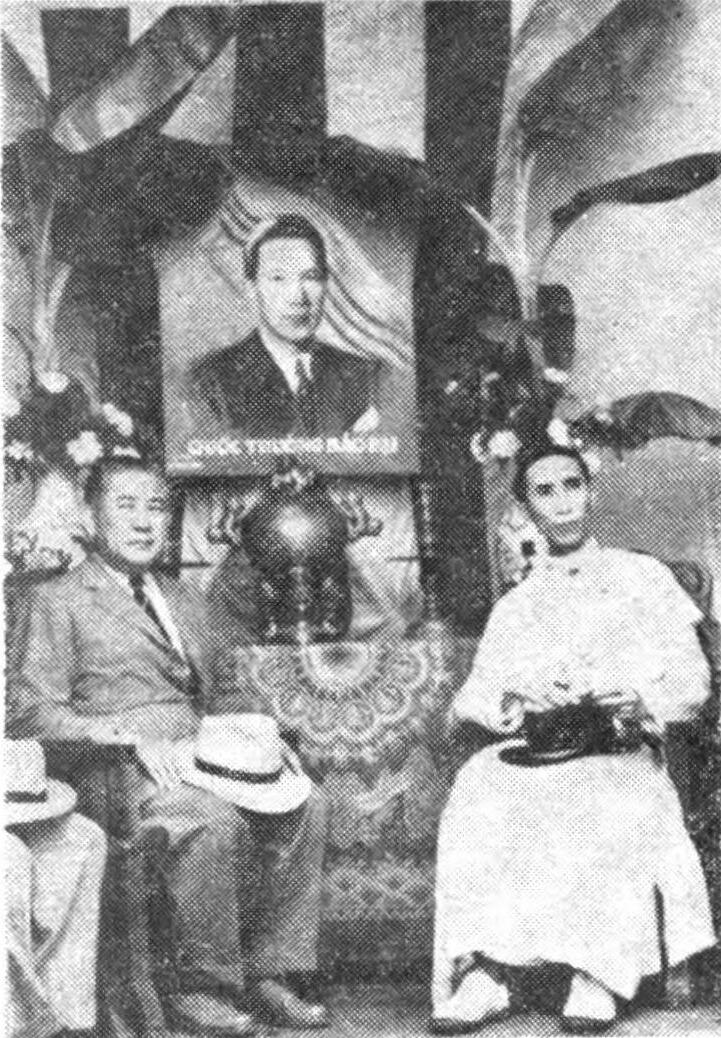
The 117 Martyrs and Eight Bishops: Sacrifice Under Imperial Edicts
The canonization of 117 martyrs from the Nguyen Dynasty era represents one of the largest groups of Vietnamese Catholic saints, with eight bishops among them. These martyrs died between 1820 and 1862 during the most intense persecution periods under emperors Minh Mang and Tu Duc. The group includes bishops, priests, and lay Catholics who refused to renounce their faith despite execution edicts.
Their sacrifice preserved the Catholic community when imperial policies aimed to eradicate Christianity through violence and forced apostasy. The martyrdom of bishops specifically demonstrated episcopal leadership willing to die rather than abandon their flocks. Their canonization recognized both the historical suffering and the spiritual strength of Vietnam’s Catholic heritage.
The 117 martyrs were beatified by Pope John Paul II and canonized by Pope John Paul II in 1988, providing official recognition of their witness. This collective memory continues to inspire Vietnamese Catholics today.
Archbishop Philippe Nguyen Kim Dien: Defying the Government in Hue
Archbishop Philippe Nguyen Kim Dien stands as a prominent example of episcopal resistance during the Nguyen Dynasty. Serving as Archbishop of Hue, he actively defied government stances that restricted Catholic practices. His leadership in the central region of Vietnam provided spiritual guidance during periods of intense persecution.
While specific details of his confrontations with imperial authorities remain in historical records, his very position as a native archbishop represented a challenge to the dynasty’s preference for foreign missionaries. Archbishop Dien’s tenure exemplified how Vietnamese bishops navigated the dangerous landscape of imperial edicts while maintaining Church operations. His legacy, alongside other bishops of the era, demonstrates the courage required to lead a persecuted community.
The survival of the Church in central Vietnam owes much to such resilient episcopal figures who balanced pastoral care with strategic defiance of anti-Catholic policies. For comparison with later periods of episcopal leadership, see the profile of Bishop Joseph Nguyễn Chí Linh, who also served during challenging times.
Strategic Resilience: How Bishops Fostered Native Clergy and Preserved the Faith
Bishops during the Nguyen Dynasty developed sophisticated strategies to sustain the Church despite imperial restrictions. Their primary approach centered on fostering native clergy to reduce dependence on foreign missionaries who faced expulsion or execution. By training Vietnamese priests and seminarians, bishops created a self-sustaining leadership structure that could operate underground when necessary.
This strategy proved remarkably successful: by 1889, the Vietnamese Church counted 356 Vietnamese priests and 1,243 seminarians in formation. These native clergy understood local culture and language, enabling them to minister discreetly while avoiding detection by authorities. Bishops also preserved the faith through small community gatherings, secret ordinations, and maintaining sacramental life despite bans.
The emphasis on indigenous leadership ensured that when persecution eased, the Church could rapidly rebuild with local bishops and priests already prepared for ministry. This long-term vision of native clergy development became the cornerstone of Catholic survival in Vietnam. The diocese of Bùi Chu, led by bishops like Bishop Joseph Nguyễn Văn Bình, exemplified this approach with its strong native clergy formation.
The 1889 Church Statistics: Nine Bishops, 930 Churches, and a Growing Native Clergy
The year 1889 provides a snapshot of the Catholic Church’s structure at the close of the Nguyen Dynasty’s most intense persecution period. The following table reveals an institution that had not only survived but expanded significantly:
| Category | Number |
|---|---|
| Bishops | 9 |
| Missionary Priests | 219 |
| Vietnamese Priests | 356 |
| Churches | 930 |
| Seminarians | 1,243 |
These statistics demonstrate the success of the bishops’ native clergy strategy: Vietnamese priests (356) outnumbered missionary priests (219), indicating a mature local Church. The presence of 9 bishops shows a complete episcopal hierarchy despite imperial opposition. 930 churches across the country reflect extensive parish infrastructure, while 1,243 seminarians signal continued growth and future leadership development.
This data proves that the Nguyen-era bishops effectively preserved and expanded Catholicism through strategic investment in indigenous clergy and community organization, a legacy continued by Bishops in French Indochina. The geographic distribution included major centers like Đà Nẵng, where Bishop Joseph Nguyễn Văn Tiếp would later shepherd a growing diocese.
The Nguyen Dynasty’s Religious Policies: Edicts, Persecution, and Imperial Patronage
Confucianism vs Catholicism: The Ideological Conflict Behind the Prohibition
The Nguyen Dynasty’s religious policies stemmed from a fundamental ideological clash between Confucian orthodoxy and Catholic teachings. Confucianism emphasized social hierarchy, ancestor veneration, and loyalty to the emperor—practices directly challenged by Catholic monotheism and refusal to participate in state rituals. The dynasty viewed Catholicism as a foreign influence threatening social order and imperial authority.
A 2024 analysis titled “Religion and Policy of Catholic Prohibition under the Nguyen Dynasty” documents how this ideological conflict manifested in systematic prohibition policies. Emperors issued edicts banning Catholic worship, destroying churches, and demanding apostasy from converts. The state considered Catholic allegiance to the Pope as incompatible with loyalty to the Vietnamese emperor.
This philosophical opposition, rather than mere political expediency, drove the persecution that bishops and their flocks endured throughout the dynasty’s rule. The conflict was not merely about religious practice but about competing visions of social order and political legitimacy.
Execution Edicts of Minh Mang and Tu Duc: Persecution Under Two Emperors
The reigns of Emperor Minh Mang (1820-1841) and Emperor Tu Duc (1847-1883) marked the peak of anti-Catholic persecution. Both rulers issued execution edicts targeting bishops, priests, and prominent lay Catholics who refused to renounce their faith. These edicts authorized the killing of Catholic leaders as a means to eradicate the religion.
Under Minh Mang, dozens of missionaries and Vietnamese clergy were executed, creating a climate of terror. Tu Duc continued and intensified these policies, resulting in the deaths of many bishops among the 117 canonized martyrs. The execution edicts forced bishops into hiding, disrupted sacramental life, and scattered Catholic communities.
Yet these brutal measures failed to extinguish the faith; instead, they produced a generation of martyrs whose witness strengthened the resolve of surviving Catholics. The bishops’ ability to maintain Church operations under such lethal threat stands as a testament to their strategic resilience and pastoral courage. The pattern of execution edicts created a climate where bishops had to operate covertly while still providing spiritual leadership.
The Paradox of Imperial Patronage: When the Court Protected and Persecuted
Despite the overall restrictive policy, Nguyen imperial attitudes toward Catholicism exhibited surprising inconsistencies:
- Early tolerance: Some early Nguyen emperors, notably Gia Long (1802-1820), showed limited tolerance toward Catholics, allowing missionary activity and even receiving Catholic officials at court.
- Strategic protection: At times, the court protected Catholics when their skills served imperial interests, such as in medicine, astronomy, or diplomacy with European powers.
- Sudden reversals: Policies could shift dramatically, as seen when Minh Mang reversed his father’s relative tolerance and launched severe persecution.
- Regional variation: Enforcement of anti-Catholic edicts varied by locality; some provincial officials turned a blind eye while others zealously implemented execution orders.
- Political calculus: Imperial decisions often balanced internal Confucian orthodoxy against external pressures from French colonial expansion, creating unpredictable policy environments for bishops to navigate.
This paradox meant bishops could not assume consistent opposition or support, requiring constant adaptation to changing imperial attitudes while maintaining Church unity. The shifting policies forced bishops to develop flexible strategies that could work under both persecution and limited tolerance.
Legacy and Modern Connections: From Nguyen Persecution to Cardinal Van Thuan
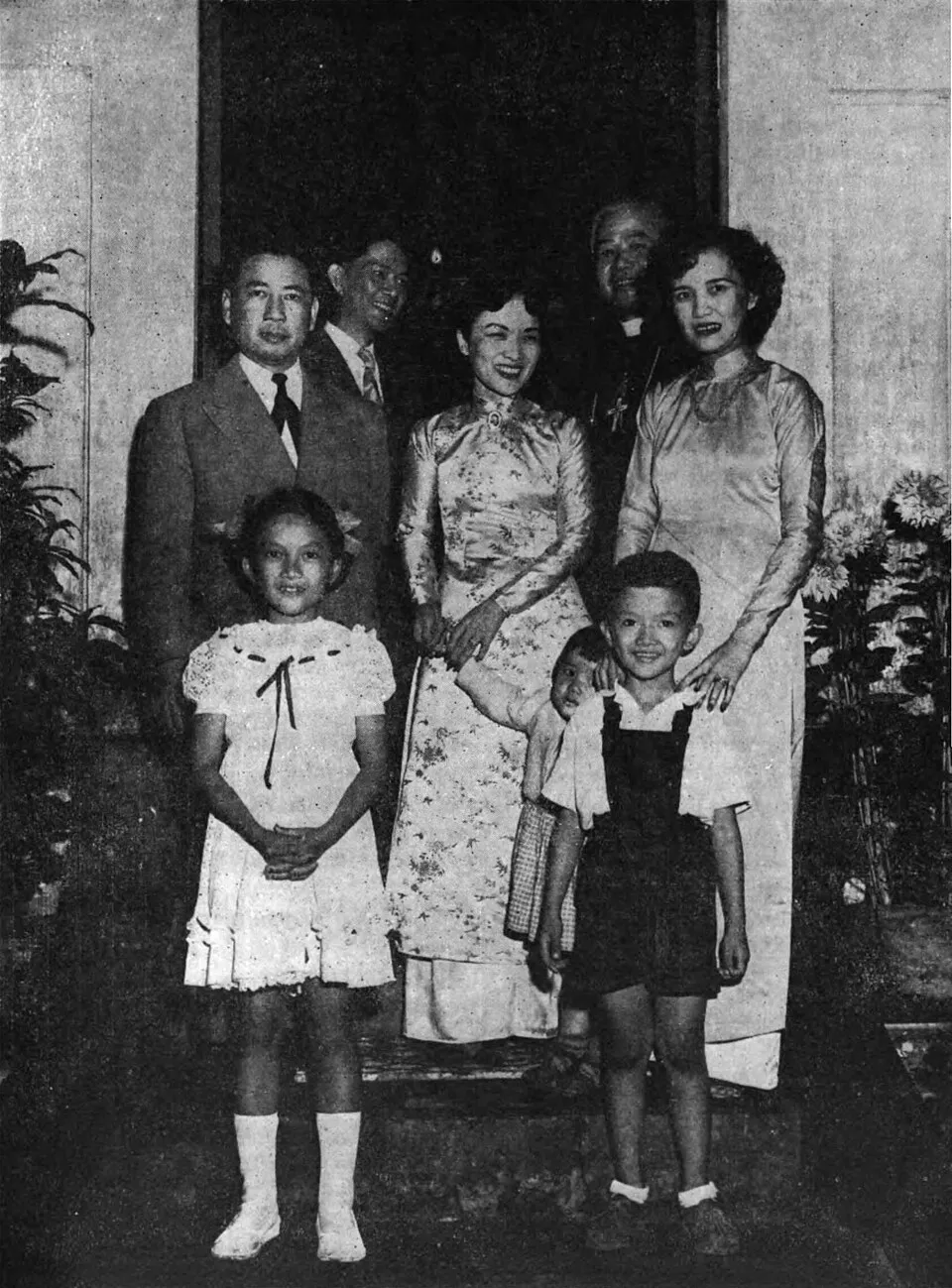
The Imprisonment of Cardinal Nguyen Van Thuan: Persecution Under the Communist Regime
The pattern of persecution against Vietnamese Catholic leaders extended into the modern era with Cardinal Nguyen Van Thuan. Appointed coadjutor archbishop of Saigon on April 24, 1975, he assumed leadership just six days before the city fell to Communist forces. His ties to the previous government and his prominent Catholic position made him a target.
The new regime arrested him and sentenced him to a “re-education camp” where he spent 13 years (1975-1988) in imprisonment. This experience echoed the sufferings of bishops under the Nguyen Dynasty, demonstrating how Catholic leaders have consistently faced persecution in Vietnam’s modern political transitions. Cardinal Van Thuan’s endurance—writing spiritual reflections on scraps of paper—mirrored the resilience of his episcopal predecessors who preserved the faith under imperial edicts.
His later release and elevation to cardinal (2001) represented both personal vindication and the Church’s continued presence despite political opposition. For a broader view of bishops during Vietnam’s modern conflicts, see Bishops during the Vietnam War Period.
Cardinal Nguyen Van Thuan: A 20th-Century Vietnamese Cardinal
Cardinal Nguyen Van Thuan’s life confirms Vietnam’s place in the College of Cardinals:
- Full name: Venerable Francis Xavier Cardinal Nguyen Van Thuan (1928-2002)
- Episcopal appointment: Named coadjutor archbishop of Saigon on April 24, 1975
- Imprisonment: Spent 13 years in a Communist re-education camp after Saigon’s fall
- Cardinalate: Created cardinal by Pope John Paul II in 2001, becoming Vietnam’s first cardinal in the modern era
- Veneration: Recognized as Venerable, his cause for canonization is open, reflecting his significance as a modern witness to faith
- Legacy: His writings from prison, including “The Road of Hope,” inspired Catholics worldwide and demonstrated the continuity of Vietnamese episcopal resilience from the Nguyen era through Communist rule
Cardinal Van Thuan’s story connects the persecution of Nguyen bishops with later struggles, showing how Vietnamese Catholic leadership has consistently borne witness under pressure. His example, like that of the 117 martyrs, illustrates the enduring nature of episcopal courage in Vietnam.
The most surprising finding is that despite 143 years of imperial persecution—including execution edicts, church destruction, and forced apostasy—the Catholic Church in Vietnam not only survived but grew substantially. By 1889, bishops oversaw 930 churches and 1,243 seminarians, with 356 Vietnamese priests forming a mature native clergy. This growth occurred precisely because bishops like Philippe Nguyen Kim Dien, Bishop Joseph Đỗ Quang Khang, and others prioritized indigenous leadership development.
The connection to Cardinal Nguyen Van Thuan shows this resilience spans centuries. To learn more about these heroic bishops and the 117 martyrs, visit the Catholic Bishops’ Conference of Vietnam website at https://www.cbcvietnam.org/vietnamese-bishops/ and explore their enduring legacy. For additional context on the development of Vietnamese bishops across different historical periods, see the overview of Vietnamese bishops throughout history.
Frequently Asked Questions About Bishops In The Nguyen Dynasty Era
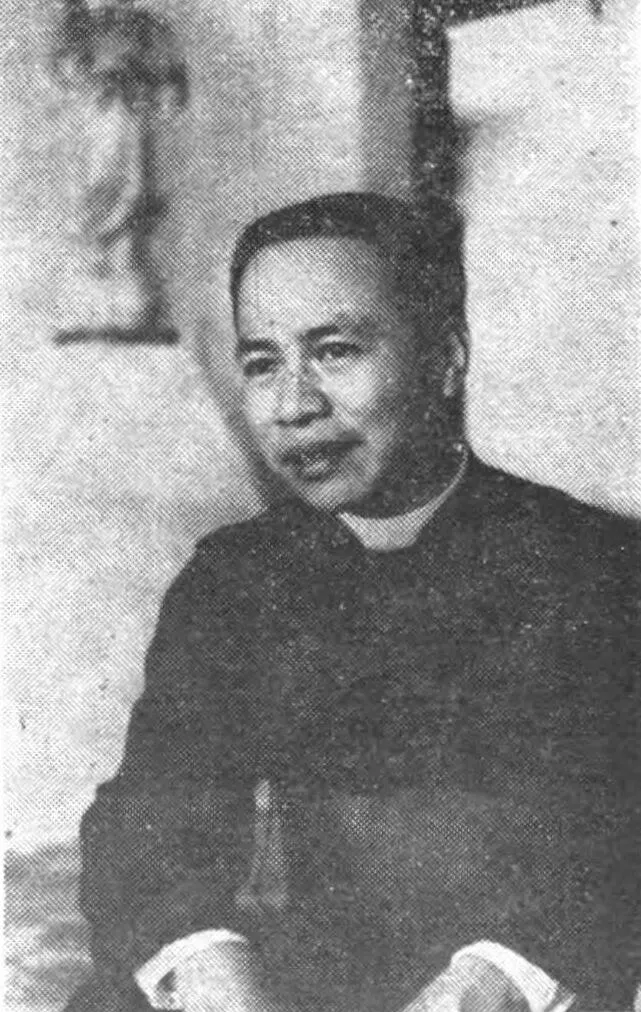
Why was cardinal Nguyen Van Thuan imprisoned?
He was appointed coadjutor archbishop of Saigon on April 24, 1975. Six days later, the city fell to the Communists. Because of his ties to the government, and his Catholicism, he was arrested and sent to a “re-education camp.”
Is there a Catholic cardinal in Vietnam?
Dedicated to a divided nation Reflecting on the life of the Vietnamese Venerable, Cardinal Michael Czerny, prefect of the Dicastery for Promoting Integral Human Development, described Cardinal Văn Thuận as not only a promoter of justice and peace but also an embodiment of “these values in word and a…
What does 888 mean in Vietnam?
The number 8 is considered lucky in Vietnam. So 888 means prosperity, wealth, and good luck.
Which country is 100 percent Catholic?
The country with the largest percentage of its population having membership in the church is Vatican City at 100%, followed by Timor-Leste at 97%. According to the World Christian Database, there are 1.279 billion Catholics worldwide as of 2026, which constitute 47.8% of 2.674 billion Christians.