Catholic art in Vietnam has transformed from European missionary icons to dynamic local expressions that weave Vietnamese cultural elements into Catholic themes, creating a unique visual language of faith that spans five centuries and preserving and evolving Catholic traditions.
- Catholicism arrived in Vietnam around the 15th century, with missionaries bringing small statues, paintings, and rosaries (southeastasianlives, 2019).
- Since the Second Vatican Council, inculturation has integrated Vietnamese cultural elements and local saints into Catholic art (academia.edu, n.d.).
- The Catholic Bishops’ Conference of Vietnam supports artistic expression through 8 seminaries forming 11,713 seminarians across 26 dioceses (CBCV, 2026).
- Contemporary Vietnamese Catholic art thrives online (e.g., Etsy) and in exhibitions like the 2024 “History of the Catholic Church in Vietnam” show.
The Historical Development of Catholic Art in Vietnam
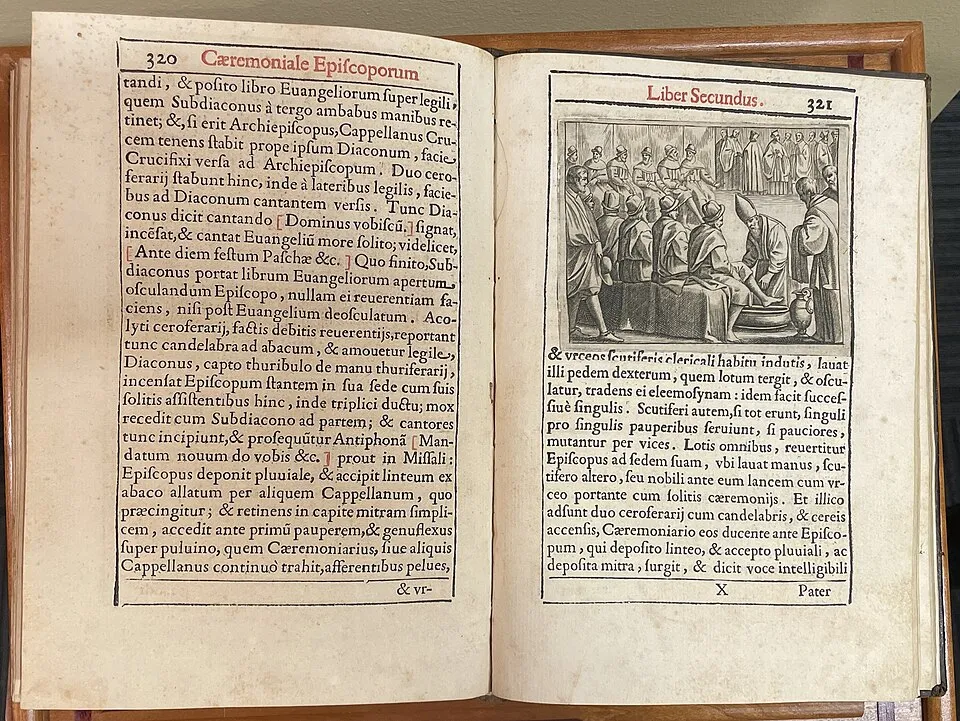
The history of Catholic art in Vietnam spans five centuries, beginning with European missionary icons and evolving through colonial influence, persecution, and modern revival. This trajectory reflects the broader story of Catholicism in the country, from its earliest introductions to its current vibrant presence.
15th Century Beginnings: Portuguese and French Missionary Icons
Catholicism arrived in Vietnam around the 15th century, carried by Portuguese and French missionaries who brought small devotional objects as tools for evangelization (southeastasianlives, 2019). These early artifacts included statues of saints, crucifixes, paintings of biblical scenes, and rosaries. The art was typically small-scale, portable, and designed for personal piety.
However, few of these original pieces survive today due to Vietnam’s tropical climate, which is harsh on organic materials, and centuries of historical disruption including wars and periods of persecution. The surviving fragments offer a glimpse into the visual culture that first accompanied the faith, heavily influenced by European styles of the time, particularly the Baroque and Renaissance aesthetics prevalent in Portuguese and French religious art of the 15th–16th centuries. These early icons served not only as objects of devotion but also as tangible connections to the wider Catholic world, bridging the geographical distance between Vietnam and Rome.
Colonial Era (19th–20th Centuries): French Gothic and Baroque Architecture
French colonial rule, which began in the mid-19th century and lasted until the mid-20th century, profoundly impacted Catholic art in Vietnam by introducing Western architectural styles on a large scale. During this period, churches were constructed with Gothic Revival and Baroque elements, importing not only building designs but also statues, paintings, and liturgical items from Europe. The colonial administration supported missionary activities, enabling the establishment of a permanent Catholic infrastructure.
This era saw the institutionalization of Western Catholic art forms within Vietnamese sacred spaces. While specific building names are not detailed in the available research, the general pattern is clear: colonial churches featured pointed arches, ribbed vaults, and stained glass reminiscent of European models, alongside imported sacred imagery.
Local artisans sometimes contributed to these projects, blending European motifs with indigenous craftsmanship, but the dominant aesthetic remained European. This period cemented a visual language that would later become the foundation for inculturation efforts.
Persecution and Resilience: Catholic Art Under Restriction
Throughout Vietnamese history, Catholic practice faced periods of severe restriction, forcing believers to develop resilient and often covert forms of artistic expression.
- Legal prohibitions: Decrees from Vietnamese authorities made Catholic worship illegal, mandating the destruction or concealment of religious symbols (PAA data).
- Missionary expulsion: Foreign missionaries, including Fr. Alexandre de Rhodes in the 17th century, were exiled, disrupting the flow of European artistic models (PAA data).
- Secret devotional art: Catholics created small, concealable artworks—such as miniature statues, hidden paintings, and embroidered images—to use in private prayer without detection.
These challenges did not eradicate Catholic art; instead, they fostered a culture of discretion and adaptation. Art became portable, hidden within everyday objects, and simplified to avoid drawing attention.
The resilience of these hidden traditions preserved core iconography and devotional practices, laying the groundwork for later public revival. The experience of persecution ingrained a deep appreciation for the freedom to create and display sacred art openly—a value that would re-emerge after the Đổi Mới reforms.
Post-Đổi Mới Revival: Increased Visibility and Community Art
The economic and social reforms known as Đổi Mới, initiated in 1986, opened Vietnam to greater religious freedom and international exchange. This political shift allowed Catholic communities to become more visible, leading to a resurgence of public church art. Churches that had been damaged or neglected were restored, new statues and paintings were commissioned, and community art projects flourished.
Local artists, no longer constrained by secrecy, could openly explore both traditional European forms and indigenous expressions. The revival was not merely a return to pre-persecution norms; it coincided with the global momentum of inculturation following the Second Vatican Council, encouraging Vietnamese Catholics to infuse their art with local cultural elements. This period marked a transition from survival to celebration, as Catholic art moved from hidden corners into the public square, enriching the visual landscape of Vietnamese parishes and contributing to a renewed sense of identity.
Inculturation: Adapting Catholic Art to Vietnamese Aesthetics
Inculturation, especially after the Second Vatican Council, has been the driving force behind the adaptation of Catholic art to Vietnamese aesthetics, creating a unique fusion of faith and culture. This process involves more than superficial decoration; it seeks to express Catholic truths through forms that resonate deeply with Vietnamese cultural memory and artistic traditions.
Second Vatican Council: Catalyst for Localization
The Second Vatican Council (1962–1965) was a pivotal moment for Catholic art worldwide, including in Vietnam. The council’s documents emphasized the importance of inculturation—the process by which the Christian message is expressed in the language, symbols, and artistic forms of a particular culture, including the sound of sacred music in Vietnamese churches (academia.edu, n.d.).
For visual arts, it opened the door for artists to draw upon their cultural heritage when depicting sacred themes. The council’s call to respect and engage with local traditions gave Vietnamese Catholic artists both permission and encouragement to explore how their unique cultural context could enrich the Church’s artistic legacy. This theological shift was essential: it redefined inculturation not as a compromise but as a means of making the faith more authentically present in every culture.
Integrating Vietnamese Cultural Symbols: Local Saints and Cultural Elements
In practice, inculturation has led to the emergence of Catholic art that bears the imprint of Vietnamese aesthetics. While specific motifs like dragons or lotuses are not documented in the provided data, the general trend is clear: artists incorporate elements that speak to Vietnamese identity.
- Vietnamese facial features: Statues and paintings of Jesus, Mary, and saints often depict them with gentle Vietnamese facial features, making the sacred figures more relatable to local believers.
- Local saints: Artwork frequently features Vietnamese Catholic figures, most notably Cardinal Nguyễn Văn Thuận, who was declared venerable by Pope Francis in 2017. His life and writings inspire many contemporary works.
- Traditional materials and techniques: Artists employ local crafts such as lacquerware, silk painting, and woodcarving, merging these time-honored skills with Catholic iconography.
These adaptations go beyond mere aesthetics; they communicate a theological truth: the Catholic faith is not foreign to Vietnam but belongs to the Vietnamese people. By seeing themselves reflected in sacred art, believers experience a deeper connection to the mysteries depicted. The focus on local saints like Cardinal Nguyễn Văn Thuận also roots the global story of sanctity in Vietnamese soil, demonstrating that holiness can flourish within the nation’s cultural context and celebrating saints and national identity.
The CBCV’s Role in Fostering Inculturated Art
The Catholic Bishops’ Conference of Vietnam (CBCV) plays a central role in promoting inculturated art through institutional support and education. The CBCV organizes seminars, publishes resources, and encourages artists to explore the intersection of faith and culture. Most significantly, the CBCV oversees a vast network of 8 regional major seminaries that provide priestly formation for 11,713 seminarians across 26 dioceses (CBCV, 2026).
Within these seminaries, art education—including iconography, painting, and sculpture—is often integrated into the curriculum. This ensures that future clergy not only appreciate inculturated art but also can guide their parishes in commissioning and displaying works that resonate with Vietnamese identity. The scale of seminary formation is impressive: with over eleven thousand seminarians in training, the pipeline for artistically literate leaders is robust.
The CBCV’s commitment to inculturation extends to official events and publications, which frequently highlight the importance of cultural adaptation in evangelization. By nurturing both artists and future priests, the CBCV sustains a living tradition that bridges the universal Church with Vietnam’s unique heritage.
Contemporary Vietnamese Catholic Art: From Etsy to Global Exhibitions
Contemporary Vietnamese Catholic art thrives in both digital marketplaces and major exhibitions, reflecting a vibrant blend of tradition and innovation. Today’s artists are not only preserving heritage but also pushing boundaries, reaching audiences far beyond Vietnam’s borders.
Etsy’s Handmade Vietnamese Catholic Art: Market and Styles
Online platforms like Etsy have become vital venues for Vietnamese Catholic artists to showcase and sell their work globally. A search for “Catholic Art From Vietnam” reveals a diverse marketplace where artisans offer handcrafted items that merge Catholic themes with Vietnamese artistic sensibilities.
- Product types: The range includes hand-painted icons, wooden statues, embroidered banners, liturgical vestments, and decorative household items.
- Artistic fusion: Artists combine traditional Vietnamese crafts—such as lacquer painting, silk embroidery, and ceramic work—with Catholic iconography. For example, a statue of Mary might be carved in local wood and adorned with patterns inspired by Vietnamese textiles.
- Global reach: Etsy enables these artists to connect with international customers, spreading awareness of Vietnamese Catholic art and providing a sustainable income source.
This digital marketplace democratizes access, allowing individual artisans to bypass traditional galleries and reach collectors directly. The styles vary from reverent traditionalism to contemporary abstraction, but all share a commitment to expressing faith through culturally resonant forms. The success of these shops demonstrates that there is a global appetite for authentic, inculturated sacred art.
The 2024 Art Exhibition: “The History of the Catholic Church in Vietnam”
In 2024, a major art exhibition titled “The History of the Catholic Church in Vietnam” captivated audiences in a major city (likely Hanoi or Ho Chi Minh City). The exhibition used a multimedia approach—paintings, sculptures, video installations, and historical artifacts—to narrate the journey of Catholicism in Vietnam from the 15th century to the present. It served as both a historical retrospective and a celebration of contemporary Vietnamese Catholic artistic talent.
The show highlighted key moments such as the arrival of missionaries, periods of persecution, and the post-Đổi Mới revival, giving visitors a visual timeline of the faith’s evolution. By bringing together works from both established and emerging artists, the exhibition underscored the dynamic nature of Catholic art in Vietnam—how it remembers its past while innovating for the future. The event attracted significant media attention and drew large crowds, indicating strong public interest in this niche of cultural heritage.
Seminaries as Hubs for Artistic Training: 11,713 Seminarians in 26 Dioceses
The sustainability of inculturated Catholic art in Vietnam is closely tied to the formation provided by the CBCV’s seminary system. These institutions are not only centers of theological education but also hubs for artistic training.
| Category | Value |
|---|---|
| Number of regional major seminaries | 8 |
| Total seminarians (2026) | 11,713 |
| Number of dioceses covered | 26 |
Many seminaries include courses in sacred art, iconography, and liturgical design as part of their curriculum. Seminarians learn both the technical skills of drawing and painting and the theological principles that undergird Catholic imagery. This ensures that future priests can collaborate effectively with artists, guide parish art commissions, and appreciate the cultural nuances of inculturated works.
With over eleven thousand seminarians in formation, the potential impact on the next generation of church art is enormous. These future leaders will carry forward the vision of a Catholic art that is both authentically Vietnamese and universally Christian, supporting local artists and integrating meaningful aesthetics into worship spaces across the country.
Vietnamese Catholic art stands as a testament to faith adapting across cultures, merging European iconography with indigenous elements to create a distinct heritage. The Catholic Bishops’ Conference of Vietnam continues to nurture this tradition through its extensive seminary network and cultural initiatives.
To explore more about Catholic culture in Vietnam, visit the Catholic culture section on the CBCV website. You can also discover authentic works by Vietnamese Catholic artists on platforms like Etsy, supporting the living tradition of sacred art.
Frequently Asked Questions About Catholic Art
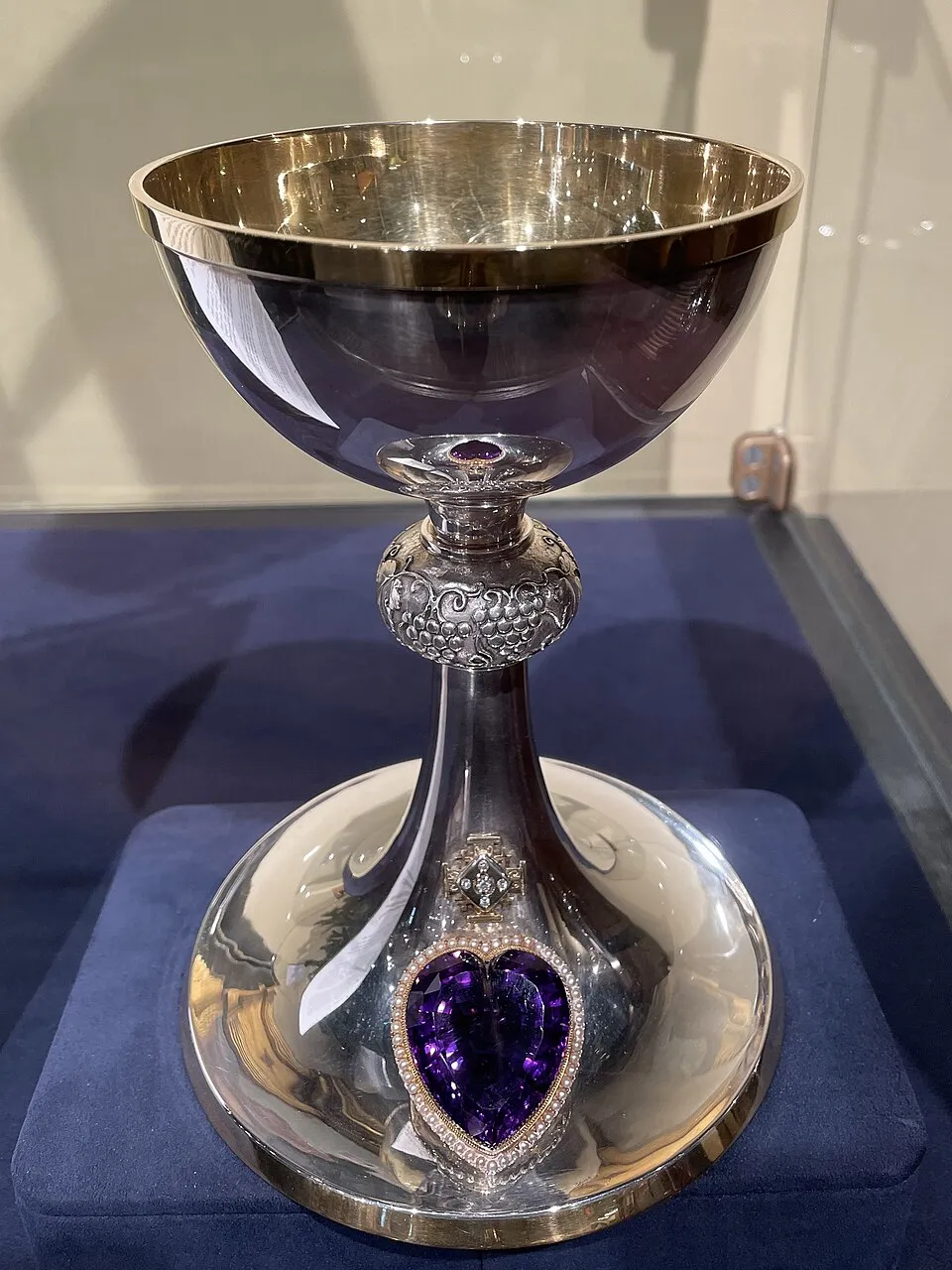
Is Nguyen Van Thuan a saint?
He died in Rome at age 74 in 2002, and his cause for canonization began soon after. He was declared venerable by Pope Francis in 2017. Van Thuan's rules began with the Catholic community that nurtured him.
Is it okay to be Catholic in Vietnam?
Vietnamese authorities issued decrees that made the practice of the Catholic faith illegal, and they forced foreign missionaries into exile. (Fr. Alexandre de Rhodes, for example, was taken out of prison and forced to leave the country.
How many Vietnamese bishops are there in the USA?
While the three Vietnamese bishops have been serving as auxiliaries for their respective diocese, on July 17, 2025, the Most Reverend Michael M. Pham was installed as the seventh Bishop of the San Diego Diocese. He is the first Vietnamese bishop to have this position.
What does 888 mean in Vietnam?
The number 8 is considered lucky in Vietnam. So 888 means prosperity, wealth, and good luck.