The 117 Vietnamese Martyrs stand at the heart of Catholic national traditions in Vietnam, where faith and cultural identity intertwine. These martyrs, canonized as national saints, are honored annually, reinforcing both religious devotion and Vietnamese pride.
Vietnamese Catholics also blend Catholic practices with national holidays like Tet, creating a unique expression of faith that respects cultural heritage. This article explores how these traditions strengthen community and identity.
- The 117 Vietnamese Martyrs are central to national Catholic identity, celebrated for their sacrifice and legacy.
- Inculturation allows Vietnamese Catholics to integrate practices like ancestor veneration and Tet celebrations within Catholic doctrine.
- Devotions such as Our Lady of La Vang and the cause of Cardinal Nguyễn Văn Thuận highlight the ongoing story of sanctity in Vietnam.
The 117 Vietnamese Martyrs: National Saints and Catholic Identity
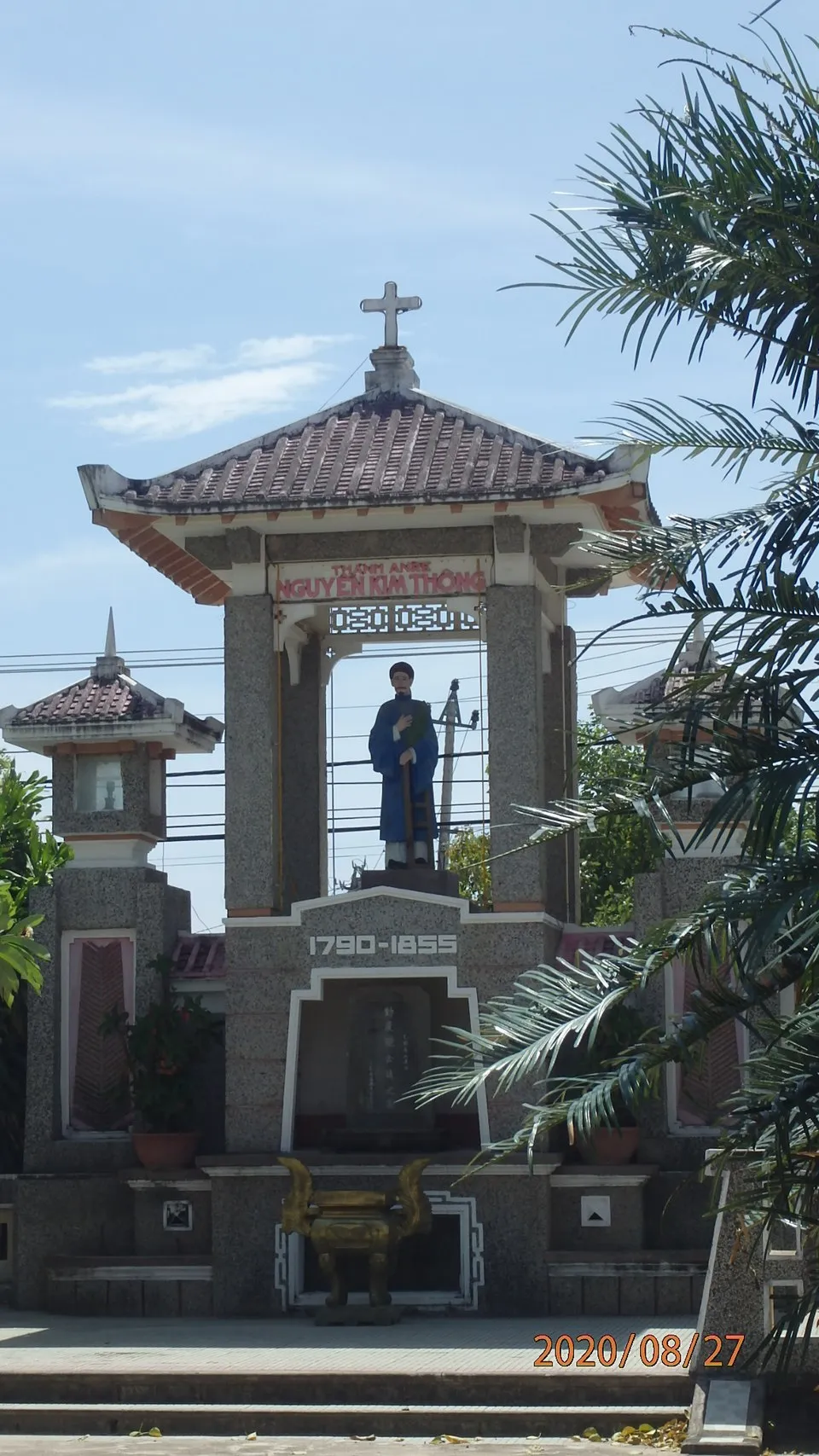
The 117 Vietnamese Martyrs: Who They Were and Why They Matter
The 117 Vietnamese Martyrs represent a diverse group of clergy, laity, and missionaries—both Vietnamese and foreign—who died for their faith between the 16th and 19th centuries. Their canonization as saints recognized their ultimate witness to Christianity in Vietnam. These martyrs include bishops, priests, catechists, and ordinary believers who faced persecution for practicing their faith.
Their legacy is not just religious but deeply national, as they are seen as heroes who upheld Vietnamese identity under foreign rule and local oppression. By honoring them, Vietnamese Catholics connect their faith with their country’s history and cultural resilience. The martyrs’ story shows how Catholic identity can merge with national pride, creating a unique Vietnamese expression of universal Catholic values.
The martyrs were canonized by the Catholic Church, acknowledging their sanctity. They are celebrated on November 24 each year, though the exact date may vary in local calendars. Their inclusion of both Vietnamese and foreign missionaries highlights the universal nature of the Church while rooting it in Vietnamese soil.
The martyrs’ courage during times of persecution inspired subsequent generations to maintain their faith despite challenges. Today, they serve as intercessors and models for Vietnamese Catholics, reminding them of the cost of discipleship and the beauty of combining faith with cultural belonging.
Their feast day is a major event in the Vietnamese Catholic calendar, uniting the community in shared memory and devotion. As patron saints of Vietnam, they embody the fusion of religious conviction and national heritage, making them a powerful symbol for Catholics across the country.
How Vietnamese Catholics Celebrate the Martyrs’ Feast Day
The feast day of the 117 Vietnamese Martyrs is marked by vibrant celebrations across Vietnam’s dioceses. Key rituals include:
- Liturgical services: Special Masses and prayers are held in parishes, often with readings and hymns in Vietnamese that recount the martyrs’ stories.
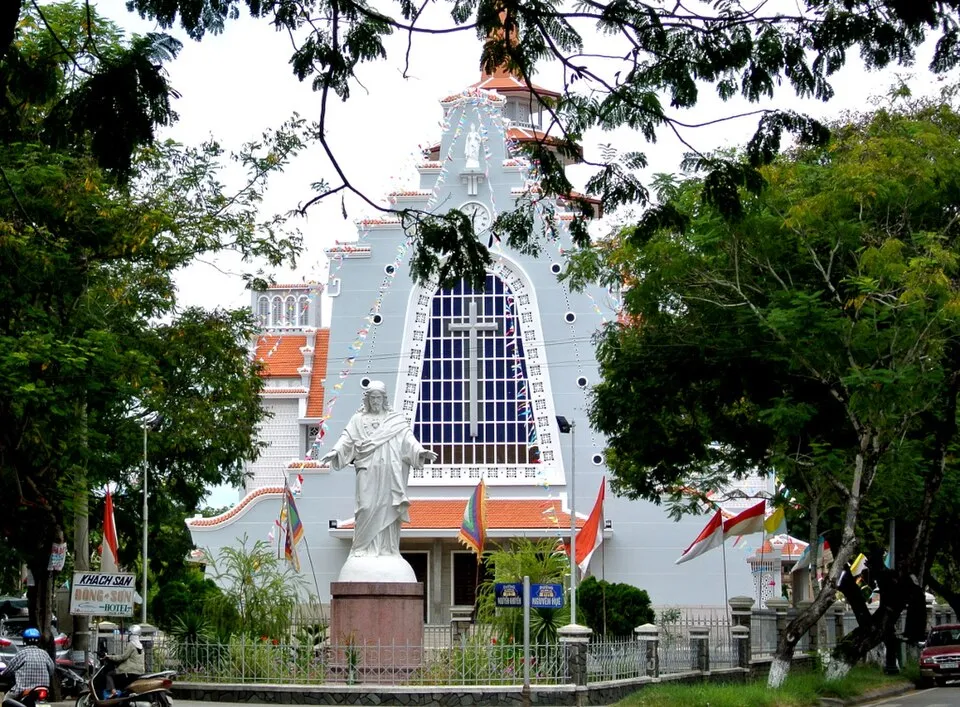
- Processions: Many communities organize processions with statues or icons of the martyrs, walking through streets as a public witness of faith. These often start or end at historic churches, whose church architecture in Vietnam reflects the blend of local and European styles.
- Family gatherings: Families come together for festive meals, sharing stories of the martyrs and their significance for Vietnamese identity.
- Community events: Dioceses host cultural programs, lectures, and charitable activities to honor the martyrs’ legacy of service.
These celebrations blend Catholic liturgy with Vietnamese cultural expressions, such as traditional music and decorations. The events reinforce communal bonds and national pride, as participants remember how the martyrs’ sacrifice strengthened the Church in Vietnam.
The feast day is not only a religious observance but also a cultural affirmation, showing how Catholic traditions can be authentically Vietnamese. The martyrs’ example encourages Catholics to live their faith courageously in contemporary society, drawing strength from their heritage.
The Martyrs’ Legacy: Strengthening Faith and National Pride
The legacy of the Vietnamese Martyrs extends far beyond their historical moment. They inspire contemporary Catholics to live their faith with courage and integrity, especially in a society where religious practice can face challenges. Their story fosters a sense of national identity that is proudly Catholic, countering any notion that faith is foreign.
Church teachings frequently reference the martyrs as examples of holiness and perseverance. In community life, their memory is kept alive through devotions, place names (like churches and schools), and annual celebrations. This enduring legacy helps Vietnamese Catholics navigate the balance between being fully Vietnamese and fully Catholic, showing that the two can enrich each other.
The martyrs thus remain a source of unity and strength for the Church in Vietnam today.
Their canonization in 1988 by Pope John Paul II was a moment of national celebration, affirming the Vietnamese Church’s place within the global Catholic community. The martyrs’ diverse backgrounds—including both Vietnamese believers and foreign missionaries—demonstrate that sanctity knows no boundaries.
Their feast day serves as an annual reminder that faith can flourish even under persecution, and that cultural identity and religious commitment are not opposing forces but complementary. For Vietnamese Catholics, the martyrs are not just historical figures; they are spiritual companions who intercede for the nation and model a life of radical discipleship rooted in local context.
Inculturation in Action: Vietnamese Catholic Traditions and National Celebrations
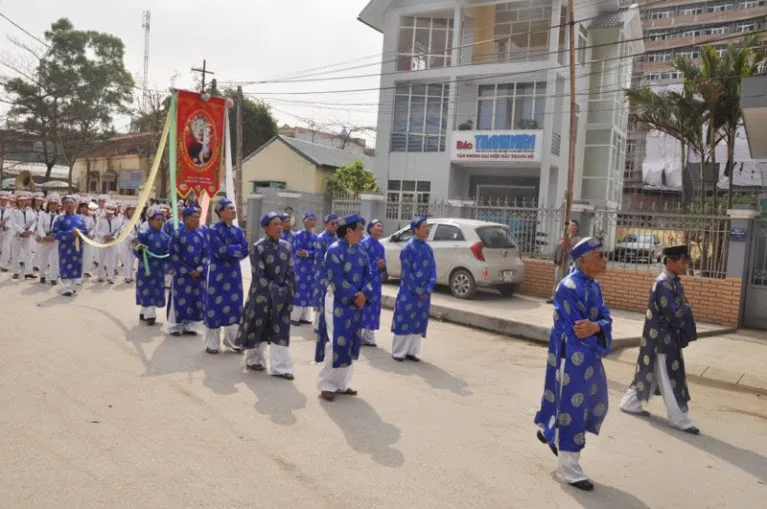
What is the Catholic tradition in Vietnam? Key Practices and Meanings
Vietnamese Catholic traditions uniquely blend universal Catholic practices with local cultural customs. Key areas include:
- Ancestor veneration during Lunar New Year: Families visit ancestral graves and home altars, offering prayers and incense while incorporating Catholic elements like the Sign of the Cross.
- Funerals: Catholic funerals include traditional Vietnamese rites, such as chanting and offerings, adapted to express hope in resurrection.
- Death anniversaries: Families gather to pray for deceased loved ones, often with a Mass, combining Catholic remembrance with Vietnamese customs of honoring ancestors.
- Marriages: Wedding ceremonies blend Catholic sacramental rites with traditional Vietnamese practices, like the tea ceremony and family blessings.
These practices demonstrate how Vietnamese Catholics have inculturated their faith, making it resonate with cultural heritage. For a comprehensive overview, see Catholic traditions in Vietnam. This integration allows Catholics to maintain cultural identity while fully participating in Church life, showing that tradition and faith can coexist harmoniously.
This inculturation process vividly illustrates the intersection of faith and culture in Vietnamese Catholic life. It reflects the Church’s teaching that the Gospel can be expressed through diverse cultural forms, as long as core doctrines are preserved.
These practices are part of the broader Catholic cultural practices that shape daily life, from home altars to seasonal celebrations. The result is a vibrant faith that feels both universally Catholic and distinctly Vietnamese.
Tet and Catholic Traditions: Celebrating Lunar New Year with Faith
Tet, the Vietnamese Lunar New Year, is a major celebration where Catholic traditions shine. Vietnamese Catholics attend Mass on New Year’s Eve and New Year’s Day, asking God’s blessing for the coming year. Families gather for prayers, often including the rosary, and share festive meals.
A significant practice is visiting ancestors’ graves to clean and pray, which is adapted from traditional customs but given Christian meaning. Catholic symbols like crucifixes and images of saints are placed alongside traditional Tet decorations such as peach blossoms and sticky rice cakes. This blending creates a unique Tet experience that honors both cultural roots and Catholic faith.
The celebration reinforces family bonds and cultural identity, showing how national holidays become opportunities for deeper religious expression. For many, Tet is a time to renew their commitment to both their Vietnamese heritage and their Catholic community.
The celebrations are enriched by sacred music in Vietnamese churches, which combines traditional melodies with Catholic hymns.
This musical inculturation adds a distinct local flavor to liturgical celebrations. Additionally, many families incorporate special Tet prayers that ask for the intercession of the Vietnamese Martyrs and Our Lady of La Vang, linking the holiday to the broader Catholic tradition.
The practice of exchanging greetings with biblical blessings, such as “Chúc Mừng Năm Mới” (Happy New Year) with references to God’s grace, further integrates faith into the cultural celebration. Tet thus becomes a powerful expression of how Catholic national traditions can thrive within a strong cultural framework.
Our Lady of La Vang: Vietnam’s Marian Heritage and National Devotion
Our Lady of La Vang refers to an apparition of the Virgin Mary reported in 1798 in Quảng Trị province. The shrine of La Vang has become a national pilgrimage site, drawing Catholics from across Vietnam and the diaspora. Annual pilgrimages, especially on September 8 (the feast of Our Lady of La Vang), attract hundreds of thousands who come to pray, give thanks, and seek Mary’s intercession.
The devotion is deeply Vietnamese, with local elements like the use of banana leaves in the original apparition story. It serves as a symbol of national faith, uniting Vietnamese Catholics in shared Marian piety. The shrine’s significance was recognized by Pope Francis in 2025 when he granted special indulgences for pilgrims, highlighting its importance for the universal Church.
Our Lady of La Vang embodies how Marian devotion can be inculturated, becoming a source of both spiritual nourishment and national pride.
Devotional art, such as statues and paintings of Our Lady of La Vang, exemplifies Catholic art in Vietnam that blends local aesthetics with Marian imagery. The shrine itself is a architectural landmark, combining traditional Vietnamese design with Catholic symbolism.
The story of Mary appearing to persecuted Catholics in the jungle resonates deeply with Vietnam’s history of struggle and resilience. For Vietnamese Catholics, La Vang is not just a Marian shrine; it is a national sanctuary that represents Mary’s special care for Vietnam. The devotion fosters a sense of belonging to both the global Church and the Vietnamese nation, demonstrating how Catholic traditions can become deeply embedded in local culture while remaining fully Catholic.
Is Nguyen Van Thuan a Saint? The Canonization Cause of a Vietnamese Cardinal
Cardinal Nguyễn Văn Thuận (1928–2002) is a prominent figure in modern Vietnamese Catholic history. He died in Rome in 2002, and his cause for canonization began soon after. In 2017, Pope Francis declared him Venerable, a key step toward sainthood that recognizes his heroic virtue.
Cardinal Thuận is known for his faith and resilience during years of imprisonment in Vietnam, where he secretly continued his pastoral work. His cause matters deeply for Vietnamese Catholics, as he represents sanctity in the contemporary context and the global Vietnamese diaspora. If canonized, he would become Vietnam’s second native-born saint after the 117 Martyrs.
His life inspires Catholics to live their faith with courage and hope, regardless of circumstances. The ongoing process keeps his memory alive and encourages the faithful to pray for his eventual beatification and canonization.
Cardinal Thuận’s legacy extends beyond his personal holiness.
He authored influential spiritual writings, including “The Road of Hope,” which offers guidance on finding meaning in suffering. His cause for canonization has been promoted vigorously by the Catholic Bishops’ Conference of Vietnam, underscoring his importance for the nation’s Catholic identity. The faithful often invoke his intercession, particularly for those facing persecution or hardship.
His story also highlights the global reach of Vietnamese Catholicism, as he served in the Vatican after his release. The canonization process, while lengthy, reflects the Church’s recognition that sanctity can flourish in any cultural context, including modern Vietnam. For Vietnamese Catholics, Cardinal Thuận is a contemporary witness to the enduring power of faith in the face of adversity.
The dynamic interplay between faith and culture in Vietnam shows how Catholic traditions can be deeply inculturated without compromising doctrine—a model for the global Church. A surprising insight is how ancestor veneration, often seen as incompatible with Catholicism, is adapted to express Christian beliefs about the communion of saints and the resurrection. This purification of cultural practices gives them new meaning within Catholic spirituality.
For more on these themes, explore the Catholic Bishops’ Conference of Vietnam website (cbcvietnam.org). To learn about the official page on the Martyr Saints of Vietnam, visit their dedicated section.
For deeper insights into Catholic culture, see our comprehensive guide. The Vietnamese experience, within Catholic culture in Vietnam, demonstrates that faith and national identity can enrich each other, offering a powerful witness in today’s world.
Frequently Asked Questions About Catholic National Traditions
What country is 100% Catholic?
The country with the largest percentage of its population having membership in the church is Vatican City at 100%, followed by Timor-Leste at 97%. According to the World Christian Database, there are 1.279 billion Catholics worldwide as of 2026, which constitute 47.8% of 2.674 billion Christians.
Why is Vietnam on the special watch list?
The Vietnamese government is “engaging in and tolerating systematic, ongoing, egregious religious freedom violations”, according to the US Commission on International Religious Freedom.