Catholic doctrine defines marriage as a sacred covenant between a man and a woman, fundamentally ordered towards the unitive good of the spouses and the procreation and education of children. This understanding, rooted in Scripture and tradition, forms the bedrock of Catholic teaching on the family, with core tenets explained in Catholic doctrine articles.
For Vietnamese Catholics, this doctrine is lived out through specific pastoral guidance that integrates universal Church law with local cultural expressions. This article examines the theological foundations of Catholic marriage as a sacrament, outlines its essential requirements, and explores how the Catholic Bishops’ Conference of Vietnam (CBCV) applies these teachings in pastoral practice today.
- Catholic marriage is a sacrament that establishes a sacred covenant ordered toward the unitive good of spouses and the procreation and education of children.
- A valid Catholic marriage requires four elements: freedom to marry, free consent, intention for life/fidelity/children, and canonical form.
- Pastoral applications in Vietnam, guided by the CBCV, emphasize sacramental preparation, indissolubility, and integration of Church law with local cultural traditions.
Catholic Marriage Doctrine: Sacrament, Covenant, and Divine Purpose
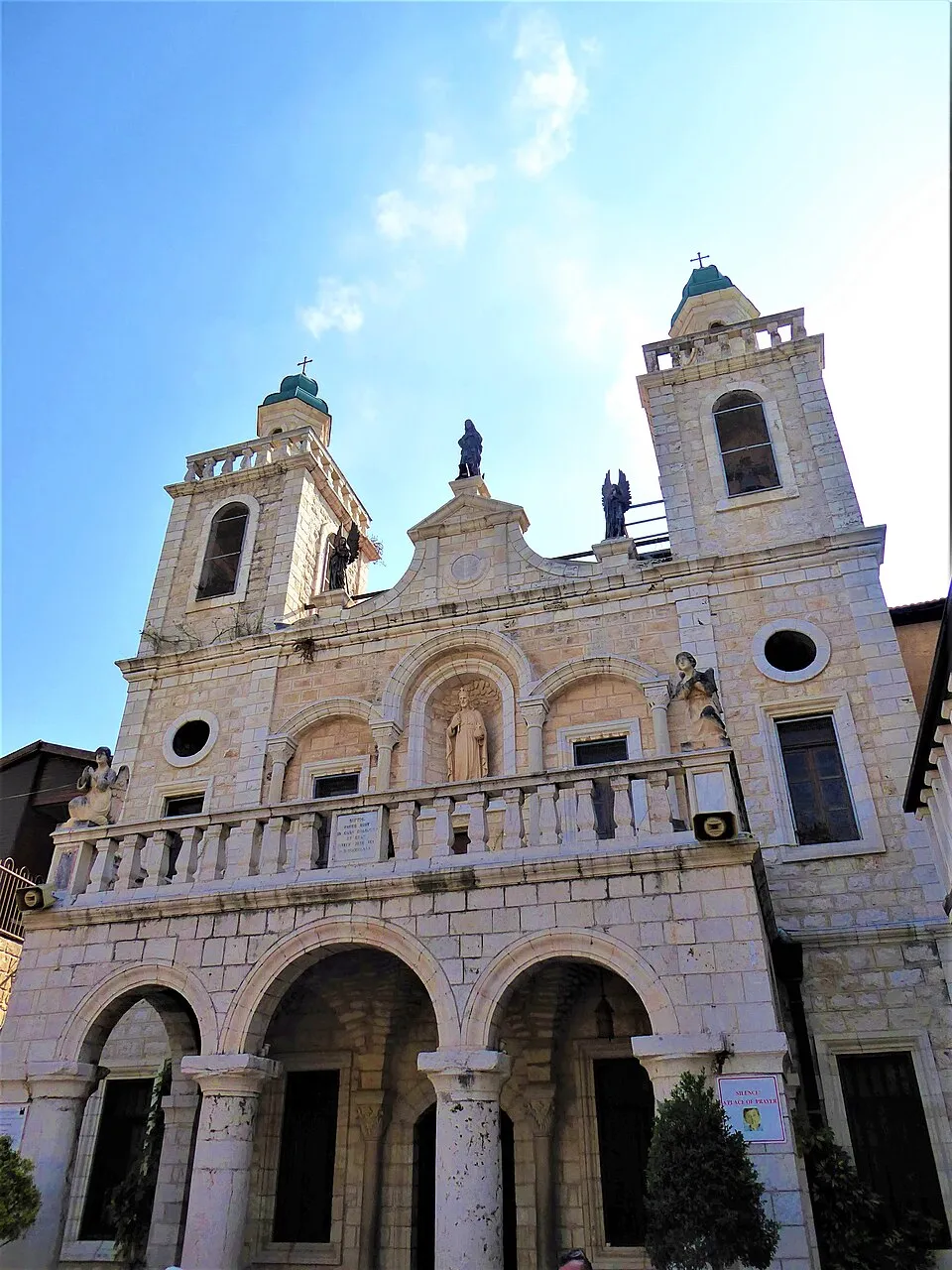
The Catholic Church’s teaching on marriage rests on its identity as a sacrament—a visible sign of God’s love that confers grace. This section explores the core theological concepts that define Catholic marriage: its essential elements for validity, its sacramental nature, and its twofold purpose of unity and procreation.
The Four Essential Elements for a Valid Catholic Marriage
- Freedom to marry: Both parties must be free from any impediment (e.g., prior bond, holy orders, or vow of chastity) and not under coercion.
- Free exchange of consent: The spouses must freely and consciously consent to marry each other without reservation.
- Intention for life, fidelity, and children: They must intend to marry for life, to remain faithful, and to be open to the education of children.
- Canonical form: The marriage must be celebrated in the presence of the Church’s minister (usually a priest or deacon) and at least two witnesses.
These four elements, derived from canon law and Church teaching, ensure that a Catholic marriage is both morally and canonically valid, protecting the dignity of the sacrament. The United States Conference of Catholic Bishops (USCCB) emphasizes that these requirements safeguard the couple’s free commitment to a lifelong, faithful, and life-giving union.
The Sacramental Nature of Marriage: Grace and Covenant
The Catholic Church teaches that marriage is one of the seven sacraments, a visible sign of God’s love that confers grace on the spouses. According to the Vatican’s document on the sacrament of matrimony, marriage is “raised by Christ the Lord to the dignity of a sacrament between the baptized.” This means the marital bond itself becomes a channel of divine grace, strengthening the couple to live out their vocation.
As a covenant, marriage reflects the mystical union between Christ and the Church. This biblical imagery, found in Ephesians 5, presents marriage as a sign of faith and love.
The covenant is not merely a contract but a sacred partnership that mirrors God’s steadfast love. This understanding makes marriage indissoluble—rooted in the unbreakable bond between Christ and His people.
The Twofold Purpose: Unity and Procreation in Catholic Teaching
Catholic doctrine defines marriage as fundamentally ordered toward two inseparable ends: the unitive good of the spouses and the procreation and education of children. The unitive aspect encompasses the emotional, spiritual, and physical intimacy that builds a deep partnership. The procreative aspect affirms the inherent connection between the marital act and the potential for new life, extending to the upbringing and education of children.
The Church rejects any attempt to prioritize one purpose over the other. As the USCCB explains, separating unity from procreation distorts the nature of marriage.
Both purposes are essential and work together to fulfill the sacrament’s divine plan. This teaching challenges modern cultural trends that redefine marriage primarily as an emotional bond or a social arrangement, excluding its inherent orientation toward family life.
Inculturation in Catholic Marriage Theology: Principles and Practices
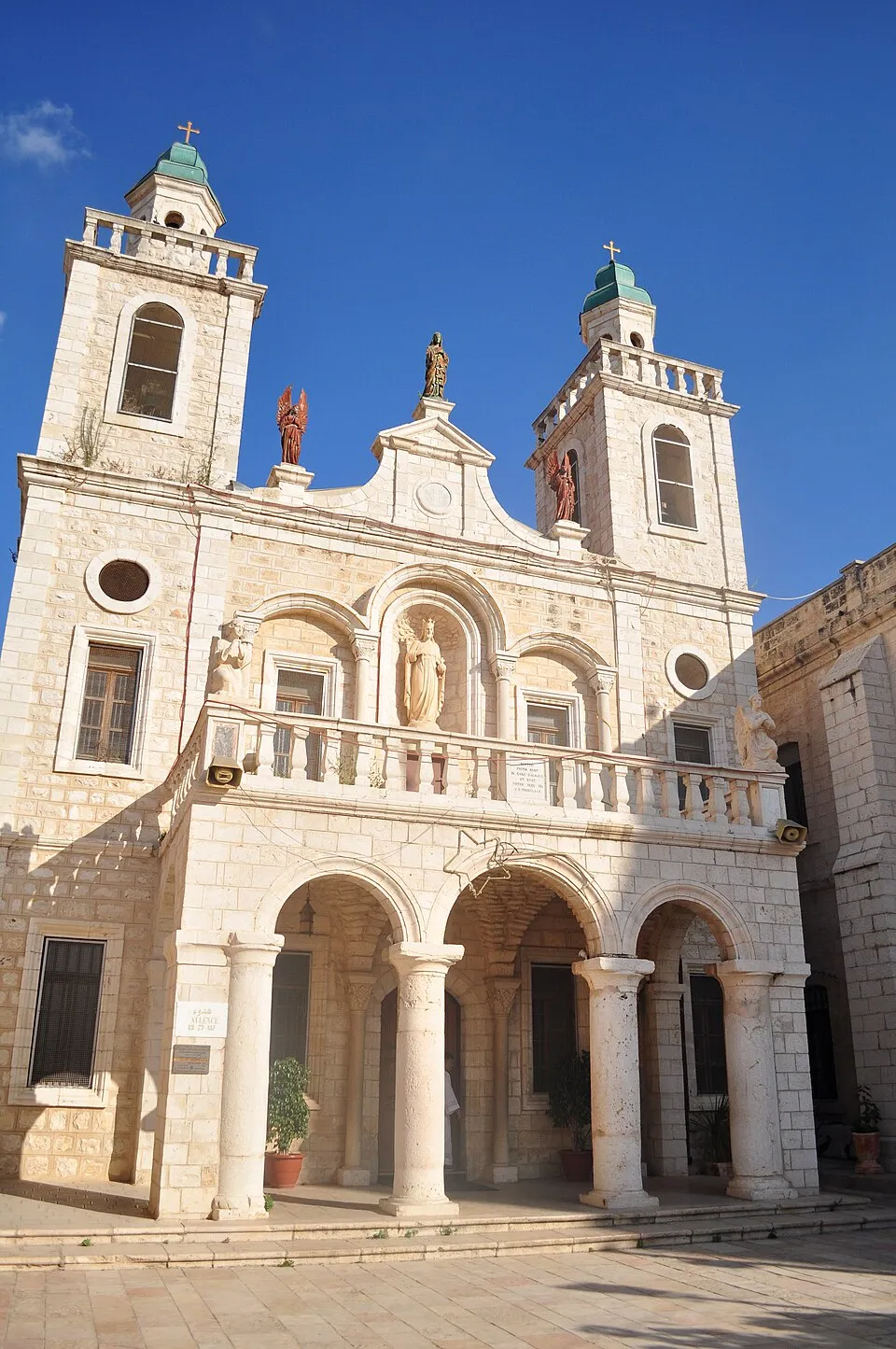
Inculturation is a key concept in modern Catholic theology, especially in how doctrine is expressed in diverse cultural contexts. This section defines inculturation, outlines its theological boundaries, and shows how it shapes marriage rites and pastoral life, with particular attention to Vietnam.
What is Inculturation? Theological Foundations and Boundaries
Inculturation refers to the process by which the Gospel is adapted to different cultural contexts while preserving its core message. It has become a central term in mission theology, emphasizing that the Christian faith must be lived and expressed within local cultures. The Catholic Theological Union in Chicago is a leading institution for studying inculturation and its application in pastoral theology.
The Church makes a crucial distinction between unchangeable doctrines and adaptable disciplinary practices. Doctrines such as the indissolubility of marriage and its twofold purpose are immutable.
However, practices like wedding rites, catechetical methods, and devotional expressions can be inculturated. This allows for cultural expressions that remain faithful to core teachings while resonating with local traditions and sensitivities.
Inculturation in Marriage Rites: Adapting Ceremonies and Pastoral Life
Inculturation allows for the incorporation of local symbols, music, and customs into the wedding liturgy, provided they do not contradict the sacrament’s meaning. For example, in many Asian contexts, elements like traditional tea ceremonies or family blessings are integrated into the Catholic wedding ceremony, creating a rich blend of faith and culture.
In Vietnam, pastoral applications emphasize the integration of Church law with local cultural traditions. The Catholic Bishops’ Conference of Vietnam (CBCV) encourages adaptations that honor Vietnamese family values while maintaining sacramental integrity.
Marriage preparation programs are also inculturated to address specific cultural challenges, such as those faced by migrant couples who may be separated from extended family support systems. Research from sources like ResearchGate highlights how such programs are tailored to local needs, making doctrine more accessible and lived.
Pastoral Applications: Preparation, Indissolubility, and Church Guidance
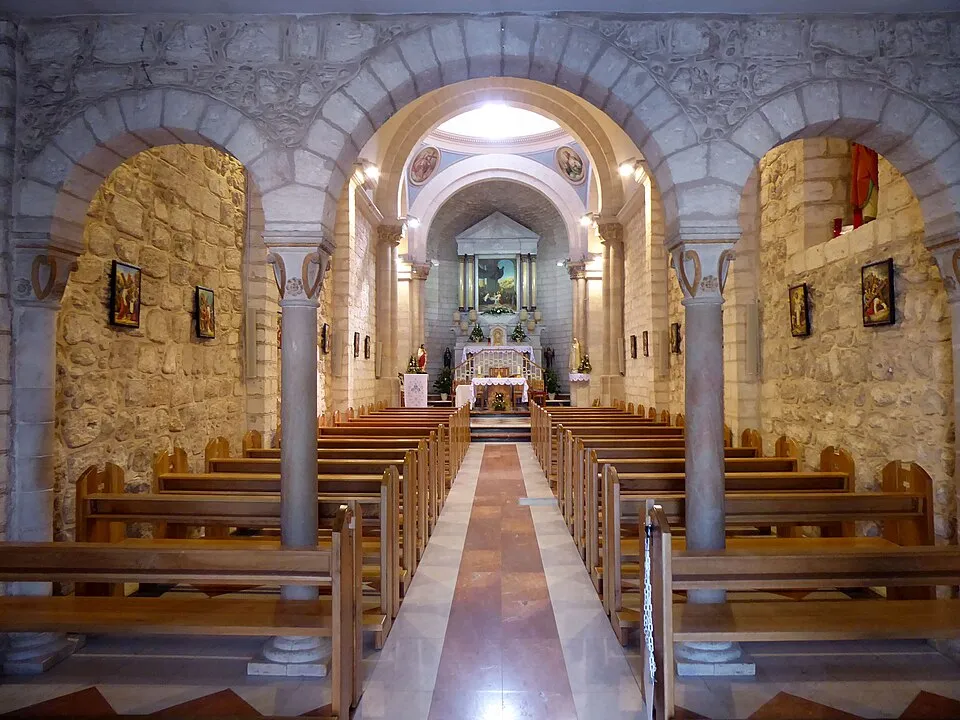
Doctrine is not merely theoretical; it must be lived. This section details the practical pastoral applications of Catholic marriage teaching, drawing from Catholic pastoral guides to focus on preparation requirements, the doctrine of indissolubility, psychological insights for couples, and the specific guidance offered by the CBCV to Vietnamese Catholic families.
Sacramental Preparation: Steps and Canonical Requirements
- Prenuptial counseling and courses: The Church requires thorough preparation, often including prenuptial counseling, a retreat, or a structured marriage preparation course. These programs cover theological foundations, communication skills, and practical aspects of married life.
-
Canonical form: The marriage must be celebrated in the presence of the local bishop or priest (or deacon with permission) and at least two witnesses.
This ensures the community witnesses and supports the covenant.
- Essential elements of consent: The couple must freely consent to the four essential elements: freedom to marry, lifelong commitment, fidelity, and openness to children. This consent is the “cause” of the sacrament.
- Documentation and dispensation: For mixed marriages (Catholic and non-Catholic baptized) or disparities of cult (Catholic and non-baptized), necessary permissions (dispensations) from the diocesan bishop must be obtained.
These steps, outlined by the USCCB and canon law, ensure that couples enter marriage with full understanding and freedom, laying a solid foundation for the sacrament.
Indissolubility of Marriage: Theological Meaning and Pastoral Care
Indissolubility means that a valid sacramental marriage cannot be dissolved except by death. This doctrine reflects Christ’s unbreakable bond with the Church, as expressed in Matthew 19:6: “What God has joined together, no human being must separate.” It is a fundamental aspect of marriage’s covenantal nature.
The Church offers pastoral care to couples facing difficulties, always upholding the indissolubility of marriage while providing mercy and support. This includes spiritual direction, counseling, and, when necessary, the process for declaring a marriage null (annulment) if a fundamental defect of consent or form existed from the beginning. In Vietnam, the CBCV emphasizes indissolubility in its pastoral letters, encouraging couples to seek reconciliation and support from their faith community rather than considering separation as a solution.
The Four Behaviors That Predict Divorce: Insights for Catholic Couples
- Criticism: Attacking the character of the spouse rather than addressing specific behaviors.
- Defensiveness: Making excuses or counterattacks instead of taking responsibility.
- Stonewalling: Withdrawing or shutting down during conflict, often seen as physiological flooding.
- Contempt: Disrespect, mocking, or disdain, which is the strongest predictor of divorce.
Relationship researchers, including John Gottman, identified these “Four Horsemen” as highly destructive to marital harmony.
Catholic marriage preparation and enrichment programs increasingly incorporate these psychological insights to help couples recognize and avoid these patterns. By combining theological teaching with practical communication strategies, the Church equips couples to build resilient marriages that reflect the Gospel.
Recent CBCV Pastoral Letters: Supporting Vietnamese Catholic Families
The Catholic Bishops’ Conference of Vietnam has issued joint pastoral letters on Christian marriage and family life, urging families to be “testimonies of the splendor of Christian marriage.” These documents provide authoritative guidance for Vietnamese Catholics, emphasizing the integration of sacramental preparation, the indissolubility of marriage, and the incorporation of healthy Vietnamese cultural values—such as respect for elders and extended family involvement—within a Catholic framework.
The most surprising insight is how seamlessly Catholic marriage doctrine integrates timeless theological principles with dynamic cultural adaptation, as seen in Vietnam’s inculturated pastoral practices. This balance allows the Church to maintain doctrinal integrity while speaking meaningfully to diverse communities. For Vietnamese Catholic couples, the immediate actionable step is to enroll in a CBCV-approved marriage preparation course, such as those offered in major dioceses, to gain a deeper understanding of both the sacrament’s meaning and the practical support available through pastoral resources and tools.
Frequently Asked Questions About Catholic Doctrine on Marriage
What are the 6 requirements for a Catholic marriage to be valid?
A valid Catholic marriage results from four elements: (1) the spouses are free to marry; (2) they freely exchange their consent; (3) in consenting to marry, they have the intention to marry for life, to be faithful to one another and be open to children; and (4) their consent is given in the canonical form.
What happens at 3am Catholic?
Church teaching says nothing about the time of 3 a.m. However, in popular culture it has become known as the “devil’s hour.” This is because Gospel tradition reports that Jesus died at 3 p.m., and so—because the devil likes to mock God— the inverse hour of 3 a.m.
What are the four behaviors that cause 90% of all divorces?
Relationship researchers, including John Gottman, have identified four powerful predictors of divorce: criticism, defensiveness, stonewalling, and contempt. These behaviors are sometimes called the “Four Horsemen” of relationships because of how destructive they are to marriages.
What did Billy Graham say about Catholics?
Whatever the case, Graham at least tipped his hand when he remarked, “I feel much closer to Roman Catholic tradition than to some of the more liberal Protestants.” Billy Graham has passed, and we mourn him as we mourn all the dead; we pray for him as we pray for all the dead.