Title: Charity and Social Justice: A Unified Vision for Vietnam’s Catholic Community
Meta description: Discover the unified vision of charity and social justice in Vietnam’s Catholic Church, as guided by the CBCV’s structure, history, and 2025 pastoral message.
Keywords: [“charity and social justice”, “CBCV”, “Vietnamese Catholic Church”, “27 dioceses”, “pastoral message”, “integrated ministry”, “Catholic social teaching”]
Tags: [“Catholic Bishops’ Conference of Vietnam”, “Vietnam”, “Catholic Church”, “27 Dioceses”, “Martyr Saints of Vietnam”, “Caritas Vietnam”, “Laudato Si'”]
Content:
The Catholic Bishops’ Conference of Vietnam (CBCV) provides a unified framework for integrating charity and social justice across its 27 dioceses, coordinating pastoral initiatives that combine direct aid with systemic change. This integrated vision is clearly articulated in official messages, most recently the December 2025 pastoral letter calling the Church to a “path of conversion and to a strong…” communal witness. Through its national structure, the CBCV equips local parishes to address both immediate needs and the root causes of poverty, embodying a holistic Catholic social teaching that transcends traditional divides between relief and development.
- The CBCV is the official assembly of all active and retired bishops in Vietnam, re-founded in 1980 to unify the Church’s social mission.
- Its structural reach includes 27 dioceses and 2,228 parishes, serving approximately 7 million Catholics nationwide.
- Current integration efforts are framed by the December 2025 pastoral message emphasizing a “path of conversion and to a strong…” communal witness.
- Historical roots trace back to the 16th century, with Martyr Saints of Vietnam models of integrated faith and service.
CBCV’s Structural Framework for Charity and Social Justice Ministry

What is the Vietnamese Conference of Catholic Bishops?
The Vietnamese Conference of Catholic Bishops (CBCV) is the official assembly of all active and retired bishops in Vietnam, including diocesan, coadjutor, and auxiliary bishops. It was initially created in the 1960s to serve South Vietnam and was officially re-founded in 1980 following the country’s reunification. This re-founding established a single episcopal conference for the entire nation, enabling unified governance and pastoral coordination.
The CBCV promotes communion among the bishops, fosters collaboration across dioceses, and directs pastoral initiatives that integrate charitable works with social justice advocacy. Its structure ensures that all 27 dioceses operate under a common vision for the Church’s mission in Vietnam.
The conference meets regularly to discuss and decide on matters of faith, morals, and social engagement, providing authoritative teaching for the entire Catholic community. This governance model allows the Church to present a united front when engaging with government agencies and civil society on issues of poverty and justice.
The Diocesan Network: 27 Dioceses and 2,228 Parishes
- Dioceses: 27 (including three archdioceses)
- Parishes: 2,228
- Priests: 2,668
- Catholic population: Approximately 7 million (7% of Vietnam’s total population)
This extensive network forms the backbone of the Church’s ability to deliver integrated charity and social justice programs at the local level. Each diocese operates as an autonomous unit while adhering to the CBCV’s unified pastoral directives, ensuring that both immediate relief and long-term development are addressed. The high ratio of priests to Catholics (approximately 1:2,600) facilitates personal contact and community-based initiatives.
With nearly 7% of the national population identifying as Catholic, the Church’s social influence is significant, particularly in regions where parishes serve as primary community hubs. The density of parishes means that even remote communities have access to Catholic social services. For examples of how parishes implement these programs, see the charity initiatives page.
Communication Channels: Messages, Documents, and Committees
The CBCV leverages multiple communication channels to ensure a consistent and unified message on charity and social justice across all dioceses. Its official website hosts dedicated sections for “CBCV’s Messages” and “Church Documents,” where pastoral letters, teaching documents, and guidelines are published.
These resources provide theological foundations and practical directives for integrated ministry, emphasizing that charitable aid must be accompanied by efforts for structural change. For a comprehensive overview of the Church’s charitable coordination, see the Caritas activities guide.
The Committee on Social Communications plays a crucial role in coordinating messaging, producing content that highlights successful programs, and facilitating information exchange between the episcopal conference and local parishes. This committee ensures that all communications align with the CBCV’s unified vision, covering topics from disaster response to long-term development. For examples of how the Church mobilizes during crises, refer to the relief projects page.
Through these channels, bishops can quickly disseminate updates on national initiatives, ensuring that every diocese receives the same authoritative guidance. This centralized yet accessible system also supports the Church’s ecological mission, as articulated in Pope Francis’ encyclical Laudato Si’. Vietnamese Catholics are encouraged to integrate care for creation with service to the poor, a synergy explored in the Laudato Si’ in Vietnam implementation guide.
Historical Evolution and the 2025 Vision for Integrated Service
16th Century Beginnings: Evangelization and Early Charitable Roots
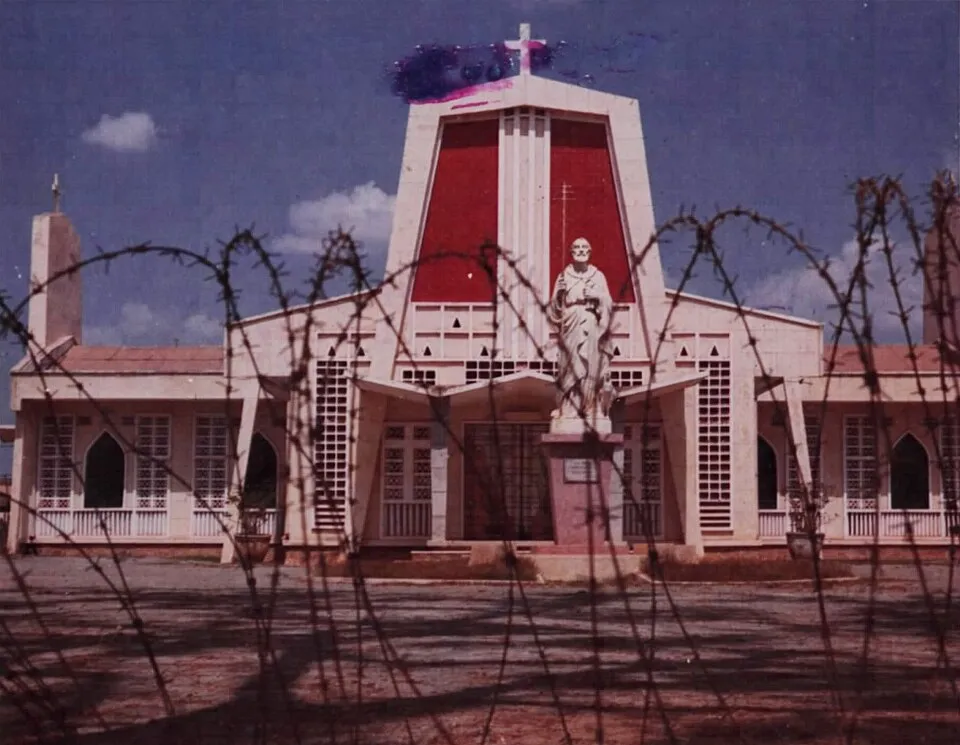
Catholicism first arrived in Vietnam in the 16th century through Portuguese and Spanish missionaries, later joined by French Dominicans and Jesuits. These early evangelizers did not separate proclamation of the faith from acts of charity; they established clinics, schools, and relief networks alongside catechesis. This integrated approach reflected the Church’s social teaching tradition, which holds that faith without works is dead.
The missionaries’ charitable works—caring for the sick, feeding the hungry, educating the poor—were intrinsic to their mission. This precedent created a lasting cultural memory that service to the marginalized is inseparable from discipleship. Even during periods of persecution, this commitment to service persisted, as believers found ways to assist the needy discreetly, further entrenching the link between faith and social action.
The early integration of charity and evangelization set a pattern that persists in Vietnamese Catholicism today. The roots of today’s unified charity and social justice framework trace directly to these foundational centuries.
The 1980 Re-founding: Unifying the Church for Social Mission
Following Vietnam’s reunification in 1975, the Catholic Church needed a unified national body to coordinate its social mission. In 1980, the CBCV was officially re-founded, bringing together all diocesan bishops from both former North and South Vietnam into a single episcopal conference. This structural unity enabled a consistent approach to social teaching and charitable action.
The re-founded CBCV established common guidelines, shared programs, and a unified voice on issues affecting the poor. The 1980 re-founding created the institutional framework that allows charity and social justice to be integrated at a national scale, with each diocese contributing to a coordinated strategy. It also symbolized the Church’s commitment to national reconciliation, modeling how divided communities could unite around service.
The December 2025 Pastoral Message: “Path of Conversion and to a Strong…”
In December 2025, the CBCV released a pastoral message titled “Church of Vietnam: ‘path of conversion and to a strong…'” that guides the unified mission. Such messages call the entire Catholic community to a renewed witness embracing both direct charitable service and systemic social justice advocacy. The 2025 message serves as an authoritative teaching document shaping diocesan programs and parish activities across Vietnam.
It reminds believers that authentic faith must be expressed through action—feeding the hungry, defending the oppressed, and transforming unjust structures. By issuing regular communications, the CBCV keeps charity and social justice a dynamic priority. For concrete examples of how these teachings are implemented, see the social justice work page.
The message also underscores the Church’s commitment to environmental stewardship, recognizing that care for creation is integral to social justice. Vietnamese Catholics are called to adopt sustainable practices and advocate for ecological policies that protect the poor, who are most affected by environmental degradation. The CBCV’s teachings on this topic are detailed in its environmental protection resources.
Martyr Saints of Vietnam: Models of Faith and Social Witness
The CBCV venerates the Martyr Saints of Vietnam as models of integrated discipleship. These saints, who gave their lives during persecution, showed that faith is inseparable from love in action—defending the vulnerable and upholding justice even unto death. Their legacy reminds Catholics that true witness goes beyond personal piety to include courageous service to the marginalized.
By honoring these martyrs, the CBCV connects historical sacrifice with contemporary mission, inspiring today’s faithful to pursue charity and social justice as inseparable dimensions of their baptismal calling. This integrated approach also extends to environmental concerns, as seen in the environmental charity movement that combines care for creation with service to the poor.
The integration of charity and social justice in Vietnam’s Catholic Church is not a modern innovation but a continuity from 16th-century missionary foundations, now structurally enabled by the 1980 re-founding of the CBCV. This historical depth reveals that the Church’s social mission has always been holistic, combining evangelization with service to the poor. The December 2025 pastoral message confirms that this unified vision remains a living, guiding force today.
Visit www.cbcvietnam.org to explore the latest “CBCV’s Messages” and “Church Documents” for official teachings, then contact your local diocese (listed under “Dioceses”) to learn about parish-based programs that combine direct aid with systemic change. For parishes seeking to amplify their impact, mastering nonprofit SEO is essential—discover strategies tailored to faith-based organizations to reach more people online.
Frequently Asked Questions About Charity And Social Justice
How much of Vietnam is Catholic?
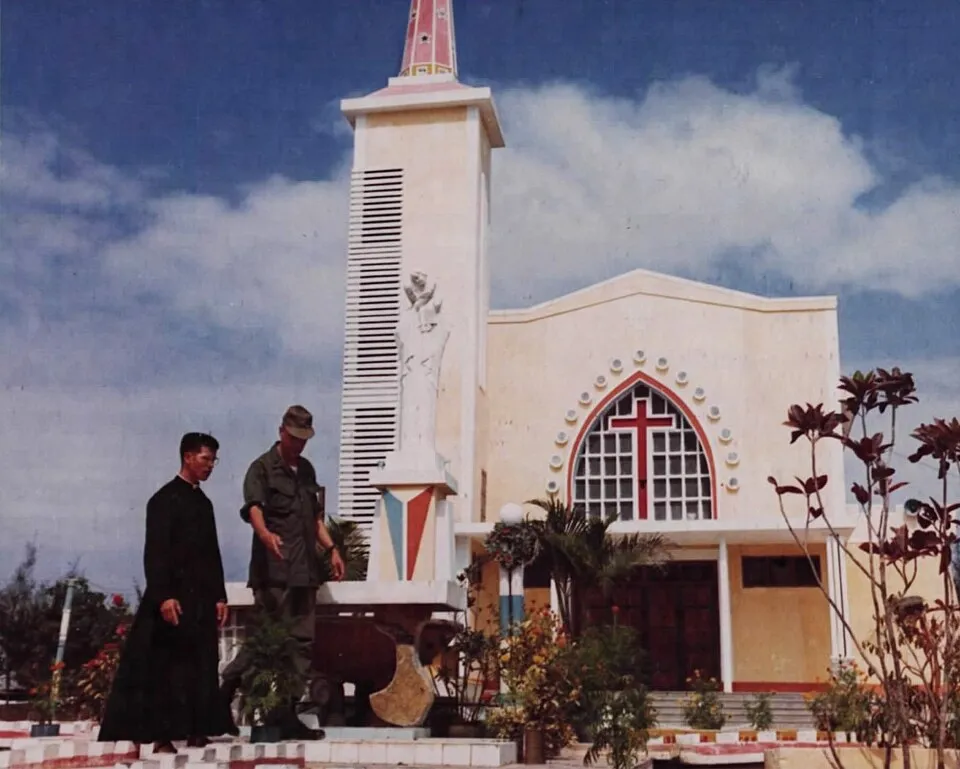
7 million Catholics, representing 7% of Vietnam's population, are organized in 27 dioceses and 2,228 parishes. This large community underpins CBCV's nationwide charity and social justice ministry.
What is the scope of CBCV's structural framework for charity and social justice?
CBCV's structural framework encompasses 27 dioceses and 2,228 parishes, enabling coordinated charity and social justice services across Vietnam.
What is the target date for CBCV's integrated service vision
The vision targets December 2025 for integrated service, building on milestones since 1980.