When the 2025 floods killed 420 people and caused $3.77 billion in damage, parish-based charity mobilized lay volunteers for immediate relief, showcasing the Catholic Church’s grassroots social justice work in Vietnam, which includes environmental protection initiatives. This “silent but timely” response, as described by Archbishop Marek Zalewski, highlights how the Church serves the marginalized through local networks. Below, we explore specific initiatives addressing poverty, inequality, and human rights, with a focus on lay involvement and quantifiable impacts from 2024–2026.
- The Church’s social justice is driven by lay volunteers at the parish level, especially in disasters like the 2025 floods that killed 420 and caused $3.77B damage.
- Education programs for ethnic minorities, such as dorms for 100+ Muong children and Franciscan boarding homes, fight poverty and trafficking.
- Quantifiable impact includes 4.5 million meals, 32,000 scholarships, and services for Vietnam’s 7 million disabled across 27 dioceses.
Social Justice in Crisis: Parish-Based Disaster Response to the 2025 Floods
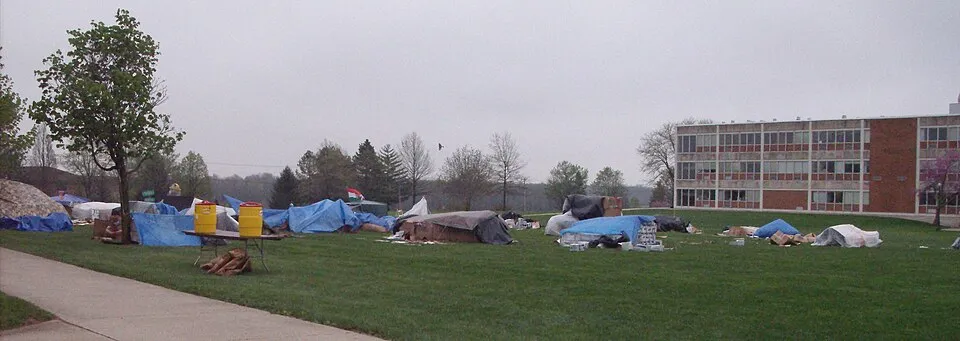
The 2025 floods represented one of Vietnam’s most severe natural disasters in recent history, creating a massive humanitarian crisis that tested the country’s resilience and the response capacity of civil society organizations, including the Catholic Church. According to examiner.org.hk (2026), the floods resulted in 420 deaths, caused $3.77 billion in economic damage, damaged 352,000 homes, and destroyed 541,000 hectares of crops. These statistics underscore the scale of suffering and the urgent need for coordinated relief efforts, particularly in remote and impoverished regions where state resources were stretched thin.
The disaster disproportionately affected rural communities, many of which include ethnic minorities and already vulnerable populations, exacerbating existing inequalities and highlighting the critical importance of social justice frameworks in emergency response. Social justice, in this context, means ensuring that aid distribution prioritizes the most marginalized and that recovery efforts address systemic vulnerabilities, not just immediate needs. The Catholic Church’s response, rooted in its parish networks, exemplified this approach by delivering assistance where it was most needed, often reaching areas that were overlooked by larger agencies.
Lay Volunteers as Social Justice Agents in Parish Networks
The Church’s disaster response relied heavily on lay volunteers organized through parish networks, demonstrating a decentralized yet highly effective model of social justice in action. As Archbishop Marek Zalewski noted, the charity was “silent but timely” (examiner.org.hk, 2026), reflecting a culture of quiet service that avoids publicity but maximizes community trust. Across affected dioceses, parishes served as mobilization hubs: volunteers conducted rescue operations, distributed food and clean water, and established temporary shelters for displaced families.
This grassroots structure allowed for rapid, culturally sensitive aid delivery because local volunteers understood community dynamics, spoke regional dialects, and could navigate difficult terrain. The emphasis on lay involvement aligns with the Church’s broader mission of empowering the faithful to live out their faith through direct service, transforming social justice from a theoretical concept into practical solidarity.
Unlike top-down humanitarian operations, this parish-based model fostered deep relationships between volunteers and beneficiaries, ensuring that aid was not only transactional but also restorative, addressing emotional and spiritual needs alongside material ones. The “silent” nature of the work—with donations and efforts often unpublicized—also protected vulnerable recipients from stigma and allowed the Church to operate in sensitive areas without drawing government scrutiny, a crucial advantage in Vietnam’s restrictive religious environment.
Non-Discriminatory Aid: Social Justice for All Victims
A hallmark of the Church’s social justice approach is its commitment to non-discriminatory aid, providing assistance without regard to religion, ethnicity, or social status. During the 2025 floods, this principle meant that Buddhist, Christian, and indigenous victims alike received the same support, reflecting Catholic social teaching’s emphasis on universal human dignity. This inclusive stance is particularly significant in Vietnam, where ethnic minorities like the Hmong and Muong often face marginalization and have limited access to state services.
Beyond disaster relief, parish-based charity continues to support the poor, HIV patients, and disabled individuals on an ongoing basis, integrating emergency response into a broader pastoral care strategy. These sustained efforts recognize that social justice requires long-term commitment, not just crisis intervention. For example, parishes in heavily affected regions established follow-up programs to help families rebuild homes and restore livelihoods, ensuring that recovery was holistic.
This continuity also builds community resilience, as marginalized groups learn to trust the Church as a reliable partner in both good times and bad. The non-discriminatory policy sometimes required delicate negotiations with local authorities, but the Church’s reputation for impartial service helped maintain access to vulnerable populations, even in areas with tense government-religion relations.
Social Justice Through Education: Dorms and Clinics for Ethnic Minorities
Education is a powerful tool for social justice, breaking cycles of poverty and empowering marginalized groups to claim their rights and opportunities. In Vietnam, the Catholic Church has focused on ethnic minority children—who often live in remote highland areas with limited school access and face high risks of trafficking and exploitative labor—through targeted educational and healthcare initiatives. These programs address root causes of inequality by providing safe housing, medical care, and academic support, enabling children to stay in school and develop pathways to better futures.
The work is carried out by dedicated religious orders and lay collaborators who live among the communities they serve, embodying the synodal principle of walking together with the vulnerable. By investing in human capital, these initiatives promote social mobility and defend human rights, aligning with the Church’s global mission to uplift the poor and excluded. The following projects illustrate how faith-based organizations translate social justice into concrete action on the ground.
Social Justice for Muong Children: Lovers of Holy Cross Dorm and Clinic
In Hoa Binh province, the Lovers of Holy Cross sisters, based in Hanoi, have launched a transformative project to serve Muong children, an ethnic minority group that experiences disproportionate poverty and educational exclusion. According to globalsistersreport.org (Apr 2025), the sisters built dormitories and a clinic to house and care for over 100 Muong children, providing them with safe accommodation, healthcare, and educational support. Many of these children come from remote villages where families cannot afford to send them to school due to distance and costs; without intervention, they would likely drop out to work or fall victim to trafficking networks.
The dormitory ensures that children can attend local schools regularly, while the clinic addresses basic health needs that might otherwise go untreated, reducing absenteeism due to illness. Sr. Mung Nguyen and Sr.
Ngan Nguyen, leaders of the initiative, emphasize that the project targets both poverty and trafficking risks by creating a protective environment where children are monitored, mentored, and given hope for a different future. The sisters also engage with parents and community leaders to raise awareness about the importance of education and child protection, fostering broader social change. This integrated approach—combining shelter, health, and schooling—exemplifies how small-scale, community-embedded programs can achieve significant social justice outcomes for some of Vietnam’s most neglected children.
Franciscan Social Justice: Boarding Homes for Hmong and Other Ethnic Students
Similarly, the Franciscan Friars in Vietnam have been renovating boarding homes for ethnic minority students, focusing particularly on Hmong communities but also serving other vulnerable groups like the Dao and Tay. As reported by franciscanmissions.org (Feb 2025), these boarding homes allow children from remote mountainous areas to live near schools during the week, overcoming the barrier of long travel distances that often forces families to choose between education and subsistence farming. The friars provide not only accommodation but also tutoring, nutritional meals, and spiritual formation, creating a holistic environment that nurtures both academic and personal development.
Many of the students are the first in their families to attend secondary school, and the boarding homes become incubators for future community leaders who can advocate for their people’s rights and development. The Franciscan model emphasizes sustainability—environmental charity initiatives—by training older students to mentor younger ones and involving local volunteers in maintenance, ensuring the program’s longevity. By securing education for ethnic minority youth, the friars directly combat the intergenerational transmission of poverty and marginalization, which are key social justice issues in Vietnam’s highlands where infrastructure and state services remain underdeveloped.
Education as Social Justice: Fighting Poverty and Trafficking
These educational initiatives are more than charity; they are strategic interventions in the structural violence that perpetuates inequality. Ethnic minority children in Vietnam face heightened vulnerability to human trafficking due to poverty, lack of education, and geographic isolation. Traffickers often lure families with promises of good jobs in cities, only to exploit victims in forced labor or sex work.
By providing safe housing and schooling, the Church’s programs reduce the pool of at-risk children and strengthen community safeguards. Education also equips children with knowledge of their rights and the skills to advocate for themselves and their communities, fostering a culture of dignity and self-determination. This aligns with the Church’s synodal process for vulnerable populations, as documented by hitik-journal.reapph.org (2025), which emphasizes the inclusion of marginalized voices in decision-making and the defense of human rights through practical solidarity.
The social justice impact extends beyond individual beneficiaries: educated youth return to their villages as role models and catalysts for change, challenging discriminatory norms and promoting gender equality, as many programs specifically support girls’ education. Moreover, these faith-based initiatives often operate in areas where government schools are under-resourced, filling critical gaps and demonstrating a model of community-led development that respects local cultures while advancing universal rights.
Social Justice Metrics: Quantifying Impact Across 27 Dioceses
The Catholic Church’s social justice work in Vietnam is not limited to isolated projects; it is coordinated across the nation’s 27 dioceses under the Catholic Bishops’ Conference of Vietnam (CBCV), with Caritas Vietnam playing a central role in harmonizing efforts and mobilizing resources. This diocesan structure allows for both national coordination and local adaptation, ensuring that initiatives respond to specific regional needs while maintaining common standards of service. The scale of impact is substantial, though it must be viewed against the vast needs of a country where poverty, disability, and ethnic inequality remain persistent challenges.
By consolidating data from various Church-affiliated programs, we can begin to quantify the reach of these social justice efforts and identify areas for growth. The following table summarizes key metrics from recent years, illustrating the breadth of services provided to marginalized groups.
| Service Type | Metric | Target Group |
|---|---|---|
| Meals served | 4.5 million+ | Poor and vulnerable families |
| Scholarships awarded | 32,000 | Students from disadvantaged backgrounds |
| Disabled individuals rehabilitated | Hundreds | Persons with disabilities |
| Dormitory capacity | 100+ students | Ethnic minority children |
The 4.5 million meals served by Catholic-linked organizations like Children of Vietnam (2024-25) represent a massive food security effort, particularly in regions where malnutrition rates are high among ethnic minorities and rural poor. This daily sustenance not only addresses immediate hunger but also enables children to concentrate in school and adults to engage in productive work, thereby tackling the root causes of poverty. The 32,000 scholarships have opened educational doors for thousands of students who would otherwise be unable to afford tuition, books, and uniforms, directly promoting equal opportunity—a core tenet of social justice.
These scholarships often include mentorship and life skills training, increasing their long-term impact. Meanwhile, the rehabilitation of hundreds of disabled individuals through Church-run centers provides essential therapies, vocational training, and community integration services, affirming the dignity and potential of a group that frequently faces stigma and exclusion in Vietnamese society. The 100+ student dormitory capacity, while specific to certain projects, symbolizes the Church’s investment in safe housing for ethnic minority youth, a prerequisite for educational continuity.
All these efforts are coordinated through Caritas Vietnam and the 27 dioceses of the CBCV, which adapt national guidelines to local contexts, from the Mekong Delta to the Central Highlands. This structure ensures that social justice initiatives are both widespread and contextually relevant, though they still reach only a fraction of those in need.
Social Justice at Scale: Serving Vietnam’s 7 Million Disabled
Vietnam has an estimated 7 million people with disabilities, comprising 7.06% of the population (hitik-journal.reapph.org, 2025). This large demographic faces significant barriers to education, employment, and social participation, often compounded by poverty and inadequate public services. The Catholic Church operates rehabilitation centers and outreach programs in several dioceses, serving hundreds of disabled individuals with physical therapy, skills training, and pastoral care (asianews.it; hitik-journal.reapph.org, 2025).
While this number is small relative to the national need, it represents a meaningful commitment in a context where religious organizations must navigate restrictive government regulations that limit their ability to expand services. The Church’s work with the disabled exemplifies social justice as preferential option for the vulnerable: it focuses resources on those whom society often overlooks, advocating for their inclusion and dignity. These programs also challenge harmful stereotypes by demonstrating the capabilities of persons with disabilities when given appropriate support.
However, the vast gap between need and provision underscores the urgency for scaling up such initiatives, potentially through partnerships with international Catholic agencies like Caritas Internationalis or by leveraging digital tools to raise awareness and funds. The restrictive environment means that growth must be incremental and relationship-based, relying on the trust built through decades of quiet service rather than large-scale advocacy campaigns that might provoke official resistance.
The Catholic Church’s social justice work in Vietnam operates largely out of the spotlight, yet its impact is profound. By empowering lay volunteers and focusing on concrete needs like education and disaster relief, the Church builds sustainable change from the ground up, embracing Laudato Si’ in its approach. The “silent but timely” model avoids media attention but builds deep community trust, making aid more effective in sensitive areas.
To contribute, consider supporting Caritas Vietnam’s disaster recovery and education programs through donations or volunteering, and learn how digital tools like SEO can expand the reach of such vital work through our comprehensive nonprofit SEO guide. Additionally, explore the Church’s broader charitable vision in charity and social justice: a unified vision, or see relief projects in Vietnam for more on disaster response.
For details on Caritas activities, visit Caritas activities in Vietnam. The synergy between grassroots action and strategic communication, as outlined in the charity framework, shows how local initiatives can gain national and international support, advancing social justice for Vietnam’s most marginalized.