The Catholic Bishops’ Conference of Vietnam (CBCV) is actively implementing Pope Francis’s Laudato Si’ encyclical through integral ecology, integrating ecological awareness into pastoral, educational, and social activities. In 2026, as Vietnam faces environmental challenges like pollution and biodiversity loss, the Church’s response demonstrates a commitment to caring for our common home.
Since the encyclical’s publication in 2015, Vietnamese Catholics have embraced its call for ecological conversion, viewing environmental stewardship as a moral duty. This approach shapes parish life, school curricula, and community projects across the country.
- Vietnamese Catholics practice “ecological conversion,” treating environmental care as a core spiritual duty, not just a technical issue.
- Parishes and schools nationwide integrate Laudato Si’ teachings into curricula, focusing on the “cry of the earth and the cry of the poor.”
- Practical sustainability efforts include waste reduction drives, tree-planting campaigns, and biodiversity protection in local communities.
- The Church directly links pollution and environmental degradation to poverty, advocating for affected communities as part of its social justice mission.
How the Catholic Church in Vietnam is Embracing Laudato Si’ Through Integral Ecology
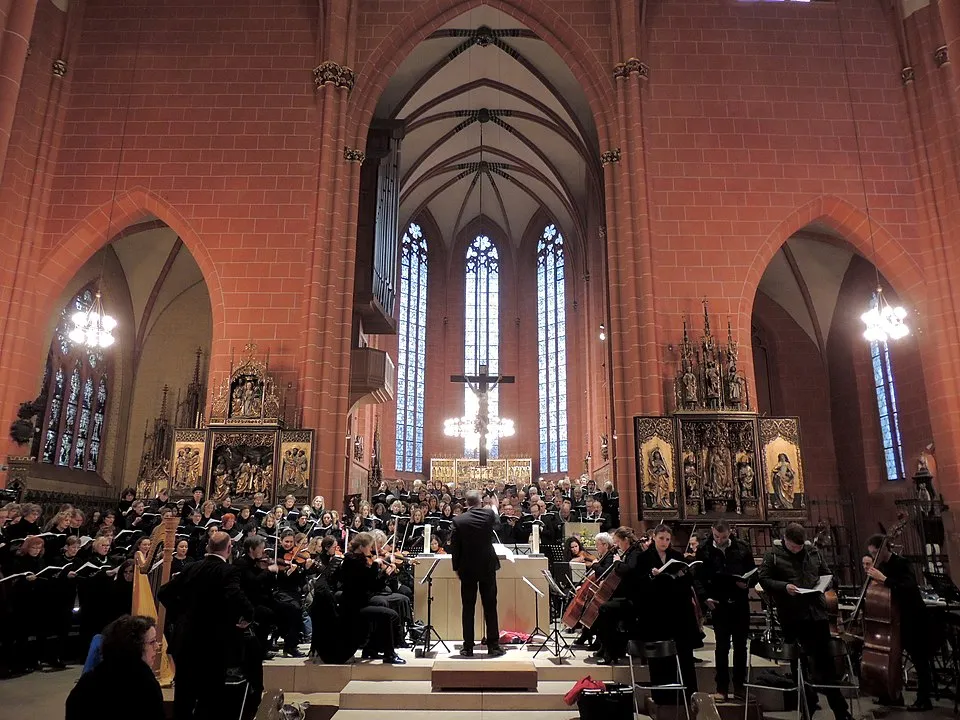
Ecological Conversion: A Laudato Si’ Imperative for Vietnamese Catholics
Ecological conversion is a spiritual transformation that reorients individuals and communities toward a deeper relationship with creation. For Vietnamese Catholics, this concept is central to their response to Laudato Si’. Parish leaders teach that caring for the environment is not merely a technical or political task but a fundamental moral and spiritual responsibility.
This perspective draws from the encyclical’s emphasis that environmental degradation is a symptom of human brokenness and that conversion is needed at personal and communal levels. In Vietnam, this translates into practical actions such as reducing waste, protecting local ecosystems, and advocating for the poor who suffer most from pollution.
The focus on ecological conversion ensures that environmental efforts are rooted in faith, making them sustainable and meaningful for communities. This spiritual foundation complements the Church’s broader charitable activities, which extend to ecological contexts.
Integral Ecology: Connecting Environmental, Social, Economic, and Political Issues
The USCCB explains that integral ecology connects environmental, social, economic, and political issues—a principle embraced in Vietnam through localized initiatives:
- Environmental: Protecting biodiversity through tree-planting campaigns in deforested areas and conserving local wetlands, which are critical for flood control and wildlife.
- Social: Highlighting how air and water pollution disproportionately affect poor communities, making environmental justice a pro-life issue. For example, industrial waste contaminating water sources in rural areas leads to health problems for low-income families.
- Economic: Promoting sustainable consumption and waste reduction, such as parish recycling programs that reduce landfill use and encourage mindful purchasing.
- Political: Engaging with local authorities to address pollution sources, advocating for stronger environmental regulations and enforcement to protect vulnerable populations.
These examples show how Vietnamese Catholic initiatives embody integral ecology by addressing multiple dimensions simultaneously. A tree-planting project not only restores ecosystems (environmental) but also provides economic benefits through sustainable forestry and strengthens community bonds (social). Similarly, advocacy against polluting factories combines environmental protection with social justice for affected workers and families.
This holistic approach ensures that solutions are comprehensive and lasting, aligning with Laudato Si’’s vision of an “integral ecology” that responds to the cry of the earth and the cry of the poor. The CBCV’s unified vision of charity and social justice further reinforces this interconnected perspective.
Why Laudato Si’ Matters: The Encyclical’s Role in Shaping Catholic Environmental Ethics
Laudato Si’ is an encyclical, a formal letter from the Pope to the bishops and faithful, providing authoritative teaching on matters of faith and morals. Published on May 24, 2015, it is Pope Francis’s first encyclical entirely his own, addressing the urgent environmental crisis. The document offers a moral framework that rejects the “throwaway culture”—where goods and people are discarded when no longer useful—and calls for a global conversion toward sustainable living.
It emphasizes that environmental problems are interconnected with poverty, inequality, and consumerism, requiring unified action. For the Catholic Church in Vietnam, Laudato Si’ provides the theological and ethical foundation for its ecological work. It transforms environmental care from an optional activity into a core aspect of Catholic identity, motivating parishes, schools, and charities to integrate stewardship into all their programs.
As the Church marks the 10th anniversary of Laudato Si’ in 2025, its message remains critically relevant for Vietnam’s development challenges. The full text of Laudato Si’ is available on the Vatican website for those seeking deeper understanding.
What Does ‘Laudato Si’ Mean? The Phrase’s Origin in St. Francis’s Canticle
The title “Laudato Si'” translates to “Praise be to you, my Lord” in English. It comes from the Canticle of the Creatures, a prayer attributed to St. Francis of Assisi in which he praises God through elements of creation—such as “Brother Sun” and “Sister Moon.” By choosing this phrase, Pope Francis connects his encyclical to St.
Francis’s deep love for nature and his recognition that all creation glorifies God. The title encapsulates the encyclical’s spirit of gratitude and wonder for the natural world, urging readers to see the environment not as a resource to exploit but as a beloved sister with whom we share life. This spiritual foundation inspires Vietnamese Catholics to approach ecological work with humility and reverence, fostering a culture of care rather than domination.
Educational Programs: Teaching Laudato Si’ in Vietnamese Parishes and Schools
Curriculum Integration: Embedding Laudato Si’ Teachings in Parish and School Education
The Catholic Church in Vietnam incorporates Laudato Si’ into educational curricula through diverse methods:
- Study circles: Small groups in parishes gather to read and discuss Laudato Si’, exploring its teachings on consumption, waste, and the poor.
- Homilies: Priests integrate ecological themes into Sunday sermons, linking scripture passages (e.g., Genesis 1:28, Psalm 24:1) to modern environmental responsibilities.
- School subjects: In religion classes, students examine the “cry of the earth and the cry of the poor”; in science, they study local pollution issues and solutions from a faith perspective.
- Youth projects: Catholic youth groups organize community clean-ups, tree-planting days, or awareness campaigns about plastic reduction, applying Laudato Si’ principles locally.
This multi-faceted educational approach ensures that Laudato Si’ reaches all age groups and learning contexts. By weaving ecological awareness into both formal curricula and informal gatherings, the Church makes environmental stewardship a lived part of Catholic identity.
The focus on the “cry of the earth and the cry of the poor” helps Vietnamese believers connect global issues to their immediate surroundings, fostering a sense of urgency and personal responsibility. Such education is crucial for long-term cultural change, as it shapes the values of younger generations and equips them with knowledge to act.
Caritas Saigon’s Seminars: Leading Laudato Si’ Education in Ho Chi Minh City
Caritas Saigon, the charitable arm of the Archdiocese of Ho Chi Minh City, has been a leader in Laudato Si’ education since at least 2019, as detailed in the official guide to Catholic charity work. The organization has hosted multiple seminars on integral ecology and the protection of the living environment, targeting parish leaders, religious sisters, and lay Catholics.
For instance, a 2019 seminar highlighted the importance of safeguarding Vietnam’s rivers and green spaces from industrial pollution. Participants report that these sessions deepen their understanding of ecological spirituality and inspire local initiatives—such as starting parish recycling programs or organizing community tree-planting. By training leaders who then multiply the message in their own communities, Caritas Saigon creates a ripple effect of ecological awareness across the city.
The success of this model has drawn attention from the Laudato Si’ Movement and other dioceses seeking to replicate it. Caritas Saigon’s seminars, reported by Asianews in 2019, have trained numerous parish leaders, demonstrating a scalable approach to ecological education.
Laudato Si’ in Action: Sustainable Practices and Social Justice in Vietnamese Catholic Communities
Sustainable Living: Waste Reduction and Biodiversity Protection Inspired by Laudato Si’
Vietnamese Catholic communities translate Laudato Si’ into everyday actions through practical sustainability efforts:
- Parish recycling programs: Many parishes, like Hàng Xanh in Ho Chi Minh City, have youth collect recyclable waste (plastic, paper) and sell it to fund community projects, turning trash into treasure.
- Campaigns against single-use plastics: Churches encourage parishioners to bring reusable bags and containers to events, reducing plastic waste that often ends up in waterways.
- Community garden projects: Some parishes use available land to grow organic vegetables, promoting food security and reducing carbon footprints from transported produce.
- Tree-planting in deforested areas: Catholic groups partner with environmental NGOs to plant native trees in regions like the Central Highlands, combating deforestation and soil erosion.
- Protecting local wetlands: Educational outings to wetlands teach about their role in flood control and biodiversity, leading to advocacy for their preservation against development pressures.
These practical actions demonstrate how Laudato Si’ moves from theory to practice in Vietnamese Catholic communities. Simple steps like recycling or avoiding plastic may seem small, but when multiplied across thousands of parishes, they create significant environmental impact. Moreover, these initiatives often have a social dimension: proceeds from recycling fund projects for the poor, and community gardens provide fresh produce to needy families.
By embedding sustainability into daily parish life, the Church models a lifestyle that rejects consumerism and honors creation. Such efforts also serve as public witness, inspiring neighboring communities and local authorities to take notice. These practices are a key part of the Church’s environmental protection efforts across Vietnam.
Environmental Justice: Linking Pollution to the Poor in Vietnamese Catholic Advocacy
A distinctive feature of the Vietnamese Church’s ecological work is its explicit linkage of environmental degradation to social injustice, a key aspect of its social justice work for marginalized communities. The Church documents cases where polluting factories or mining operations contaminate air and water in poor rural areas, causing health issues like respiratory illnesses and waterborne diseases.
They also organize community forums to raise awareness and advocate for stricter enforcement of environmental laws. For example, in some provinces, Catholic communities have campaigned against toxic waste dumping that threatens agricultural lands. This advocacy is rooted in the belief that the poor bear the brunt of ecological crises and have a right to a safe environment.
By combining spiritual care with practical justice work, the Church amplifies the voices of the marginalized and holds polluters accountable, embodying Laudato Si’’s call to hear both the cry of the earth and the cry of the poor. This approach combines environmental care with service to the poor, reflecting the principles of environmental charity. In some cases, the Church also coordinates relief projects to provide immediate assistance to families impacted by pollution.
Vietnam’s Catholic Church offers a compelling model of how a global encyclical can be inculturated to address hyper-local environmental and poverty issues. By blending spiritual conversion, education, practical action, and justice advocacy, it shows that faith can drive tangible ecological transformation. This approach resonates deeply in a country where environmental challenges directly impact millions of lives.
For those inspired to learn more, the Vatican’s official Laudato Si’ website (laudatosi.va) provides extensive resources in multiple languages. Additionally, Caritas Vietnam’s current ecological projects offer opportunities for partnership and support, allowing Catholics worldwide to contribute to this vital mission.
Frequently Asked Questions About Laudato Si
Why is it important to have encyclicals like Laudato Si?
An encyclical is a letter from the Pope to the people. Laudato Si’ offers us an opportunity to reflect on the world around us, and to respond to what is happening in the world at this time.
What country is 100% Catholic?
The country with the largest percentage of its population having membership in the church is Vatican City at 100%, followed by Timor-Leste at 97%. According to the World Christian Database, there are 1.279 billion Catholics worldwide as of 2026, which constitute 47.8% of 2.674 billion Christians.
What does Laudato Si’ mean in the Bible?
1. “ LAUDATO SI', mi' Signore” – “ Praise be to you, my Lord ”.