Family psychology advice for Vietnamese Catholic families in 2026 integrates traditional Vietnamese values like filial piety and family harmony with Catholic teachings to improve communication, resolve conflicts, and foster emotional well-being. This approach, supported by the Catholic Church in Vietnam, combines proven psychological techniques with faith-based practices such as prayer and gratitude. Bilingual counselors like Sister Agnes Kimchi Nguyen provide culturally competent care that respects both the Vietnamese family structure and Catholic doctrine, helping households navigate modern challenges while staying rooted in their spiritual identity.
- Integration approach: Catholic family therapy in Vietnam blends traditional mental health techniques with Catholic teachings on marriage, spirituality, and filial piety (Source: Gratia Plena, PMC NCBI).
- Cultural values central: Vietnamese values like family harmony, respect for elders, and shared responsibilities are central to therapeutic approaches (Source: Gratia Plena, PMC NCBI).
- Bilingual services: Culturally competent counseling, such as that offered by Sister Agnes Kimchi Nguyen, provides faith-based support in both English and Vietnamese (Source: Gratia Plena).
How Can Catholic Family Psychology Advice Strengthen Vietnamese Families in 2026?

Catholic family psychology advice offers practical tools to strengthen Vietnamese households by addressing communication breakdowns, conflicts, and emotional strain through a faith-centered lens that honors cultural traditions (Gratia Plena, PMC NCBI). These strategies are part of a broader life skills approach that strengthens families. Catholic family psychology advice builds on the foundation of life skills education programs that have been implemented across dioceses.
Communication techniques: Integrating psychological principles with Catholic dialogue
- Active Listening with Patience: Family members practice listening without interruption, reflecting Catholic values of charity and respect. This aligns with Vietnamese cultural emphasis on harmony by preventing confrontations and ensuring elders’ voices are heard.
- Prayerful Dialogue: Incorporating short prayers or moments of gratitude before discussions integrates spiritual elements that foster calm and openness, creating a sacred space for family communication.
- Respect for Elders: Communication patterns explicitly honor the authority of elders, consistent with both Vietnamese tradition and Catholic teachings on honoring parents, which reduces generational tension.
- Nonviolent Communication: Using “I” statements and expressing needs without blame, this psychological technique is framed within Catholic calls for truth spoken in love, making it culturally acceptable.
These techniques work because they do not impose Western individualistic models but rather weave psychological best practices into the existing fabric of Vietnamese Catholic family life, where respect, harmony, and spirituality are already deeply valued (Gratia Plena).
Conflict resolution methods that honor family hierarchy and Catholic teachings
Conflict resolution in Vietnamese Catholic families requires navigating the traditional hierarchy where elders hold authority while applying Catholic principles of reconciliation, forgiveness, and justice (Gratia Plena, PMC NCBI). Therapists guide families to address disputes in a way that honors elders’ positions but also ensures that all members feel heard, often using mediated conversations that incorporate Scripture and Church teaching on forgiveness. This approach respects the cultural value of family loyalty, which influences therapeutic methods by prioritizing family unity over individual grievances.
Practitioners trained in both psychology and Catholic theology help families reconcile modern conflicts—such as differing views on career choices or marriage—by framing solutions within the context of Catholic social teaching and Vietnamese collectivism. For example, they might reference the Catholic principle of subsidiarity (decisions made at the most local level) to empower younger family members while still respecting elder guidance.
This culturally sensitive navigation prevents the alienation that can occur when Western conflict resolution models directly challenge hierarchical norms, partly by integrating ethical parenting tips that align with Catholic and Vietnamese values. Therapists often draw from parenting based on ethics to guide families toward morally sound resolutions.
Cultural Integration: Vietnamese Traditions Meet Catholic Family Therapy
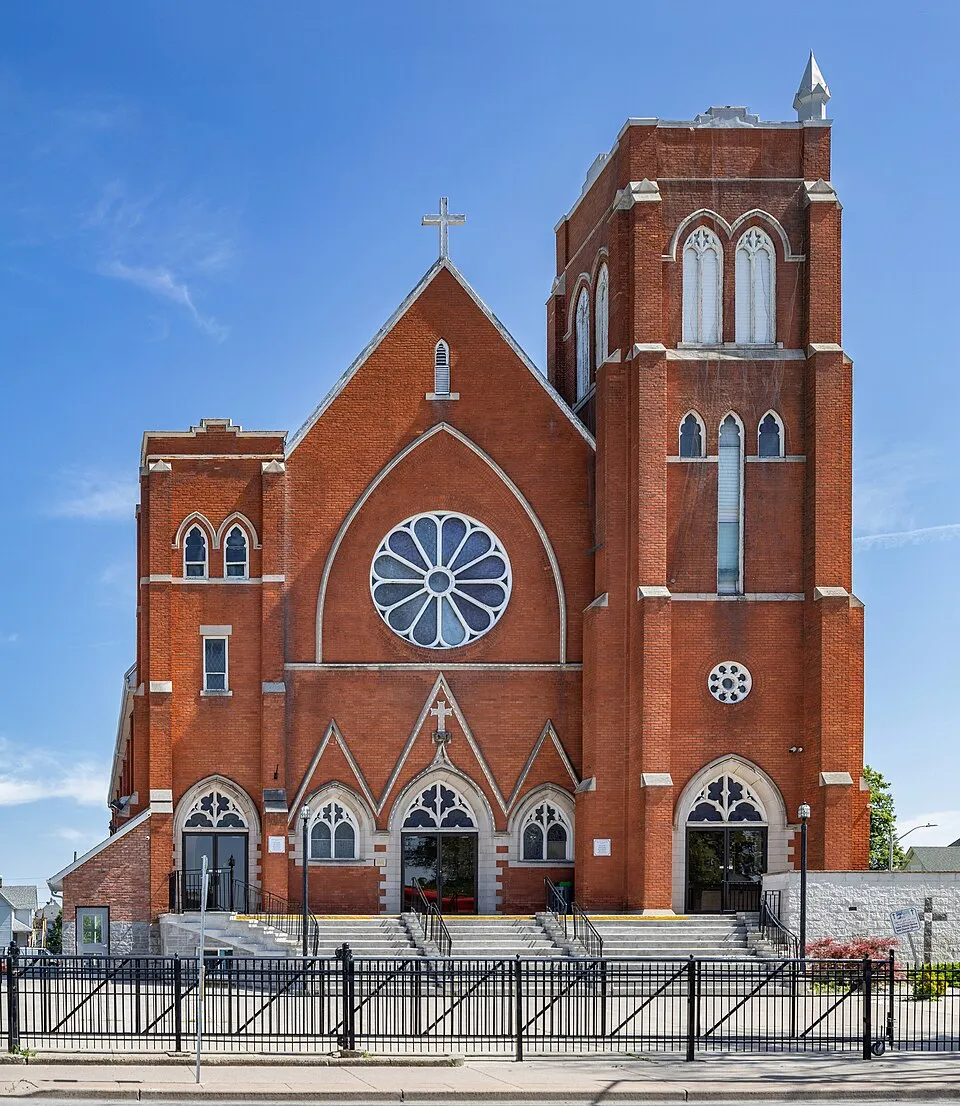
The synergy between Vietnamese cultural values and Catholic family therapy creates a uniquely effective approach that resonates deeply with local families, providing psychological strategies that feel both familiar and spiritually enriching (Gratia Plena). The cultural integration reflects deeper life values guidance that integrates faith, family, and community. This synergy supports personal growth resources for spiritual and emotional development.
Filial piety and Catholic respect for parents: A synergistic foundation
Vietnamese filial piety—the profound respect and care for parents and ancestors—aligns seamlessly with the Catholic commandment to honor one’s father and mother (Gratia Plena, PMC NCBI). This cultural cornerstone provides a strong foundation for family psychology because it already establishes a framework of respect, obedience, and care within the family unit. Therapists leverage this shared value to reinforce Catholic teachings, showing how filial piety is not merely cultural but also a spiritual duty that contributes to the family’s sanctity.
By highlighting the theological depth of honoring parents as a participation in God’s own fatherhood, counselors help Vietnamese Catholics see their cultural practice as a pathway to holiness. This integration makes psychological interventions more acceptable and effective, as families are not asked to abandon their identity but to deepen it through Catholic understanding. For instance, therapy might explore how caring for aging parents can be an act of mercy, connecting cultural obligation with spiritual growth.
Family harmony and collectivism: Shaping the therapeutic approach
Unlike individual-focused psychology that prioritizes personal autonomy and self-actualization, Vietnamese Catholic family therapy emphasizes the collective well-being of the family unit (Gratia Plena). While Western models might aim for individual expression and boundary-setting, this integrated approach respects Vietnamese values of family harmony and collectivism by ensuring that psychological strategies strengthen the entire family system. For example, communication techniques are designed to preserve group harmony rather than encourage direct confrontation that might cause shame.
Therapeutic goals often include improving family loyalty and shared responsibilities, viewing the family as a domestic church where each member’s role contributes to the common good. This contrast means that interventions are carefully adapted to avoid disrupting hierarchical relationships, instead working within them to foster mutual support and spiritual growth. The result is a modality that feels culturally congruent, leading to higher engagement and better outcomes for Vietnamese Catholic families seeking mental health support.
Accessing Faith-Based Family Counseling Services in Vietnam

Access to faith-based family counseling in Vietnam is growing, with bilingual pastoral counselors and church-supported initiatives making psychological support available to Catholic families throughout the country and diaspora, contributing to overall family wellness tips for holistic health (Gratia Plena, Church In Chains).
Bilingual counseling model: Sister Agnes Kimchi Nguyen’s integrated approach
Sister Agnes Kimchi Nguyen exemplifies the bilingual pastoral counseling model that bridges theology and psychology (Gratia Plena). Offering services in both English and Vietnamese, she integrates Catholic spiritual practices—such as prayer, sacramental reflection, and Scripture—with evidence-based psychological techniques to address family dynamics. Her work with Vietnamese parishes ensures that counseling is rooted in the community and accessible to those who might otherwise avoid mental health services due to stigma or language barriers.
As a cultural bridge, Sister Agnes understands the nuances of Vietnamese family structure, including the importance of elders and the preference for collective decision-making. She adapts therapeutic approaches accordingly, for instance, by involving multiple family members in sessions and respecting the hierarchical order during discussions. Her presence demonstrates how the Catholic Church in Vietnam can provide holistic support that heals both psychological wounds and spiritual distress, making her a model for expanding such services across dioceses.
Finding Catholic family therapists in Vietnam and the diaspora
- Contact Your Local Catholic Parish: Many parishes now have pastoral counselors or can refer families to diocesan counseling services that incorporate Catholic values and understand Vietnamese cultural contexts.
- Seek Bilingual Counselors: Look for therapists who speak both Vietnamese and English and explicitly integrate faith into their practice, as they can navigate cultural nuances while applying psychological principles.
- Reach Out to Organizations like Gratia Plena: This and similar groups specialize in faith-based counseling for Vietnamese Catholics, offering resources and direct services both in Vietnam and for the diaspora.
- Verify Cultural Competence: Ensure the therapist respects Vietnamese traditions such as family hierarchy and filial piety, and can address spiritual dimensions without imposing a purely secular framework.
By following these steps, Vietnamese Catholic families can find counseling that honors both their cultural heritage and their faith, leading to more effective and acceptable mental health care. For those seeking additional hope and recovery, inspirational healing articles offer complementary support.
Most surprising finding: The seamless integration of Vietnamese cultural values like filial piety with Catholic teachings creates a uniquely effective family psychology approach that resonates deeply with local families, far more than imported Western models could. This hybrid approach not only improves communication and conflict resolution but also strengthens spiritual bonds, making therapy a holistic experience. Families experiencing stress, generational gaps, or emotional difficulties are encouraged to take the first step by reaching out to their parish office or visiting Gratia Plena’s website to connect with qualified counselors who speak Vietnamese and share their Catholic worldview.