Parenting Based on Ethics 2026: A Catholic Approach to Moral Education in Vietnam
Ethical parenting in 2026 rests on three biblical pillars: modeling Christian virtues, applying loving discipline, and integrating faith into daily family life within the domestic church. The Catholic Bishops’ Conference of Vietnam (CBCV) and Focus on the Family emphasize that parents are their children’s primary moral educators.
With over 1.279 billion Catholics worldwide, these practices are rooted in a global tradition of faith formation. This guide delivers concrete, Bible-based methods to raise ethically-minded children in Vietnam’s Catholic context, combining proven psychological principles with timeless Christian teachings.
- Model virtues like honesty and kindness through daily example, sincere apologies, and extending grace—children learn by watching.
- Use biblical discipline that is immediate, consistent, restorative, and instructional, motivated by love not anger (Hebrews 12:6).
- Vietnamese Catholic parents are primary educators in the domestic church, blending faith and culture through prayer, routines, and ethical discussions.
Modeling Christian Virtues: The Foundation of Ethical Parenting
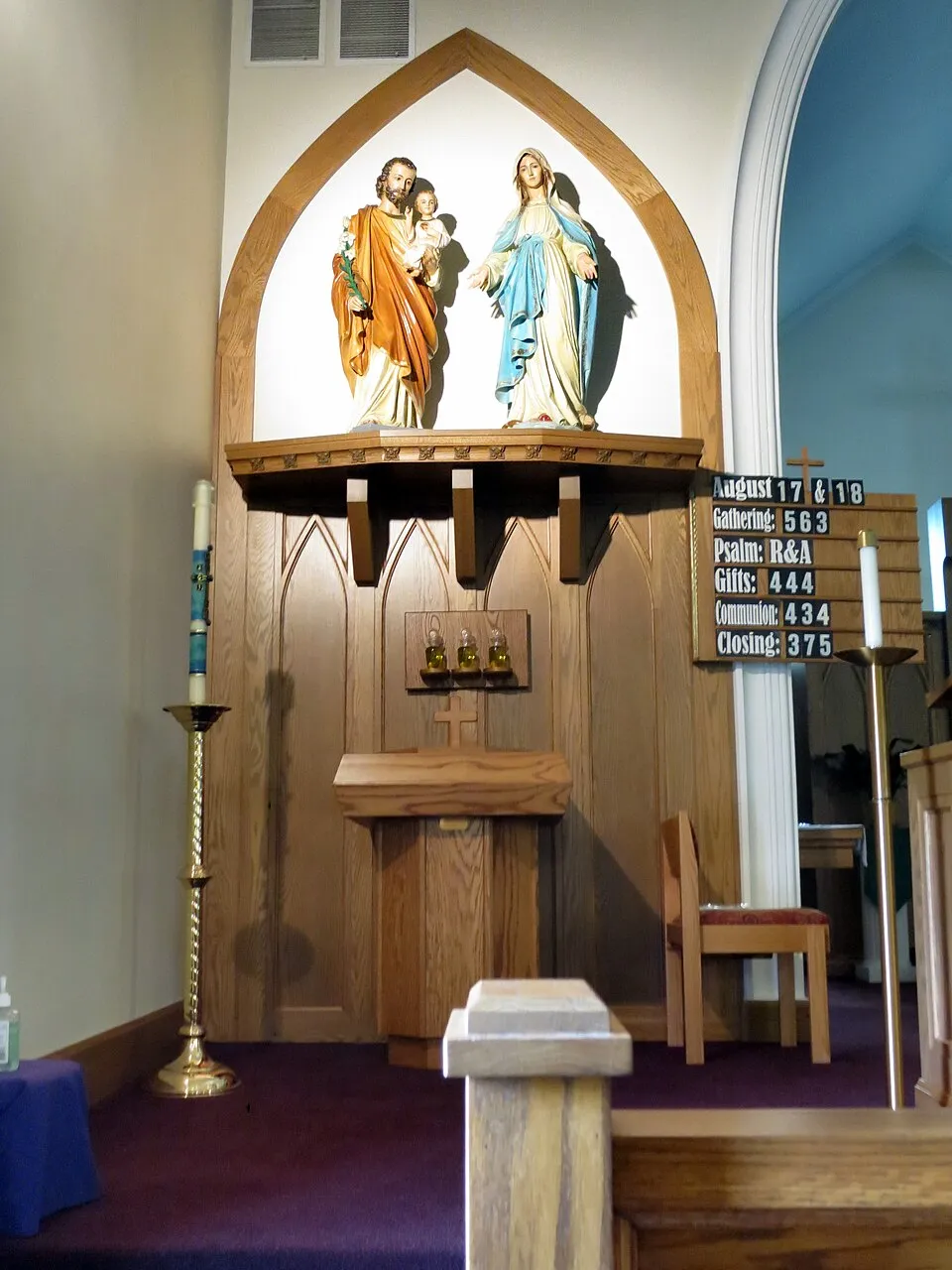
Children absorb ethics more from what they see than what they hear. Modeling Christian virtues is the most effective way to shape a child’s moral compass.
When parents live out virtues authentically, they provide a living testimony that speaks louder than words. This approach aligns with the authoritative parenting model identified by Diana Baumrind, which balances warmth with clear boundaries—a framework that resonates with Catholic moral teaching.
Six Core Christian Virtues Every Child Should Develop
The foundation of ethical parenting rests on a core set of Christian virtues. According to virtue-based parenting experts, these include:
- Honesty: Truthfulness in speech and action, reflecting God’s truth and building trust.
- Patience: Calm endurance in difficulty, trusting God’s timing and avoiding rash reactions.
- Forgiveness: Letting go of resentment and reconciling relationships, as God forgives us.
- Kindness: Compassionate care for others, mirroring Christ’s love in practical ways.
- Obedience: Willing submission to rightful authority, including God’s commands and parental guidance.
- Industriousness: Diligent work ethic, using God-given gifts responsibly and avoiding laziness.
These six virtues form the ethical core because they reflect the character of Christ and are foundational for moral decision-making. They align with Catholic teaching through the cardinal virtues (prudence, justice, temperance, fortitude) and theological virtues (faith, hope, charity). For instance, honesty and kindness express justice and charity; patience and industriousness reflect temperance and fortitude.
The global Catholic Church, with over 1.279 billion members in 2026, has long emphasized these virtues as essential for Christian living. By focusing on these core traits, parents provide a clear, consistent moral framework that children can carry into adulthood.
Why these particular virtues? They address common childhood challenges: dishonesty, impatience, holding grudges, unkindness, rebellion, and laziness. Each virtue offers a positive alternative.
For example, teaching honesty prevents deceit; patience reduces anger outbursts. Moreover, these virtues are interconnected—forgiveness often requires patience, and kindness motivates industrious service. Parents should introduce one virtue at a time, using age-appropriate explanations and reinforcement through stories, chores, and family discussions.
The goal is not perfection but progressive growth in Christlike character. For additional resources on integrating faith and character development, explore the CBCV’s life skills education program.
Three Practical Ways to Model Virtues: Example, Apology, Grace
The most powerful ethics lessons happen in everyday moments. Parents demonstrate virtues through three practical methods: example, apology, and grace. First, example means living out virtues visibly.
A parent who shows honesty by admitting a mistake at the store teaches more than a lecture about truthfulness. Patience in traffic, kindness in serving the poor, and industriousness in completing chores all become visible lessons. Children are keen observers; they notice when parents’ actions match their words.
Second, apology is crucial. No parent is perfect, and children need to see their parents take responsibility for failures. A sincere apology—’I’m sorry I raised my voice; that was unkind’—models humility and teaches that mistakes are opportunities to repent.
According to Grace Plano Church (2025), apologies restore trust and show that virtue is a journey, not a static state. When parents apologize, they demonstrate forgiveness in action, as they seek forgiveness from their children and from God.
Third, grace extends unmerited favor, just as God extends grace to us. When a child fails, responding with grace rather than harsh punishment models the gospel’s redemptive nature. Grace might mean giving a second chance after a lie, or comforting a child after a disciplinary correction.
This doesn’t remove consequences but frames them within love and restoration. Grace-based parenting, as emphasized by Grace Plano Church, creates a safe environment where children learn that failure is not final and that love is unconditional.
These methods work together: parents model virtues through consistent example, repair breaches with apology, and maintain relationships through grace. Over time, children internalize these virtues as they experience them lived out in the home. The key is authenticity—children can detect hypocrisy.
Parents must genuinely pursue growth in virtues themselves, acknowledging their own need for God’s grace. For further guidance on applying these principles in daily family dynamics, the article on ethical parenting tips offers additional strategies.
Biblical Discipline: Correcting with Love, Not Anger

Discipline is a loving act, not a punitive reaction. The Bible commands parents to correct their children in a way that builds character and points them to God’s heart.
Focus on the Family (2026) outlines five biblical characteristics that transform correction from anger-driven punishment to redemptive guidance. This approach aligns with the authoritative parenting style, which research shows yields children with better self-regulation and ethical reasoning.
The Five Biblical Characteristics of Loving Discipline
Biblical discipline rests on five key characteristics, as identified by Focus on the Family:
- Restorative: Discipline seeks to repair relationship and restore the child to fellowship.
- Instructional: Correction teaches the why behind the rule, linking behavior to biblical principles.
- Child’s Best Interest: Discipline aims at the child’s long-term good, not parental convenience.
- Immediate/Not Angry: Correction happens promptly and without parental anger, ensuring clarity and fairness.
- Consistent: Rules and consequences are applied reliably, creating predictability and trust.
These five traits work together to create a discipline system that mirrors God’s own correction of His children (Hebrews 12:6). When discipline is rooted in love and focused on restoration, children learn that mistakes are opportunities for growth, not sources of shame.
For example, a child who lies should be corrected immediately (immediate), with a clear consequence (consistent), followed by a discussion about why honesty matters (instructional), and ending with reassurance of love and a path to make amends (restorative). This approach builds moral reasoning rather than mere compliance.
Research in 2026 continues to affirm that authoritative discipline—firm yet warm—produces children with better self-regulation and ethical reasoning. The biblical model aligns with this psychological framework, emphasizing both boundaries and connection.
Parents should remember that discipline is not about controlling behavior but shaping the heart. Each characteristic serves that purpose: child’s best interest keeps the goal noble; immediate/not angry prevents resentment; consistent provides security; restorative maintains relationship; instructional develops wisdom.
Discipline vs. Punishment: A Heart-Focused Correction Model
Biblical discipline differs fundamentally from punishment in motivation, method, and outcome.
- Discipline is love-motivated (Hebrews 12:6) and character-building, aiming to correct the heart and guide toward repentance. It is delivered calmly, with explanation, and always leaves the door open for reconciliation.
- Punishment is anger-driven and shame-based, focusing on inflicting pain or embarrassment to deter future misbehavior. It often occurs in the heat of the moment, lacks instruction, and can damage the parent-child relationship.
The key shift is from ‘you did something bad’ to ‘your heart needs guidance.’ Discipline points children to their need for God’s grace and forgiveness, while punishment merely suppresses behavior without transformation. As Focus on the Family notes, discipline that restores and instructs helps children internalize values, whereas punishment fosters fear and resentment.
Consider a child who hits a sibling. Punishment might be a time-out or spanking administered in anger, with no further discussion. Discipline, however, would involve an immediate but calm response, explaining why hurting others is wrong (instructional), applying a consequence like loss of privilege (consistent), and then guiding the child to apologize and make amends (restorative).
The child learns not just ‘don’t hit’ but ‘love your neighbor.’ This heart-focused approach aligns with the biblical principle that the Lord disciplines those He loves (Proverbs 3:11-12). Understanding this distinction helps parents move from reactive anger to proactive, loving correction.
Consistency and Restoration: Building Character Through Correction
Consistency and restoration are the twin pillars that make discipline effective and loving. Consistency means follow-through on rules and consequences every time, not just when it’s convenient. This builds trust and security; children know what to expect and understand boundaries.
In the busyness of 2026 life, maintaining consistency requires intentional planning—parents might use visual charts or agreed-upon routines to ensure they don’t overlook infractions. Without consistency, children learn that rules are negotiable, undermining moral development.
Restoration is the process of repairing the relationship after correction. It involves prayer, reconciliation, and reaffirming love. Even after a firm consequence, a parent should hug the child, remind them of God’s forgiveness, and guide them to make amends.
This mirrors the biblical pattern: God disciplines, then restores. Practical steps include: ending every disciplinary episode with a prayer for wisdom and healing, using phrases like ‘I love you no matter what,’ and giving the child a task to restore trust (e.g., helping to fix what was broken). Restoration ensures that discipline does not create distance but draws the child closer to the family and to God.
Together, consistency and restoration teach that actions have consequences but love is unconditional. Children learn that mistakes are not catastrophic; they are opportunities for growth and deeper connection. This balanced approach reduces resentment and builds a child’s internal sense of right and wrong.
As the CBCV highlights in its 2026 family guidelines, ethical formation thrives in an environment where boundaries are clear and grace is abundant. For families seeking to deepen their understanding of healthy family dynamics, the family psychology advice resource offers additional insights.
How Does the Domestic Church Shape Ethical Parenting in Vietnam?
The domestic church—the family as a miniature church—is where Catholic faith is first lived and transmitted. In Vietnam, the CBCV identifies parents as the primary educators of their children’s faith and morals.
This framework transforms everyday parenting into a sacred vocation, integrating Catholic ethics with Vietnamese cultural values for holistic child development. The domestic church concept empowers parents to see their daily interactions as opportunities for evangelization and moral formation.
The Domestic Church Explained: Parents as Primary Faith Educators
The domestic church is the foundational unit of Catholic life, where the family becomes a ‘little church’ (ecclesia domestica). Here, parents exercise their baptismal role as the first catechists, teaching children through both words and actions.
The Catechism of the Catholic Church states that ‘the Christian family constitutes a specific revelation and realization of ecclesial communion’ (CCC 2204). In practical terms, this means that every meal, bedtime, conflict, and celebration is an opportunity to embed gospel values.
The Catholic Bishops’ Conference of Vietnam (CBCV) explicitly affirmed in its 2026 guidelines that parents are the primary faith educators of their children. This role is not optional but a divine mandate. Parents are called to create a home environment where prayer, Scripture, and virtue are naturally integrated.
They are to be witnesses first, teachers second—children learn more from observing their parents’ faith than from formal lessons. This theological basis empowers Vietnamese Catholic parents to see their daily parenting tasks as part of their mission.
The implications for ethical teaching are profound. Ethical decisions—like telling the truth, sharing, or respecting elders—are not isolated incidents but part of a larger discipleship process. Parents can frame moral choices within the context of loving God and neighbor.
For instance, when a child is tempted to cheat, a parent can remind them that honesty reflects God’s character and builds trust within the family and community. By viewing the home as a domestic church, parents elevate routine ethics to spiritual formation. This perspective also connects families to the wider Church, as the CBCV coordinates efforts across Vietnam’s 27 dioceses to support domestic church initiatives.
Blending Vietnamese Culture with Catholic Ethics: A Practical Guide
Vietnam’s rich cultural heritage offers many values that harmonize with Catholic ethics. Respect for elders (kính trọng người lớn), community harmony (hòa hợp), and diligence (cần cù) are deeply ingrained in Vietnamese society and align with biblical teachings on honor, unity, and hard work. The challenge is to integrate these cultural elements without compromising Catholic doctrine, creating a unique Vietnamese Catholic ethical identity.
Two concrete examples illustrate this blend. First, use Vietnamese proverbs to teach honesty. The proverb ‘Trăm nghe không bằng một thấy’ (Better to see once than hear a hundred times) underscores the power of example.
Parents can say, ‘You see me being honest in my work; that’s why I ask you to be honest too.’ This connects cultural wisdom with virtue. Second, adapt family meals to include Scripture reflection on kindness.
Before or after eating, read a short passage like Ephesians 4:32 (‘Be kind to one another’) and discuss how each family member can show kindness to siblings, grandparents, or neighbors that week. This practice merges the Vietnamese tradition of family meals with Catholic ethical reflection.
The CBCV emphasizes holistic child development—spiritual, moral, emotional, and social—through this inculturated approach. By weaving Catholic virtues into the fabric of Vietnamese daily life, parents help children see that faith is not foreign but deeply relevant.
This method also helps children navigate modern influences like social media, where they can apply these blended values to make ethical decisions online. For a broader perspective on integrating faith, family, and community, see the life values guidance article.
Daily Domestic Church Practices: Prayer, Mealtime Discussions, and Ethical Routines
Transforming the home into a domestic church requires intentional daily practices. Three simple yet powerful routines can embed ethics into everyday life:
- Family Prayer: Incorporate short, regular prayer times, such as a decade of the rosary focusing on a specific virtue (e.g., patience). Use simple prayers or Scripture readings to begin or end the day, inviting children to lead as they grow.
- Mealtime Discussions: Turn meals into ethical learning moments. Pose dilemmas like ‘What would you do if you found someone’s lost wallet?’ and explore answers using biblical stories (e.g., the Good Samaritan). Keep it light and age-appropriate, encouraging every family member to share.
- Ethical Routines: Embed virtues in daily chores and habits. Assign age-appropriate tasks to teach industriousness and responsibility. Use screen time choices to discuss moderation and content selection, linking to the virtue of temperance. These routines create automatic opportunities for moral decision-making.
These practices are sustainable because they integrate seamlessly into existing family rhythms. Disciple Mama and Answers in Genesis recommend starting small—perhaps with a 5-minute family prayer twice a week—and building consistency over time. The key is regularity, not perfection.
Over months, these habits shape the family’s identity as a domestic church where ethical formation happens naturally. Children come to expect that moral reflection is part of daily life, not an extra-curricular activity.
As a result, they develop a strong moral compass grounded in both Catholic teaching and Vietnamese cultural values. For families looking to enhance their overall well-being while nurturing faith, the family wellness tips resource offers complementary guidance.
Closing
One surprising insight from 2026 research is that parental vulnerability—admitting mistakes and asking for forgiveness—models humility more powerfully than perfect virtue displays. Children learn that growth in virtue is a lifelong journey, not a performance, and parents themselves require ongoing personal growth resources for spiritual and emotional development. This humility creates an environment where ethical learning is safe and real.
Action step: This week, initiate a 10-minute ‘virtue spotlight’ during family prayer. Choose one virtue (e.g., honesty), read a related Bible story (e.g., Ananias and Sapphira in Acts 5), and discuss how each family member can practice that virtue in specific situations.
Write the virtue on a sticky note and place it on the fridge as a reminder. For ongoing support, explore the CBCV’s comprehensive life skills education resources, which provide additional tools for raising ethically-minded children in Vietnam’s Catholic context.