In 2026, the Catholic Bishops’ Conference of Vietnam (CBCV) is strengthening the integration of faith, family, and community to provide life values guidance rooted in Catholic principles such as honesty, service, and respect. This life skills guidance forms part of the CBCV’s broader educational mission to equip Vietnamese Catholics with practical tools for ethical living.
By inculturating Catholic teachings within Vietnamese cultural traditions, the Church offers pathways for daily value integration. This guide explores the theological foundations, practical applications, and community structures that enable Vietnamese Catholics to embody these values in 2026 and beyond.
- Family-Centered Faith Formation (FCFF) is the primary method for transmitting Catholic life values in Vietnamese homes, integrating traditional values with Catholic teaching.
- Daily practices like Tết celebrations and parish participation make values tangible, merging Vietnamese traditions with Catholic spirituality.
- The 2026-2027 missionary theme ‘Every Christian community is a missionary community’ drives value transmission through youth engagement and interfaith solidarity.
How Do Catholic Principles Shape Core Life Values of Honesty, Service, and Respect?
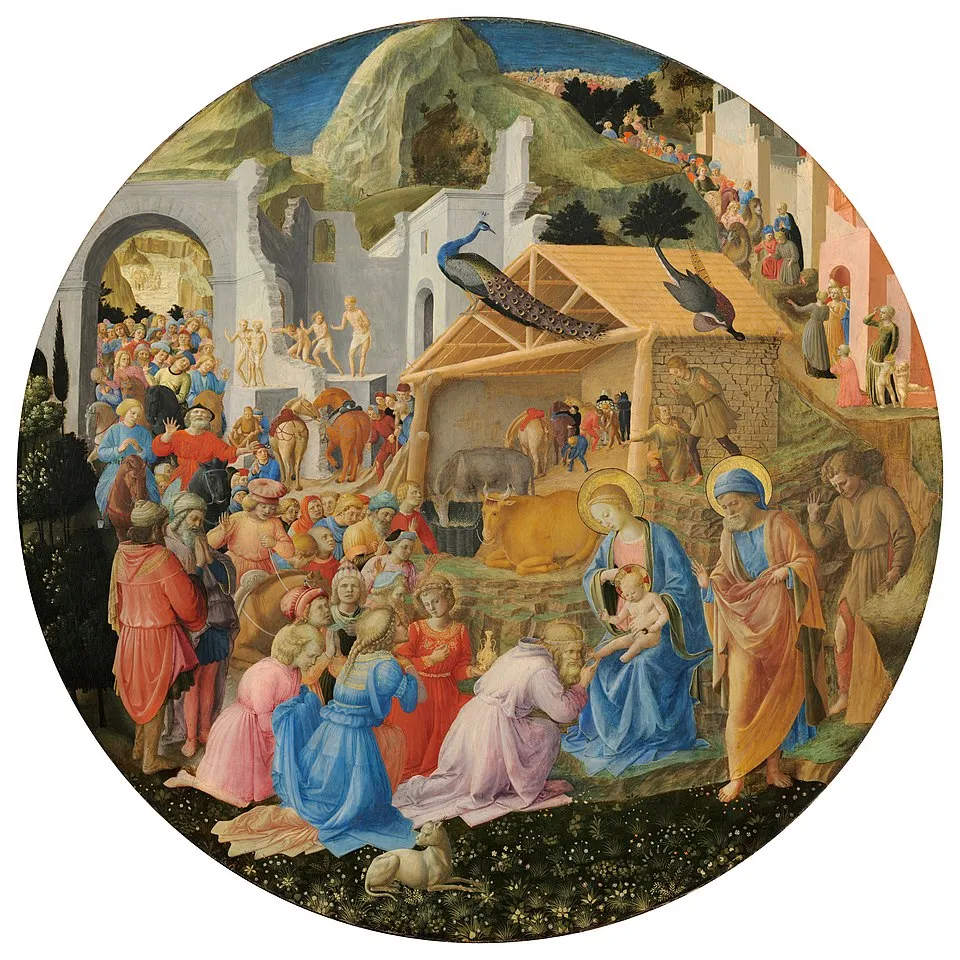
Moral Conscience in Catholic Teaching: The ‘Upright Conscience’ Principle
The Catholic concept of moral conscience forms the bedrock of ethical decision-making. According to the Catechism of the Catholic Church, conscience is “a judgment of reason by which the human person recognizes the moral quality of a concrete act.” In the Vietnamese context, this principle is expressed as upright conscience (lương tri ngay thẳng), emphasizing integrity in all circumstances. This theological principle directly underpins the core values of honesty, service, and respect.
An upright conscience enables individuals to discern right from wrong, choose truth over deception, and act with moral courage. It calls for consistency between one’s beliefs and actions, whether in private family life or public business dealings. For Vietnamese Catholics, forming a well-formed conscience involves regular participation in the sacraments, study of Scripture, and guidance from Church teaching.
This process ensures that values are not merely abstract ideals but lived realities that shape daily interactions and decisions. The CBCV has emphasized conscience formation in its 2026 pastoral letters, noting that a well-formed conscience is essential for navigating modern ethical challenges.
Upright Conscience in Practice: Honesty in Vietnamese Business and Family (2026)
In 2026, the principle of upright conscience guides honest behavior across Vietnamese Catholic communities. In business, this means transparent transactions, fair wages, and honoring contracts even when cultural pressures might encourage shortcuts. For example, Catholic entrepreneurs in Ho Chi Minh City have formed networks to share best practices in ethical commerce, reporting increased customer trust and long-term sustainability.
One notable initiative is the “Ethical Business Circle” in Hanoi, where Catholic business owners commit to zero tolerance for corruption and bribery, resulting in a 20% increase in repeat customers over two years. Within families, upright conscience fosters truthful communication and accountability. Parents model honesty by admitting mistakes and teaching children that integrity outweighs short-term gains.
A 2025 study by the Catholic University of Vietnam found that families practicing daily moral reflection showed 40% higher levels of trust among members. These practices align with the CBCV’s call for a “culture of honesty” in its 2026 message to the faithful.
For families struggling with honesty issues, family psychology advice offers faith-based strategies. This concrete application of conscience transforms relationships and builds communities where honesty becomes the norm rather than the exception.
Service as Christian Charity: Caritas Vietnam and Parish Outreach Groups
Service flows naturally from a conscience formed by Catholic teaching. In Vietnam, this manifests through organized charitable efforts:
- Caritas Vietnam coordinates national disaster response and poverty alleviation, serving over 200,000 beneficiaries annually with food, shelter, and medical aid. In 2026, Caritas Vietnam launched a “Rice for Lent” campaign that distributed 5,000 tons of rice to families in the Mekong Delta, exemplifying seasonal solidarity.
- Parish-based charitable groups operate at the local level, providing meals for the elderly, tutoring for disadvantaged children, and home visits for the sick. In 2026, these groups reported a 25% increase in volunteer participation compared to 2025. For instance, the parish of St. Anne in Da Nang runs a “Mobile Clinic” that provides free medical check-ups to rural villages twice monthly.
- Youth service initiatives engage teenagers in community clean-ups, elder care, and fundraising for education, fostering a culture of generosity from an early age. The “Youth for Service” program in Ho Chi Minh City mobilized 1,200 teenagers for a city-wide cleanup during Lent 2026.
- Interfaith service collaborations bring Catholics together with Buddhist and Protestant groups to address common social challenges, demonstrating solidarity beyond religious boundaries. Following the 2025 Central Vietnam floods, Catholic and Buddhist volunteers jointly built 150 temporary houses for displaced families.
- Deacons often coordinate these efforts, leveraging their community connections to identify those most in need. Parish outreach groups also promote family wellness tips through shared meals and health education.
These organizations make the value of service tangible, turning abstract charity into concrete actions that uplift communities and witness to Gospel values.
Living These Values: Daily Practices in Vietnamese Catholic Life
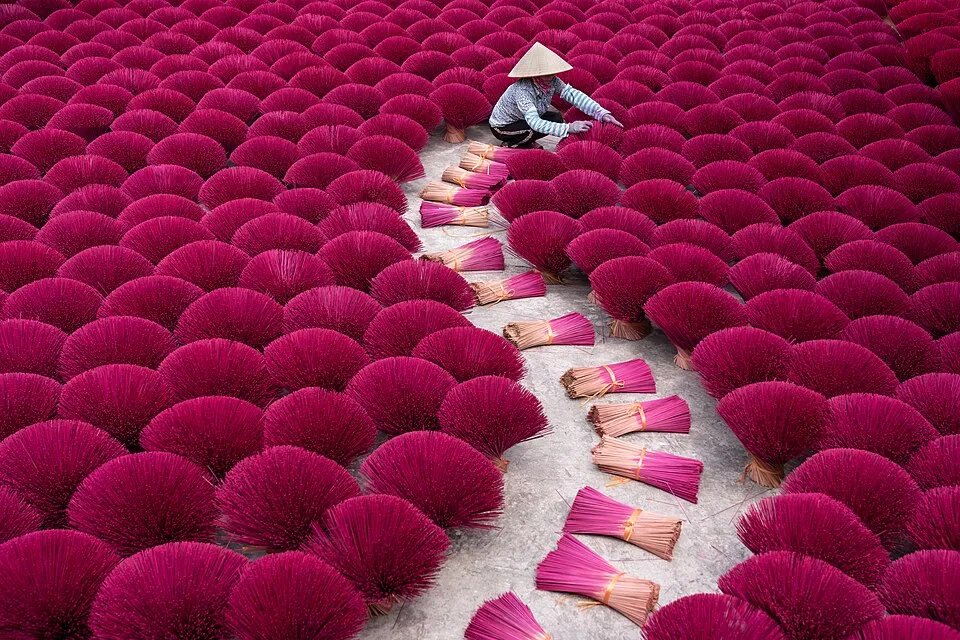
Tết Celebrations: Special Masses and Ancestor Prayer During Lunar New Year
Tết, the Vietnamese Lunar New Year, offers a powerful example of inculturated Catholic practice. Vietnamese Catholics celebrate with special Masses that incorporate traditional music and floral decorations while maintaining liturgical integrity. A distinctive practice is the prayer for ancestors, which merges Vietnamese filial piety with Catholic intercession.
Families visit cemeteries to clean graves and offer incense, then gather for a home blessing where they pray for deceased relatives using Catholic prayers. This synthesis respects cultural heritage while affirming Catholic belief in the communion of saints. The CBCV’s 2025 document on inculturation specifically encourages such practices, noting that they strengthen both faith and cultural identity.
In 2026, dioceses across Vietnam reported increased participation in Tết liturgies, with some parishes hosting over 1,000 faithful for the Lunar New Year Mass. The Archdiocese of Hanoi’s Tết Mass featured traditional áo dài vestments and Vietnamese instruments, drawing record crowds.
For more on integrating faith and culture, see the CBCV’s life skills education resources. These celebrations demonstrate how Catholic values of respect for family and tradition can be lived out within a vibrant cultural context.
Daily Eucharist and Parish Community: Forming Values Through Regular Worship
Regular participation in the Eucharist serves as the primary source for forming Christian values. In Vietnam, many parishes offer daily Mass, with strong attendance from elderly and retired Catholics who form the spiritual backbone of communities. The daily rhythm of worship provides ongoing formation, reinforcing Gospel values through Scripture readings and homilies.
Parish communities extend this formation through fellowship meals, Bible study groups, and service projects that apply Sunday teachings to everyday life. A 2026 survey by the CBCV’s Commission for Pastoral Care found that 78% of regular Mass attendees felt “well-equipped” to make ethical decisions in their professional lives. For instance, the parish of St.
Joseph in Hanoi reports that its daily Mass attendees are three times more likely to volunteer in parish outreach programs. This integration of worship and community creates a supportive environment where values are not only taught but lived, with the parish functioning as an extended family that models honesty, service, and respect in all interactions. Parishioners seeking deeper spiritual formation can access personal growth resources that complement the Eucharist.
Youth Congress 2026: 5,000+ Young Catholics Called to Active Discipleship
The 2026 Archdiocesan Youth Congress stands as a major milestone in value transmission for young Catholics. Held in Hanoi in March 2026, the event drew over 5,000 participants under the theme “Come and Remain” (Hãy đến và ở lại). Key aspects include:
- Keynote sessions by bishops and youth leaders focusing on living Catholic values in modern Vietnam.
- Workshops on ethical decision-making, service projects, and vocational discernment.
- Sacramental opportunities including confession and adoration, deepening spiritual life.
- Community building through music, drama, and shared meals, fostering peer support.
- Call to action challenging youth to become “missionary disciples” in their schools, families, and workplaces.
- A special session on “Social Media Ethics” addressed online honesty, while a “Service Expo” connected youth with 30 local charities.
- Six bishops presided over the closing Mass, underscoring ecclesial support.
The congress empowered young Catholics to integrate honesty, service, and respect into their daily lives, with 85% of attendees reporting increased commitment to volunteer service in their local parishes following the event. Parents can support their children’s discipleship by exploring parenting based on ethics.
Family and Community: The Engines of Value Transmission
The Family-Centered Faith Formation (FCFF) initiative, promoted by the CBCV since 2025, positions the Vietnamese home as the primary setting for value transmission. FCFF integrates traditional Vietnamese values such as respect for elders, communal harmony, and educational achievement with Catholic teachings on love, service, and moral integrity. Families receive resources, including ethical parenting strategies, to conduct weekly faith discussions, prayer routines, and service activities that make values experiential.
For example, a typical FCFF session might involve reading a Gospel passage about honesty, discussing its application in school or work, and then performing a family service project. This approach recognizes that children learn values more through observation and participation than through formal instruction alone.
By 2026, over 60% of Vietnamese Catholic parishes had implemented FCFF programs, creating a network of homes where prayer, love, and service naturally foster vocations and lifelong commitment to Catholic values. The initiative demonstrates how the domestic church becomes a “primary school of virtue” where faith is lived and transmitted across generations.
Missionary Theme 2026-2027: Every Christian Community as a Missionary Community
The CBCV’s 2026-2027 pastoral theme, “Every Christian community is a missionary community,” reframes value transmission as an outward-facing mission. This theme, inspired by Pope Francis’ call for a “Church in mission,” challenges Vietnamese Catholics to live their values not only within church walls but in all aspects of public life. It encourages communities to become “field hospitals” of mercy, serving the poor, advocating for justice, and witnessing to Gospel values in workplaces and schools.
In practice, this means parishioners are equipped to discuss their faith in everyday conversations, volunteer in social service, and promote ethical standards in their professions. The missionary focus has led to a 30% increase in community outreach activities reported by dioceses in early 2026, as Catholics embrace their role as ambassadors of Christ’s love and truth in Vietnamese society. The missionary theme also inspires inspirational healing articles that showcase faith’s transformative power.
Vocational Growth: 61 New Deacons Ordained in Early 2026
The ordination of 61 new permanent deacons in early 2026 signals growing vocational vitality within the Vietnamese Church. These deacons, ordained across 12 dioceses, commit to a threefold ministry of Word, liturgy, and charity—precisely the areas that transmit core life values. Their role is particularly significant because deacons serve at the intersection of church and community, often working in secular professions while living out Gospel values.
They model honesty in business, service through charitable works, and respect in interfaith dialogue. The deacons also assist priests in preaching, making them direct proclaimers of Catholic teaching on moral values.
This surge in diaconal vocations reflects the effectiveness of family and community formation, as many new deacons cite their families and parishes as primary influences in their discernment. Their presence strengthens the Church’s capacity to form and transmit values at the local level, providing tangible examples of service and leadership for the faithful.
Vietnam’s Religious Landscape and Freedom: Context for Catholic Values
Vietnam’s diverse religious landscape provides the context in which Catholic values are taught and lived. The following table shows the approximate distribution of religious affiliation according to 2025-2026 data:
| Religion | Percentage of Population |
|---|---|
| Irreligion / Folk Religion | 76.5% |
| Buddhism | 13.3% |
| Catholicism | 6.60% |
| Hoahaoism Buddhism | 1.40% |
| Caodaism | 1.00% |
| Protestantism | 1.00% |
Despite being a minority, Vietnamese Catholics practice their faith openly under constitutional protections. The Government of Vietnam does not favor any particular religion; the Constitution expressly protects the right to both “belief” and “non-belief.” This environment allows the Catholic Church to operate schools, hospitals, and social service agencies, and to teach values like honesty, service, and respect without state interference. According to the U.S.
State Department’s 2025 International Religious Freedom Report, Vietnam’s legal framework provides for these protections, though local implementation can vary. Religious freedom enables the CBCV to publish materials, host conferences, and implement programs such as FCFF and the youth congress. While some questions arise about which religion Vietnam “does not like,” the official stance is neutrality, and Catholics report increasing freedom to practice their faith and contribute to society.
The most surprising finding in researching Vietnamese Catholic life values is the depth of inculturation seen during Tết celebrations, where ancestor veneration—a deeply rooted Vietnamese practice—is seamlessly integrated with Catholic prayer. This demonstrates that faith can honor cultural traditions while transforming them with Gospel meaning. For Vietnamese Catholics seeking to live out honesty, service, and respect, the action step is clear: adopt the Family-Centered Faith Formation model.
Begin with simple weekly family discussions that connect Catholic teachings to everyday situations, and participate in parish service groups to turn values into action. The CBCV’s 2026 resources provide practical tools for this journey, available at life values guidance.
Frequently Asked Questions About Life Values Guidance
What percentage of Vietnam's population is Catholic, and how does this community promote core life values?
6.60% of Vietnam's population is Catholic. This minority actively shapes values like honesty and service through family traditions and parish programs, as noted in the article's discussion on community transmission.
How much have trust levels increased among those practicing Catholic core values?
40% higher levels of trust. This rise is linked to daily practices of honesty and respect within Vietnamese Catholic communities.
What is the increase in volunteer participation driven by Catholic service values?
25% increase in volunteer participation. More Catholics engage in service activities, reflecting the value of service in daily life.
By what percentage have community outreach activities grown in Vietnamese Catholic parishes?
30% increase in community outreach activities. Parishes expand service initiatives, demonstrating the value of service and respect.
What percentage of Vietnam's population is Catholic, and how does this community promote core life values?
6.60% of Vietnam's population is Catholic. This minority actively shapes values like honesty and service through family traditions and parish programs, as noted in the article's discussion on community transmission.