The historical documents governing Vietnamese bishops trace a clear evolution from 17th-century papal briefs establishing apostolic vicariates to 20th-century constitutions creating a native hierarchy, and finally to modern pastoral letters defining episcopal responsibilities in a socialist context. These texts, preserved by the Catholic Bishops’ Conference of Vietnam (CBCV) and Vatican archives, provide the legal and theological foundation for the church’s governance in Vietnam today.
- The 1659 papal brief Super Cathedram created the first two apostolic vicariates for Vietnam
- Pope John XXIII’s 1960 constitution Venerabilium Nostrorum established the first Vietnamese diocese and native bishops
- The 1988 canonization of 117 Vietnamese Martyrs by Pope John Paul II represents a key document of identity
- CBCV pastoral letters from 2025-2026 define bishops’ responsibilities in Vietnam’s current socio-political context
Papal Documents Establishing Ecclesiastical Structure in Vietnam
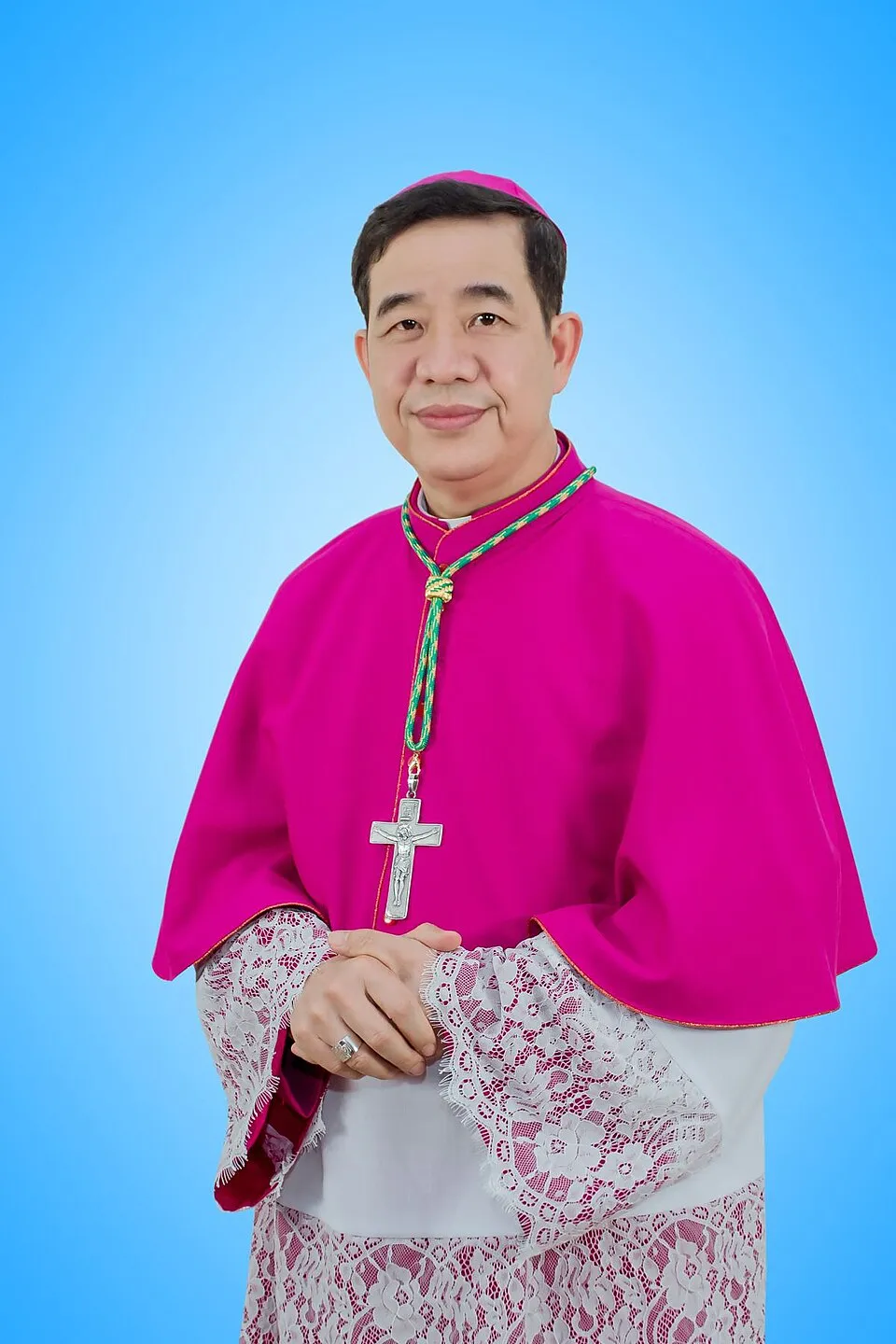
The foundational legal framework for bishops in Vietnam originates from three pivotal Vatican documents that progressively transferred authority from missionary societies to local clergy. These documents reflect the Vatican’s long-term strategy of inculturation and ecclesial self-governance in Southeast Asia.
1659 Super Cathedram: Creating the First Apostolic Vicariates
Pope Alexander VII’s 1659 apostolic brief Super Cathedram established the first two apostolic vicariates for Vietnam: Đàng Ngoài (Northern Vietnam) and Đàng Trong (Southern Vietnam). This document placed these territories under the direct jurisdiction of the Congregation for the Propagation of the Faith and appointed bishops from the Paris Foreign Missions Society (MEP) to lead them.
The brief represented a significant shift from earlier Jesuit-administered missions, creating a permanent hierarchical structure that would last over 300 years. According to historical analysis from JSTOR (2008), this document “imposed direct papal authority over the global Catholic Church that was being created in historically non-Catholic regions” and created the administrative framework that defined bishops’ roles as vicars apostolic with direct reporting lines to Rome.
1960 Venerabilium Nostrorum: From Vicariates to Dioceses
The most transformative document for Vietnamese bishops is Pope John XXIII’s 1960 apostolic constitution Venerabilium Nostrorum. This document abolished the apostolic vicariates and erected the first seven dioceses in Vietnam, including the archdioceses of Hanoi and Saigon. Crucially, it provided for the appointment of the first native Vietnamese bishops to lead these dioceses, ending nearly three centuries of French missionary episcopal leadership, a transition explored in Bishops in French Indochina.
The CBCV’s official history (2025) confirms that this constitution “established the Vietnamese Catholic hierarchy” and enabled the first indigenous episcopacy. The document specified canonical boundaries, cathedral rights, and the process for episcopal selection that remains in effect today.
Key Diocesan Establishments: 1933-2005
The implementation of Venerabilium Nostrorum and subsequent Vatican documents created Vietnam’s current diocesan structure. The following table shows the chronological establishment of major dioceses and the papal documents that created them:
| Year | Diocese/Archdiocese | Papal Document | Significance |
|---|---|---|---|
| 1933 | Bishop Nguyễn Bá Tòng appointed | First native Vietnamese bishop | First Vietnamese bishop, though serving as auxiliary |
| 1960 | 7 dioceses established | Venerabilium Nostrorum | Created native hierarchy; first diocesan bishops appointed |
| 1963 | Archdiocese of Đà Nẵng | Apostolic Constitution | Split from Huế; expanded central Vietnam coverage |
| 1965 | Diocese of Xuân Lộc | Apostolic Constitution | New diocese in southern Vietnam |
| 2005 | Diocese of Ba Ria | Apostolic Constitution | Most recent diocese; split from Xuân Lộc |
This expansion from 7 dioceses in 1960 to 27 dioceses today (including 3 archdioceses) demonstrates the Vatican’s long-term commitment to a fully indigenous Vietnamese episcopacy. The World Christian Database (2026) confirms Vietnam now has the fifth largest Catholic population in Asia, served by this diocesan structure.
Modern Pastoral Letters and Episcopal Responsibilities
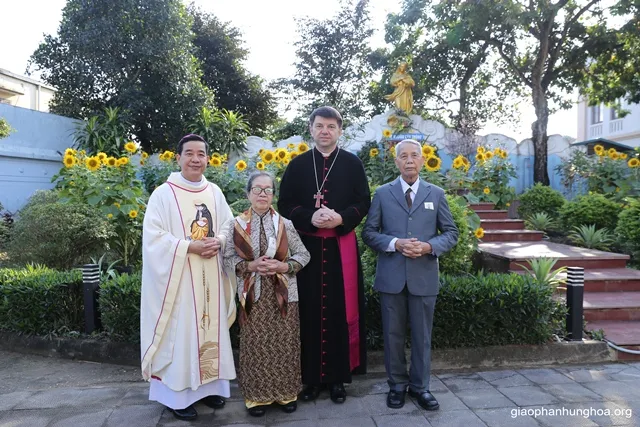
While papal documents established the legal structure, contemporary pastoral letters from the CBCV define the practical responsibilities of Vietnamese bishops in the 21st century. These documents address the unique challenges of pastoral ministry in Vietnam’s socialist context while maintaining universal Catholic doctrine.
CBCV Pastoral Letters: Defining Bishops’ Roles (2025-2026)
The CBCV issues regular pastoral letters that guide bishops’ ministry. These documents, published on the official CBCV website (2025-2026), cover specific aspects of episcopal responsibility:
- Sacramental governance: Regulations on confirmation schedules, clergy assignments, and parish visitations
- Social engagement: Guidelines for bishops’ interactions with government authorities at provincial and national levels
- Evangelization strategy: Five-year pastoral plans approved by the plenary assembly
- Clerical formation: Standards for seminary education and ongoing priestly formation
A 2025 CBCV message on “Church Documents” explicitly outlines bishops’ duties in “coordinating pastoral care” across their dioceses while maintaining communion with both the Vatican and Vietnam’s government. These letters serve as the primary operational manual for Vietnam’s 27 bishops.
Vatican Documents: Pastores Dabo Vobis and Local Application
The 1992 post-synodal apostolic exhortation Pastores Dabo Vobis by Pope John Paul II provides the universal theological framework for episcopal ministry. Vietnamese bishops apply this document through:
- Spiritual formation: Mandatory annual retreats and ongoing theological education
- Pastoral visitation: Required quadrennial visits to every parish in the diocese
- Clergy oversight: Direct responsibility for priest assignments and evaluations
According to EUPublishing (2019), Vietnamese bishops have “negotiated with the socialist government” since 1954 while implementing these Vatican norms, with their leadership during the Vietnam War period being particularly significant, as discussed in Bishops during the Vietnam War Period. The document notes that bishops’ “responsibilities include both spiritual leadership and civic engagement,” a dual role unique to Vietnam’s context.
Episcopal Responsibilities in Contemporary Vietnam
Today’s Vietnamese bishops operate under a complex set of responsibilities defined by:
- Canon law: Universal Church governance
- Vatican decrees: Specific to Vietnam’s situation
- CBCV pastoral letters: Local implementation guidelines
- Government regulations: Religious affairs laws requiring bishops to register activities
The CBCV’s organizational structure shows bishops serving on standing committees for liturgy, social communications, and inter-religious dialogue. Each bishop holds specific portfolio responsibilities beyond diocesan administration, contributing to the conference’s collective mission.
Preservation and Access to Historical Records
The physical and digital preservation of these historical documents ensures continuity of ecclesiastical authority. The CBCV maintains archives while academic institutions provide scholarly analysis.
CBCV Archives: Digital Access to Church Documents
The CBCV website’s “Church Documents” section (2025) serves as the primary digital repository for:
- Papal bulls and constitutions affecting Vietnam
- CBCV pastoral letters from 2000-present
- Diocesan establishment decrees
- Synodal documents and assembly reports
This archive provides Vietnamese bishops with direct access to the legal foundations of their authority. The site notes that these documents are “essential for understanding the rights and duties of bishops in Vietnam’s unique context.”
Academic Research: JSTOR and EUP Studies on Vietnamese Episcopacy
Scholarly analysis of these documents appears in:
- JSTOR (2008): “The First Vietnamese Catholic Bishops and the Birth of a…” analyzes how 1960s bishops navigated post-colonial identity
- EUPublishing (2019): “The Roman Catholic Church in Vietnam, 1954–2010” examines how bishops adapted Vatican II reforms to socialist Vietnam
- Academia.edu: Studies on inculturation by Klaus Krämer & Klaus Vellguth explore how bishops contextualized universal Church teaching
These peer-reviewed sources provide critical historical context for understanding how bishops’ authority evolved through documented decisions.
Challenges in Document Preservation
Key preservation challenges include:
- Language diversity: Documents exist in Latin, French, Vietnamese, and English
- Physical degradation: 17th-century parchment requires specialized climate control
- Political sensitivity: Some 1954-1975 documents remain restricted in Vietnam
- Digital migration: Converting pre-2000 documents to searchable formats
The CBCV’s 2025 administrative report indicates ongoing digitization efforts, with 60% of key documents now available online to bishops and researchers.
The Living Authority of Historical Documents
These historical documents are not museum pieces but living instruments of governance. When the CBCV issues a new pastoral letter in 2026, it references Venerabilium Nostrorum for diocesan boundaries and Pastores Dabo Vobis for theological foundations. The 1659 Super Cathedram remains cited in discussions about bishops’ direct relationship with the Holy See.
The canonization of the 117 Vietnamese Martyrs in 1988 by Pope John Paul II represents the most recent major document shaping bishops’ identity. This canonization, celebrated by thousands at St.
Peter’s Square according to Associated Press (1988), provided a model of heroic fidelity that contemporary bishops are called to emulate. The martyrs’ feast day on November 24 appears in every diocesan liturgical calendar, connecting today’s bishops to this historical witness.
For researchers seeking primary sources, the CBCV’s bishops directory provides contact information for each diocese’s archive. The Vatican Secret Archives holds the original papal bulls, while Vietnamese diocesan archives contain translations and implementation records. Understanding these documents is essential for anyone studying how the Catholic Church maintained hierarchical continuity through colonialism, war, and socialist governance.
The evolution from Super Cathedram (1659) to CBCV pastoral letters (2026) demonstrates a consistent principle: bishops’ authority in Vietnam derives from a clear chain of documented transmission from the papacy, adapted to local circumstances through recognized legal processes. This documented lineage provides stability amid change, ensuring that whether serving in Hanoi or Ho Chi Minh City, every Vietnamese bishop operates under the same foundational texts that have guided the church for over 350 years.
Frequently Asked Questions About Historical Documents On Vietnamese Bishops
Who was the first native Vietnamese bishop and when was he appointed?
Bishop Nguyễn Bá Tòng was appointed in 1933 as the first native Vietnamese bishop, though serving as auxiliary.
What papal document established the native hierarchy in Vietnam and what year?
The papal document Venerabilium Nostrorum in 1960 created the native hierarchy, appointing the first diocesan bishops and establishing seven dioceses.
Which archdiocese was split from Huế in 1963 and what was its significance?
The Archdiocese of Đà Nẵng was split from Huế in 1963 via an Apostolic Constitution, expanding coverage in central Vietnam.
When was the Diocese of Xuân Lộc established and by what means?
The Diocese of Xuân Lộc was established in 1965 through an Apostolic Constitution as a new diocese in southern Vietnam.
What is the most recent diocese established in Vietnam and when?
The Diocese of Ba Ria, established in 2005 via an Apostolic Constitution, is the most recent, split from Xuân Lộc.