Vietnam’s 27 Catholic dioceses resulted from centuries of evolution, not a single decree. This structure, comprising three ecclesiastical provinces and serving approximately 7 million Catholics, was formally established by Pope John XXIII in 1960. The journey to 27 dioceses began in the 16th century with early missionaries and involved key milestones like the 1659 establishment of two Vicariates Apostolic, periods of persecution that decentralized the Church, and French colonial influences that defined ecclesiastical territories.
The precise number 27 was never officially decreed but emerged from pastoral and administrative needs over time. For the complete list and current boundaries, refer to the List of Dioceses in Vietnam.
- Vietnam’s 27 dioceses evolved from just 2 vicariates established in 1659, through persecution and colonial expansion, to Pope John XXIII’s 1960 formal hierarchy.
- Four canonical imperatives—pastoral care, local clergy formation, territorial boundaries, and structural independence—drove the establishment of new dioceses over centuries.
- The exact number 27 was never set by a single decree but emerged organically from administrative and pastoral needs.
How Did Vietnam’s Dioceses Evolve to Number 27?

Key Milestones in the Formation of Vietnam’s 27 Dioceses
| Period | Event | Significance |
|---|---|---|
| 1659 | Pope Alexander VII established two Vicariates Apostolic | Crucial step for organized oversight and development of a local priesthood |
| 17th–19th centuries | Periods of persecution led to decentralized structure with multiple vicariates | Ensured resilience and adaptation under pressure, expanding ecclesiastical presence |
| 1860–1945 (French Rule) | Ecclesiastical territories more formally defined, often aligning with administrative boundaries | Created stable territorial jurisdictions that facilitated pastoral care |
| 1960 | Pope John XXIII established formal hierarchy of dioceses and archdioceses | Transformed the Church in Vietnam from missionary territories to a local hierarchical church with greater autonomy |
The 1659 division into two vicariates by Pope Alexander VII laid the foundational structure for episcopal oversight in Vietnam. This move provided direct leadership and initiated the training of native clergy, reducing dependence on foreign missionaries. During the 17th to 19th centuries, intense persecution scattered Christian communities and forced the Church to adapt by multiplying vicariates—such as Eastern and Western Tonkin—to maintain sacramental life despite adversity.
The French colonial era (1860–1945) brought relative stability, allowing the Church to define ecclesiastical territories more formally, often in sync with colonial administrative divisions that are reflected in the Vietnam Dioceses Map. This period saw the construction of churches, seminaries, and institutions that anchored the Church’s presence. Finally, in 1960, Pope John XXIII’s apostolic constitution established the formal hierarchy of dioceses and archdioceses, crystallizing the territorial divisions that had evolved over centuries.
Each phase—missionary expansion, persecution-driven adaptation, colonial consolidation, and post-colonial autonomy—contributed incrementally to the numerical and structural growth that culminated in 27 dioceses. For a deeper exploration of these historical events, consult the history of Catholicism in Vietnam.
The Number 27: An Organic Outcome, Not a Single Decree
The exact historical or canonical decree that fixed the number of dioceses at precisely 27 is not explicitly documented in available sources. Instead, the number emerged from the cumulative effect of establishing new dioceses over centuries in response to growing pastoral and administrative needs. Each time a vicariate was split or a new territory was carved out due to population growth or geographic considerations, the total count increased.
The 1960 hierarchy formalized existing territories but did not set a final number; subsequent adjustments, such as the creation of new dioceses or merging of others, have maintained the count at 27. This organic evolution reflects the Church’s adaptive governance, where structural changes follow practical demands rather than abstract numerical targets. Thus, 27 is not a canonical constant but a snapshot of a dynamic history that continues to respond to the needs of Vietnam’s Catholic community, which now numbers around 7 million.
Canonical Imperatives: The Four Pillars of Diocesan Establishment
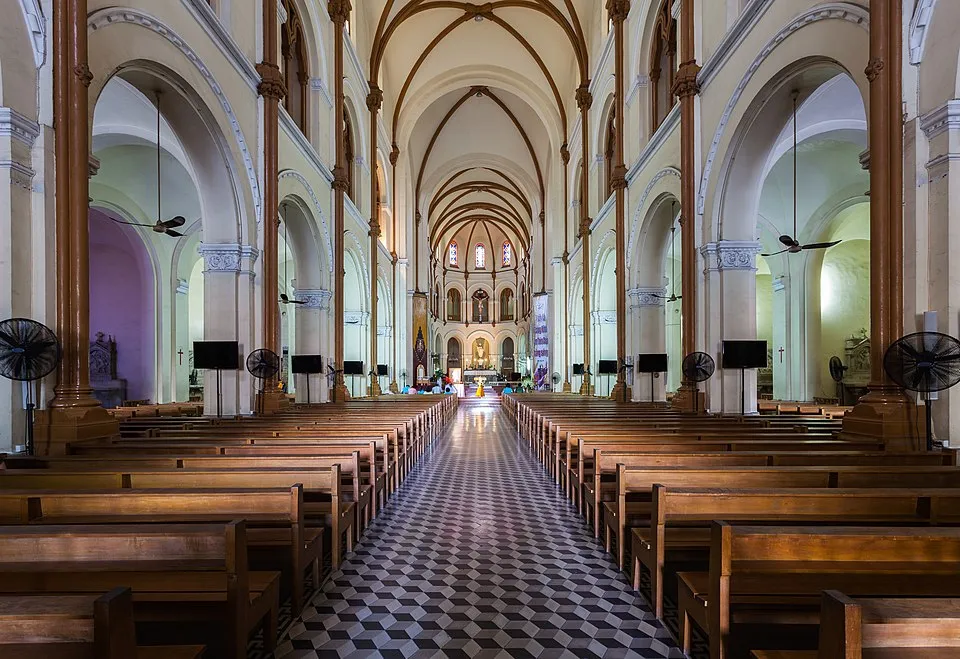
Pastoral Care and Local Clergy: Foundations for Vietnam’s Dioceses
The establishment of dioceses in Vietnam was driven by four core canonical imperatives. The first two—effective pastoral care and the formation of a local clergy—are deeply interconnected. As the Catholic population grew from the 16th century onward, the need to bring sacraments, education, and spiritual guidance closer to the faithful became urgent.
Initially, foreign missionaries served scattered communities, but the distance and limited numbers made sustained pastoral care challenging. Creating new dioceses allowed bishops to reside within their territories, providing direct oversight and ensuring that parishes, schools, and charitable institutions could thrive, with the Catholic Directory Vietnam assisting the faithful in locating parish and diocesan offices.
Vietnamese clergy could better understand local culture, language, and needs, fostering deeper inculturation and trust. The 1659 establishment of vicariates was a crucial step in this direction, as it created structures for training and ordaining local priests. Over time, as more Vietnamese men entered seminaries and were ordained, the Church reduced its reliance on foreign missionaries, paving the way for a truly local hierarchy.
These two imperatives—pastoral proximity and indigenous leadership—worked together to justify the creation of additional dioceses, each serving a specific region with its own bishop and clergy. Understanding the role of dioceses in church administration highlights how these imperatives shaped the current structure.
Territorial Boundaries and Structural Independence: The Path to 27 Dioceses
The remaining canonical imperatives—the definition of clear territorial jurisdictions and the pursuit of structural independence—were equally vital. Clear boundaries ensure that each bishop’s authority is geographically defined, preventing overlap and confusion. This territoriality allows for efficient administration of parishes, schools, and social services, and it respects the principle of subsidiarity, where decisions are made at the most local level possible.
In Vietnam, these boundaries often followed natural geographic features or colonial administrative lines, which later evolved into the current diocesan borders. Structural independence, the fourth imperative, refers to the Church’s ability to govern itself without external missionary control. For decades, Vietnamese Catholics were under the oversight of vicariates apostolic, typically led by bishops from missionary orders.
The push for a local hierarchy, culminating in Pope John XXIII’s 1960 decree, was a move toward self-governance. It allowed Vietnamese bishops to be elected or appointed with local input, manage their own resources, and chart a pastoral course suited to their context.
This independence was essential for the Church to mature as a local institution, fully capable of serving the faithful while remaining in communion with the universal Church. Together, these four imperatives—pastoral care, local clergy, territorial boundaries, and independence—drove the gradual expansion to 27 dioceses.
The 1960 Hierarchy: Establishing Vietnam’s 27 Dioceses
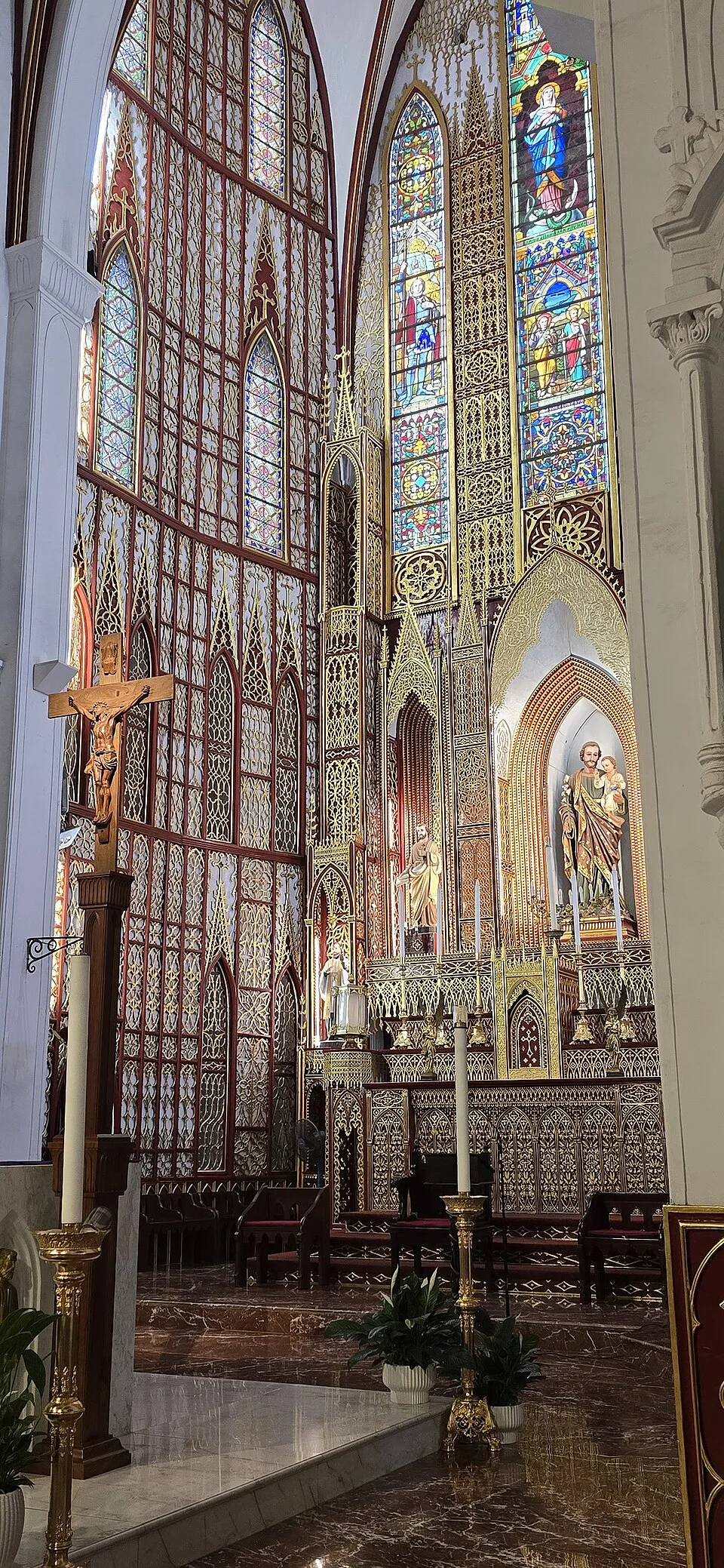
The 1960 Apostolic Constitution: Formalizing Vietnam’s 27 Dioceses
In 1960, Pope John XXIII issued an apostolic constitution that fundamentally reshaped the Catholic Church in Vietnam. This decree dissolved the existing vicariates apostolic and erected in their place a full hierarchy of dioceses and archdioceses, organized into three ecclesiastical provinces. The transformation was profound: Vietnam ceased to be considered missionary territory and became a local Church with full episcopal governance.
This change occurred during the early years of the Second Vatican Council, which emphasized the importance of local churches adapting to their cultural contexts and exercising legitimate autonomy. For Vietnam, the 1960 hierarchy meant that bishops would now be diocesan bishops—residing in their own cathedrals, leading a local college of priests, and managing diocesan affairs with greater freedom. The move also facilitated the appointment of Vietnamese bishops to many sees, accelerating the inculturation process.
This change occurred during the early years of the Second Vatican Council, which emphasized the importance of local churches adapting to their cultural contexts and exercising legitimate autonomy. For Vietnam, the 1960 hierarchy meant that bishops would now be diocesan bishops—residing in their own cathedrals, with their history and architectural significance covered in the Cathedrals of Vietnam Dioceses, leading a local college of priests, and managing diocesan affairs with greater freedom. The move also facilitated the appointment of Vietnamese bishops to many sees, accelerating the inculturation process.
Before and After 1960: The Transformation to 27 Dioceses
| Aspect | Pre-1960 (Vicariates Apostolic) | Post-1960 (Dioceses) |
|---|---|---|
| Governance | Missionary territories under Propaganda Fide | Local hierarchical Church under Vatican Congregation for Bishops |
| Leadership | Vicars Apostolic, often from missionary orders | Diocesan bishops, increasingly Vietnamese |
| Territorial Organization | Vicariates, sometimes vast and sparsely staffed | Three ecclesiastical provinces with 27 dioceses (3 archdioceses, 24 suffragan dioceses) |
| Autonomy | Limited; major decisions referred to Rome | Greater self-governance; local bishops’ conference (CBCV) coordinates pastoral initiatives |
The 1960 transition from vicariates apostolic to a diocesan hierarchy dramatically improved the Church’s ability to serve Vietnam’s Catholics. Previously, missionary bishops managed vast territories with sparse clergy, hindering regular pastoral care. The new diocesan structure, with its smaller, more manageable territories, brought episcopal leadership closer to the people.
Each diocese now had its own cathedral, curia, and stable clergy, enabling more effective administration of sacraments, education, and social services. The establishment of three ecclesiastical provinces—Hà Nội, Huế, and Thành-Phố Hồ Chí Minh—fostered regional collaboration while maintaining local autonomy. With approximately 7 million Catholics today, the 27-diocese system ensures that no faithful are too remote from their shepherd.
This transformation, rooted in the canonical principles of pastoral care and structural independence, empowered the Vietnamese Church to grow from a missionary outpost into a vibrant, self-sustaining component of the global Catholic community. The current boundaries and statistical data of these dioceses are maintained by the CBCV.
The most surprising insight is that the number 27 was never set by a single papal bull or council decree. It is the organic result of centuries of adaptation—splitting vicariates as populations grew, defining boundaries during colonial times, and formalizing the hierarchy in 1960. This evolutionary process reflects the Church’s responsiveness to pastoral needs rather than administrative rigidities.
To see this evolution in practice, explore the individual dioceses on the Catholic Bishops’ Conference of Vietnam website at cbcvietnam.org/dioceses. Each diocese tells a unique story of resilience and faith, contributing to the rich tapestry of Vietnam’s Catholic heritage. The current structure of 27 dioceses stands as a testament to the Church’s ability to evolve while maintaining unity and pastoral effectiveness for approximately 7 million faithful.