Vietnamese Catholic organizations seeking to expand their outreach in 2026 must prioritize search engine optimization (SEO). Unlike commercial websites, nonprofit SEO focuses on connecting with communities, donors, and volunteers through purposeful content and technical precision.
The Catholic Bishops’ Conference of Vietnam (CBCV) and its associated charities serve as a model for how faith-based organizations can use digital tools to amplify their mission. This guide details the specific SEO tactics that deliver results for Vietnamese nonprofits in the current digital landscape.
- Technical SEO foundations—including site speed and mobile optimization—are non-negotiable for nonprofit visibility in 2026.
- Content must align with search intent through keyword research specific to Vietnam’s Catholic community and charitable work.
- Local SEO tactics, including Google Business Profile and Vietnamese-language citations, drive community engagement.
- Building quality backlinks from reputable Vietnamese and Catholic sources enhances domain authority.
- Measuring impact through Google Analytics and Search Console allows for data-driven strategy adjustments.
Technical SEO Foundations for Nonprofit Websites
A nonprofit website must be technically sound before any content or outreach efforts can succeed. In 2026, Google’s Core Web Vitals remain a critical ranking factor, and nonprofit sites often suffer from slow loading times due to unoptimized images and excessive plugins.
For Vietnamese Catholic organizations, ensuring the website loads within 2.5 seconds on mobile devices is essential, as over 70% of users in Vietnam access the internet via mobile phones (DataReportal, 2025). This requires compressing images, leveraging browser caching, and minimizing JavaScript.
Mobile-first indexing means Google primarily uses the mobile version of a site for ranking and indexing. A responsive design that adapts to all screen sizes is mandatory. Sites must also implement HTTPS security, which is a confirmed ranking signal and builds trust with visitors.
For organizations like the CBCV, a secure site (https://) protects donor information and maintains credibility. Structured data markup, such as Schema.org for organizations and events, helps search engines understand content and can result in rich snippets in search results, increasing click-through rates.
Site architecture should be logical and shallow—users and search engines should reach any page within three clicks from the homepage. A clear URL structure using hyphens (e.g., /charity-projects/vietnam) is preferable to complex parameters.
XML sitemaps and robots.txt files must be correctly configured and submitted to Google Search Console. Regular site audits using tools like Screaming Frog or Sitebulb identify broken links, duplicate content, and other technical issues that hinder performance.
Site Speed Optimization for Vietnamese Servers
For Vietnamese nonprofits, server location significantly impacts speed. Hosting on servers within Vietnam or Southeast Asia reduces latency.
Content Delivery Networks (CDNs) like Cloudflare can cache content globally, ensuring fast access for international donors. Specific optimizations include:
- Image compression: Use WebP format with fallbacks for older browsers. Tools like TinyPNG or Squoosh reduce file sizes without quality loss.
- Code minification: Remove unnecessary characters from CSS, JavaScript, and HTML files.
- Lazy loading: Implement for images and videos below the fold to speed up initial page load.
- Reduce redirects: Each redirect adds a network round-trip; keep them minimal.
According to Google’s 2025 benchmarks, sites that load in under 2 seconds see up to 50% lower bounce rates. For a parish website announcing a relief project, every millisecond counts for retaining visitor attention.
Accessibility and Core Web Vitals Compliance
Nonprofits have an ethical duty to make websites accessible to all, including people with disabilities. This aligns with the Catholic social teaching on human dignity. Key accessibility features include:
- Proper heading hierarchy (H1 → H2 → H3) for screen readers.
- Alt text for all meaningful images describing content concisely.
- Sufficient color contrast (minimum 4.5:1 for normal text).
- Keyboard navigation support.
- Transcripts for audio/video content.
Core Web Vitals—Largest Contentful Paint (LCP), First Input Delay (FID), and Cumulative Layout Shift (CLS)—must meet “good” thresholds. For LCP, aim for under 2.5 seconds by optimizing server response times and preloading key resources.
FID should be under 100 milliseconds by minimizing JavaScript execution time. CLS must be under 0.1 by ensuring ad spaces have dimensions and fonts are loaded with display: swap.
Keyword Research Aligned with Mission and Search Intent
Nonprofit SEO begins with understanding what people search for when seeking charitable or religious information. Keyword research for Vietnamese Catholic organizations must consider both English and Vietnamese terms, as the audience includes local Vietnamese speakers and the international diaspora. Tools like Google Keyword Planner, Ahrefs, or SEMrush provide search volume and competition data, but the human element—understanding community needs—is equally important.
Focus on three keyword categories:
- Informational: “How to help poor families in Vietnam,” “Catholic charities in Ho Chi Minh City,” “Laudato Si’ environmental projects Vietnam.”
- Navigational: “CBCV official website,” Caritas Vietnam activities, “Archdiocese of Hanoi.”
- Transactional/Conversion: “Donate to Vietnamese Catholic charity,” “volunteer with Church in Vietnam,” “Catholic school scholarships Vietnam.”
- Informational: “How to help poor families in Vietnam,” “Catholic charities in Ho Chi Minh City,” “Laudato Si’ environmental projects Vietnam.”
- Navigational: “CBCV official website,” “Caritas Vietnam,” “Archdiocese of Hanoi.”
- Transactional/Conversion: “Donate to Vietnamese Catholic charity,” “volunteer with Church in Vietnam,” “Catholic school scholarships Vietnam.”
Long-tail keywords (3+ words) often have lower competition and higher conversion intent. For example, “support ethnic minority education Vietnam Catholic” is more targeted than “charity Vietnam.” Local modifiers like “Saigon,” “Hanoi,” or “Binh Phuoc” capture community-specific searches. Seasonal terms like “Lent 2026 projects” or “Christmas charity drive” align with liturgical calendars.
Analyzing Search Intent for Nonprofit Content
Each keyword has an underlying intent that content must satisfy. Google’s algorithms prioritize pages that best match intent. For “environmental protection Laudato Si’ Vietnam,” the intent is informational—users look for Laudato Si’ implementation in Vietnam to see how Vietnamese Catholics are responding to the encyclical.
The content should detail specific projects, not just define the term. For “donate to Catholic orphanage Vietnam,” the intent is transactional; the page must have clear donation forms, beneficiary information, and trust signals.
SERP analysis reveals what Google considers the best results. If top pages for a keyword are detailed guides, a short blog post will not rank. If they include videos, consider adding multimedia.
For Vietnamese nonprofits, many searches will return results in Vietnamese; having high-quality Vietnamese-language content is essential for local reach. However, for an English-language portal like cbcvietnam.org, targeting English keywords serves the international community and diaspora.
Building a Keyword Map for Organizational Pages
A keyword map assigns target keywords to specific website pages, preventing cannibalization and ensuring comprehensive coverage. Example structure:
- Homepage: Broad terms like “Catholic Church Vietnam,” “CBCV.”
- About page: “Catholic Bishops’ Conference of Vietnam mission,” “history of Church in Vietnam.”
- Projects/Charity page: “Catholic charity projects Vietnam,” Catholic relief projects in Vietnam, “education support Catholic.”
- Blog/News: Long-tail queries like “how Vietnamese Catholics celebrate Lent,” “tree planting Binh Phuoc 2026.”
- Donate page: “donate to Vietnam Catholic charity,” “tax-deductible donations Vietnam.”
- Homepage: Broad terms like “Catholic Church Vietnam,” “CBCV.”
- About page: “Catholic Bishops’ Conference of Vietnam mission,” “history of Church in Vietnam.”
- Projects/Charity page: “Catholic charity projects Vietnam,” “disaster relief Vietnam Church,” “education support Catholic.”
- Blog/News: Long-tail queries like “how Vietnamese Catholics celebrate Lent,” “tree planting Binh Phuoc 2026.”
- Donate page: “donate to Vietnam Catholic charity,” “tax-deductible donations Vietnam.”
Each page should target one primary keyword and 2-3 secondary keywords. The primary keyword appears in the title tag, H1, first paragraph, and URL.
Secondary keywords support the main topic naturally. For a page about “Laudato Si’ environmental projects,” secondary keywords might include “ecological conversion Vietnam,” “tree planting Catholic,” “sustainable agriculture parishes.”
On-Page Optimization: Content That Ranks and Converts
On-page SEO involves optimizing individual page elements for target keywords while maintaining readability and purpose. For nonprofit pages, the goal is to inform, engage, and inspire action—whether that’s reading further, donating, or volunteering.
Title tags are the most important on-page factor. They should be under 60 characters, include the primary keyword near the beginning, and be compelling.
Example: “Environmental Protection: Vietnamese Catholics Respond to Laudato Si’ | CBCV”. The pipe (|) separates brand from topic.
Meta descriptions (150-160 characters) act as ad copy in search results. They should include the keyword, a clear value proposition, and a call-to-action.
Example: “Discover how Vietnamese Catholics are implementing Laudato Si’ through tree-planting, renewable energy, and education. Learn how to support these ecological projects.”
Header tags (H1, H2, H3) structure content for users and search engines. The H1 is the page title (usually same as title tag but not always). H2s outline main sections; H3s break down subsections.
Keywords should appear naturally in headers, but avoid stuffing. For a guide on “Nonprofit SEO,” H2s might include “Technical SEO Foundations,” “Keyword Research Aligned with Mission,” “Local SEO for Community Outreach.”
Content body must be substantial—aim for at least 1,200 words for comprehensive guides. Use short paragraphs (2-3 sentences), bullet points for lists, and bold for key terms. Answer the user’s question in the first paragraph.
Include the keyword naturally in the first 100 words, but prioritize clarity. For Vietnamese nonprofits, incorporating local context—mentioning specific dioceses, projects, or cultural references—adds relevance.
Images require descriptive file names and alt text. Instead of IMG_1234.jpg, use catholic-charity-vietnam-distribution.jpg. Alt text should describe the image and, if relevant, include a keyword: “Volunteers distribute food in Hanoi as part of Caritas Vietnam’s relief effort.”
Internal linking connects related content, spreading link equity and helping users discover more. Link to relevant pages using descriptive anchor text. For example, in a blog post about environmental projects, link to the main “Charity” page with anchor text “Catholic charitable work in Vietnam.” Avoid generic “click here” links.
Local SEO: Reaching Vietnamese Communities Where They Are
For nonprofits operating in specific Vietnamese cities or provinces, local SEO is critical for attracting local volunteers, donors, and beneficiaries. The primary tool is Google Business Profile (formerly Google My Business). Organizations with physical locations—parishes, schools, clinics—should claim and verify their listings.
Complete every field: address, phone number, hours, services, and attributes (e.g., “nonprofit,” “charity”). Posts on Google Business Profile share updates, events, and volunteer opportunities directly in search results.
Local citations—mentions of the organization’s name, address, and phone number (NAP) on other websites—build consistency and trust. Ensure NAP details are identical across all directories: Vietnamese business listings, Catholic directories, and charity evaluators like GuideStar or local equivalents. Key directories for Vietnamese Catholic organizations include:
- Vietnam Catholic directories (if available)
- Local chamber of commerce sites
- Community resource pages
- News outlets covering religious activities
Localized content addresses community-specific needs. Write about projects in Binh Phuoc, Ho Chi Minh City, or Hanoi using local keywords: “charity work in District 10 Saigon,” “orphanage support in Hue.” Include testimonials from local beneficiaries. If the organization serves multiple locations, create location-specific pages (e.g., /charity/ho-chi-minh-city) rather than one generic page.
Reviews and reputation management influence local rankings and user trust. Encourage satisfied beneficiaries, volunteers, and donors to leave Google reviews.
Respond professionally to all reviews—positive and negative—demonstrating engagement. For nonprofits, highlighting stories of impact in responses can turn a negative into a demonstration of transparency.
Link Building: Earning Authority and Trust

Backlinks from reputable sites signal trust to search engines. For Vietnamese Catholic nonprofits, link building should focus on quality over quantity. Earn links by creating valuable, shareable content and building relationships.
Content that attracts links:
- Original research or reports on social issues (e.g., “2026 Report on Poverty in Rural Vietnam”).
- Compelling stories of impact with data and quotes.
- Tools or resources (e.g., “Guide to Catholic Sacraments in Vietnam”).
- Expert contributions to larger publications (guest posts on Catholic news sites).
Outreach strategies:
- Partner with other Catholic organizations globally for cross-promotion.
- Contact Vietnamese news outlets (both Catholic and secular) with press releases about new projects.
- Engage with bloggers and influencers in the charity and faith spaces.
- List in relevant directories (Charity Navigator, Catholic directories).
Avoid toxic links from spammy or irrelevant sites. Disavow them via Google Search Console if necessary. Focus on links from:
.eduor.govsites (academic or government).- Established news organizations (e.g., UCA News, NCR Online).
- Relevant Catholic or charity websites.
- Local Vietnamese community sites.
For the CBCV, earning links from the Vatican website, Asian Catholic bishops’ conferences, or major Vietnamese media outlets carries significant weight.
Measuring Success: Analytics and Adjustments
Nonprofit SEO requires ongoing measurement to understand what works. Google Analytics 4 (GA4) tracks user behavior: how visitors find the site, which pages they view, how long they stay, and conversion actions (donations, volunteer sign-ups).
Set up goals for key actions: donation form submissions, newsletter sign-ups, contact form inquiries. Use UTM parameters to track campaign performance from email, social media, or external links.
Google Search Console shows search performance: which queries bring impressions and clicks, average position, and click-through rate (CTR). It also flags technical issues (mobile usability, indexing errors). For Vietnamese nonprofits, monitor queries in both English and Vietnamese to see which language content performs better.
Key metrics to track monthly:
- Organic traffic growth from search.
- Keyword rankings for target terms (top 10 positions are ideal).
- Conversion rate from organic traffic to desired actions.
- Bounce rate and average session duration (indicators of content engagement).
- Backlink profile growth and quality.
If a page ranks for a keyword but has a high bounce rate, the content may not satisfy intent. Revise to better answer the query.
If a high-value page (e.g., donation page) gets little traffic, improve its on-page SEO or build more links to it. Regular reporting (quarterly) helps leadership understand SEO’s impact on mission outreach.
Integrating SEO with Nonprofit Mission and Values
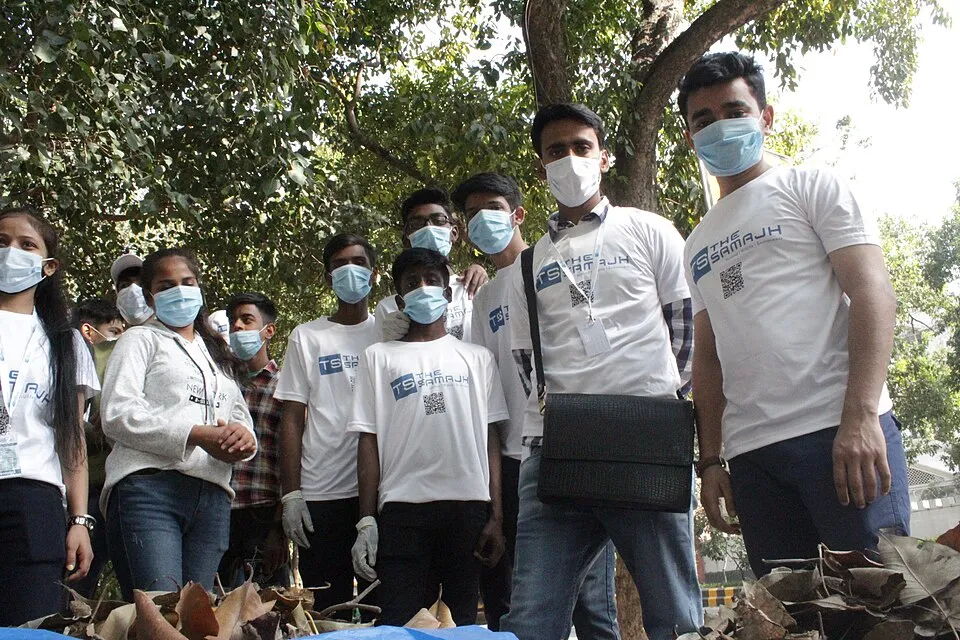
SEO for Vietnamese Catholic organizations must reflect the Church’s teachings—including social justice work for the marginalized—and local culture. Content should be authentic, transparent, and focused on service.
Avoid “clickbait” or sensationalism that could damage reputation. Instead, emphasize stories of hope, community, and faith in action.
Ethical considerations: Do not misrepresent the organization or exaggerate impact. Be accurate in claims about projects and outcomes.
For example, if a tree-planting campaign aimed for 1,000 trees and achieved 800, state that honestly. Donors value transparency.
Cultural nuance: Use language and examples that resonate with Vietnamese Catholics. Reference local saints, feast days, or cultural practices when relevant.
For an international audience, explain context briefly. Balance Vietnamese and English content based on audience analysis—the CBCV portal serves both.
Alignment with Laudato Si’: For environmental charity combining care and service, integrate the encyclical’s themes of “integral ecology” and “ecological conversion.” Show how technical SEO efforts (like optimizing a page about sustainable agriculture) help spread the Pope’s message. This creates a cohesive narrative where digital strategy serves spiritual and social mission.
Actionable Steps to Launch Your Nonprofit SEO Strategy
Begin with an audit: use free tools like Google’s Mobile-Friendly Test, PageSpeed Insights, and Search Console to identify quick wins. Fix critical errors (404s, slow pages, mobile issues) first.
Then conduct keyword research focused on your organization’s core programs. Create a content calendar that addresses identified keywords with a mix of formats—blog posts, project pages, event announcements.
Optimize existing high-value pages (homepage, about, donate) first, as they have the most authority. Ensure title tags, meta descriptions, and headers are keyword-optimized.
Add internal links from blog posts to these pages. For new content, follow the on-page checklist for each publication.
Build local citations by submitting consistent NAP information to Vietnamese and Catholic directories. Claim and optimize Google Business Profile.
Encourage reviews from program participants. Start a simple link-building outreach: identify 10 relevant sites that could link to your resources, and craft personalized pitches.
Set up analytics and Search Console if not already done. Define 3-5 key goals and track them monthly.
Schedule quarterly reviews to assess progress and adjust strategy. SEO is a long-term effort; consistent, quality work yields sustainable growth in visibility and support.
The most surprising insight is that technical SEO and mission-driven content—such as charity and social justice initiatives—are not opposing forces but complementary. A fast, accessible site that clearly communicates the Church’s work in Vietnam will naturally attract and retain the right audience. The global reach of programs like the Laudato Si’ Animators Formation Program demonstrates that well-optimized content can connect Vietnamese Catholic initiatives with a worldwide community.
Your immediate action step: Audit your organization’s homepage with Google’s PageSpeed Insights and Mobile-Friendly Test. Fix any critical issues within 48 hours, then move to optimizing title tags and meta descriptions for your top three program pages. This technical foundation ensures that all future content efforts have the best chance to rank and serve your mission.
Frequently Asked Questions About Environmental Protection
What are the criticisms of Laudato Si?
The economic theory that the encyclical takes to task is a straw man — a distorted version of market economics in which no government intervention is ever needed for markets to produce socially and ecologically beneficial conditions: “Some circles maintain that current economics and technology will …
Is Laudato Si only for Catholics?
Beyond its import for Catholics, however, it is important to note that Pope Francis wrote Laudato Si' to reach out to not only Catholics, but to everyone on the planet. This is not unprecedented in a papal encyclical, but it is more explicit and far-reaching than any previous encyclical.
What does 888 mean in Vietnam?
The number 8 is considered lucky in Vietnam. So 888 means prosperity, wealth, and good luck.
Why did Pope Francis refuse to let people kiss his ring?
As a sign of respect. And obedience. Hey if you like that video be sure to subscribe to our ABC7.