In the Catholic Church, not all feast days are equal. The liturgical calendar is structured into three distinct ranks: solemnities, feasts, and memorials, each with its own level of importance and specific ways of celebration. This hierarchy determines how the Church honors its greatest mysteries, important events, and beloved saints throughout the year.
- Solemnities are the highest rank, featuring a vigil, Gloria, and Creed.
- Feasts are of secondary importance, typically with two readings and no vigil.
- Memorials are the lowest rank, commemorating saints and events with simpler observances.
- The Vietnamese Catholic Church follows this universal hierarchy while incorporating local celebrations under the guidance of the CBCV.
The Liturgical Hierarchy: Understanding Solemnities, Feasts, and Memorials

The Catholic liturgical calendar classifies celebrations into three ranks: solemnities (highest), feasts (secondary), and memorials (lowest). This hierarchy reflects the relative importance of the mysteries and saints being honored and guides the choice of prayers, readings, and ceremonial elements.
Understanding these ranks helps the faithful participate more fully in the Church’s annual cycle of worship. For a broader view of how the liturgical year is structured, consult The Liturgical Year Explained: Seasons, Symbols, and Vietnamese Context.
Solemnities: The Highest Rank of Liturgical Celebration
Solemnities occupy the top tier of the Church’s liturgical celebrations. They are reserved for the most significant events in the life of Jesus Christ, the Blessed Virgin Mary, and the greatest mysteries of the faith. According to the universal Church practice, solemnities are identified in the calendar with the letter S.
Examples include Easter, Christmas, All Saints’ Day, and the Ascension. These days are marked by a more elaborate celebration, including a vigil Mass on the evening before, the singing of the Gloria, and the recitation of the Creed. A solemnity is defined as “a feast day of the highest rank celebrating a mystery of faith such as the Trinity, an event in the life of Jesus, the Blessed Virgin Mary, or important saints” (Catholic Q&A).
The vigil, known as first vespers, begins the solemnity on the preceding evening, allowing the faithful to anticipate the feast. The presence of the Gloria and Creed further emphasizes the joy and doctrinal depth of these celebrations.
Feasts: Secondary Importance in the Church’s Calendar
Feasts hold the middle rank, below solemnities but above memorials. They celebrate important events in the life of Jesus, the Virgin Mary, and significant saints. Feasts are of secondary importance compared to solemnities.
Liturgically, feasts typically feature two readings during Mass and do not include a vigil celebration. The Gloria may be included on some feasts, but the Creed is generally omitted. As one source notes, “Feasts celebrate important events but hold a lower rank than solemnities.
They are primarily associated with Jesus Christ, the Virgin Mary, and significant saints” (Catholicus.eu). Feasts provide the Church with regular opportunities to commemorate key figures and events without the full solemnity of the highest rank. They fill the calendar with moments of gratitude and reflection on salvation history.
Memorials: The Lowest Rank and Their Role
Memorials are the lowest rank of liturgical celebrations. They commemorate saints, especially martyrs, and important events in the history of the Church. Memorials often have optional liturgical elements and may not include the Gloria or Creed.
They serve to keep the memory of these saints and events alive in the annual cycle of worship, though with less ceremonial prominence than feasts or solemnities. The universal calendar includes numerous memorials, which are observed with simplicity and devotion. While they lack the full ceremonial of higher ranks, memorials remind the faithful of the cloud of witnesses who have gone before them and offer models of Christian virtue.
Why the Hierarchy Matters for Catholic Worship
This three-tier structure is not arbitrary; it serves to guide the faithful in understanding the relative significance of each celebration. The hierarchy influences the choice of prayers, readings, music, and ceremonial elements. By ranking feast days, the Church creates a rhythm that highlights the central mysteries of faith (solemnities) while also maintaining a regular commemoration of saints and events (feasts and memorials).
For Vietnamese Catholics, this universal hierarchy provides a common framework that connects them to the global Church, while allowing space for local adaptations under the CBCV’s guidance. The structure also helps individuals and communities prioritize their spiritual participation throughout the year, ensuring that the most important mysteries receive the greatest attention.
With these definitions established, we can now examine how the different ranks translate into actual liturgical practice.
How Do Solemnities, Feasts, and Memorials Differ in Liturgical Celebration?
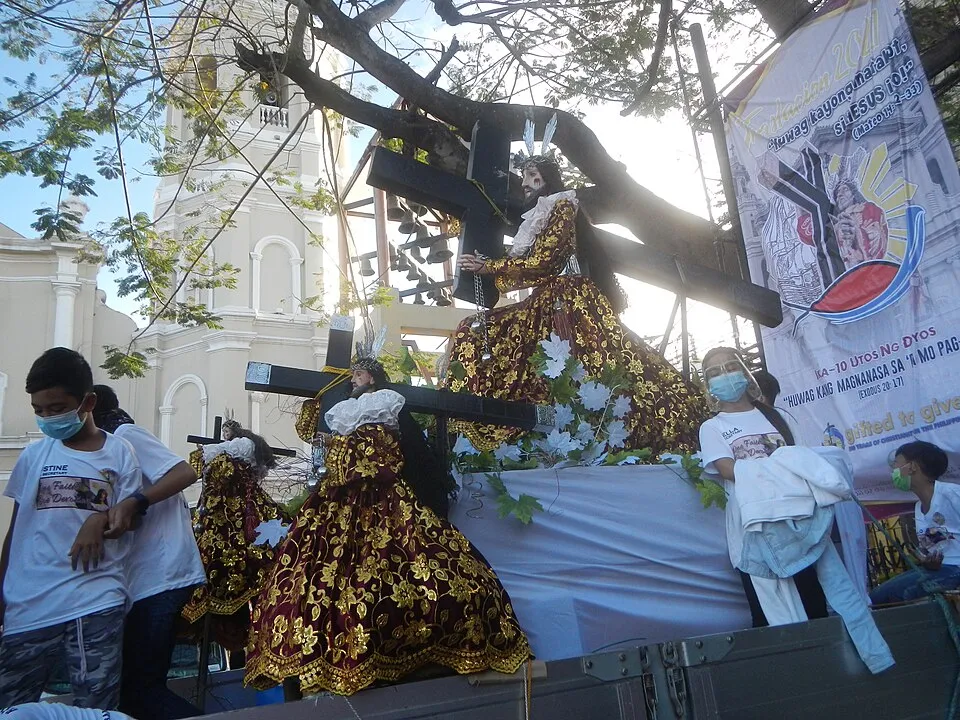
The three ranks differ primarily in their liturgical elements: solemnities include a vigil, Gloria, and Creed; feasts have two readings and usually no vigil or Creed; memorials have the simplest observance. These differences shape the Mass and the spiritual experience of the faithful. To learn more about how liturgy is celebrated in Vietnam, see Understanding Catholic Liturgy: Traditions and Practices in Vietnam.
Vigil Masses: A Distinction of Solemnities
One of the clearest markers of a solemnity is the celebration of a vigil Mass on the evening before the actual feast day. This practice, known as first vespers, begins the solemnity on the preceding evening, allowing the faithful to start the celebration at sunset. “Each Solemnity begins on the prior evening with first vespers (evening prayer)” (Catholic Straight Answers). Feasts and memorials do not have an obligatory vigil; they begin on the day itself.
The vigil emphasizes the importance of solemnities as major feasts that warrant an extended period of prayer and anticipation. In many cultures, the vigil Mass is a well-attended event that sets the tone for the feast day, often including special preparations and family gatherings.
The Gloria and Creed: Sung and Professed on Solemnities
The Gloria (the hymn “Glory to God in the highest”) and the Creed (the Nicene Creed) are integral parts of the Mass on solemnities. These elements are reserved for the highest celebrations, adding a layer of solemn praise and doctrinal proclamation. On feasts, the Gloria may be included, but the Creed is generally omitted.
Memorials typically do not include either. This distinction underscores the theological weight carried by solemnities, as the Gloria expresses joy and the Creed affirms the core beliefs of the faith. The presence of these elements signals to the congregation that a particularly important mystery is being celebrated, inviting deeper engagement with the liturgical texts and prayers.
Two-Reading Structure: Defining Feasts
A key liturgical distinction of feasts is the use of two readings from Scripture during the Liturgy of the Word. This two-reading format is typical for celebrations of secondary importance. Solemnities, as the highest celebrations, include three readings, providing a richer scriptural foundation.
The research notes that “Feasts are of secondary importance and typically feature two readings without a vigil” (AI Overview). The two-reading structure sets feasts apart from both solemnities (with three readings) and memorials (which may have one or two). The specific readings are taken from the lectionary cycle and are chosen to reflect the feast’s theme.
For daily access to Scripture readings, Vietnamese Catholics can refer to Daily Mass Readings: Accessing Scripture for Each Day in 2026. This element contributes to the overall sense of importance without reaching the full solemnity of the highest rank.
These liturgical differences are not merely ceremonial; they reflect the Church’s understanding of the significance of each celebration. To follow the daily readings and liturgical schedule, Vietnamese Catholics can use resources like Readings for Today Catholic: How to Follow the Liturgical Day.
Examples in Practice: Universal and Vietnamese Calendars
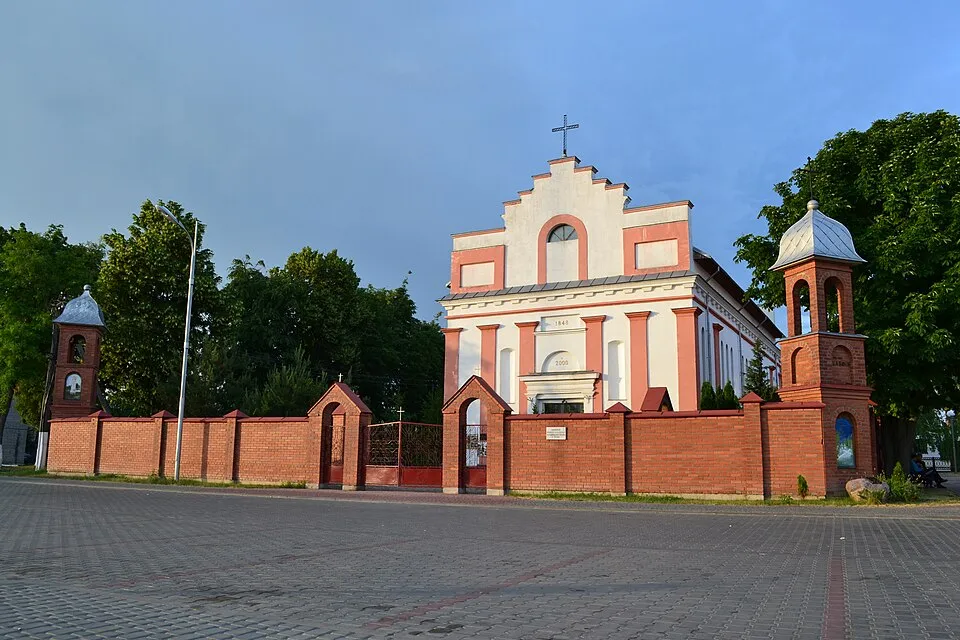
The universal Church celebrates specific solemnities like Easter and Christmas, while feasts and memorials honor numerous saints and events. In Vietnam, the CBCV integrates these universal celebrations with local patronal feasts, creating a rich liturgical tapestry that connects the local Church to the universal. For a full listing of the annual calendar, see the Catholic calendar.
Major Solemnities in the Universal Calendar
The universal liturgical calendar includes several solemnities that are celebrated worldwide. Among the most prominent are Easter (the Resurrection of the Lord), Christmas (the Nativity of Jesus), All Saints’ Day, and the Ascension. These solemnities are marked by the full ceremonial elements: vigil Masses, the Gloria, and the Creed.
They represent the core mysteries of the Christian faith and are the high points of the liturgical year. Easter, for instance, is the “feast of feasts” and is celebrated with the greatest solemnity. Christmas commemorates the Incarnation.
All Saints’ Day honors all those who have attained heaven, and the Ascension celebrates Jesus’ return to the Father. Each of these days is identified with an S in the official calendar.
Feasts: Celebrating Important Events and Saints
Feasts hold the second rank and celebrate important events in the life of Jesus Christ and the Virgin Mary, as well as significant saints. While the universal calendar includes many feasts, their specific names and dates are determined by the Church’s tradition. Feasts typically feature two readings and lack the vigil and Creed of solemnities.
They provide regular opportunities to honor key moments and figures in salvation history. For a comprehensive guide to Catholic feast days, including how they are observed in Vietnam, refer to Catholic Feast Days: A Comprehensive Guide to Celebrations in 2026. The exact classification of each celebration can vary, and the official calendar provides the definitive ranking for each year.
Memorials: Remembering the Saints
Memorials are the lowest rank of liturgical celebrations. They commemorate saints, often martyrs, and other significant events. Memorials have the simplest liturgical observance, usually without the Gloria or Creed.
They serve to keep the memory of these saints alive in the annual cycle of the Church, though with less ceremonial prominence. Many memorials are optional, allowing local churches to observe them with appropriate devotion. The universal calendar includes dozens of memorials, providing a daily rhythm of remembrance that enriches the spiritual life of the faithful.
Vietnamese Context: Local Celebrations Under CBCV
In Vietnam, the Catholic Bishops’ Conference (CBCV) publishes the official liturgical calendar, which integrates the universal solemnities, feasts, and memorials with local celebrations. Each diocese has its own patronal feast, which is observed with appropriate solemnity, often reflecting the local church’s history and spirituality. Additionally, the Vietnamese Church incorporates cultural expressions such as Tết into the liturgical year while maintaining the hierarchical structure.
The CBCV’s calendar ensures that Vietnamese Catholics participate fully in the universal Church’s rhythm while honoring their own saints and traditions. For an overview of how the Church calendar structures faith life, see Catholic Church Calendar: How It Structures Faith Life Throughout the Year. For the most current dates and complete listings, the CBCV’s online resources are essential.
Understanding the hierarchy of solemnities, feasts, and memorials is more than an academic exercise—it shapes the rhythm of prayer and worship for Catholics worldwide, including those in Vietnam. By recognizing which days are solemnities, the faithful can prepare for the Church’s greatest celebrations with deeper participation. The structure connects Vietnamese Catholics to the universal Church while allowing space for local traditions under the guidance of the CBCV.
For the most current dates and complete list of celebrations in 2026, refer to the official Catholic calendar published by the Catholic Bishops’ Conference of Vietnam.
Frequently Asked Questions About Solemnities And Feasts
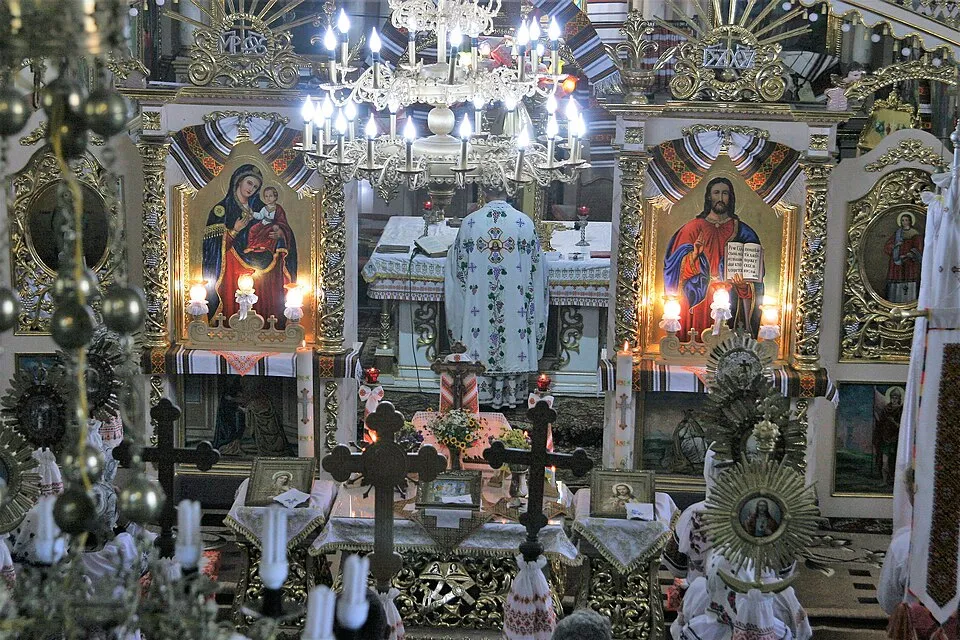
What are solemnities in Catholicism?
Solemnity. A solemnity in the liturgical year is a feast day of the highest rank celebrating a mystery of faith such as the Trinity, an event in the life of Jesus, the Blessed Virgin Mary, or important saints.
Which feast is considered the highest celebration in the Church?
Solemnity — the highest ranking type of feast day. It commemorates an event in the life of Jesus or Mary, or celebrates a Saint important to the whole Church or the local community.