The liturgical year is the annual cycle of seasons that structures Catholic worship globally, consisting of Advent, Christmas, Lent, Easter, and Ordinary Time. In Vietnam, this universal framework is deeply enriched by local cultural expressions, most notably the integration of Tết (Lunar New Year) and the creation of elaborate Nativity scenes that transform public spaces during Christmas. This inculturation reflects centuries of dialogue between Catholic faith and Vietnamese heritage, as explored in Catholic liturgy traditions in Vietnam, creating a unique spiritual rhythm.
- The liturgical year follows five core seasons: Advent, Christmas, Lent, Easter, and Ordinary Time, providing a rhythm for Catholic worship worldwide.
- Vietnamese Catholics uniquely integrate Tết (Lunar New Year) through a Three Days of Prayer tradition, blending faith with cultural heritage of thanksgiving, ancestor honor, and work sanctification.
- Distinctive practices such as life-sized Nativity scenes, Hái Lộc Thánh (Picking Holy Buds), and ancestor veneration through home altars and Masses reflect centuries of inculturation in Vietnam.
The Liturgical Seasons: Advent, Christmas, Lent, Easter, and Ordinary Time
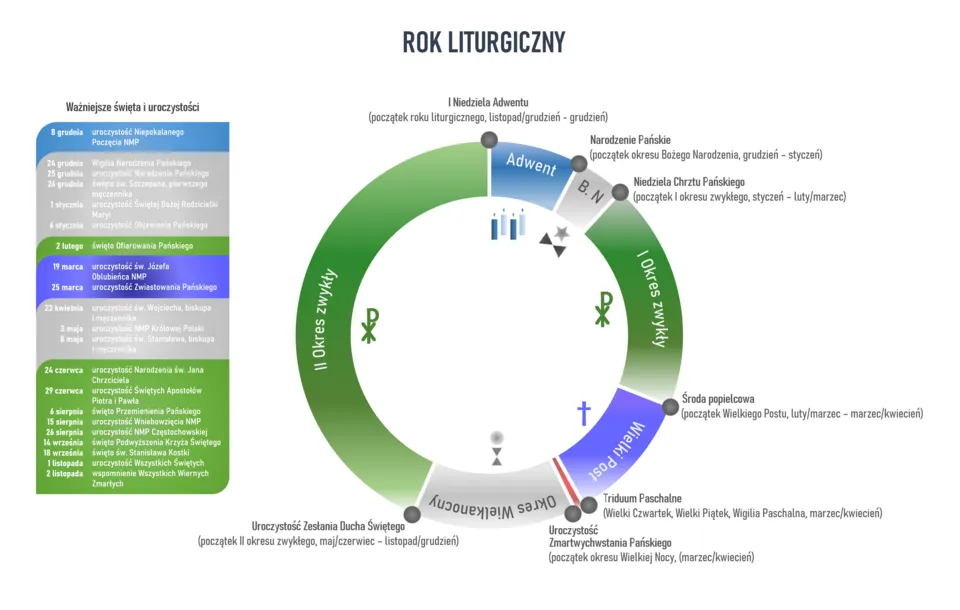
The liturgical year, or Catholic church calendar, provides the fundamental rhythm of Catholic spiritual life, dividing the calendar into seasons with distinct theological emphases and devotional practices. While the sequence remains consistent worldwide—beginning with Advent’s hopeful anticipation and culminating in Ordinary Time’s growth—each season carries specific colors, scriptures, and traditions that shape the faithful’s journey through the Christian story. In Vietnam, these universal patterns are lived out with particular local expressions that make the seasons especially vibrant and culturally resonant.
Advent (Mùa Vọng): Early Morning Masses and Community Retreats
Advent marks the beginning of the liturgical year, a season of hopeful anticipation for Christ’s coming. In Vietnam, this expectation takes tangible form through early morning Masses attended by entire families, often before the workday begins. According to vietnamcatholictours.vn, these pre-dawn gatherings foster a deep sense of communal preparation.
Community retreats are also a significant feature, as noted by catholicmessenger.net, bringing parishioners together for shared prayer and reflection that strengthens bonds while focusing hearts on Christmas. This combination of personal devotion and community engagement exemplifies how Vietnamese Catholics embody Advent’s call to watchful waiting.
Christmas (Lễ Giáng Sinh): Nativity Scenes and Reveillon Traditions
Christmas in Vietnam is an exceptionally popular and publicly visible celebration, marked by two distinctive traditions:
* Elaborate Nativity scenes (creches): Parishes across Vietnam create life-sized, intricately detailed Nativity scenes that become major attractions during the season. These displays, documented on youtube.com and vietnamdiscovery.com, showcase both artistic skill and deep faith, drawing visitors from across communities.
The créches often incorporate local Vietnamese elements while preserving the traditional Bethlehem narrative.
* Reveillon tradition: Christmas Eve features a late-night family meal called Reveillon, where chicken soup serves as a traditional dish. This custom, reported by english.vov.vn and aquaexpeditions.com, blends the universal vigil celebration with Vietnamese culinary heritage, creating a unique feast that bridges cultures.
The public nature of these celebrations—with streetside créches and family gatherings—makes Christmas one of the most visually and socially prominent liturgical seasons in Vietnam.
Lent and Easter: Fasting, Charity, and Resurrection Focus
Lent and Easter form the penitential and triumphant heart of the liturgical year. In Vietnam, Lent is observed with traditional fasting, abstinence, and intensified prayer, but with a particular emphasis on community charity that aligns with Vietnamese cultural values of mutual support. According to research data, acts of almsgiving during this season often extend to the poor and marginalized in tangible ways.
Easter focuses squarely on the Resurrection, with large parish gatherings celebrating Christ’s victory over death. While the core rituals—the Easter Vigil, solemn Masses, and festive meals—follow the universal pattern, Vietnamese Catholics infuse them with local joy and community spirit. The research indicates that specific inculturations for these seasons are less detailed compared to Advent or Tết, suggesting that Lent and Easter maintain a more direct connection to the Roman Rite while still being celebrated with characteristic Vietnamese warmth and participation.
How Do Vietnamese Catholics Integrate Tết Into the Liturgical Year?
Tết, the Vietnamese Lunar New Year, represents the most profound example of liturgical inculturation in Vietnam. Rather than simply coinciding with the Catholic calendar, Tết is actively integrated into the Church’s prayer life through a structured Three Days of Prayer that transforms cultural practices into expressions of faith. This integration demonstrates how the liturgical year adapts to embrace the deepest rhythms of Vietnamese family and social life.
The Three Days of Tết Prayer: Thanksgiving, Ancestors, and Work
The Catholic Church in Vietnam has established a formal Three Days of Prayer around Tết that channels traditional customs into Christian devotion:
* Day 1 (Mùng 1 Tết): Dedicated to prayers of thanksgiving for God’s blessings in the past year and petitions for the year ahead. This reorients the traditional Tết focus on new beginnings toward explicit Christian gratitude and hope.
* Day 2 (Mùng 2 Tết): Specifically honors deceased ancestors, directly engaging the Vietnamese value of filial piety within a Catholic framework.
As vietnamcatholictours.vn explains, this day acknowledges the continued spiritual bond with those who have passed, praying for their souls and seeking their intercession.
* Day 3 (Mùng 3 Tết): Focuses on the sanctification of work, with prayers for success in agriculture, careers, and livelihoods. This transforms the traditional Tết wish for prosperity into a prayer that work itself may be blessed and serve God’s purposes.
This three-day structure, referenced by dosafl.com, represents a deliberate theological inculturation that respects Vietnamese traditions while purifying and Christianizing their meaning.
Ancestor Veneration: Home Altars and Masses for the Departed
Beyond the specific Tết prayers, ancestor veneration permeates Vietnamese Catholic family life. Many homes maintain ancestral altars where photos of deceased loved ones are displayed with candles, incense, and offerings—but with a crucial distinction.
According to research data, these practices are carefully differentiated from superstitious or purely folk religious acts. The focus remains on remembrance, prayer for the departed, and acknowledgment of the communion of saints.
Masses offered for deceased family members on death anniversaries and significant dates are central to this practice. These Eucharistic celebrations, as noted in the research, embody the Catholic belief in praying for the souls in purgatory while honoring the Vietnamese emphasis on family continuity. The practice reflects a “negotiated coexistence” where cultural forms are preserved but given new Christian meaning.
Traditional Tết Foods and Customs: Bánh Chưng, Bánh Tét, and Lì Xì
Vietnamese Catholics incorporate traditional Tết elements into their celebrations, creating a distinctive blend of faith and culture:
* Bánh chưng and bánh tét: These traditional sticky rice cakes—square (bánh chưng) and cylindrical (bánh tét)—are prepared and shared during Tết, symbolizing earth and sky respectively. Their presence at Catholic family gatherings connects the liturgical celebration to the agricultural cycle and Vietnamese identity.
* Lì xì (lucky money): Children receive red envelope gifts, a practice that maintains the Tết tradition of blessing the younger generation while often including prayers for their future.
* Múa lân (lion dance): This vibrant performance frequently appears in front of churches during Tết, welcoming the New Year with traditional music and movement that has been adapted for Christian contexts.
* Áo dài: The traditional Vietnamese dress is commonly worn to Tết Masses and celebrations, expressing cultural pride within liturgical settings.
These incorporations demonstrate how Vietnamese Catholics live their faith through the full spectrum of cultural expression, making Tết both a cultural and religious milestone.
Cultural Expressions: Unique Vietnamese Catholic Traditions
Beyond the integration of Tết, Vietnamese Catholicism features several distinctive devotional practices that have emerged from the encounter between Catholic faith and Vietnamese culture. These traditions—some ancient, others more recent—illustrate the dynamic process of inculturation where local customs are not merely tolerated but woven into the fabric of Catholic spiritual life.
Hái Lộc Thánh: Picking Holy Buds for Spiritual Guidance
Hái Lộc Thánh (Picking Holy Buds) is a uniquely Vietnamese Catholic practice where believers, often on feast days or during Lent, pick sacred buds—typically from trees like the Bodhi tree or other locally significant plants—as a sign of seeking spiritual guidance and blessings. This custom transforms a simple natural act into a prayerful ritual, reflecting the Vietnamese appreciation for nature’s spiritual significance.
The practice, as noted in research data, exemplifies inculturation at its best: taking a local cultural form and filling it with Christian meaning. Participants believe the buds, once blessed, become sacramental reminders of God’s presence and care in daily life.
Seasonal Decorations: Yellow Apricot and Pink Peach Blossoms
Vietnamese Catholic churches and homes incorporate traditional seasonal flora that would be uncommon in Western churches. Yellow apricot blossoms (*hoa mai*) dominate southern decorations during Tết and spring, symbolizing wealth and renewal. Pink peach blossoms (*hoa đào*) are more common in the north, bringing color and fragrance to sacred spaces.
These plants, as research indicates, become part of liturgical and festive decorations, symbolizing new life and joy—themes central to the Easter season but expressed through distinctly Vietnamese botanical heritage. Their presence creates a visual bridge between the liturgical calendar and the natural rhythms of the Vietnamese landscape.
Honoring Vietnamese Martyrs: A Distinctive Devotion
The memory of Vietnamese martyrs—those who died for the faith during periods of persecution—holds a special place in the local Church’s liturgical memory. According to research data, these martyrs are honored as part of the nation’s Catholic heritage, with specific feast days or commemorations that reflect their sacrifice.
This devotion connects Vietnamese Catholic identity to the universal Church’s martyrology while emphasizing the local Church’s particular history of witness. The Vietnamese Martyrs, canonized by Pope John Paul II, serve as powerful intercessors and models, their stories told in parishes across the country during liturgical celebrations that blend universal prayer with local narrative.
Daily Mass and Community Life: Pillars of Vietnamese Catholic Practice
A striking feature of Vietnamese Catholic life is the prevalence of daily Mass, where daily mass readings provide scriptural nourishment, even in remote areas and smaller communities. Research data confirms that daily Mass is common, providing a regular rhythm of worship and fellowship that sustains spiritual life throughout the week. This practice goes beyond the Sunday obligation, reflecting a deep devotion to the Eucharist that permeates daily existence.
The daily gathering strengthens parish community bonds, creating networks of support and shared identity. For many Vietnamese Catholics, attending Mass daily is not a special devotion but a normal part of life—a habit that shapes time, work, and relationships around the liturgical rhythm.
The Catholic Bishops’ Conference of Vietnam (CBCV) oversees this rich tapestry of liturgical life, ensuring that inculturation remains faithful to universal norms while allowing local expressions to flourish. For comprehensive information on the Vietnamese liturgical calendar, including specific feast days, regional variations, and how to follow the liturgical day, the CBCV provides authoritative resources at Catholic Bishops’ Conference of Vietnam.
Vietnamese Catholics also maintain strong connections to the broader universal Church, following the same liturgical seasons and Sunday readings as Catholics worldwide while adding their unique cultural dimensions. This balance between unity and inculturation reflects the vision of Vatican II, which encouraged the healthy integration of local traditions into Catholic worship.
Other related topics that deepen understanding include the structure of the Mass itself, daily scriptural readings, and Solemnities vs Feasts. Exploring these elements reveals how the Vietnamese Church lives its faith within both the universal and local contexts.
The liturgical year in Vietnam thus stands as a living testimony to the Catholic principle that faith should engage the whole person—including cultural identity, family traditions, and daily work. Through practices like the Three Days of Tết Prayer, Hái Lộc Thánh, and the integration of ancestral remembrance, Vietnamese Catholics demonstrate that inculturation is not a compromise but a fulfillment of the Gospel’s call to take root in every soil.
The most surprising finding is how systematically Tết has been integrated into the liturgical year with a formal Three Days of Prayer structure. This goes beyond simple adaptation to create a new liturgical expression that honors Vietnamese culture while deepening Catholic practice. To experience this living tradition firsthand, attend a Vietnamese Catholic Tết celebration or explore the CBCV’s resources on inculturation at cbcvietnam.org.