Catholic liturgy, centered on the Mass (Eucharist), follows a four-part structure that has been consistent for centuries, with over 1.279 billion Catholics worldwide celebrating it in 2026 (World Christian Database). In Vietnam, this universal rite is celebrated with distinct local inculturations, especially during Tết (Lunar New Year), where special Masses, ancestor prayers, and folk music blend seamlessly with the ancient Latin ritual.
The Catholic Bishops’ Conference of Vietnam (CBCV) guides these practices through its official 2026 liturgical calendar, ensuring both fidelity to doctrine and cultural relevance. The Mass, as the “source and summit of the Christian life,” unites Vietnamese Catholics with the global Church while allowing indigenous expressions of faith.
- The Catholic Mass consists of four main parts: Introductory Rites, Liturgy of the Word, Liturgy of the Eucharist, and Concluding Rites.
- Vietnamese Catholics incorporate local traditions such as Tết Masses, ancestor prayers, and folk music into liturgy without changing sacramental doctrine.
- The CBCV publishes the official liturgical calendar each year, integrating Vietnamese Tết feasts like Tất Niên and Giao Thừa with universal Church celebrations.
The Fourfold Structure of the Catholic Mass: Universal Rites and Their Meaning
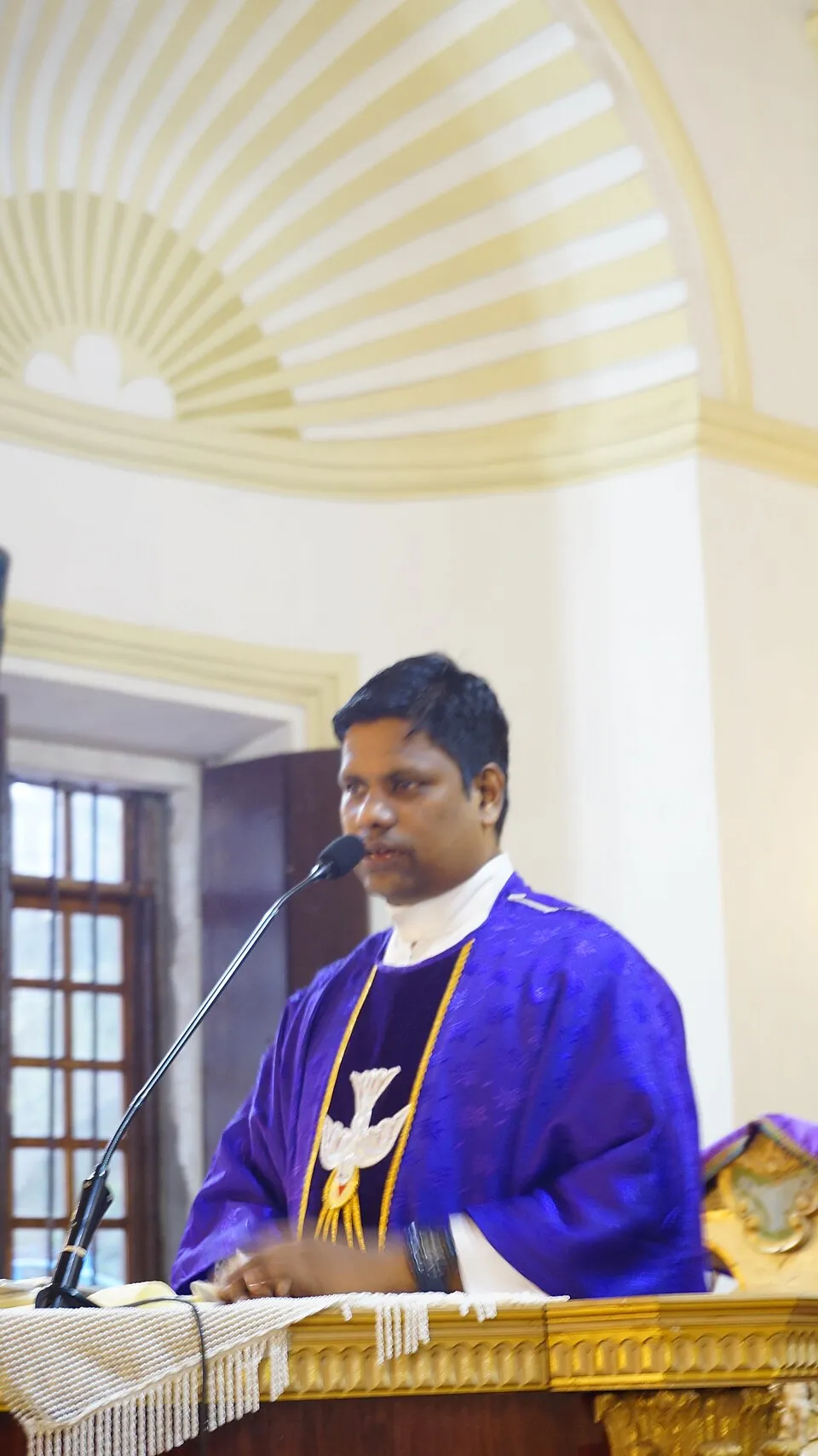
The Catholic Mass is structured into four distinct yet interconnected parts, each serving a specific purpose in the worship experience:
- Introductory Rites: These include the entrance procession, greeting, penitential act (such as the Confiteor), and sometimes the Gloria on Sundays. Their purpose is to prepare the faithful to hear God’s word and celebrate the Eucharist worthily.
- Liturgy of the Word: This part comprises readings from Scripture (typically an Old Testament reading, a Psalm, a New Testament reading, and a Gospel proclamation), a homily, and prayers of the faithful. It nourishes the congregation with God’s word.
- Liturgy of the Eucharist: Beginning with the preparation of the gifts (offertory), this section includes the Eucharistic Prayer (the heart of the Mass) with its consecration, and the distribution of Holy Communion. It makes present the sacrifice of Christ and gives the faithful the Bread of Life.
- Concluding Rites: These consist of the final blessing and dismissal, sending the congregation forth to live the Gospel in daily life.
This fourfold structure creates a cohesive journey from gathering to sending forth. It mirrors early Christian worship as described in documents like the Didache (c. 80 AD) and St.
Justin Martyr’s First Apology (c. 155 AD), which already show a clear pattern of word and sacrament.
The unity of these parts reflects the Catholic understanding that liturgy is both a proclamation of faith and a participation in the divine mystery. The term “liturgy” itself comes from the Greek leitourgia, meaning “public work,” emphasizing that worship is the Church’s collective service to God.
The roots of this structure lie in Jewish synagogue worship (reading and explanation of Scripture) and the Temple sacrifice, combined with Jesus’ institution of the Eucharist at the Last Supper. Over centuries, the Roman Rite crystallized this pattern, and after the Second Vatican Council, the 1970 Roman Missal reaffirmed it as the normative form for the Mass worldwide. The Catholic Church teaches that the Eucharist is “the source and summit of the Christian life” (Catechism of the Catholic Church, 2015), underscoring why this structure is so central.
From Jewish Berakah to Vatican II: Historical Evolution of the Liturgy
The historical development of the Catholic liturgy reveals a continuous thread from apostolic times to the present, with key turning points shaping its current form:
| Period | Key Development | Historical Source |
|---|---|---|
| Apostolic Era (1st century) | Institution of the Eucharist at the Last Supper; early Christian gatherings combining Scripture and breaking of bread, influenced by Jewish berakah (blessing) and synagogue worship. | Didache (c. 80 AD); St. Justin Martyr, First Apology (c. 155 AD) |
| 313-750 AD | Development of the Roman Rite; formation of liturgical books (Sacramentary, Lectionary, antiphonary) in the city of Rome; spread throughout the Latin Church. | Various liturgical manuscripts; “New Catholic Encyclopedia” (1967) |
| 1570 | Standardization of the Tridentine Mass by Pope Pius V through the apostolic constitution Quo primum, mandating the Roman Missal for universal use except where rites of two centuries’ antiquity existed. | Roman Missal of 1570; “Quo primum” (1570) |
| 1962-65 | Second Vatican Council’s Constitution on the Sacred Liturgy, Sacrosanctum Concilium (1963), calling for active participation and inculturation; promulgation of the vernacular Ordinary Form (Roman Missal of Paul VI, 1969; revised 2002). | Sacrosanctum Concilium (1963); Roman Missal (1969, 2002) |
The Jewish influence is particularly evident in the Eucharistic Prayer, which follows the pattern of berakah—a blessing over bread and wine that thanks God for creation and redemption. Early Christian communities, as seen in the Didache, already had a set order for the Mass: reading of Scripture, Eucharist, and collection for the poor. St.
Justin Martyr’s description of the Sunday gathering around 155 AD matches the basic structure still used today.
The medieval period saw the gradual unification of the Roman Rite, aided by the invention of printing, which allowed uniform liturgical books.
The Council of Trent (1545-1563) responded to the Protestant Reformation by standardizing the Mass in the Tridentine form, which remained largely unchanged until Vatican II. The 1962 edition of the Roman Missal, promulgated by Pope John XXIII, was the last before the council’s reforms.
Vatican II’s Sacrosanctum Concilium marked a turning point, explicitly permitting adaptations to local cultures in liturgy, provided they did not compromise the integrity of the sacraments. This principle of inculturation enabled churches like Vietnam’s to integrate indigenous elements while remaining in full communion with Rome.
The council declared that the liturgy is the “first and indispensable source” of Christian life and that the faithful should be encouraged to “take part by understanding the rites and prayers” (SC 14). This emphasis on active participation paved the way for the vernacular Mass and cultural adaptations.
Post-Vatican II Vernacular Ordinary Form: The Mass in Modern Practice
Following Vatican II, the Catholic Church transitioned to celebrating the Mass primarily in the vernacular (local language) according to the Ordinary Form of the Roman Rite, as found in the post-1970 Roman Missal. This form, now standard worldwide, allows the faithful to understand and participate fully in the liturgy.
While the Roman Canon (the central Eucharistic Prayer) may still be recited in Latin, especially in multilingual settings, the use of Vietnamese in Vietnam’s Masses ensures that the prayers and Scripture readings are accessible to all. The Extraordinary Form, based on the 1962 Roman Missal, remains authorized but is celebrated less frequently and typically in specific contexts, such as for communities attached to the older rite.
The Vietnamese translation of the Roman Missal, overseen by the CBCV and confirmed by the Holy See, ensures that the liturgical texts are both accurate and culturally resonant. This translation work, completed in the years following Vatican II, involved theologians and linguists to capture the nuances of Vietnamese while maintaining theological precision. The Ordinary Form includes multiple Eucharistic Prayers, allowing some flexibility, but the essential words of consecration remain fixed.
This vernacular approach, mandated by Sacrosanctum Concilium, has been instrumental in making the Mass a lived experience for Vietnamese Catholics, bridging the gap between ancient tradition and contemporary life. The CBCV also provides guidelines for proper celebration, ensuring that the Mass is always valid and licit.
The fourfold structure remains unchanged in the Ordinary Form, but the manner of celebration—language, music, gestures—can be adapted within limits. This balance between uniformity and flexibility is key to the Church’s mission: unity in essentials, diversity in non-essentials. For Vietnamese Catholics, this means celebrating the same Mass as the Pope in Rome, but with a Vietnamese voice and heart.
How Is Catholic Liturgy Inculturated in Vietnam? Tết, La Vang, and Ancestor Practices
In Vietnam, Catholic liturgy maintains universal norms but incorporates inculturation: Tết Masses with ancestor prayers and Scripture lotteries from blossoms; processions with traditional drums/gongs; Mary statues in áo dài at La Vang; funerals with blessed mourning headbands; music using folk melodies (Ví, Đúm). Ancestor veneration via home altars below crucifix, approved as remembrance not worship.
The CBCV publishes liturgical calendar including Tết feasts (Tất Niên, Giao Thừa). These adaptations, guided by the Vatican’s principle of inculturation, allow Vietnamese Catholics to express their faith in culturally meaningful ways while preserving doctrinal integrity.
Tết Liturgical Integration: Special Masses, Ancestor Prayers, and Scripture Lotteries
Vietnamese Catholics celebrate Tết (Lunar New Year) with special liturgical observances that are deeply woven into the church calendar:
- Tất Niên (Year-End Mass): Celebrated on the last day of the lunar year, this Mass includes prayers for a peaceful transition into the new year and often features a blessing of homes.
- Giao Thừa (New Year’s Eve Mass): Held at midnight, it marks the exact moment of the new year with solemn prayers, sometimes accompanied by traditional drumming and fireworks after the service.
- Tân Niên (New Year’s Day Mass): The first Mass of the lunar year, focusing on themes of renewal, hope, and gratitude for God’s blessings.
- Ancestor prayers: Incorporated as a cultural expression of filial piety, families may pray for their deceased loved ones during these Masses or at home altars. This practice is carefully framed as remembrance and intercession, not worship, aligning with Catholic teaching on the communion of saints.
- Scripture lotteries: Some parishes distribute small cards or blossoms (such as from bánh chưng or bánh dày) with Scripture verses or blessings, allowing the faithful to “draw” a message for the new year—a creative blend of cultural lottery customs with spiritual reflection.
These integrations, guided by the CBCV’s 2026 liturgical calendar, demonstrate how Vietnamese Catholics maintain unity with the universal Church while honoring their cultural heritage. The Tết feasts are not separate from the liturgical year but are specific celebrations within it, synchronized with the Roman Rite’s seasons.
For example, Tết often falls during Ordinary Time, and the liturgical colors and readings remain consistent with the universal calendar, while local customs add a Vietnamese flavor. The 2025-2026 calendar, as documented on gcatholic.org, explicitly lists these Tết observances, ensuring parishes nationwide celebrate them in harmony.
The practice of ancestor prayers during Tết is particularly significant. While the Mass itself does not include prayers to ancestors, families may incorporate personal devotions at home altars, asking God to bless the souls of their departed relatives.
This is fully consistent with Catholic doctrine, which encourages prayers for the dead (2 Maccabees 12:46) and honors saints as models of faith. The Scripture lottery, often organized by youth groups, transforms a traditional game into a moment of spiritual discernment, reflecting the Vatican II call for “active participation.”
Processional Drums, Gongs, and Folk Melodies: Music and Movement in Vietnamese Masses
Music and movement play a vital role in Vietnamese Catholic liturgy, especially during major feasts like Tết. Traditional drums (trống) and gongs (cồng chiêng) are commonly used in processions, adding a vibrant, rhythmic dimension that resonates with Vietnamese cultural identity.
These instruments, once associated with folk and ceremonial events, have been inculturated into church celebrations, creating a sense of joy and solemnity that is uniquely local. During Tết, processions may feature lion dances, lanterns, and these drums, turning the walk to church into a communal expression of faith.
Equally significant is the adaptation of folk melodies such as “Ví” and “Đúm” for liturgical hymns. These traditional tunes, familiar to Vietnamese ears, are paired with doctrinally sound lyrics to foster active participation. The CBCV has published hymnals that incorporate these melodies, ensuring that the music is both culturally authentic and theologically appropriate.
This practice embodies the Vatican II principle that liturgy should engage the whole person, and using native musical forms helps the faithful internalize the sacred mysteries. For instance, the melody of “Ví,” originally a work song, may be used for a hymn about God’s providence, connecting daily labor with divine grace.
The processional aspect—whether with drums, gongs, or banners—also reflects the Vietnamese appreciation for communal movement and visual symbolism. The rhythm of drums coordinates the procession, creating unity among participants.
This inculturation, when done under the guidance of the CBCV and the Vatican, strengthens Catholic identity by making the faith feel truly Vietnamese, not a foreign import. It demonstrates how the universal Roman Rite can be expressed through local cultural forms without altering its essence.
La Vang’s Áo Dài Mary and Other Inculturated Devotions
Visual inculturation is perhaps most iconic at the La Vang Shrine, where the Virgin Mary is depicted in traditional Vietnamese attire:
- Áo dài Mary: Statues and images of Mary at La Vang are often dressed in the áo dài, the elegant Vietnamese gown, presenting Mary as a Vietnamese mother. This visual adaptation has become a powerful symbol of Mary’s maternal care for the Vietnamese people. The practice, noted in a 2025 UCANews report, has spread to many parishes across the country.
- Other devotions: Marian processions may feature traditional lanterns, floral decorations, or even áo dài-clad participants. Some parishes create nativity scenes (crèches) with Vietnamese clothing and settings during Christmas, depicting Jesus, Mary, and Joseph in áo dài or traditional farmer attire.
- Local saints and martyrs: The veneration of Vietnamese martyrs, such as those canonized by Pope John Paul II in 1988, is expressed through art and liturgy that incorporates Vietnamese elements, such as using local fabrics for vestments or including Vietnamese instruments in the music.
These adaptations are not arbitrary; they are carefully reviewed by the CBCV to ensure doctrinal fidelity. The Vatican has consistently supported inculturation that respects the essence of Catholic teaching.
As scholars like Klaus Krämer and Klaus Vellguth note in their work on inculturation, such visual adaptations help the faithful encounter the divine through familiar cultural lenses, deepening devotion without altering theology. The áo dài Mary, for instance, does not change Mary’s identity but expresses her maternal role in a culturally resonant way, making her more approachable for Vietnamese Catholics.
Funeral Headbands and Home Altars: Ancestor Veneration as Filial Piety
Funeral rites and home devotions illustrate how Vietnamese Catholics harmonize ancestor veneration with Catholic faith. At funerals, family members wear blessed mourning headbands (khăn tang), typically white or yellow, as a sign of grief and respect.
This practice, while cultural, is given Christian meaning through the blessing and its association with prayers for the deceased’s soul. The headbands are often distributed by the priest during the funeral Mass, symbolizing the community’s shared mourning and hope in resurrection.
More common are home altars for ancestors, which are almost ubiquitous in Vietnamese Catholic households. These altars are usually placed below a crucifix or a sacred image, visually subordinate to Christ. On the altar, families may display photos of deceased relatives, along with candles, incense, and offerings of fruit or flowers.
Incense is burned as a sign of remembrance and respect, not as an act of worship. The Catholic Church distinguishes between latria (worship due to God alone) and dulia (veneration of saints) and even allows for expressions of filial piety toward ancestors, provided they are not confused with worship.
Research from 2024 (ResearchGate) confirms that such practices are widespread and theologically grounded in Catholic teaching on the communion of saints and prayers for the dead (2 Maccabees 12:46). The Vatican has explicitly approved similar customs in other Asian contexts, recognizing them as cultural expressions that can be purified and Christianized. For Vietnamese Catholics, these devotions are a way to honor their heritage while remaining fully Catholic.
The key distinction is that ancestors are venerated, not worshipped; the worship (latria) is reserved for God alone. The home altar becomes a place where family memory and Catholic faith intersect, reinforcing the belief that the Church is a family that transcends death.
The 2026 CBCV Liturgical Calendar: Synchronizing Universal Feasts with Vietnamese Tết
The Catholic Bishops’ Conference of Vietnam (CBCV) holds the exclusive authority to publish the national liturgical calendar for the Catholic Church in Vietnam. As the assembly of all diocesan bishops, the CBCV ensures that liturgical celebrations across the country’s 27 dioceses are unified and in communion with the universal Church. The calendar it issues each year integrates the fixed feasts of the Roman Rite (such as Christmas, Easter, Pentecost) with movable celebrations (like Lent and Advent) and Vietnamese-specific observances, most notably the Tết feasts: Tất Niên, Giao Thừa, and Tân Niên.
The 2025-2026 calendar, available on gcatholic.org and the official CBCV website (cbcvietnam.org), provides a comprehensive schedule of solemnities, feasts, memorials, and fasting days. It specifies the exact dates for Tết Masses, which vary according to the lunar calendar, and aligns them with the corresponding liturgical seasons. For instance, if Tết falls during Ordinary Time, the liturgical colors and readings follow the universal propers for that period, while the special prayers and customs reflect Vietnamese tradition.
This synchronization is a hallmark of the CBCV’s pastoral approach, allowing Vietnamese Catholics to live their faith fully within their cultural context. The calendar also includes other local celebrations, such as the feast of the Vietnamese Martyrs (November 24), and provides guidance on inculturated practices like the use of drums or folk music.
For those seeking to understand how the liturgical year structures Catholic life, resources like The Liturgical Year Explained: Seasons, Symbols, and Vietnamese Context offer deeper insights into the seasons and their meanings. The CBCV’s calendar is the practical tool that brings this structure to life in Vietnamese parishes.
Maintaining Doctrinal Integrity: Sacraments Unchanged Amid Inculturation
The CBCV’s inculturation efforts strictly preserve the doctrinal integrity of the sacraments:
- Essential elements unchanged: The matter (e.g., water for Baptism, bread and wine for Eucharist) and form (the essential words and actions) of each sacrament remain exactly as defined by the Catholic Church. No adaptation is permitted that would alter the sacrament’s validity or meaning.
- No doctrinal modifications: Inculturation never extends to changing Catholic doctrine. The teachings on the Eucharist, salvation, or the nature of God are held constant across all cultures.
- Non-essential elements flexible: Adaptations are limited to secondary aspects such as liturgical music, gestures (e.g., bowing instead of genuflecting in some contexts), vestment designs, church architecture, and devotional practices. These can reflect Vietnamese aesthetics without affecting the sacrament’s essence.
- Universal norms as guide: All adaptations are reviewed and approved by the CBCV in consultation with the Vatican’s Congregation for Divine Worship and the Discipline of the Sacraments, ensuring compliance with the Code of Canon Law and the General Instruction of the Roman Missal.
This disciplined approach allows Vietnamese Catholics to express their faith in culturally meaningful ways while remaining in full communion with the Pope and the worldwide Church. The sacraments, therefore, are both universally Catholic and locally experienced.
For example, the Eucharistic prayer must use the approved words of consecration, but the music before and after can be Vietnamese folk melodies. The CBCV’s guidelines, available on their website, clearly delineate what can be adapted and what must remain fixed, providing a safe framework for inculturation.
Ancestor Altars Below the Crucifix: Vatican-Approved Remembrance Practices
One of the most visible inculturations in Vietnamese Catholic homes is the ancestor altar, typically positioned beneath a crucifix or an image of Christ. This spatial arrangement symbolically places the veneration of ancestors within the context of Christ’s redemption—honoring the dead while acknowledging God as the source of all life.
On these altars, families display photographs of deceased loved ones, along with candles, incense, and offerings like fruit or flowers. Incense is burned during prayers, especially on death anniversaries or Tết, as a sign of respect and remembrance.
The Vatican has explicitly endorsed such practices as legitimate expressions of filial piety, provided they are clearly distinguished from the worship (latria) due to God alone. The Catechism of the Catholic Church encourages prayer for the dead (CCC 1032), and the veneration of saints, which includes honoring holy ancestors, is part of the communion of saints.
In Vietnam, this practice helps Catholics maintain a connection to their heritage without syncretism. The altar becomes a place where family memory and Catholic faith intersect, reinforcing the belief that the Church is a family that transcends death. The CBCV routinely reminds the faithful that while ancestor veneration is allowed, it must never replace the central place of God in worship.
The crucifix above the altar serves as a visual reminder that all honor is ultimately directed to Christ. A 2024 study published on ResearchGate found that over 80% of Vietnamese Catholic families maintain such altars, viewing them as a bridge between culture and faith. This practice is a prime example of how inculturation can enrich Catholic life without compromising doctrine.
The official liturgical calendar, published by the CBCV, includes specific dates for commemorating the dead, such as All Souls’ Day (November 2), and these are often celebrated with special Masses and visits to cemeteries. The calendar, accessible via Catholic calendar for 2025-2026, helps families plan these observances in harmony with the universal Church.
Catholics seeking to follow the daily readings that accompany these devotions can refer to resources like Daily Mass Readings: Accessing Scripture for Each Day in 2026 and Readings for Today Catholic: How to Follow the Liturgical Day. These tools enhance participation in the liturgical year, both in its universal and Vietnamese expressions.
The inculturation of Catholic liturgy in Vietnam stands as a remarkable model of how faith can take root in a specific culture without losing its universal character. It reveals that the Mass, with its immutable core, can be expressed through diverse cultural lenses—drums, áo dài, Tết feasts—making the Gospel truly Vietnamese. This hybrid spirituality strengthens Catholic identity rather than diluting it.
For those seeking to witness this vibrant expression of faith, attending a Vietnamese Tết Mass or visiting the La Vang Shrine offers a profound experience. The CBCV’s official Catholic calendar for 2026 provides all the necessary dates to plan such a visit, inviting everyone to encounter the living tradition of the Church in Vietnam.