In 2026, Catholic liturgical celebrations in Vietnam showcase a vibrant fusion of universal Catholic tradition and rich Vietnamese cultural heritage. From the bustling Christmas Eve Masses that light up city streets to the solemn Holy Week processions and the unprecedented convergence of Tet with Ash Wednesday, Vietnamese Catholics live their faith through communal gatherings, family traditions, and active youth participation. These celebrations, guided by the Catholic Bishops’ Conference of Vietnam (CBCV), reflect centuries of inculturation that make the liturgical year a lived experience of faith.
The year 2026 is particularly notable for the Archdiocesan Youth Congress in Hanoi and the unique pastoral adjustments required when the Lunar New Year falls near the beginning of Lent. This article explores the key celebrations—Christmas, Easter, and Tet—highlighting their unique customs, the role of families and youth, and the special adaptations that keep Vietnamese Catholicism both authentically local and fully Catholic.
- Christmas centers on Christmas Eve Mass with nativity scenes (Hang đá) and youth-led Santa traditions.
- Easter combines Holy Week liturgies with family reunions and ancestor veneration.
- The 2026 Archdiocesan Youth Congress in Hanoi engages thousands of young Catholics in discipleship.
- Tet 2026 coincides with Ash Wednesday, requiring special liturgical adjustments by parishes.
- Our Lady of La Vang remains a cherished Marian devotion among Vietnamese Catholics.
- Cultural etiquette during celebrations emphasizes respect, harmony, and avoiding public discord.
Christmas Celebrations in Vietnam: Customs and Community Gatherings
Christmas in Vietnam, while not an official public holiday, is a widely celebrated and increasingly popular event that serves as a festive prelude to the Lunar New Year (Tet). The celebration draws massive participation across the country, with churches and cathedrals filled to capacity, particularly for the central liturgical event.
Vietnamese Catholics, along with many non-Catholics, embrace the season’s joyful atmosphere, which combines religious devotion with community gatherings and cultural expressions unique to Vietnam. For a complete overview of the liturgical year, refer to the official liturgical calendar published by the CBCV.
Christmas Eve Mass: The Central Liturgical Event
Christmas Eve Mass stands as the cornerstone of Christmas celebrations in Vietnam, drawing enormous crowds to churches nationwide regardless of weather. This solemn liturgy, often celebrated multiple times to accommodate attendees, sets the tone for the entire festive season. Families and friends gather together, with many attending midnight Mass that commemorates the birth of Jesus.
The atmosphere inside cathedrals like St. Joseph’s Cathedral in Hanoi or the Immaculate Conception Cathedral in Ho Chi Minh City is deeply reverent yet joyfully anticipatory. The Mass features traditional Vietnamese music, such as the singing of Nhạc Lễ in Latin and Vietnamese, creating a soundscape that is both universal and local.
Following Mass, communities often extend into social gatherings, cafe visits, and public celebrations, making Christmas Eve both a religious and social high point of the year. The liturgical significance of the Mass—proclaiming the Word, celebrating the Eucharist, and receiving the newborn Christ—resonates deeply in a culture that values family and community.
Nativity Scenes and Festive Decorations: The Hang đá Tradition
Vietnamese parishes and families express their Christmas devotion through elaborate nativity scenes known as Hang đá, which often feature intricate craftsmanship and creative illumination:
- Parishes construct large-scale Hang đá displays in church grounds, sometimes incorporating local cultural elements such as Vietnamese village huts or traditional clothing on the figures.
- Families create home Hang đá using simple materials, placing them on altars or in living rooms as a focus for family prayer and reflection.
- Public spaces across cities like Hanoi’s Hoàn Kiếm Lake area and Ho Chi Minh City’s Đồng Khởi Street are adorned with spectacular light displays and Christmas decorations, turning the cities into winter wonderlands despite the tropical climate.
- Many Hang đá are illuminated at night, creating a magical atmosphere that draws crowds until dawn.
- Some parishes organize competitions for the most creative Hang đá, fostering community involvement and artistic expression.
This tradition reflects the Vietnamese appreciation for visual storytelling and communal celebration. The Hang đá becomes a bridge between the biblical narrative and local culture, allowing Vietnamese Catholics to “see” the Christmas story in familiar aesthetic forms. It also serves as an evangelization tool, as non-Catholics are drawn to the displays and often inquire about their meaning, opening doors for faith conversations.
Youth, Santa Claus, and Gift-Giving: Modern Vietnamese Christmas
Young Vietnamese Catholics actively shape the social dimension of Christmas celebrations. They meet friends, visit cafes, and take photos amidst festive decorations in city centers. The figure of “Ông Già Noel” (Santa Claus) enjoys particular popularity among youth, with many dressing up and delivering gifts—often via motorbike—to friends and family.
This adaptation reflects Vietnam’s traffic culture and the ingenuity of local celebrations. Gift-giving extends to children, with parents sometimes arranging “Santa Services” that surprise kids with presents. Christmas parties in cafes and restaurants are booked weeks in advance, with special menus blending Western and Vietnamese cuisine.
Social media is flooded with photos of festive decorations and selfies, making Christmas a highly shareable event. Many Catholic youth groups coordinate “Santa Services” where they dress up and deliver gifts to underprivileged children, adding a dimension of charity. Some parishes also host “Christmas markets” selling crafts and foods, blending tradition with commerce.
The integration of Santa Claus, a secular figure, into Catholic celebrations shows the adaptability of Vietnamese Catholics to engage with global culture while maintaining religious focus. The youthful energy ensures the celebration remains dynamic and relevant across generations.
Our Lady of La Vang: Marian Devotion in Vietnamese Catholicism
Our Lady of La Vang (Đức Mẹ La Vang) represents a profound Marian devotion uniquely Vietnamese in its expression. This title of the Blessed Virgin Mary originates from a purported apparition during the persecution of Christians in Vietnam in 1798, making it a powerful symbol of faith under trial and national identity. The site of the apparition, in the forest of La Vang in Quảng Trị province, became a major pilgrimage destination.
Throughout the year, and especially during major celebrations like Christmas and Tet, Vietnamese Catholics invoke Our Lady of La Vang in prayers and processions. The devotion connects the universal Catholic tradition with Vietnamese historical experience, serving as a spiritual anchor that unites the community across generations. Churches dedicated to Our Lady of La Vang dot the Vietnamese landscape, and her image—often depicted with traditional Vietnamese áo dài and a child—appears in homes and parishes nationwide.
Many Vietnamese Catholic families have a small statue of Our Lady of La Vang on their home altar, asking for her intercession in daily life. This devotion exemplifies how Vietnamese Catholicism embraces Mary in a way that resonates deeply with local cultural identity.
Easter and Lenten Practices: Family, Martyrs, and Youth Congress 2026
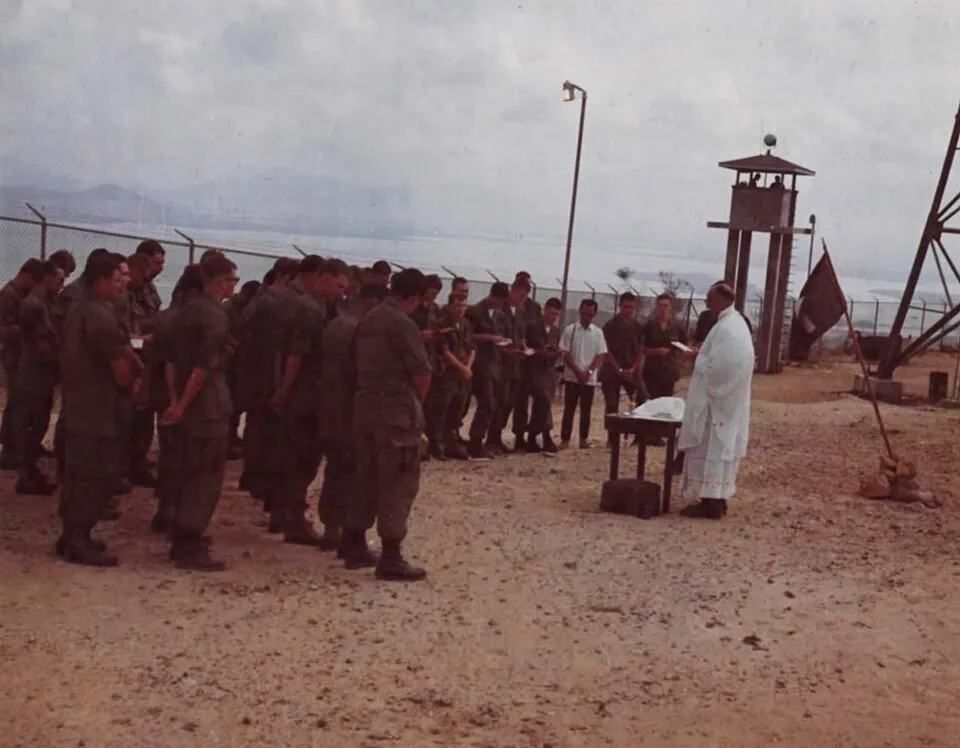
Easter in Vietnam marks the pinnacle of the liturgical year, combining solemn Holy Week observances with deep family connections and cultural practices. The 2026 Easter season carries additional significance through the Archdiocesan Youth Congress in Hanoi, which emphasizes youth discipleship and engagement.
Vietnamese Catholics observe this period with a distinctive blend of liturgical solemnity, family reunions, and ancestor veneration that reflects the ongoing integration of faith and culture. The Lenten season also features parish missions and pilgrimages honoring Vietnamese martyrs, underscoring the heritage of faith under persecution.
Holy Week Observances: Palm Sunday to Good Friday
The Holy Week in Vietnam follows the universal Church’s practices while incorporating local expressions:
- Palm Sunday: Parishioners receive blessed palm branches, often woven into crosses by elderly women. Processions may go around the church or through the neighborhood, with hymns sung in Vietnamese. The faithful wave the branches to commemorate Jesus’ entry into Jerusalem.
- Holy Thursday (Maundy Thursday): The Mass of the Lord’s Supper includes the washing of feet (mandatum), a powerful ritual where priests wash the feet of parishioners, reenacting Christ’s service. Many churches keep the Blessed Sacrament exposed for adoration until midnight, inviting the faithful to keep watch.
- Good Friday: The day begins with a somber liturgy, often including the reading of the Passion narrative. The Stations of the Cross are conducted, sometimes as a street procession with participants carrying a large cross. Fasting and abstinence are strictly observed; many Catholics eat only one simple meal. Some parishes present dramatic reenactments of the crucifixion, drawing large crowds.
- Holy Saturday: A quiet day of preparation; families clean homes and prepare Easter foods. The Easter Vigil after sunset marks the beginning of Easter, with the blessing of fire, water, and the lighting of the paschal candle.
These observances reflect the deep Catholic faith of Vietnamese believers, who maintain the universal liturgical practices while adding local touches such as Vietnamese hymns and communal participation. The integration of family cleaning and food preparation with the liturgical schedule shows how the sacred and domestic spheres intertwine.
Easter Sunday and Family Reunions: Integrating Ancestor Veneration
Easter Sunday bursts with joyful Masses celebrating the Resurrection, often held at dawn to symbolize new life. The joy is expressed through festive hymns, the ringing of bells, and the exchange of Easter greetings “Chúc Phục Sinh vui vẻ”. Families gather for a celebratory meal featuring dishes like bánh tét (cylindrical sticky rice cake) and roasted meats.
The practice of visiting ancestors’ graves, typically done in the days leading up to Tet, is also common during Easter. Families clean the graves, offer incense and flowers, and pray for the souls of their departed loved ones. This integration reflects the Vietnamese Catholic approach to ancestor veneration: while not worshiping ancestors, they honor them as part of the communion of saints, asking for their intercession.
The Church provides guidance that such practices can be meaningful when oriented toward the Resurrection hope. Many families also have home altars where they pray the rosary and display religious images, blending Catholic devotion with Vietnamese familial piety. Easter thus becomes a time when the hope of the Resurrection meets the gratitude for family heritage.
2026 Youth Congress: “Come and Remain” in Hanoi
The Archdiocesan Youth Congress in Hanoi during March 7-9, 2026 gathered over 5,000 young Catholics from across the country, including delegates from all 27 dioceses. The theme “Come and Remain” (Vietnamese: “Hãy Đến và Ở Lại”) was chosen to emphasize the call to discipleship and missionary zeal. Keynote speakers included Cardinal Joseph Nguyễn Năng, President of the CBCV, and several bishops.
The schedule featured Eucharistic adoration lasting 24 hours, communal praise and worship sessions, workshops on vocational discernment, and a solemn Way of the Cross through the streets of Hanoi. The event culminated in a closing Mass at St. Joseph’s Cathedral, where participants renewed their baptismal promises.
The Congress also launched a national youth ministry framework aimed at sustaining the momentum throughout the year. This gathering demonstrates the CBCV’s commitment to engaging young people as active agents of the Church’s mission in Vietnam. For insights into how youth are shaping liturgical life, see Understanding Catholic Liturgy.
Lenten Missions and Martyr Devotion in 2026
The Lenten season in Vietnam features several initiatives aimed at spiritual renewal and connection with the witness of martyrs:
- Parish missions led by Redemptorist missionaries (CSSR) and diocesan clergy, focusing on themes of repentance, mercy, and evangelization, as reported by cssr.news.
- Pilgrimages to the shrines of Vietnamese martyrs, such as the Martyrs’ Shrine in Nha Trang and the Our Lady of La Vang shrine, drawing thousands of faithful seeking inspiration from the witnesses of faith.
- Special Lenten retreats for youth, organized by diocesan youth ministries, combining prayer, community building, and service projects.
- A nationwide campaign of “Lenten almsgiving” coordinated by Caritas Vietnam, supporting the poor and marginalized.
- The veneration of martyrs remains a cornerstone of Vietnamese Catholic identity, with many families preserving stories of ancestor martyrs who suffered during historical persecutions.
These initiatives reflect the dual Lenten call to conversion and witness. The focus on martyrs connects contemporary Vietnamese Catholics with their heritage of faith under persecution, providing models for living the Gospel in challenging times. The involvement of youth ensures that these traditions are passed on to future generations, keeping the flame of faith alive.
Tet 2026 Liturgical Adaptation: When Lunar New Year Meets Ash Wednesday
The year 2026 presents a unique liturgical challenge for Vietnamese Catholics: Tet (Vietnamese Lunar New Year) falls very close to Ash Wednesday, the beginning of Lent. This calendar overlap requires special adjustments as parishes balance the festive, family-centered celebrations of Tet with the penitential nature of Ash Wednesday.
The CBCV Liturgical Commission has issued guidance to help navigate this intersection, ensuring that both the joy of Tet and the solemnity of Lent are appropriately observed. This situation highlights the dynamic inculturation of the Catholic Church in Vietnam, where local traditions and universal liturgy meet.
Ash Wednesday During Tet: Unique Adjustments for Vietnamese Catholics
The coincidence of Tet and Ash Wednesday in 2026 occurred because the Lunar New Year fell on February 17 while Ash Wednesday was on February 11, creating an overlap of the festive Tet season with the beginning of Lent. The CBCV Liturgical Commission addressed this through an official announcement (shared via Facebook and diocesan channels) providing practical guidance:
- Parishes may adjust Mass schedules to accommodate both the Ash Wednesday liturgy and Tet family obligations, offering early morning or evening options.
- The imposition of ashes can occur before or after Tet visiting traditions, allowing participation in both.
- Fasting and abstinence norms are applied with pastoral sensitivity to the festive Tet context; Catholics are encouraged to observe the fast on Ash Wednesday while still participating in festive meals, perhaps by simplifying their Tet feast or setting aside another day for abstinence.
- The penitential character of Ash Wednesday is maintained while respecting the cultural importance of Tet celebrations.
This adaptation demonstrates the flexibility of the liturgical calendar when applied to specific cultural contexts and the CBCV’s pastoral care for the faithful. For more on how the liturgical year structures faith life, see The Liturgical Year Explained.
Tết Traditions in Catholic Homes: Food, Visitation, and Prayer
Catholic households observe Tet traditions that blend cultural customs with religious practice:
- Preparing traditional foods: bánh chưng (square sticky rice cake) and bánh tét (cylindrical sticky rice cake) are essential, often made together as a family activity. Other dishes include pickled onions, dried fruits, and boiled chicken.
- Cleaning and decorating the home: Houses are thoroughly cleaned before Tet, and new year decorations with red and gold colors are hung. Catholic families also place religious images and statues on altars, creating a sacred space for celebration.
- Visiting relatives and friends: Starting on the first day of Tet, Catholics visit elders to offer respects and receive lucky money in red envelopes. They exchange greetings like “Chúc Mừng Năm Mới” (Happy New Year).
- Attending Tet Mass: Many families attend a special Mass on the first or second day of Tet, often wearing new clothes. The Mass includes prayers for peace, prosperity, and blessings in the new year.
- Incorporating prayer: Families pray the rosary together, read Scripture, and say novenas for the new year. Some have the tradition of blessing their home with holy water.
- Balancing Lenten restrictions: When Tet overlaps with Lent (as in 2026), families may choose to observe meat abstinence on Ash Wednesday and Good Friday but enjoy traditional Tet foods on other days, showing adaptability.
These practices illustrate how Vietnamese Catholics seamlessly integrate their cultural heritage with their faith. The preparation of bánh chưng becomes an act of family unity and thanksgiving; the home altar blends Catholic and Vietnamese aesthetics; and the visits incorporate both social and spiritual dimensions. The 2026 calendar challenge highlights the wisdom of local Church authorities in providing pastoral guidance that respects both traditions.
Cultural Etiquette: Unspoken Rules for Celebrating Tet and Lent
Vietnamese cultural norms shape how Catholics conduct themselves during celebrations, emphasizing harmony and respect. The following table summarizes key unspoken rules that apply during both Tet and Lenten observances:
| Situation | Expected Behavior | Reason |
|---|---|---|
| During Tet visits | Greet elders first, use both hands to offer/receive gifts, avoid pointing feet at others | Shows respect, maintains harmony |
| In church | Dress modestly, arrive early, silence mobile phones | Reverence for sacred space |
| During meals | Wait for elders to start eating, use chopsticks properly, don’t stick chopsticks upright in rice | Respect for elders and cultural taboos |
| Handling conflict | Remain calm, avoid loud arguments, save face for all parties | Preserves community harmony |
| Gift-giving | Present gifts with both hands, receive graciously even if modest | Reciprocity and humility |
These unspoken rules, deeply ingrained in Vietnamese society, reflect the cultural value of “tính hòa” (harmony) and the importance of maintaining dignity. During Tet, they ensure celebrations remain joyful and inclusive; during Lent, they help maintain a spirit of quiet reflection even in social settings. Understanding and observing these norms is essential for anyone participating in Vietnamese Catholic celebrations, whether as a local or a visitor.
The CBCV often incorporates these cultural sensitivities into its liturgical and pastoral guidelines, demonstrating the inculturated nature of the Church in Vietnam. For practical guidance on daily Mass readings and how they align with the seasons, see Daily Mass Readings.
The coincidence of Tet and Ash Wednesday in 2026 actually enriches the Vietnamese Catholic expression of penance and renewal, blending cultural joy with spiritual reflection in a way that deepens faith.
This unique situation has prompted creative pastoral solutions that respect both liturgical integrity and cultural tradition, setting a precedent for future inculturation. For the latest updates on liturgical celebrations, official guidance from the CBCV, and stories of faith in action, visit the official Catholic calendar. Consider attending a Tet Mass or a Holy Week procession to experience firsthand how Vietnamese Catholics live their faith through these vibrant traditions.
The Catholic Bishops’ Conference of Vietnam continues to be the authoritative source for liturgical information and spiritual resources for the Catholic community in Vietnam and for those seeking to understand this dynamic expression of faith. For a deeper dive into the hierarchy of celebrations, see Solemnities vs.
Feasts and Catholic Church Calendar.
Frequently Asked Questions About Catholic Liturgical Celebrations In Vietnam
Is there a Catholic cardinal in Vietnam?
Dedicated to a divided nation Reflecting on the life of the Vietnamese Venerable, Cardinal Michael Czerny, prefect of the Dicastery for Promoting Integral Human Development, described Cardinal Văn Thuận as not only a promoter of justice and peace but also an embodiment of “these values in word and a…
What is the Vietnamese version of the Virgin Mary?
Our Lady of La Vang (Vietnamese: Đức Mẹ La Vang) is a Roman Catholic title of the Blessed Virgin Mary associated with a purported Marian apparition during the persecution of Christians in Vietnam.
What are the unspoken rules in Vietnam?
Most Vietnamese will avoid public displays that could compromise their reputation. As a general rule, keep your cool and avoid loud arguments, making a scene, berating others for mistakes, or pointing out anything that may cause the locals to feel shamed.
Is Nguyen Van Thuan a saint?
He died in Rome at age 74 in 2002, and his cause for canonization began soon after. He was declared venerable by Pope Francis in 2017. Van Thuan's rules began with the Catholic community that nurtured him.